For those of you who are looking to eat more sustainably, but don’t know where to start, here are a few of the principles that I try to follow in order to eat more sustainably without impacting on my nutritional health.
Eat more of the food we grow. By eating more of the edible food we grow, we are putting less food into the bin. This is better for the planet as it means we don’t need to grow more food than needed.
Throw away less food. Just like the point above, it is important to not put food grown for consumption in the bin.
Vary our protein intakes to include more plant-based proteins. This helps the environment as plant-based proteins such as beans and lentils are lower in CO2 emissions which is better for the planet.
Cook once, eat twice. This is beneficial for both the planet, as well as you personally as it can save you time in the future by not having to cook a complete meal from scratch. It’s beneficial for the planet as you’re using less energy overall to make more meals, and using the microwave to reheat food can be extremely energy effective, so also help you save some money on bills too.
Diversify your diet. Eating different foods is good for sustainability as it helps to diversity what is grown. At present, the most common grains grown are wheat, rice and corn. But eating grains outside of these, you help increase demand for other types of grains, which helps to diversify the crops grown, which, just like our gut, helps to diversify the planet and make it more healthy.
No Waste Vegetable Fritters uses the principle of not wasting the food we grow by upcycling vegetable peelings and preventing them from going into the bin.
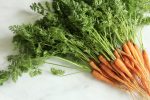
Carrot Top Pesto again using the principles of not wasting any of the food we grow, and using the green carrot tops to make a truly delicious pesto
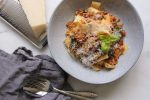
Reduced Meat Bolognese for those who want to try to include some more plant-based proteins, but aren’t ready to completely give up meat
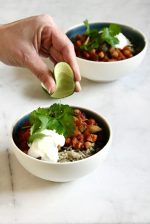
Lentil, Mushroom and Almond Ragu for those who are looking to go more plant-based and minimise the amount of animal products consumed
Try my Pumpkin and Sage Pearl Barley Risotto for a less traditionally grain to help diversify both your gut bacteria as well as the crops grown around the world
If I was to ask you which is the best thing to eat to help with regular bowel movements, or to help relieve constipation, most of you would probably answer with prunes. They’re a classic home remedy for helping to keep you regular thanks to their high level of sorbitol. Sorbitol is a type of dietary fibre which is able to help draw water into the lumen of the gut, and therefore can help to soften hard stools, making them easier to pass.
So how do kiwi fruits come into this then? Well, kiwi fruit have more recently been hitting the headlines for their role in constipation which could be due to a specific enzyme called actinidin. Actinidin is a digestive enzyme that breaks down proteins, improves gastric emptying and may help facilitate laxation through its stimulation of receptors in the colon. Furthermore, kiwis have a high polyphenol content, which may also confer digestive health benefits. Polyphenols can promote the growth of beneficial gut bacteria, such as bifidobacteria. And finally, kiwis have a high water holding capacity and high viscosity, which helps with fecal bulking and softening.
Recent studies have demonstrated significant results in the treatment of constipation in healthy patients with IBS-C and in patients with functional constipation [1, 2]. Researchers used MRI techniques to identify the mechanism of action behind kiwi’s laxative effect and found that the consumption of two kiwi fruit daily increased water content in the small bowel and descending colon and increased colonic bulk. These MRI data are consistent with the observation that an increase in stool frequency with looser stool consistencies are seen with the consumption of two kiwi fruit daily and suggests that kiwis can be used as a natural, diet therapy for those with mild constipation [3].
Another study explored the comparative effectiveness of three natural treatments in patients with chronic constipation. This research is among the first data addressing the effectiveness and tolerability of kiwi fruit on chronic constipation in the United States. Seventy-five adults with either functional constipation or IBS type Constipation were provided around 6g of fibre per day in the form of two green kiwi fruit, 12 prunes (100g) or 12 grams of psyllium over a four-week treatment period. All participants experienced similar proportions of spontaneous bowel movements. However, the participants given kiwi fruit reported fewer adverse effects than those reported by patients treated with the prunes and psyllium. Notably, a smaller proportion of patients were dissatisfied with the kiwi fruit compared with the prunes or psyllium [4]. In addition, a randomised cross-over study looked at the effectiveness of 5g of dietary fiber from golden kiwifruit versus 5g of dietary fiber through a fibre supplement and saw similar improvements in stool consistency, straining and discomfort [5].
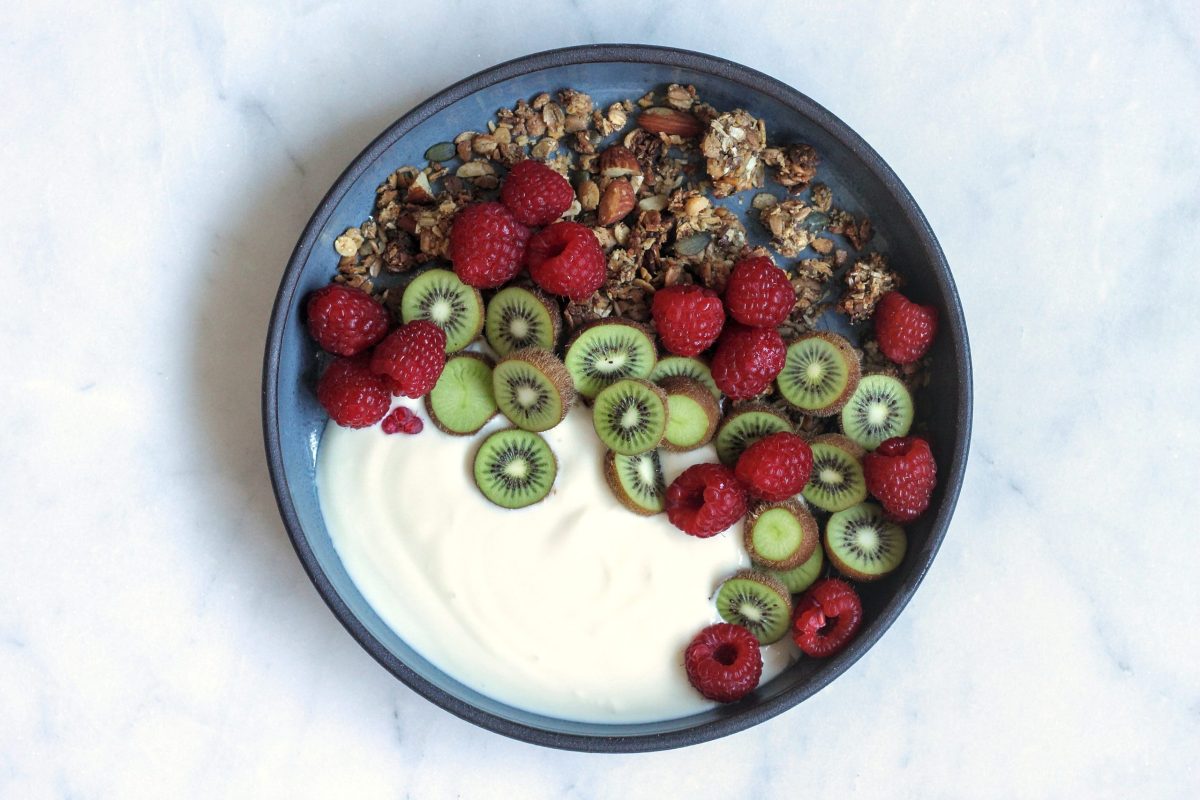
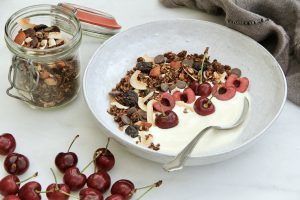
Kiwi Granola
I’ve paired my mini homegrown kiwis with no added sugar granola and some raspberries, which are another source of fibre, for the best gut-loving effect.
For those who are trying Veganuary for the first time, or for those who have been vegan for a while now, there are specific nutrients that can be lacking in a vegan diet if not carefully planned. Here I outline a few of the key nutrients commonly found to be lower in those consuming a fully plant-based diet.
Firm tofu can be a source of calcium
Calcium
For the majority of people, calcium comes from milk and dairy products. If you are following a purely plant-based diet, make sure you dairy alternatives are fortified with calcium. Other sources of calcium include dark green leafy vegetables, nuts such as almonds and firm tofu which has been set with either calcium sulphate or calcium phosphate. Silken tofu, which is soft and unset, contains much less calcium per serving, and those set with non-calcium products (e.g. seaweed or magnesium sulphate).
Recommended intakes of calcium are 700mg/d for women and 800mg/d for men aged 18-65 years.
Why not try some of my high calcium recipes which use calcium set tofu, or fortified dailry alternatives:
The richest iodine containing foods are white fish, in particular cod and haddock, as well as scampi, however, the best source of dietary iodine comes from milk and dairy products due to farming practices. Replacing milk with a dairy alternative which has been fortified with iodine is a good option, but not all alternative milks are fortified, so it’s best to check the label. Other dietary sources of iodine include seaweed, but the concentration of iodine varies, with some varieties of seaweed containing very high concentrations and therefore it is not recommended for pregnant women.
Iodine recommendations are 150mg/d for adults, and 200mg/d for pregnant and breastfeeding women.
Here are some recipes you can use iodine fortified dairy alternatives with:
There are two main sources of dietary iron; haemiron and non-haem iron. Haem-iron is found in animal products such as meat, in particular red meat and offal, poultry and fish. This form of iron has a higher bioavailability (the ability for your body to absorb it) with particular ference to the red meat and offal. Non-haem iron is found in plnat-based foods and tends to be less bioavailable, despite being more abundant in our diets. Non-haem iron food sources include grains, pulses, beans, nuts, fruits and vegetable.
Beans can be a good source of dietary iron
Non-haem sources of iron can actually benefit from being consumed with a food containing vitamin C. This is because vitamin C increases the absorption of non-haem iron, so including some fruits such as citrus fruits and berries, or green leafy vegetables may increase iron uptake in a purely plant-based diet.
Vitamin B12 is a water soluble vitamin which plays an important role in energy production and together with folate and vitamin B6 is required for the maintenance of normal blood homocysteine levels, as well as ensuring your brain and nerve cells function properly. B12 food sources are predominantly animal derrived, with meat, fish, cheese and eggs being main contributors. Plant-based sources include fortified cereals, fortified dairy alternatives and yeast extracts such as Marmite. Additionally, some mushrooms contain B12 and will proudly state this on their packaging.
This nutrient is synonymous with oil fish such as salmon and mackerel. However, on a vegan diet these foods are excluded from the diet. We therefore need to find alternative plant-based sources of omega-3’s in the diet such as chia, linseeds and walnuts as these fats are known to be beneficial for brain development at all ages, as well as being good for overall heart health.
Try replacing some of the ingreidnets in these recipes to further boost the omega-3 content:
Zinc is an essential trace mineral most commonly associated with immunity, assisting wound healing and in the production of proteins in the body. Dietary sources of zinc are similar to those of iron, including beans, wholegrains, nuts and seeds. With zinc, fermentation of good plant-based sources of zinc can help increase zinc absorption. This includes foods such as fermented soy beans including tempeh, natto and miso, unfermented beans (soak them before cooking to improve zinc absorption), and certain fortified breakfast cereals.
Try some of my recipes which naturally contain zinc:
As you know, this is one of my favourite topics to talk about, and is something we all need to be aware of as dietary sources of vitamin D are rare even for those who aren’t vegan. Vegan sources of vitamin D include fortified foods such as milk alternatives, as well as functional foods such as UVB exposed mushrooms. It is important to consider a supplement for this nutrient as the food sources are quite limited and often do not meet the UK daily recommendation of 10 mcg per day.
I have a few recipes which will provide some of your vitamin D requirements:
For further information I have written a blog for MyNutriWeb on this topic which you may find useful if you are completing Veganuary or follow a vegan or very high plant-based diet.
As we enter the Autumn and Winter months of the year, we lose our natural ability to make vitamin D from skin exposure to sunlight. We therefore should be looking at alternative ways to maintain our vitamin D status through our diets. I have previously written about the importance of supplementation during winter months, but there are alternative sources to supplementation if you further want to ensure your vitamin D status remains within the healthy range during the darker days.
Sun-dried and UVB irradiated mushrooms are the only non-animal-based food product with substantial amounts of bioavailable vitamin D (as D2) and, as such, have the potential to be a primary source of vitamin D in a vegetarian and vegan diet.
Most fresh-grown retail mushrooms in the UK are grown in dark, temperature-controlled rooms before being refrigerated and transported. Thus, the vitamin D2 content of most mushrooms sold is commonly less than 1μg/100g fresh weight (FW), and therefore the typical serving of mushrooms is negligible.
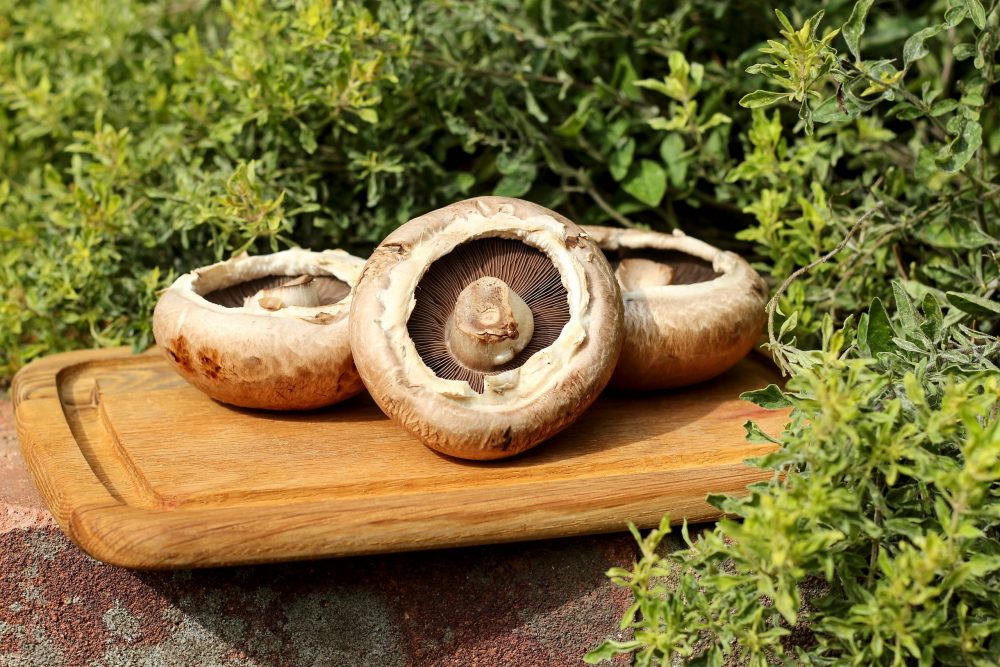
When mushrooms are exposed to midday sunlight for 15-120 minutes they will generate significant amounts of vitamin D2 (<10μg/100g FW) which approaches the recommendation for the UK which is set at 10μg/day. However, the total amount of vitamin D generated in these mushrooms is dependent on many factors, such as length of exposure, time of exposure, the surface area exposed, and weather. Increasing the surface area by slicing the mushrooms to expose more flesh can increase vitamin D production. Additionally, certain species of mushrooms will produce more vitamin D if the gills are exposed.
Commercially produced vitamin D mushrooms are exposed to specific UV radiation in the growing and/or post-harvest phase. Fresh mushrooms deliberately exposed to UV light post-harvest can produce vitamin D2 levels up to 320μg/100 FW (calculated from dried weight).
In contrast, wild mushrooms are naturally exposed to UV light and therefore contain vitamin D2, as are sun-dried mushrooms. Both wild and sun-dried mushrooms contain significant amounts of vitamin D2.
Sunbathing mushrooms to produce vitamin D2
There are plenty of mushroom-containing recipes available on my website which can easily use vitamin D-enriched mushrooms, but here are a few of my favourite!
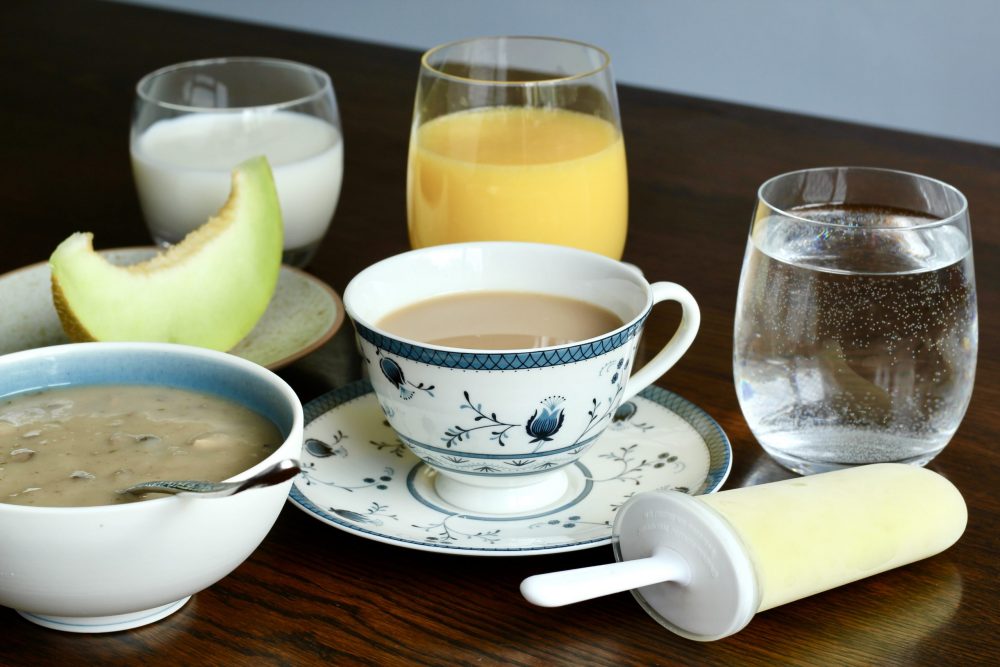
Hydration is an important factor of health, with over half of our bodies being made up of water. Staying hydrated is key for maintaining essential bodily functions, but what counts towards our fluid intake?
Water
Water obviously counts towards your fluid intake, but so do sparkling waters and flavoured waters. Watch out for those which have added sugars, and be cautious with fizzy drinks which may be acidic and damage your teeth with continuous repeated exposure.
Milk-based drinks
Milk and milk-based drinks count towards your fluid intakes, including the milk you may pop on your cereal or use to make your porridge.
Fruit Juices and Smoothies
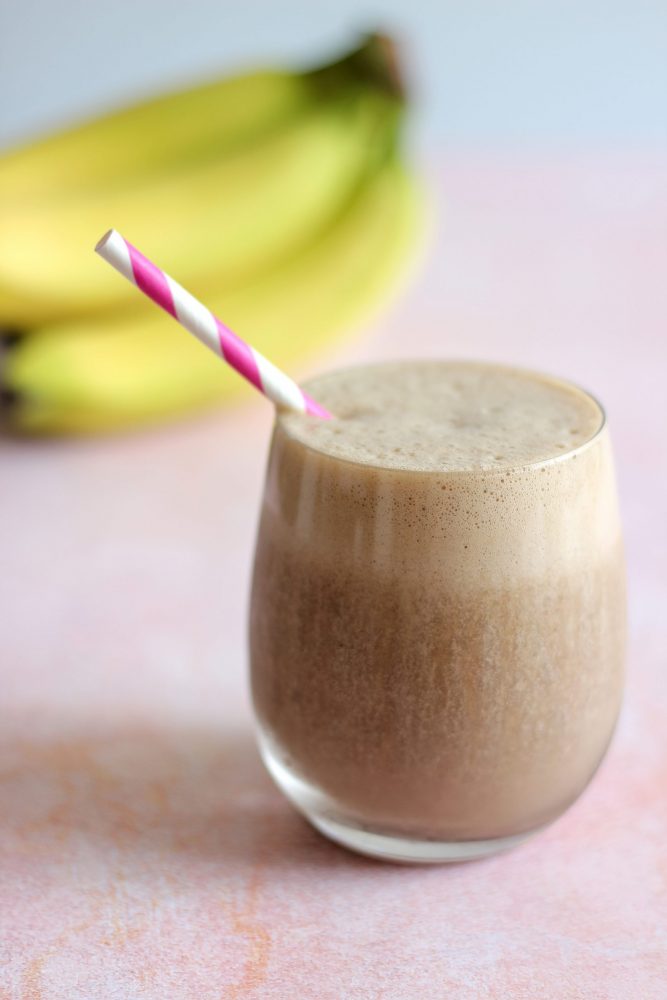
These also count towards your fluid intakes, but as they can be high in free sugars you should try to limit to a maximum of 150ml per day.
Caffeinated beverages
Yes, your teas and coffees can count towards your fluid intakes, hurrah! But try to stick to moderate amounts (no more than 400mg caffeine per day, or 200mg if you are pregnant).
Foods with high water content
Yes, your foods can count towards your fluid intakes too. Many fruits and vegetables contain a high percentage of water and can be equally refreshing to eat on a hot day as it is to drink a glass of water. These fruits and vegetables can also be a great way of keeping young children hydrated as they can’t recognise the feeling of thirst.
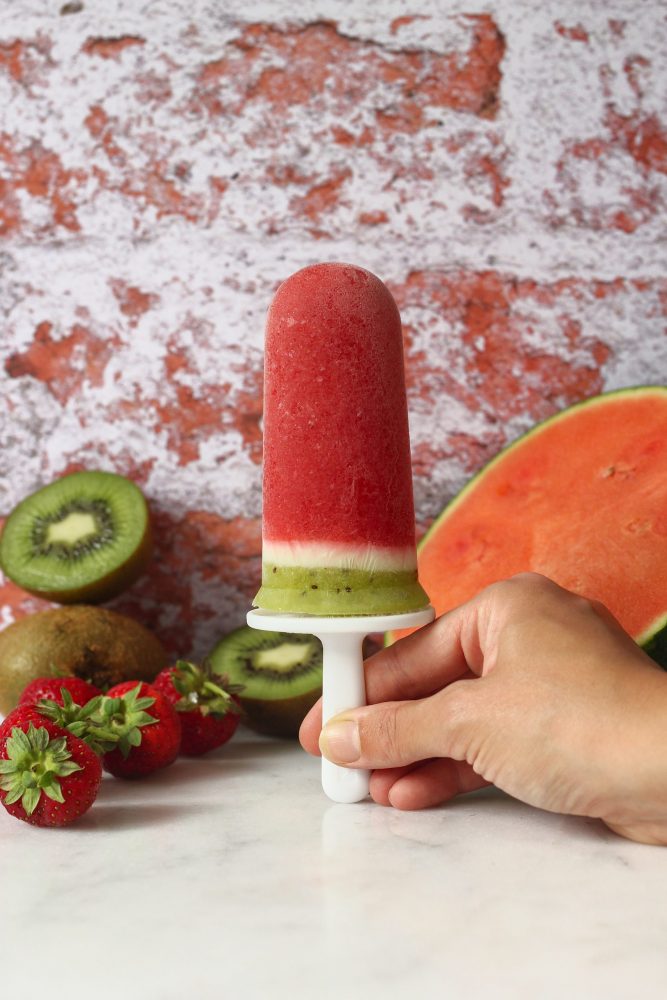
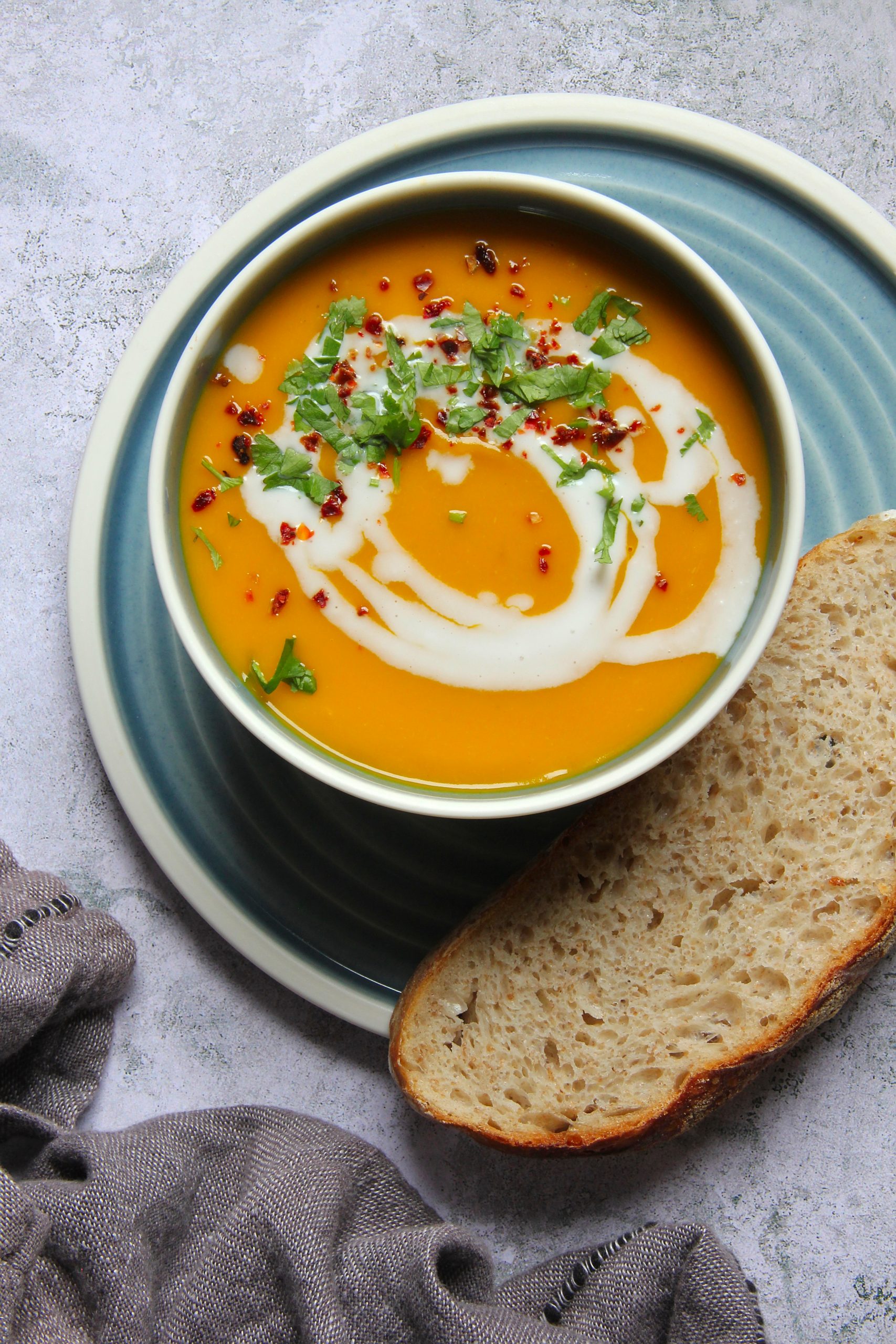
Other foods that count towards hydration include yoghurts, soups and stews, jelly and ice creams and lollies.
Could wild garlic be a low FODMAP alternative to garlic?
A 2019 paper investigated the fructan content of wild garlic and other herbs commonly used in Bulgaria. From their analysis, the authors found that the total fructans (FODMAPs) were lower in wild garlic in comparison to chives (2.2g vs 5.7g per 100g dried weight). Interestingly, people following low FODMAP diets tolerate chives and are encouraged to use chives in place of onions in recipes. While this research hasn’t been validated by Monash University, the leading site for low FODMAP food analysis, the finding suggest it may be worth self-challenging yourself! If you happen to know that garlic is one of your trigger foods and are able (and willing) to try this herb, please do get in touch to let me know how you got on.
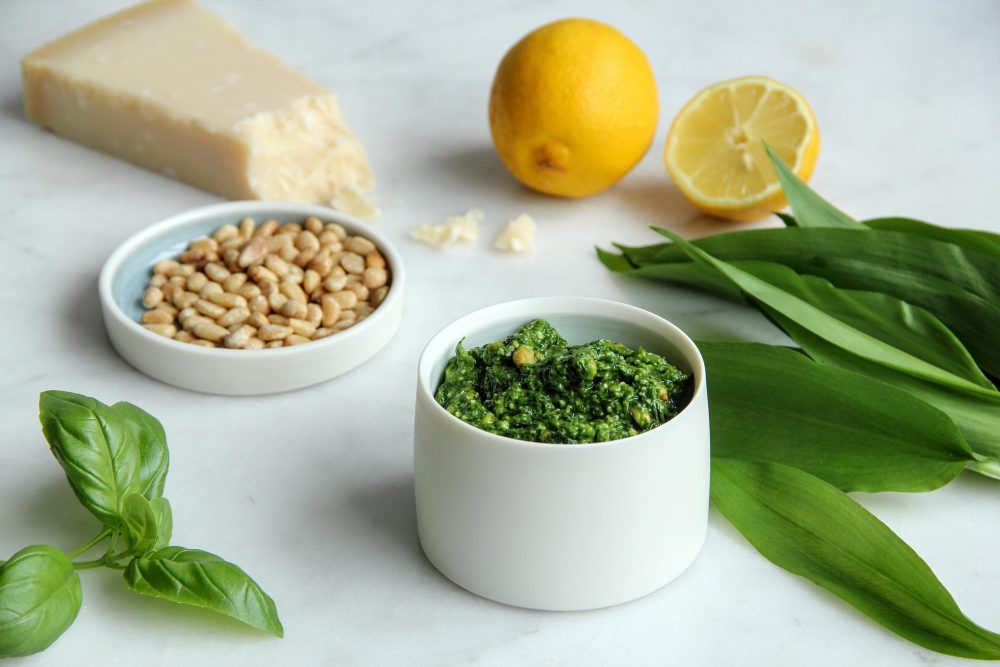
Serve 4-5 people
Ingredients
100g wild garlic, roughly chopped
30g basil, leaves and stalks roughly chopped
3 tbsp extra virgin olive oil
1 tsp lemon juice
40g toasted pine nuts
45g parmesan, grated
Method
Blend the wild garlic, basil, olive oil and lemon juice together.
Add the pine nuts and parmesan and blend to the consistency of your choice – I prefer to keep mine with some texture in it.
Delicious served with my egg pasta recipe. If you want a double hit of wild garlic, try adding in a handful of wild garlic to make it vibrant green.
Wild Garlic Egg Pasta
Any leftover pesto can be stored in an airtight container in the fridge for up to 5 days – layer a little oil over the top to help reduce any oxidation. Alternatively, you can freeze your pesto in containers, or in ice cube trays for future use.
NOTE: Wild garlic looks very similar to the poisonous Lily of the Valley. If you aren’t sure, do not pick. Alternatively, it is available to buy for supermarkets, farmer’s markets, and to grow at home from garden centres.
Getting oily fish in can be a challenge, and during lockdown I find it harder to get fresh fish weekly so I’ve been eating more smoked fish due to the increased shelf life. While I don’t plan on carrying this on beyond lockdown, and rather used smoked fish as a treat rather than a source of omega-3 fatty acids, for the while they have ended up as a partial staple in my lockdown diet. Here’s the lowdown on omega-3 fatty acids.
Omega-3 fatty acids area type of polyunsaturated fatty acid. These fats can’t be made in our bodies, so we rely on dietary sources instead. There are a few different forms of omega-3 fats, including eicosapentaenoic acid (EPA), docosahexaenoic acid (DHA) and alpha-linolenic acid (ALA).
Dietary sources of EPA and DHA include oily fish such as salmon, mackerel, kipper, herring, sardines and fresh tuna (but not tinned tuna); shellfish; and seaweed (but eating this more than once per week may provide too much iodine). Alternatively you can find EPA and DHA in omega-3 fortified products such as: dairy and dairy alternative products, eggs; and supplements.
ALA can be converted to EPA and DHA in our body, but this isn’t always converted in significant amounts, especially in relation to DHA, so there are less health benefits associated with consuming ALA. Dietary sources of ALA include seeds such as chia seeds, linseeds, hemp seeds (and hemp seed oil), walnuts (and walnut oil), pecans, hazelnuts; products derived from soybeans like soybean oil and tofu; rapeseed oil; green leafy vegetables and ALA supplements.
We should be aiming to eat 2 portions of fish a week, with at least 1 portion to be oily, with the upper limit set at 4 portions of oily fish per week due to pollutants being present in some fish which could build up in our bodies. Separately, women of childbearing age, pregnant or breastfeeding women should limit their intakes to two portions per week.
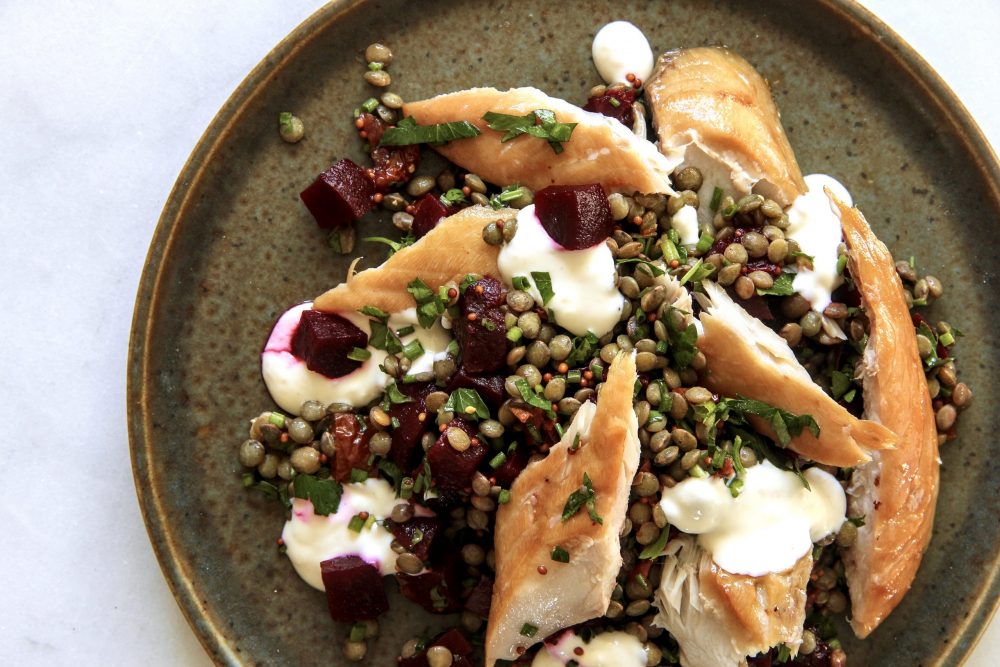
Using lots of store cupboard ingredients here, you could swap the fresh herbs out and use salad leaves, or use kale as an alternative vegetable. If you are really struggling to get fresh salad, or making this when you have run out of fresh foods opt for some frozen vegetables such as edamame beans or peppers. And for those who need a super quick lunch, this dish can be made in 2 minutes by using a pouch of ready-cooked lentils. Simply heat the lentils up and dress them with the herbs and spices and you’re good to go!
Serves 2
Ingredients
100g puy lentils
10g wholegrain mustard
40g sundried tomatoes, finely chopped
10g chives, chopped
15g flat-leaf parsley, chopped
120g pickled beetroot, finely cubed
10g horseradish sauce
50g reduced-fat creme fraiche
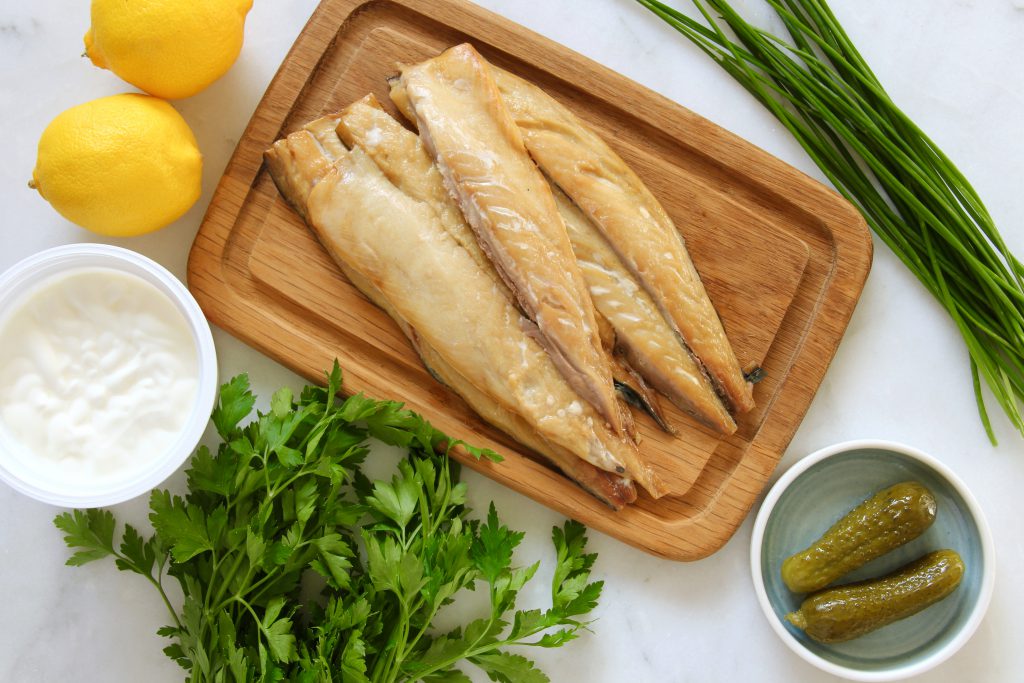
2 fillets of smoked mackerel
Method
Place the lentils in a saucepan and cover with plenty of cold water. Bring to the boil and simmer for 12 minutes.
Once the lentils have cooked, drain and dress with the mustard and tomatoes whilst still hot. Allow to cool for 2 minutes before adding in the herbs.
Separately mix the horseradish and creme fraiche together.
Add the beetroot to the lentils and combine before plating up with the mackerel and horseradish sauce.
Per serving: 487kcal/ 28.6g fat/ 8.5g saturated fat/ 23.0g carbohydrates/ 12.9g fibre/ 28.2g protein
In the UK, the recommendation to to supplement the diet with vitamin D during the months of October through to March, or if you are unable to go outside during daylight hours in the Spring and Summer months. This is because the main source of vitamin D is not from the diet, but actually from UVB sunlight on your skin which causes your body to produce vitamin D.
There are some foods that contain vitamin D which may contribute to your intake, but food alone is rarely enough to maintain adequate vitamin D blood levels. Originally it was thought that vitamin D made during spring and summer months was adequate enough to support levels throughout the winter months. However, this has been found to not be the case with an estimated 20% of the UK population having inadequate levels of serum 25OHD. Recommendations to supplement the diet with 10µg (400IU) daily were introduced to the UK in 2016 by the Scientific Advisory Committee for Nutrition.
Animal derived foods which contain vitamin D include:
Eggs
Oily fish such as salmon, mackerel, herrings
Dairy products
Offal
Plant-based foods containing vitamin D include:
UVB irradiated mushrooms
Fortified milk alternatives
Some fortified breakfast cereals
As dietary intakes of vitamin D are inadequate to maintain healthy serum levels, supplementation is still required even if you aim to include as many of these foods as possible. I have plenty of vitamin D containing food recipes, which also contain lots of other beneficial nutrients, so a reminder that variety is the key to overall good health.
Mushroom risotto (if made with specially UVB irradiated mushrooms could contain around 2µg per serving)
Top my courgette fritters with an egg for around 1µg vitamin D from the egg.
If you are concerned about your vitamin D levels, please speak to a trained health expert before taking extremely high doses without proper medical guidance.
Perhaps an important question given the current circumstances. In short, no. The immune system is a very complex topic, with many different defence mechanisms. In order to support a normal functioning immune system, we should already be having a healthy and varied diet encompassing a wide variety of foods. We should be including fruits, vegetables, wholegrains, healthy fats and lean sources of protein. Aim for 30 different plant-based food sources a week (think fruits, vegetables, beans and pulses, wholegrains, nuts and seeds) and 30g of fibre a day wherever possible. For those who have restricted intakes, speak to your doctor or dietitian before taking supplementation. Special interest in particular nutrients which have a role in immunity may be beneficial if you are lacking them in your diet. However, the most important factor is to eat a healthy and varied diet and not to fixate on a single nutrient or a wonder pill.
Here are a few nutrients with specific roles in the immune system.
Vitamin A
Vitamin A is able to help strengthen our immune barrier by promoting mucus secretion and epithelium formation. In addition, vitamin A is needed for macrophage development, a type of protective white blood cell. Deficiencies of vitamin A can lead to a weakened immune system. Additionally, animal data has shown the vitamin A deficiency can impair T cell and antibody function.
Source of vitamin A include:
Liver
Dairy products
Yellow/orange/red fruits and vegetables such as peppers, sweet potato, carrots, papaya, mango
Dark green vegetables such as kale and spinach
Over consumption of vitamin A by supplementation can lead to vitamin A toxicity, so consult your doctor or dietitian before starting vitamin A supplementation. Special caution applies to pregnant women who are advised to avoid vitamin A supplements, liver and liver products due to the risk of birth defects.
Vitamin C is involved in proliferation, function, and movement of neutrophils, monocytes, phagocytes, and is often the first nutritional supplementation turned to when a cold or flu strikes. Previous high-quality work has shown that high intakes of vitamin C are not associated with reducing the risk of contracting a cold in the ordinary population. However, consumption of a high dose (1000-2000mcg/d) was found to reduce the length and severity of a cold. The caveat of this was that this was only effective in those people who were already regularly taking these high doses.
Sources of vitamin C include:
Citrus fruits
Berries
Kiwis
Bell peppers and chilli
Kale
Potatoes
Over supplementation of vitamin C can lead to diarrhoea, nausea, kidney stones and expensive urine. The UK reference nutrient intake for most adults is 40mcg/day. Anything above this will be excreted.
Roasted red pepper and goats cheese salad which packs in a whopping 14.5g fibre per serving – recipe coming soon!
Vitamin D
Vitamin D is thought to be able to modulate the immune response and has been linked to inflammation and the immune system, which could be due to its role in the formation of T cells. Vitamin D has also been shown to protect the lungs against infection.
Most of our vitamin D will come from supplementation. The Scientific Advisory Committee for Nutrition (SACN) recommend supplementation of 10mcg[400IU]/d for most of the population, as dietary sources are rarely adequate on their own. This is of particular importance for those living in the UK and Ireland where skin exposure to sunlight will not produce any vitamin D between October and March.
Dietary sources of vitamin D include:
Fortified foods such as milk alternatives and cereals
Egg yolks
Oily fish
Liver, including cod liver oil*
UVB exposed mushrooms
High doses of vitamin D (above 25mcg[1000IU]/d) can lead to nausea, vomiting, kidney stones, irregular heartbeats and stiffening of the arteries.
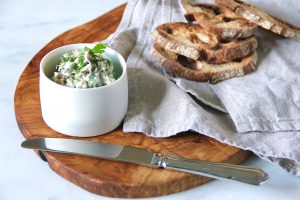
My smoked mackerel pâté recipe additionally provides you with some omega 3 fatty acids.
*not suitable during pregnancy due to a high level of vitamin A
Vitamin E
Dietary interventions looking at vitamin E supplementation have been shown to enhance cell-mediated and humoral immune responses in animals. Vitamin E supplementation has also shown increased lymphocyte proliferation, immunoglobulin levels, antibody responses, natural killer cell activity, and interleukin-2 production. In addition, vitamin E’s antioxidant effects are thought to play a role in protecting the PUFA membrane from oxidation.
Sources of vitamin E include:
Most nuts (e.g. almonds, peanuts, hazelnuts) and seeds (e.g. sunflower, pumpkin)
There isn’t enough evidence to know what the effects might be of taking high doses of vitamin E supplements each day. In the UK, the safe intake is set at 4mg for men and 3mg for women per day. Any vitamin E not utilised immediately is stored, so you don’t need to have it in your diet every day.
Zinc deficiency has been found to negatively impact many cells related to the immune system, such as: neutrophils, natural killer cells, macrophages, B cells and T cells, and has a central role in cellular growth and differentiation of immune cells that have a rapid differentiation and turnover. Use of zinc acetate lozenges daily for up to one week was associated with reduced severity and duration of a cold, but only when taken within 24 hours of the first symptoms presenting. In a separate study, zinc gluconate lozenges significantly reduced the duration of illness in comparison with placebo but had no effect on symptom severity.
Dietary sources of zinc include:
Shellfish
Red meat and poultry
Eggs
Dairy products
Nuts and seeds
Chickpeas
Lentils
Wholegrains
Too much zinc in the diet can cause a reduced uptake of copper, leading to anaemia and weak bones.
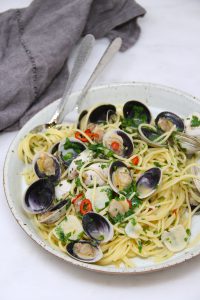
An easy way to include zinc in the diet would be to add some shellfish, such as clams, to a pasta dish.
Probiotics
Probiotics can be important for helping boost the good bacteria in your gut. You gut is responsible for around 70% of your immune system and can impact on the production of white blood cells. Recent studies have shown a link between specific strains of lactobacillus, which may reduce the risk of viral infections. However, more research into this area is needed.
Probiotic sources include:
Kefir
Live yoghurts
Live kombucha
Unpasteurised fermented foods such as kimchi or sauerkraut
Alternative ways to help boost your gut bacteria could be the use of prebiotics. Prebiotics are types of carbohydrates which feed your gut bacteria. Prebiotic foods include:
Garlic, onion and leeks
Jerusalem artichokes
Asparagus
Oats
Banana
Flaxseeds
Watch out as not all fermented foods are equal. Additionally, some fermented foods may trigger those who suffer from IBS, so follow the guidance of your dietitian if you suffer from this. Additionally, use of probiotics in health living people may not be so beneficial, but that is because your gut bacteria are already doing well on their own. Keep them happy with plenty of diverse plant food sources and fibre.
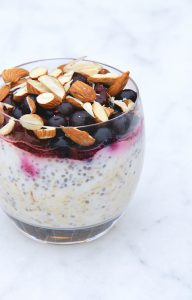
Overnight oats are a simple way of including both pre- and probiotics
Garlic
Garlic appears to enhance the functioning of the immune system by stimulating certain cell types, such as macrophages, lymphocytes and natural killer cells. Previously, studies have found that an equivalent dose of 3-6 cloves of garlic as aged garlic extract may help to reduce the severity of colds and flus. However, aged garlic contains a compound called S-allyl cysteine not found in fresh garlic.
Garlic supplementation may cause interactions with medications such as blood thinners, anticoagulants, certain oral contraceptive pills and certain HIV medication. Consult your doctor before taking garlic supplements if you are on medication. Very high doses of garlic can also be toxic… or cause social isolation….
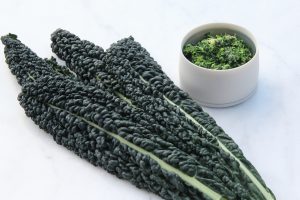
While I use garlic throughout my dishes, I simply love pesto. So versatile, you can use whatever you have to hand be it left over herbs, frozen peas or even vegetable tops such as carrots. Why not give my kale pesto a go – additionally a great source of vitamins ACE!
Chilli
Capsaicin, the chilli pepper component that produces a burning sensation, can be effective against nasal congestion and lowering inflammation, thereby reducing symptoms of colds and flus. In addition, the pain from eating chillis can lead to the release of endorphines, the body’s natural pain killer, giving a feeling of happiness and wellbeing.
Overdoing chilli can lead to diarrhoea due to irritation of the stomach or intestinal lining; or irritate those with IBS.
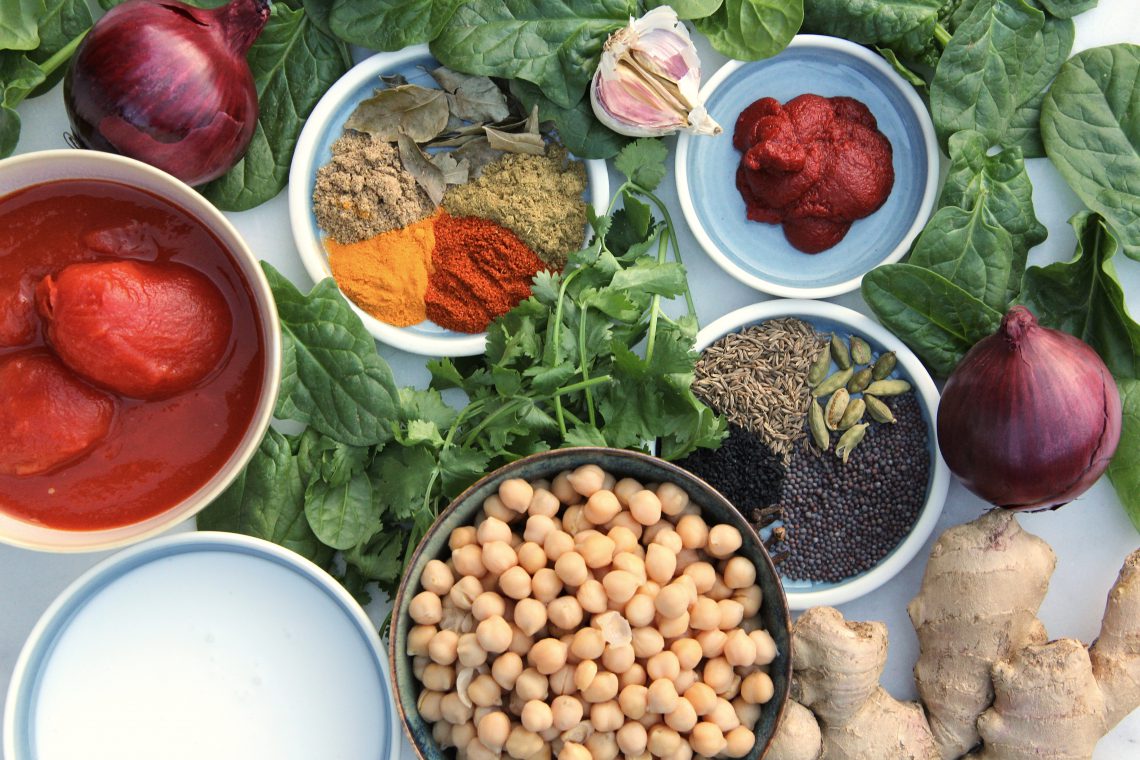
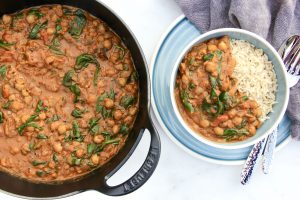
For those who can, turn up the heat with an extra chilli or two in my vegan chickpea curry.
So what is the true answer? Eat (plenty of variety), drink (preferably not alcohol), sleep (7-9 hours a day) and repeat (washing your handswith soap).
















 Dr Pippa