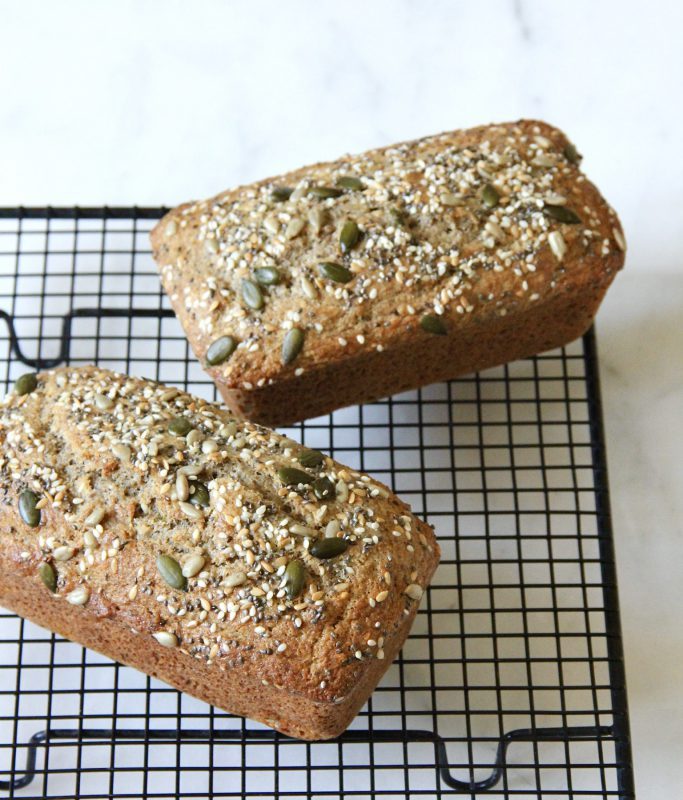
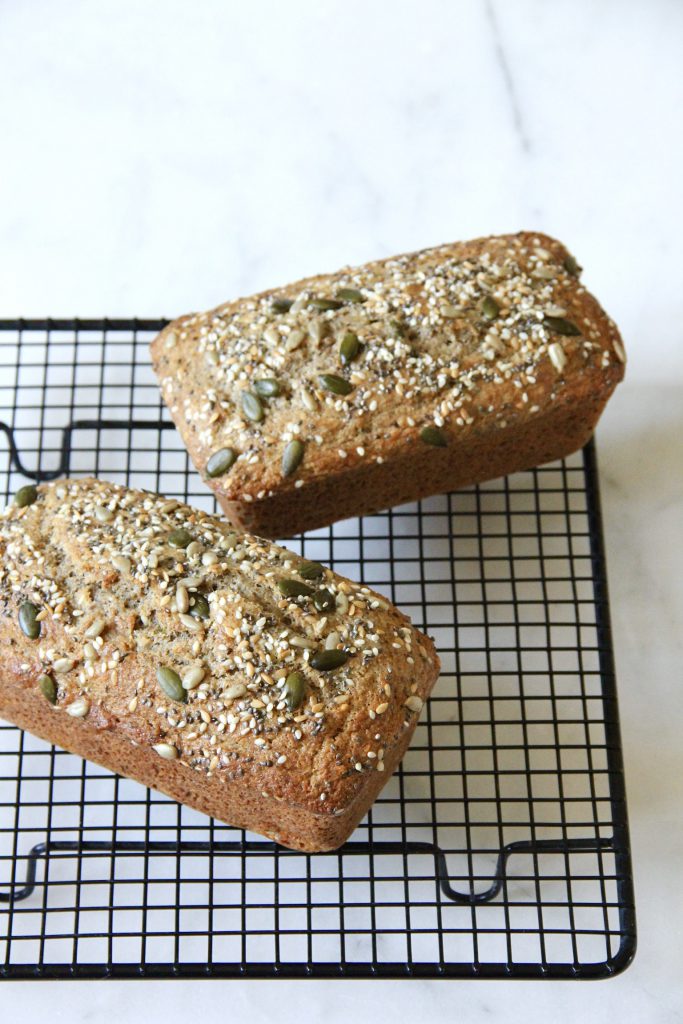
I love this recipe for using up bananas which are past their sell by date. Somehow, you can never quite have the right number of bananas. It’s either too few or too many. And whenever I have too many I either freeze them ready to make smoothies out of, or turn them into this lovely cake.
This originally was my mum’s recipe, but I’ve added a few twists which my mum has now incorporated herself. She used to use butter, but for speed and nutritional value, I switched it to extra virgin olive oil. At first she protested, then she baked her first loaf using it and was converted immediately, proclaiming how much easier it was in comparison to melting and cooling the butter. The recipe also happens to be so simple, and forgiving! If you don’t have some of the ingredients they’re easy to swap in and out, and you can change the flavour of your bread depending on what you have, or what you fancy. If you want something more fruity, substitute some of the seeds for dried fruits, or even fresh or frozen for a delicious burst of flavour.
I also use two different types of flour to help maximise the diversity of the foods I’m eating each week. Of course I won’t be having this every week, but when I do I’d like to think that I can still be good while being naughty. The same goes for the seeds. I use a wide variety and generally use a premixed packet and then add in whatever I think is missing.
This recipe can easy be multiplied up according to how many bananas you have, but a word of caution. When using a 2lb tin or larger, the centre of the cake can sometime fail to rise due to the density and weight. This banana bread is not light and fluffy like a traditional sponge cake. It is loaded with fibre from seeds and whole grain flours which help increase the nutritional content of this treat. If multiplying up you can try baking in multiple small tins or in individual cupcake cases – just alter the timings so that a skewer inserted into the centre comes out clean. Anything beyond what you want to eat fresh can be frozen – I slice my loaf and freeze it so I can pull out a slice or two depending on how many I need.
Serves 8
Ingredients
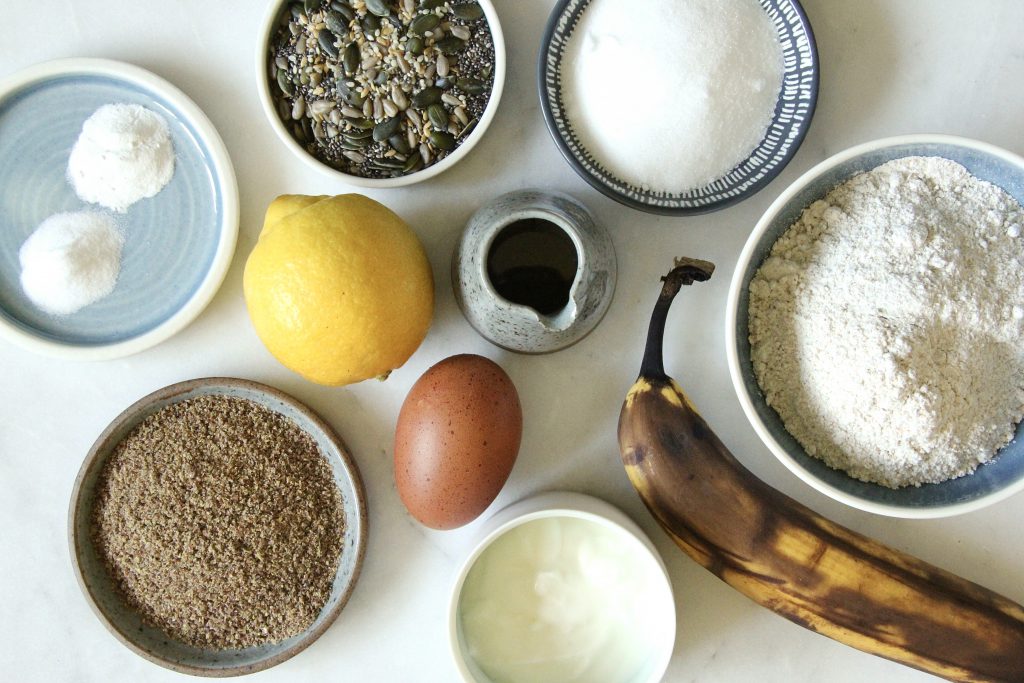
1 large ripe banana
80g dairy yoghurt (if using non-dairy add 10g extra fat)
Zest and juice of 1/2 an unwaxed lemon
1/2 tsp vanilla paste or essence
50ml EVOO
1 large egg
60g rye flour
60g spelt flour
20g ground linseeds
1/2 tsp baking powder
1/2 tsp bicarbonate of soda
50g caster sugar
40g mixed seeds + extra for sprinkling over the top
Method
Line a 1lb loaf tin and preheat the oven to 150°C fan/ 160°C convection
Mash the banana with the yoghurt, followed by all the remaining wet ingredients.
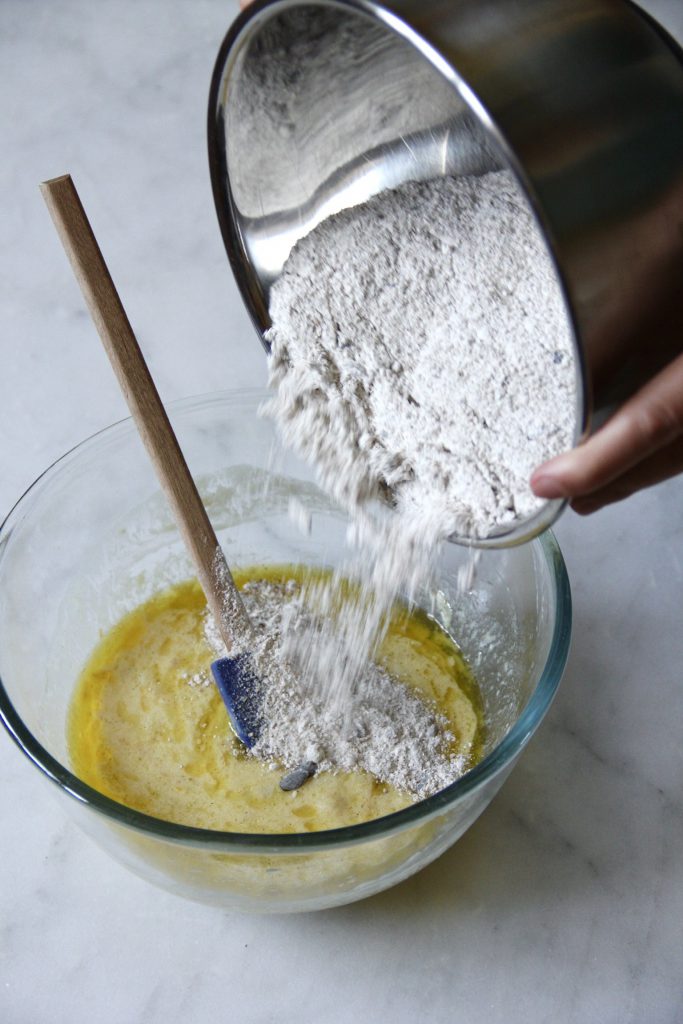
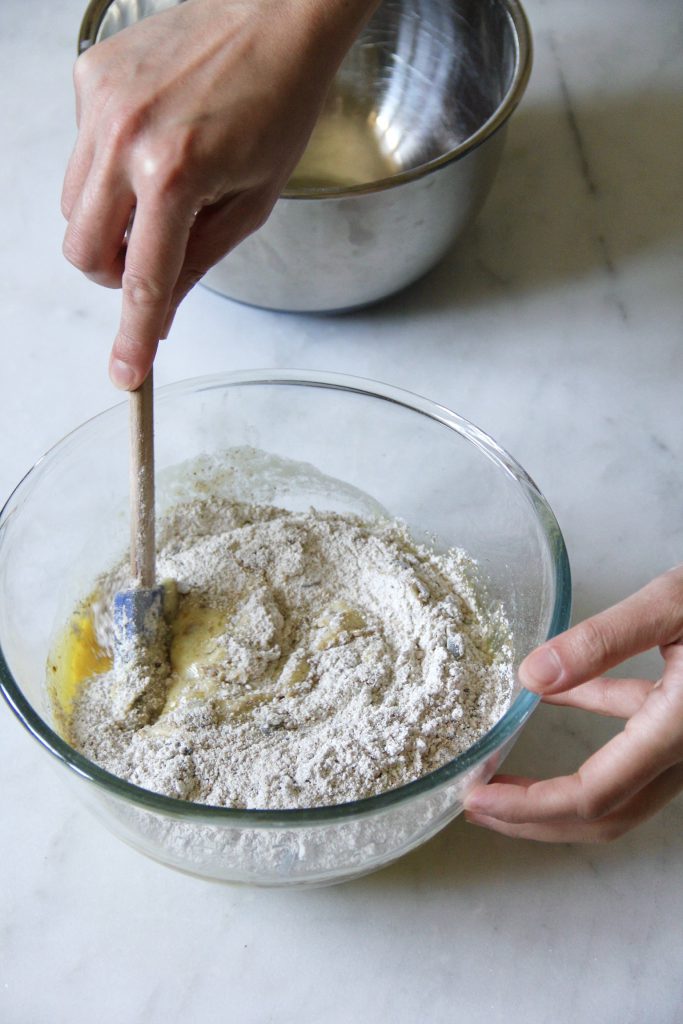
Mix all the dry ingredients together. Then combine with the wet ingredients and mix till combined.
Pour the mixture into the tin, sprinkle with seeds and bake for 35-40 minutes till a skewer inserted into the centre comes out clean.
Remove from the oven and turn out onto a wire rack to cool.
Per serving: 208kcal/ 10.5g fat/ 6.8g saturated fat/ 18.5g carbohydrates/ 3.5g fibre/ 5.5g protein
Blueberries have been shown to have health benefits for our hearts. So this St. Valentine’s Day why not treat the one you love to a heart healthy meal!
In a recent study published by the polyphenol research group at King’s College London, researched demonstrated that consumption of blueberries every day helped reduce endothelial function in healthy humans. Endothelial function is a marker of heart health
In addition, the same authors noted a decrease in systolic blood pressure of around 5 mmHg, about the equivalent shown in clinical trials using medical agents to lower blood pressure.
The only caveat to this research is that the study used wild blueberries, not commercially grown blueberries, so results might not be completely comparable when using shop bought berries. However, blueberries can be part of a healthy diet and there is no reason not to include them in your diet, and in addition there are lots of other important nutritional factors found in blueberries including fibre, vitamins and minerals which contribute to a healthy diet.
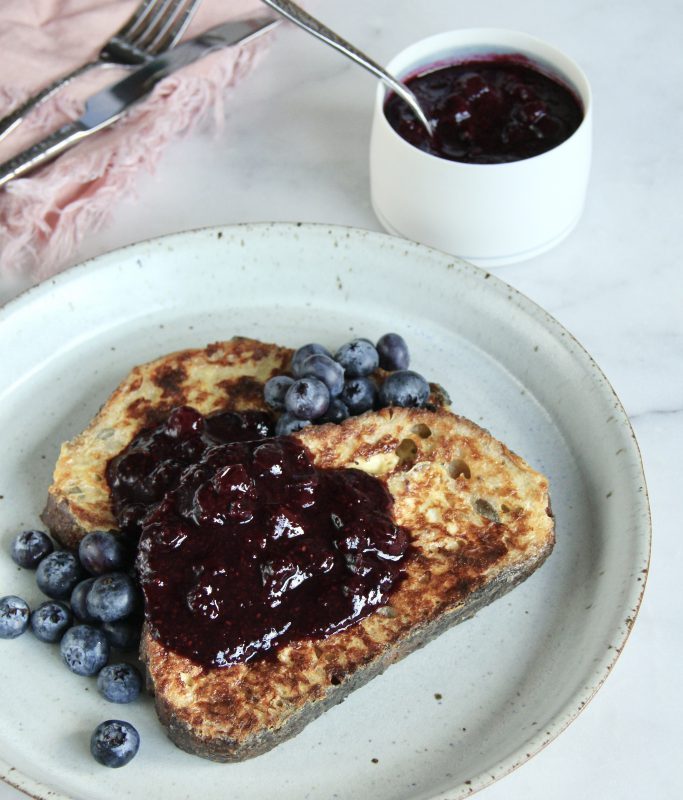
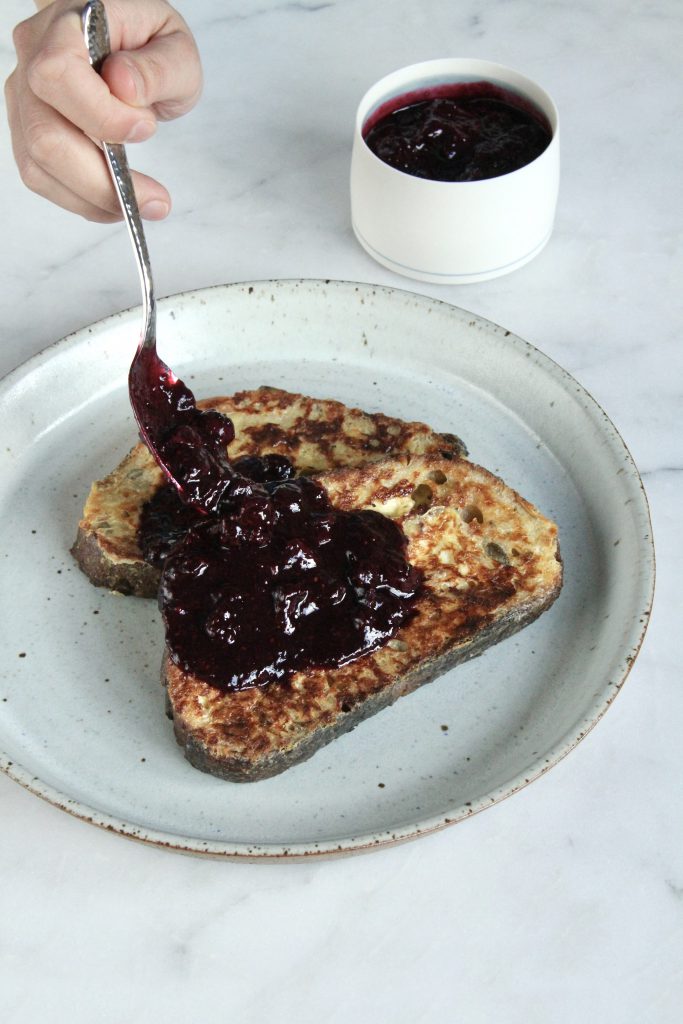
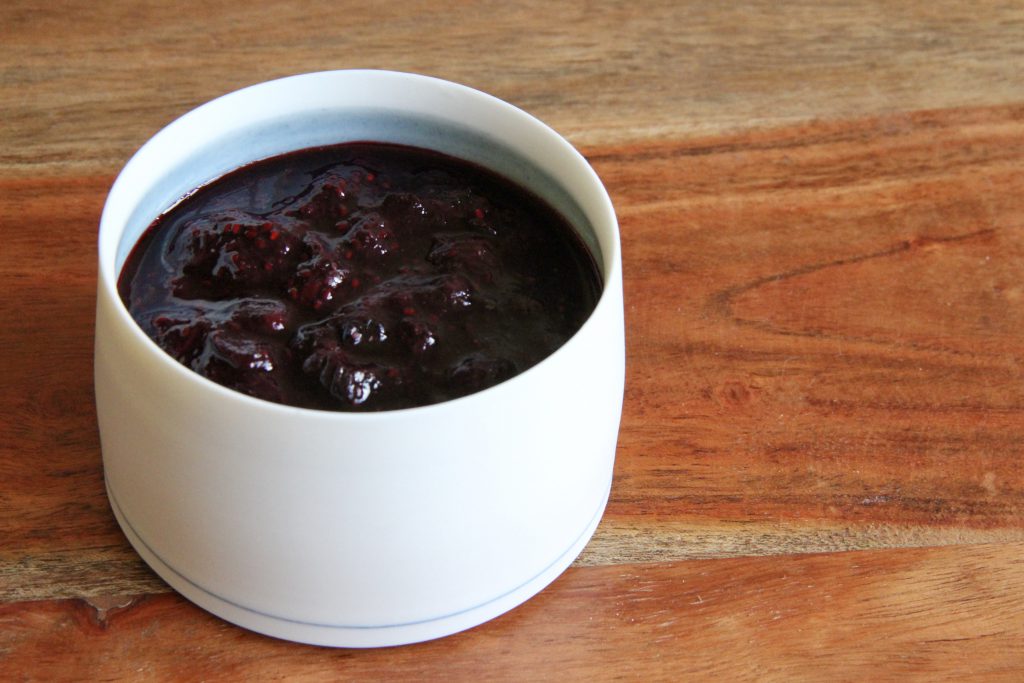
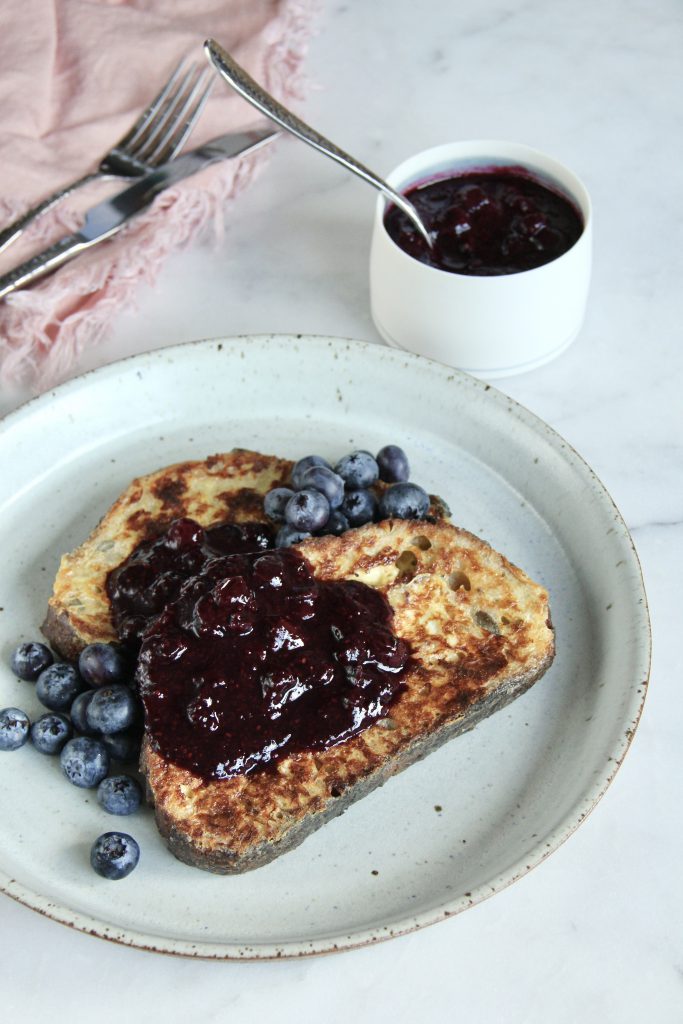
My easy blueberry compote takes just 5 minutes and only uses 3 ingredients. In addition you can store it in the fridge for a week, or freeze in portions ready to use at short notice.
Recipe
250g fresh or frozen blueberries
1 tsp honey
10g chia seeds
Method
Place the blueberries and honey into a pan and cook on the lowest heat on your hob, stirring occasionally. Cook for around 4 minutes till all the blueberries have burst open.
Remove from the heat and add the chia seeds. Stir in and allow to thicken for 1 minute.
Delicious served on top of porridge for breakfast, with yoghurt for a quick pudding, or with French toast for brunch as I have done.
Per serving 115kcal/ 1.8g fat/ 0.3g saturated fat/ 41.2g carbohydrates/ 4.7g fibre/ 1.8g protein
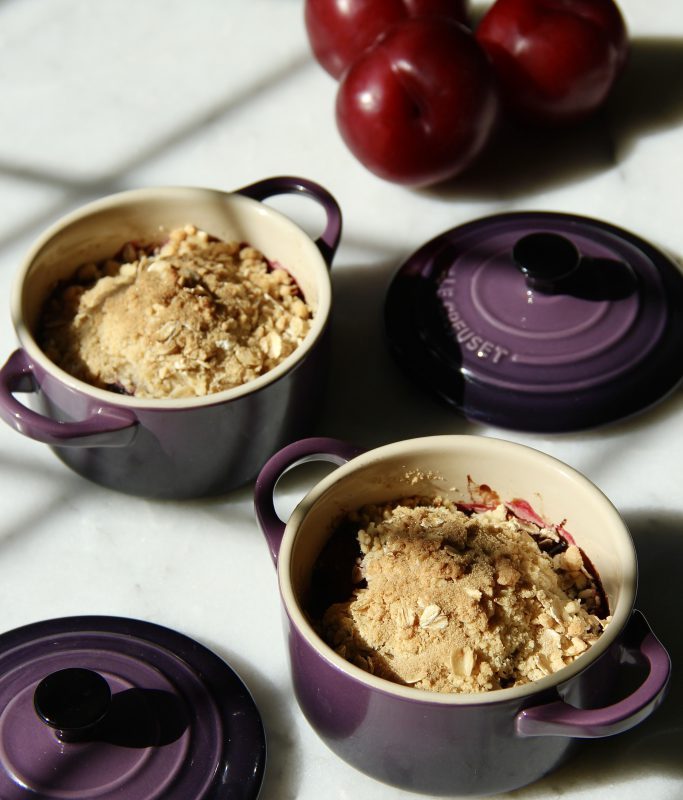
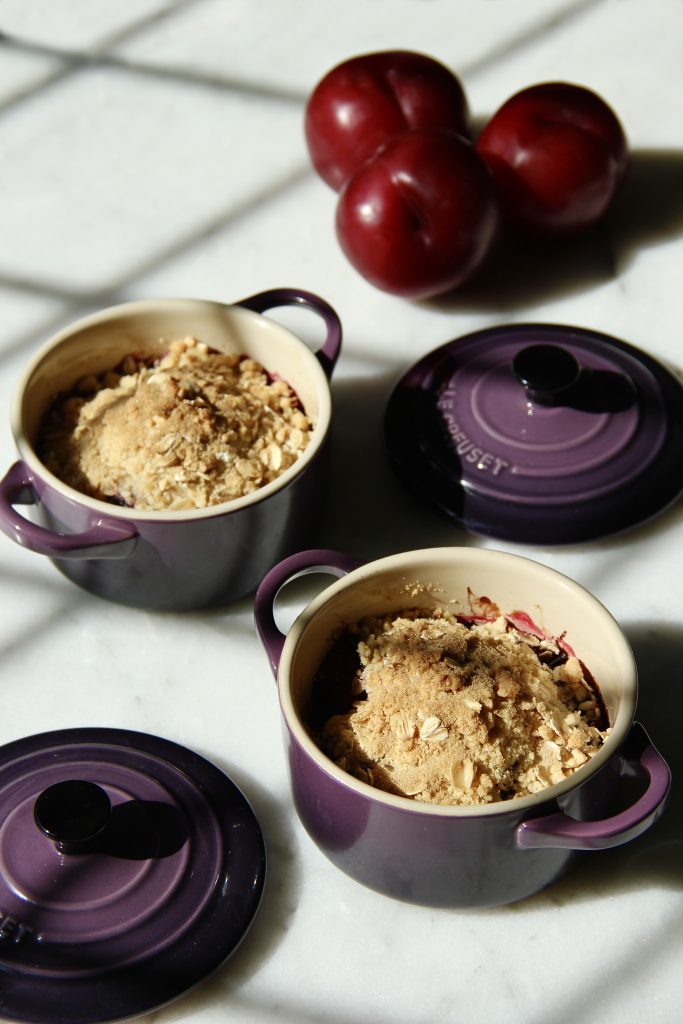
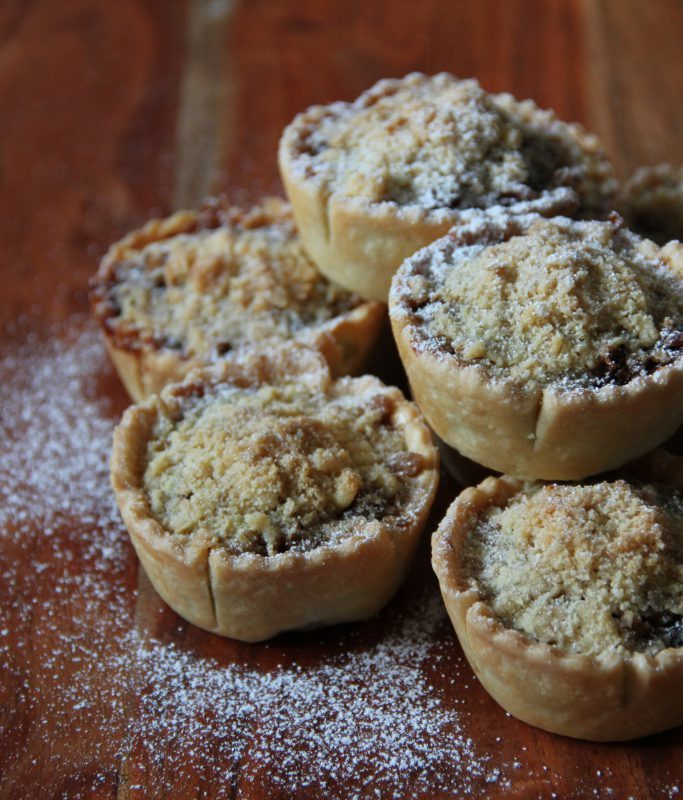
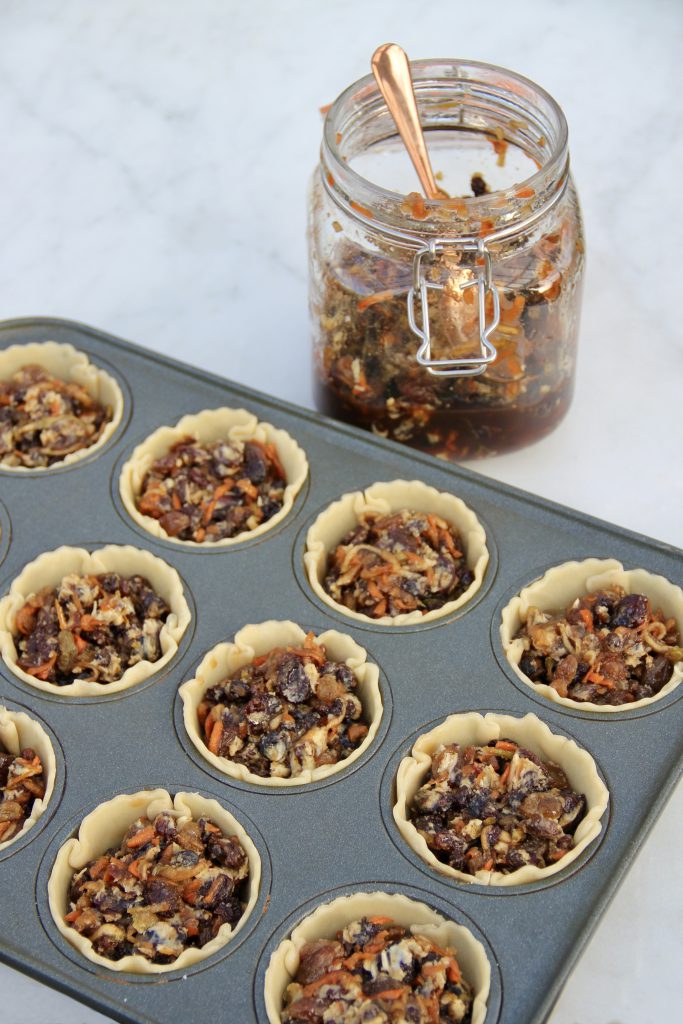
Whether you made your own mincemeat or not, there are still ways to help increase the diversity of plant fibres in your mince pies. You could try adding in some extra dried fruit to bought mincemeat, zesting in some clementine zest, or try adding carrot like in my own mincemeat recipe. And you don’t have to stop there, you can even change the pastry!
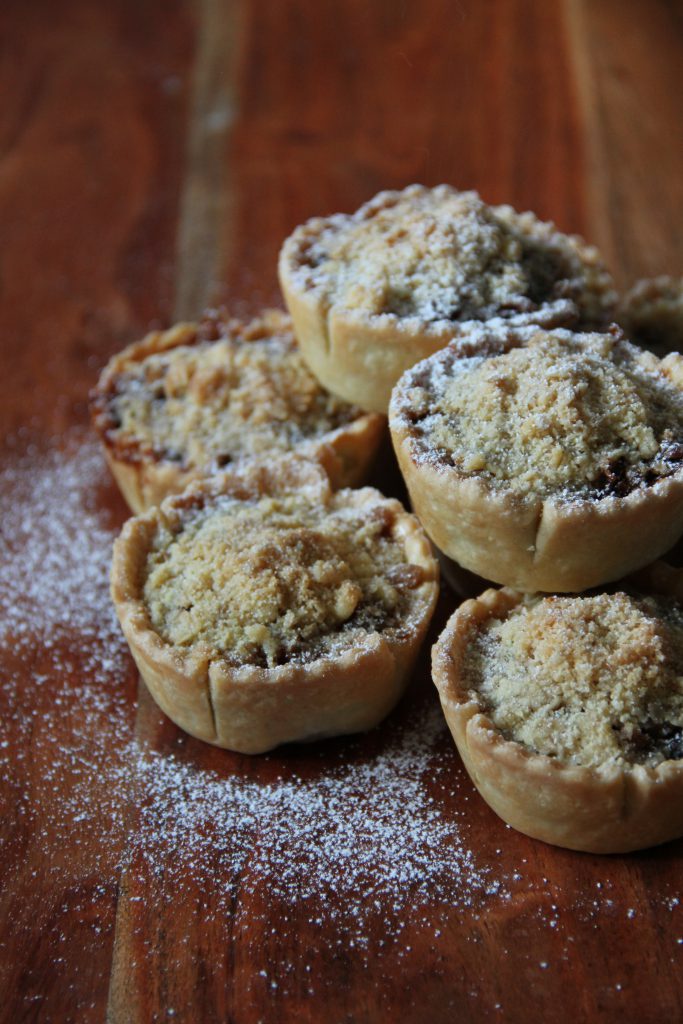
In my recipe, I use a mixture of shortcrust pastry to stay
traditional, but use a crumble topping instead, keeping it lighter, but also so
it allows me to include more plant sources. I use both oats and ground almonds
in my crumble.
Each of my mince pies contains around double that of shop bought mince pies. I always find it harder to include fibrous foods over the festive period as there are so many treats to eat! My homemade mince pies contain 8 different source of plant-based goodness, and research shows those who eat 30 or more different sources of plant-based foods per week have an increased variety of gut microbiota in comparison those who eat 10 or fewer different sources. So feed your microbiome!
These mince pies are delicious served warm with vanilla
custard, a true Christmas time treat.
If you want to make vegan mince pies, use a pre-made
vegetable oil based shortcrust pastry and top with the crumble mixture
substituting the butter for rapeseed oil.
Makes 12 deep-filled mince pies
Recipe
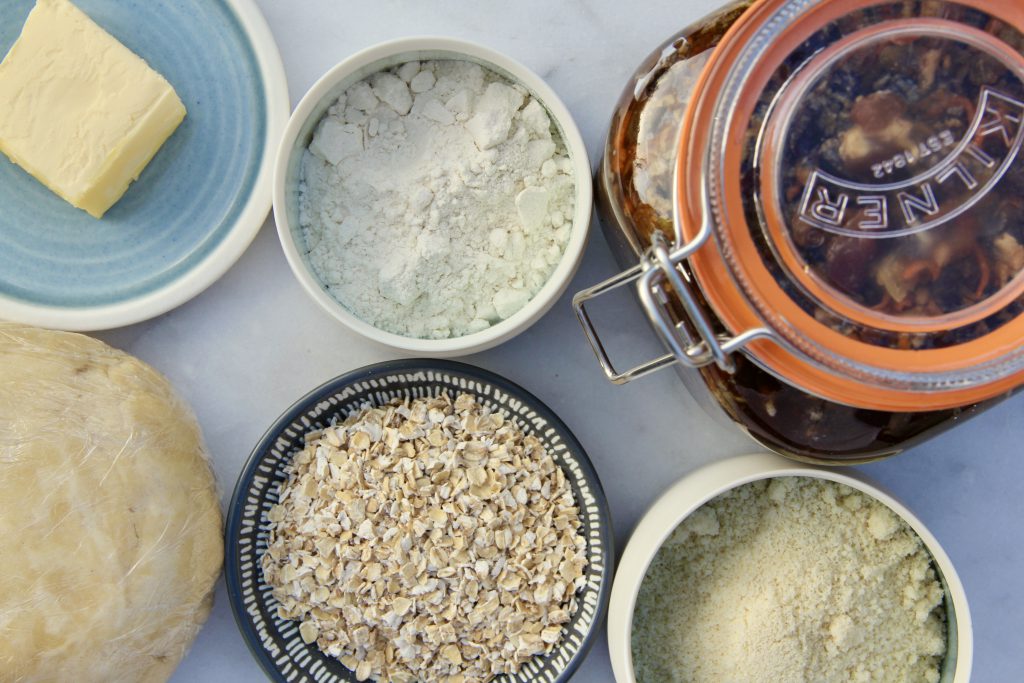
750g mincemeat, shop bought
or homemade
Short crust pastry, either
bought or homemade (see below)
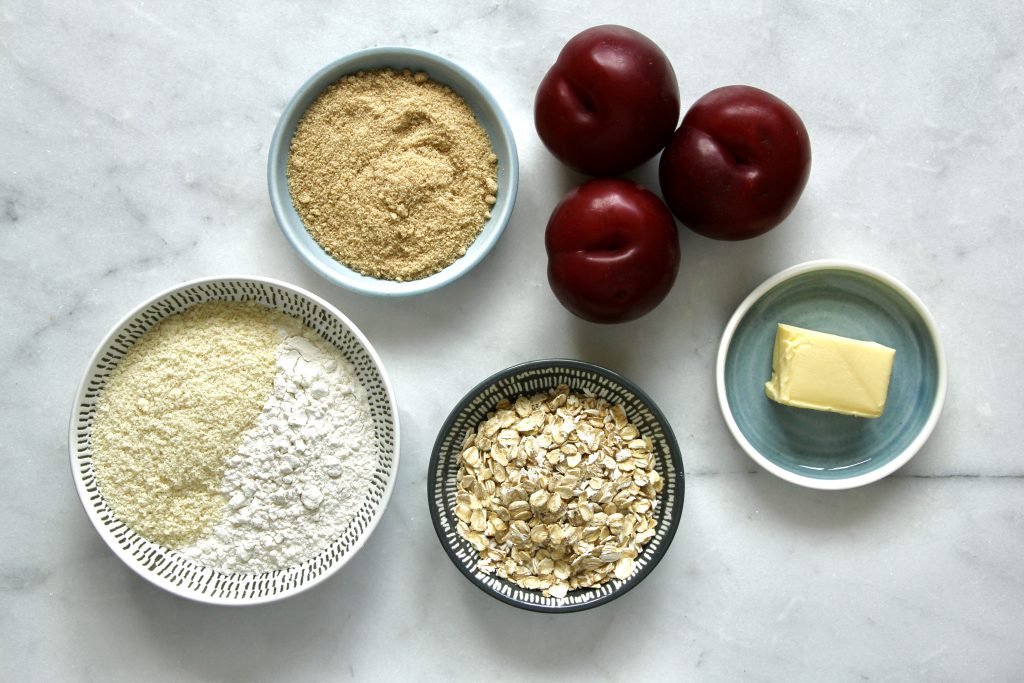
75g plain flour
50g fridge cold butter
25g rolled oats
50g ground almonds
25g soft light brown sugar
Method
Preheat the oven to 200°C/180°C Fan
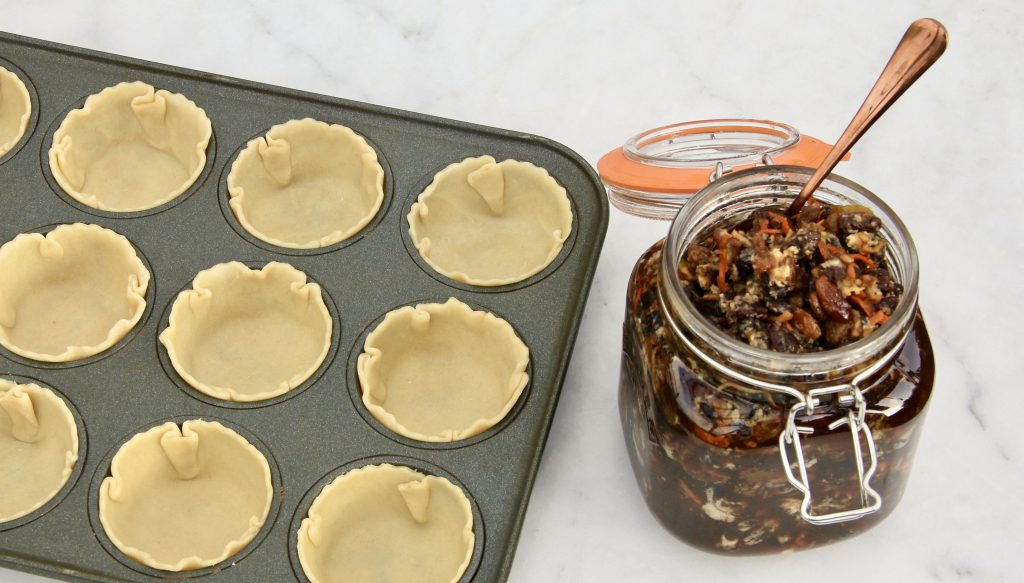
Roll the pastry out to 2mm, around the thickness of a 2p coin.
Cut disks of pastry out to 11-12cm diameter and line a muffin tray.
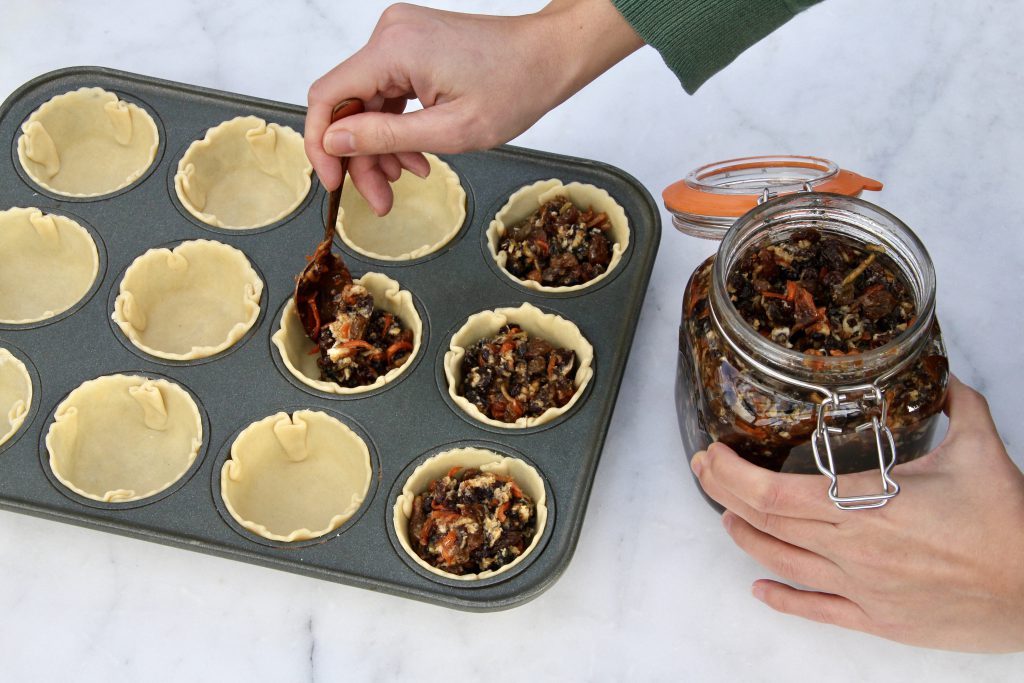
Fill each case with mincemeat, leaving a little gap at the top.
Make the crumble topping by mixing the flour and butter together until the mixture resembles fine breadcrumbs.
Add the oats, almonds and sugar and combine.
Top each mince pie with a spoonful of the crumble topping*.
Bake for 22-25 minutes till golden brown.
Cool on a wire rack
To make your own shortcrust pastry combine 225g plain flour
with 100g cold butter till it resemble bread crumbs. Add just enough cold water
to form a dough. Wrap and rest it in the fridge for 30 minutes before rolling.
Mince Pies
Per Mince Pie 327kcal/ 13.7g fat/ 4.5g saturated fat/ 48.1g carbohydrates/ 2.5 fibre/ 3.2g protein
Homemade mince pies are something special at Christmas. Taking it one step further and making your own mincemeat means you can decide what goes in. For me, shop bought mincemeat sometimes feels like it’s missing some of the fruit. Making your own mincemeat is so quick, and I guarantee the flavour will be so much better than the shop bought stuff, and it’s ready to use in just 24 hours so there’s no excuses for not making your own!
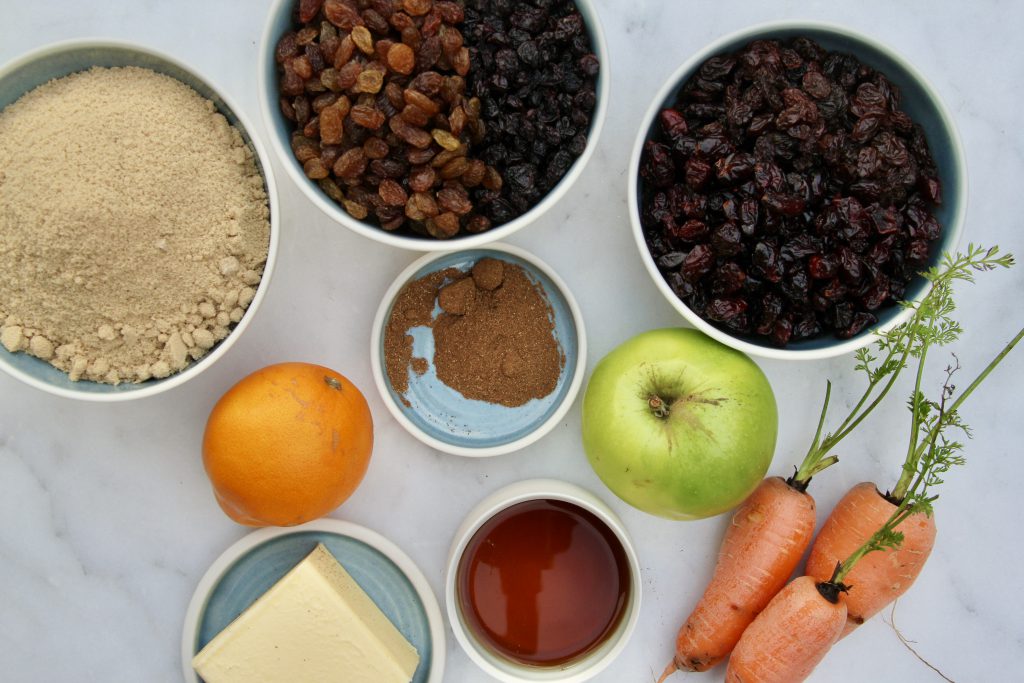
Mincemeat Ingredients
I use butter rather than suet in my recipe. I think this gives a much richer flavour, and is also vegetarian friendly. You’ll also see I don’t stop at just fruit. A sneaky carrot also makes it into the mix in my version. This is great for increasing the diversity of plant fibres in this recipe, which we know can be beneficial for your gut microbiota and gut health in general. Why not treat your microbes this Christmas too!
Overall this basic mincemeat recipe uses 6 different plant-based fibre sources, alongside mixed spice. You can substitute different fruit in depending on your taste, for example cherries, apricot or mixed peel.
A generous swig of cognac
Makes enough mincemeat for 24 deep filled individual mince pies
Recipe
200g sultanas
200g raisins
200g currants
100g dried cranberries
1 large carrot (or 3 small
like my allotment carrots!)
1 cooking apple
350g soft light brown sugar
175g fridge cold butter
(option to use vegetarian suet to make vegan, or to be a traditionalist and use
beef suet)
2 tsp ground mixed spice
1 organic orange
100ml cognac, brandy,
whisky or rum
Method
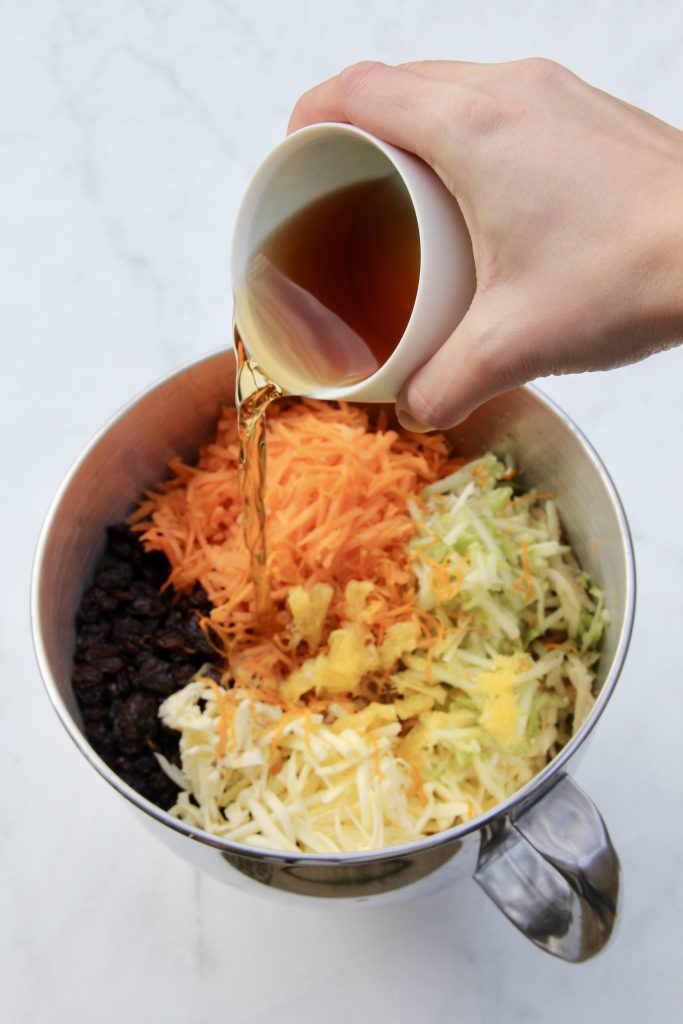
Coarsely grate the apple, carrot and butter.
Zest and juice the orange, taking as much of the segment flesh as possible.
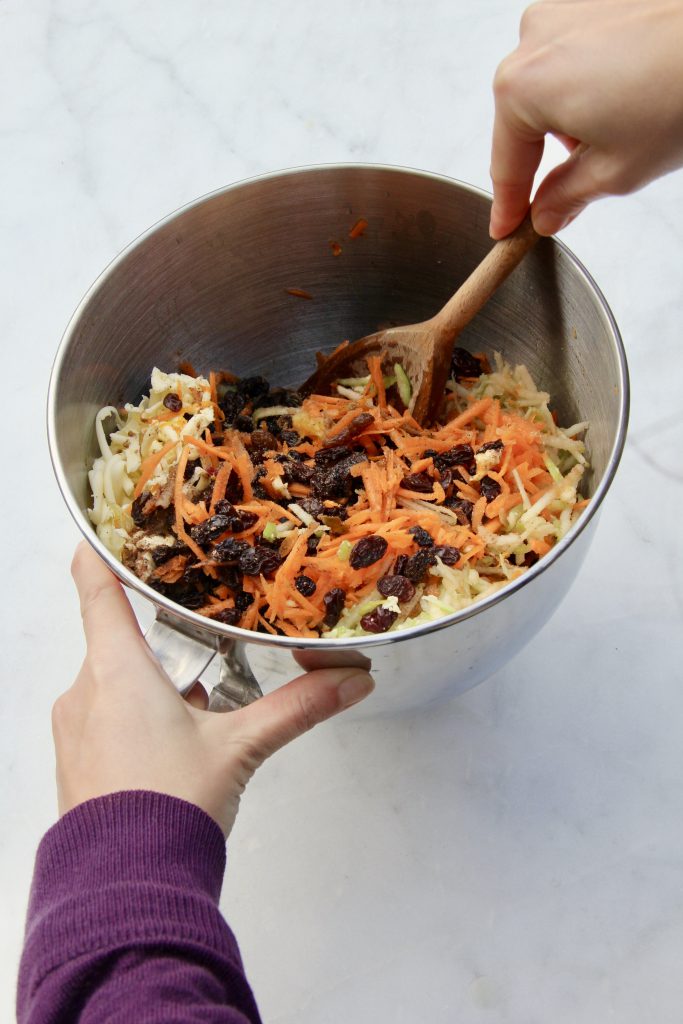
Put all the ingredients in a large bowl and mix together. Set aside covered with a tea towel.
Stir occasionally for the next 24 hours.
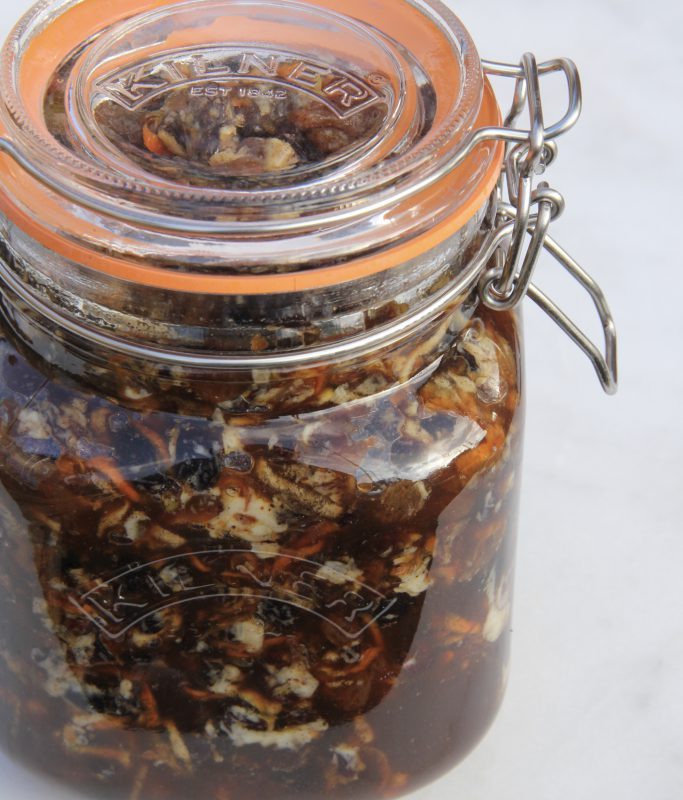
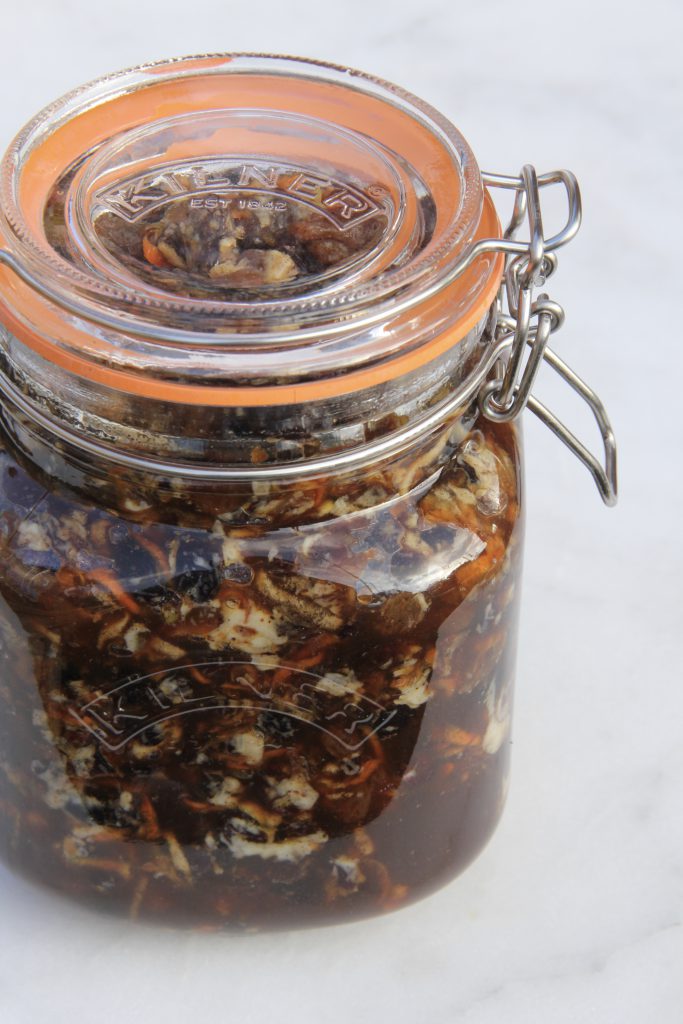
Fill previously sterilised jars with the mincemeat, ensuring to push out all the air.
Seal and leave in a cool dark place for up to 6 months to mature.
Per 100g 304kcal/ 9.2g fat/ 5.9g saturated fat/ 49.5g carbohydrates/ 2.8g fibre/ 1.4g protein
 Dr Pippa