Fresh Egg Pasta

Think making your own pasta is hard work and requires fancy equipment? Think again. All it takes is flour really, however I use an egg as my liquid as I always have them thanks to the girls, and it adds a lovely golden colour. If you don’t eat eggs, substitute with either water, or try using roasted and puréed vegetables as the liquid portion.

Roughly speaking, 1 egg will give you enough pasta for 1 person as a main. I always weigh my eggs as I get widely varied egg sizes. This way I know that my pasta dough won’t be either too wet or too dry. If you make too much pasta dough, you can either store it covered int he fridge for a couple of days, freeze it as a block ready to shape at a later date, or you can shape and dry it and treat it like dried pasta when you cook it.

For a full length video visit my channel on YouTube.
Recipe

  • Eggs (water or even vegetable purée)
  • Flour, ideally “00” pasta flour or semolina, but any will do

Method

  • Weigh the cracked eggs in a bowl. Then weigh 1.5 times the weight of the eggs in flour onto the worktop.
  • Make a well in the centre of the flour and add the liquid. Slowly incorporate the flour into the liquid using your hands, a fork or a bench scraper, whatever you have.
  • Once all the flour is incorporated, start the knead the dough. Notice at the start the rough texture of the dough. After 5-10 minutes of kneading the dough should be smooth and elastic. Cover and rest in the fridge for 30-60 minutes.
  • Use a little extra flour to stop the dough from sticking and roll it out on your work surface. To make long ribbons roll the dough as thinly as possible. Dust the pasta with flour and fold in half. Dust again and fold in half again across the same plane. Using a sharp knife cut ribbons of pasta to your desired width. Immediately unravel the strands ready for cooking.
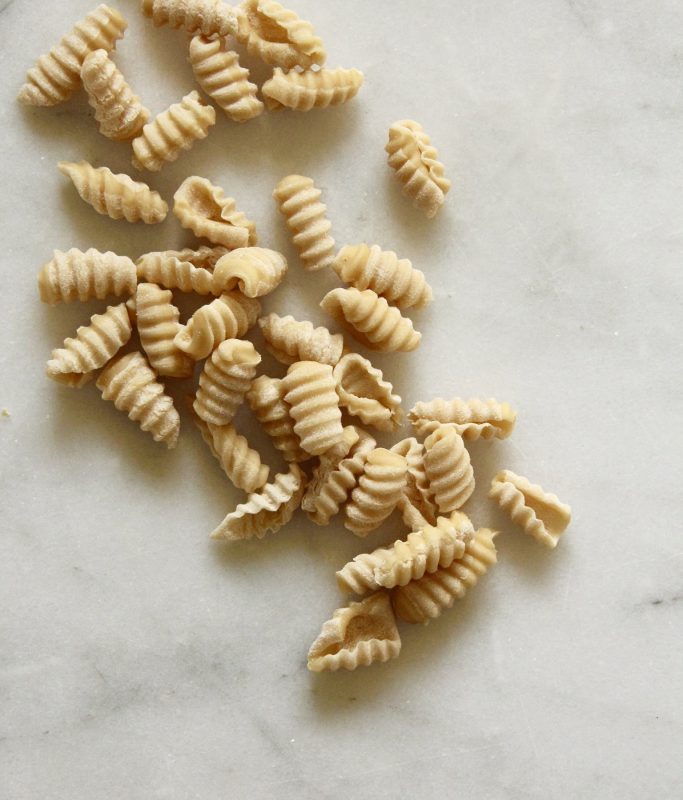
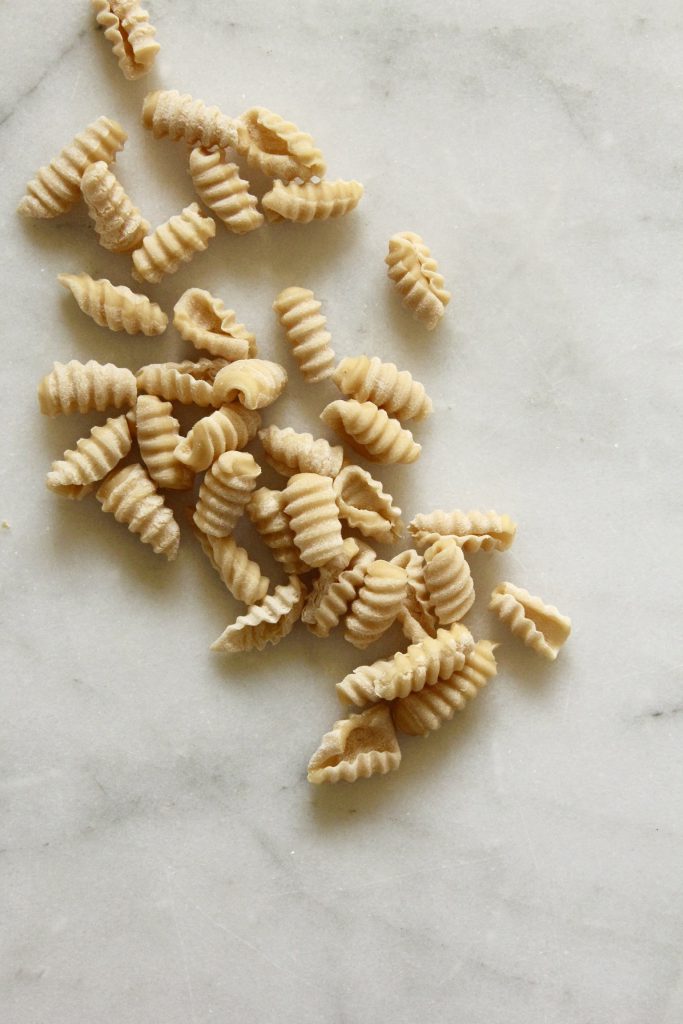
  • To make cavatelli, roll the dough out in thick strands and cut into pillow shapes. Alternatively roll the dough out in a round to the thickness of a pound coin before cutting into small squares with a sharp knife. Using a gnocchi board*, roll a piece of rough under your thumb over the board so it curls and takes the impression of the ridges. Alternatively you can do this across your work surface using your thumb or a knife.
  • Bring a large pan of salted water to the boil. Dust off any excess flour and add to the pan. Boil for 4-8 minutes depending on the thickness of your pasta. It should have a firm centre like al dente pasta.
  • Serve immediately.

*Don’t have a gnocchi board? Why not substitute in a sushi mat, or the fine side of a grater, or make your own by using a board with some skewers held in place with some elastic bands.
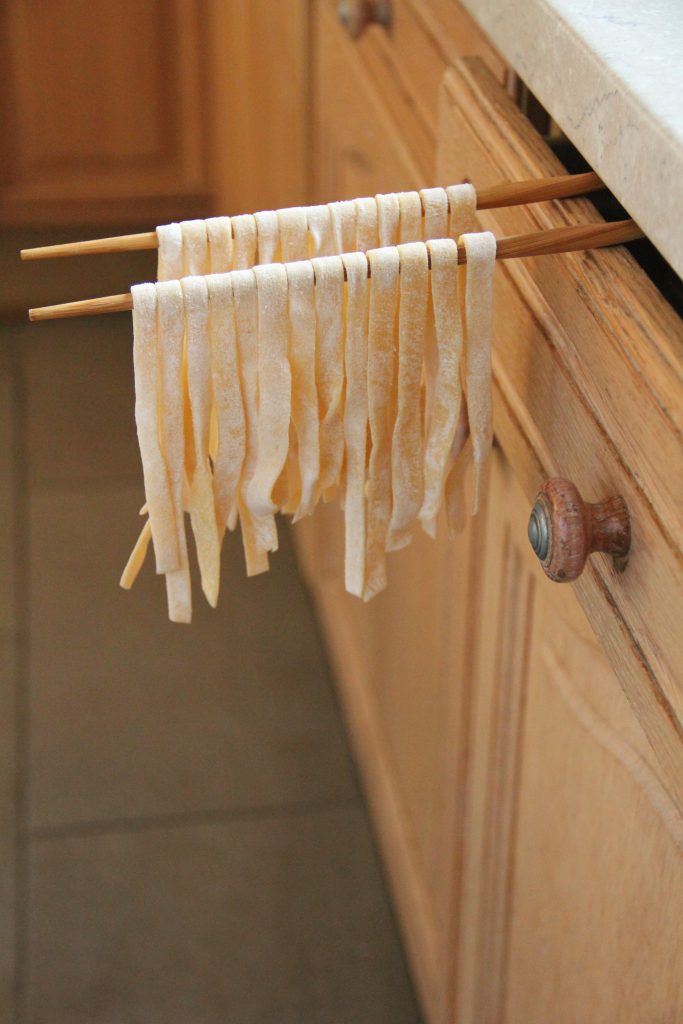
Isn’t this how everyone dries their pasta?

No Yeast Pizza

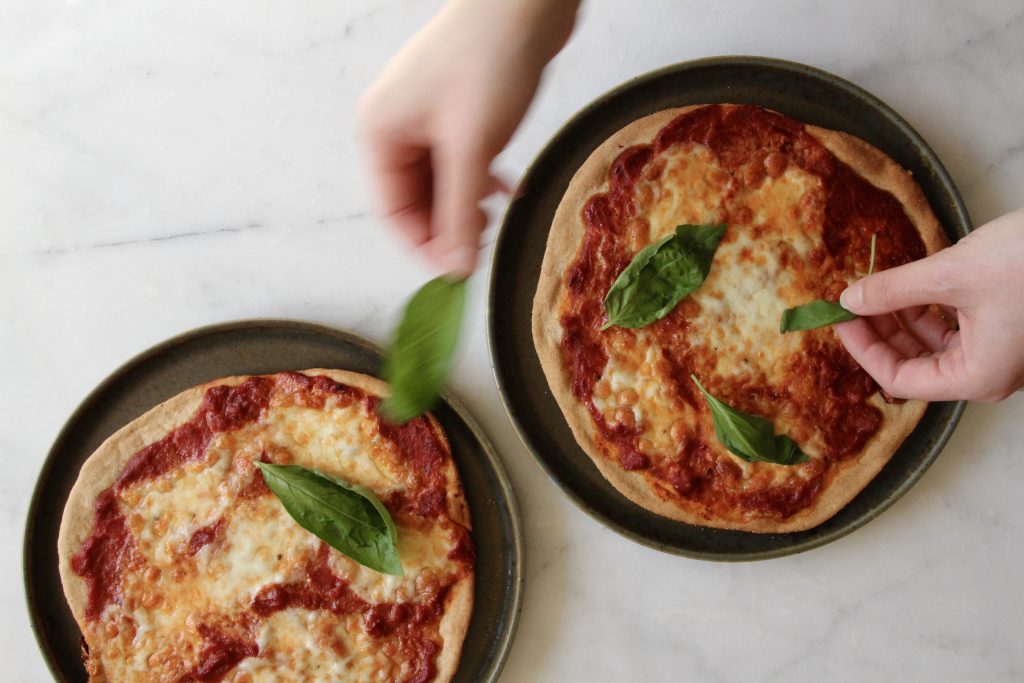
I love pizza, and while I would normally make my pizza base with sourdough, sometimes I don’t have the time to wait for the yeast to work its magic. So I use a quick flatbread base as a substitute, ready in 15 minutes.

Using wholemeal flour in the base helps increase the fibre content. Using half wholemeal gives each pizza 8.1g fibre, whereas using white flour will provide you with 4.2g fibre. This is also with just the basic toppings of tomato and cheese. Consider increasing fibre diversity by adding more vegetables, or fruits if you’re not adverse to it, as extra toppings. My favourite is roasted Mediterranean vegetables with smoked mozzarella, instead of normal, and lashings of basil.

Ingredients

  • 200g tinned tomatoes
  • 1/2 tsp EVOO
  • 1 tbsp tomato puree
  • 1/4 tsp dried herbs
  • 100g self-raising flour
  • 100g wholemeal flour
  • 3/4 tsp baking powder
  • 1/2 tsp EVOO
  • 200g yoghurt
  • 1 ball of fresh mozzarella
  • Fresh basil leaves

Method

  • Preheat two baking trays in the oven set to maximum.
  • Add the tinned tomatoes, 1/2 tsp EVOO, tomato puree and dried herbs into a pan and allow to gently simmer till reduced in volume. Season to taste.
  • Meanwhile, mix the flours, baking powder, 1/2 tsp EVOO and yoghurt together till a soft dough is formed. You may need to add 1-3 tbsp water to get a dough depending on the flour used. Knead for a few minutes till smooth.
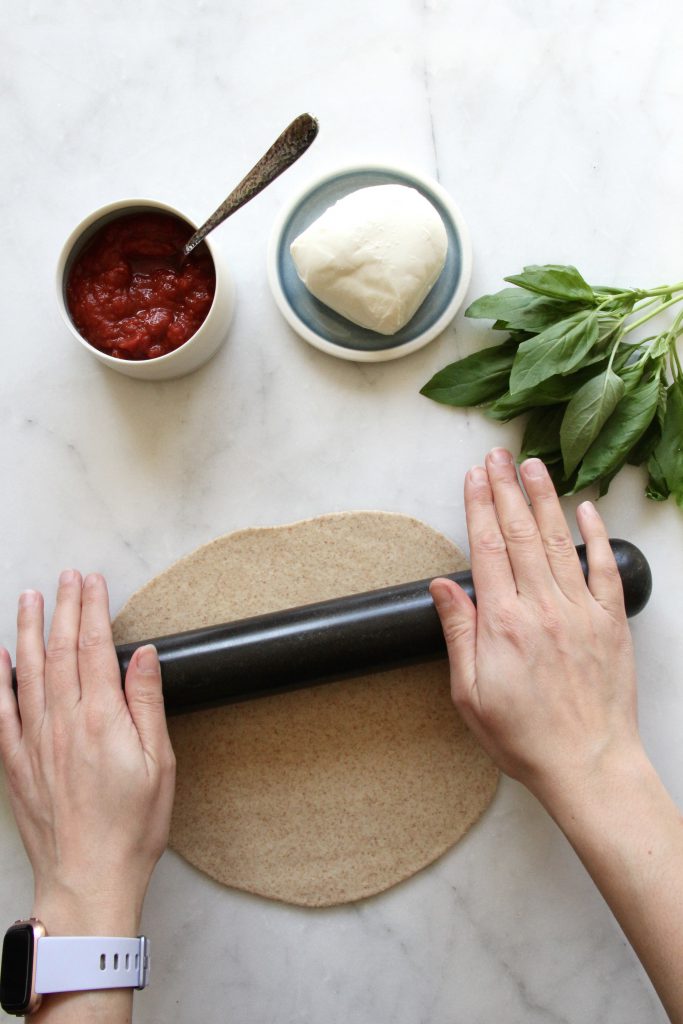
  • Divide the dough into two, and roll out till the thickness of a pound coin, using a little extra flour if needed. Place on a piece of baking parchment.
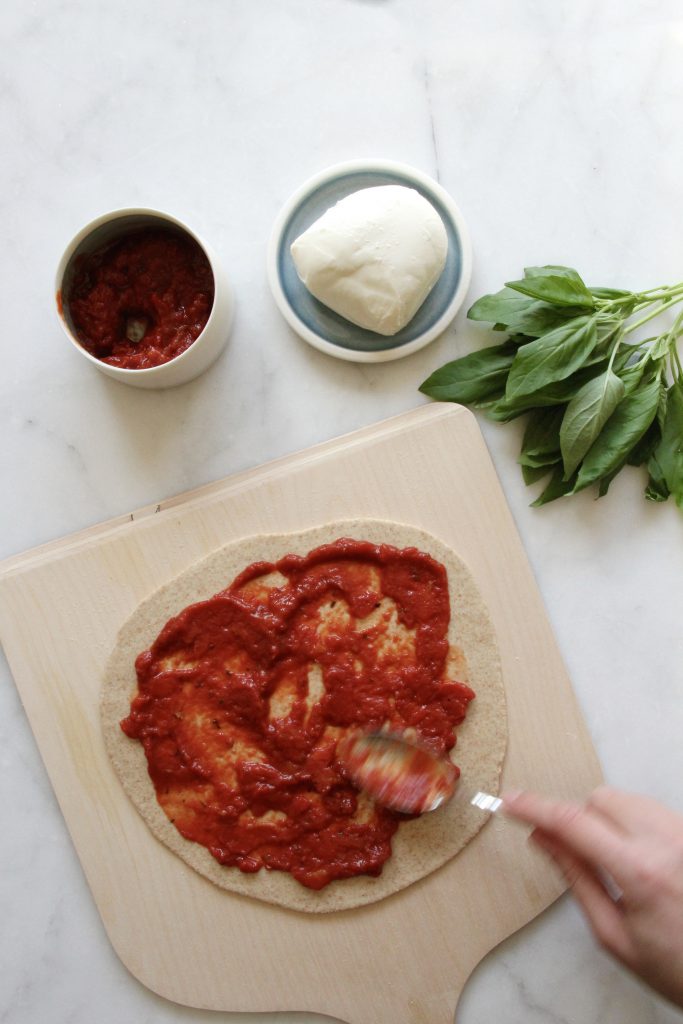
  • Take half the tomato sauce and spread it over a base, keeping a rim of dough clear.
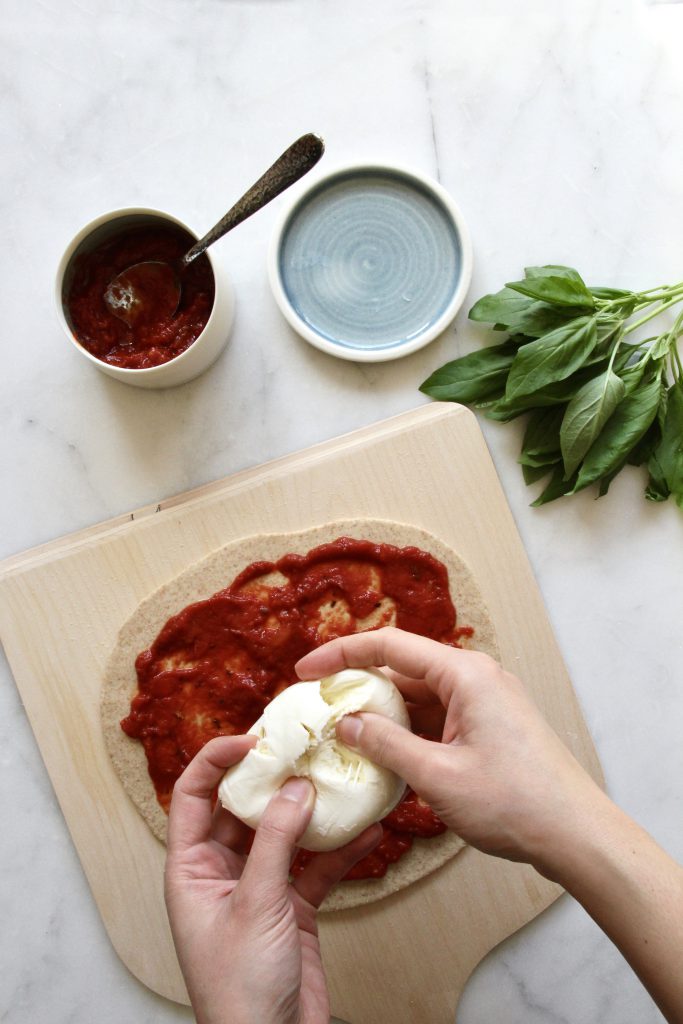
  • Take half the mozzarella, roughly tear and place around the tomato sauce, again keeping clear of the sides. Repeat with the second dough ball. Option to add further toppings here.
  • Place on the preheated baking sheets and reduce the temperature to 220°C fan/230°C convection and bake for 8-10 minutes till the edges are golden brown and the cheese is bubbling.
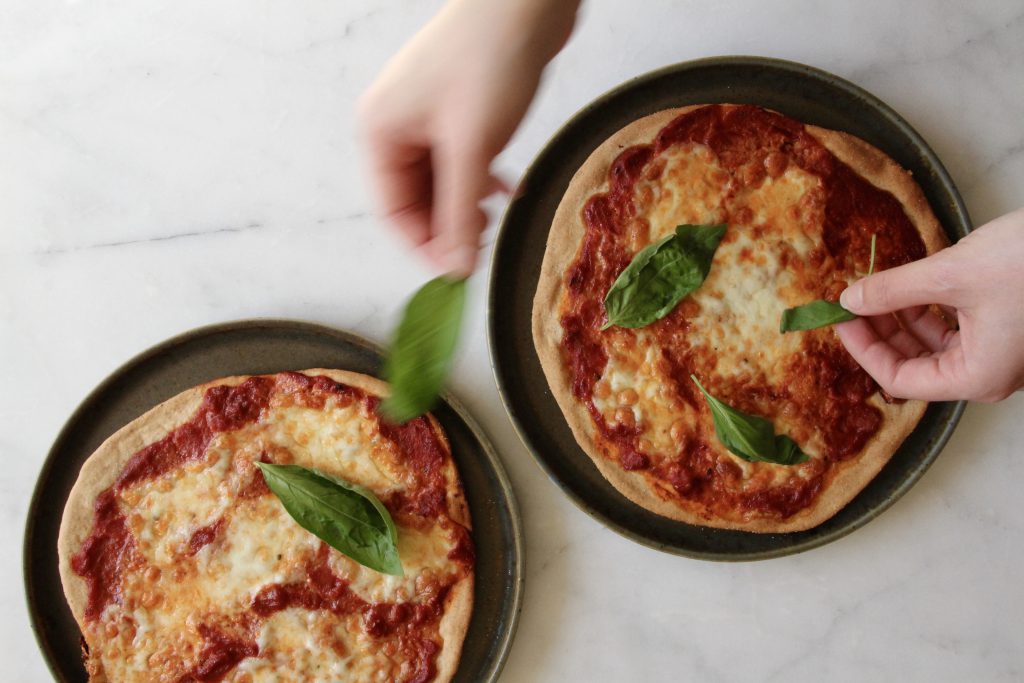
  • Remove and top with fresh basil leaves. Best eaten immediately.

Per serving: 671kcal/ 26.3g fat/ 15.7g saturated fat/ 79.9g carbohydrates/ 8.1g fibre/ 27.5g protein

Jerusalem Artichoke and Carrot Soup

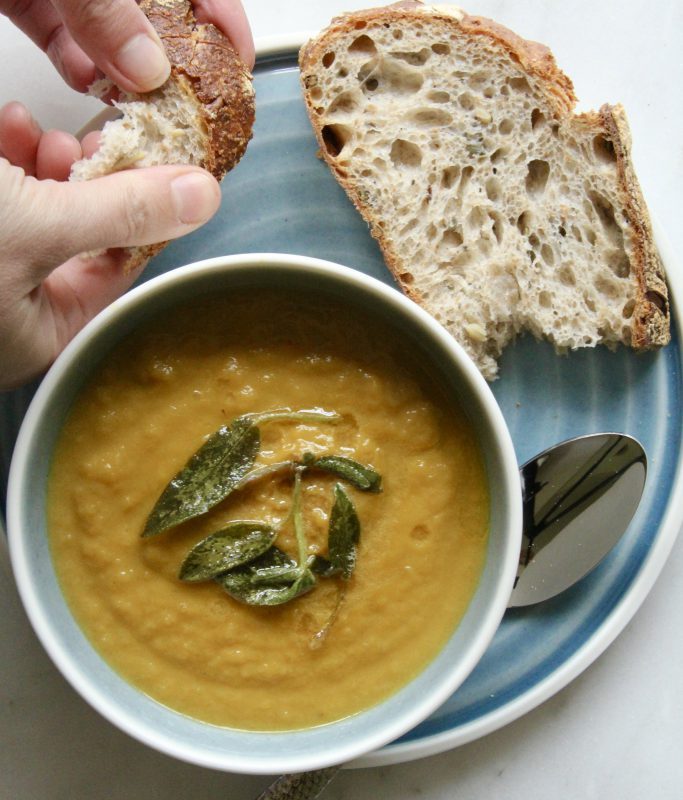
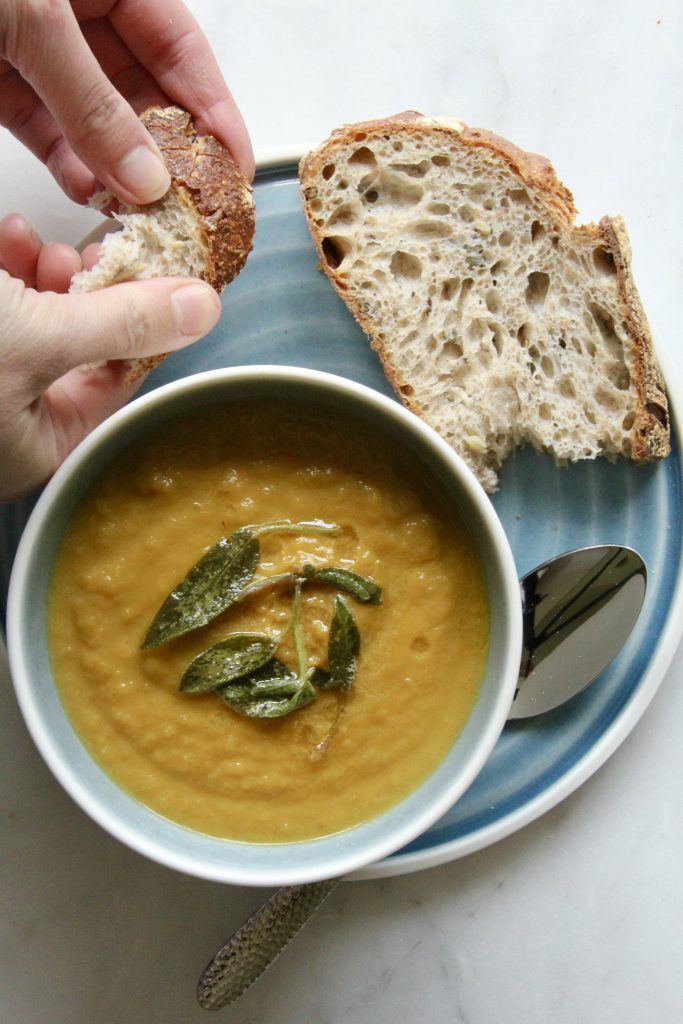
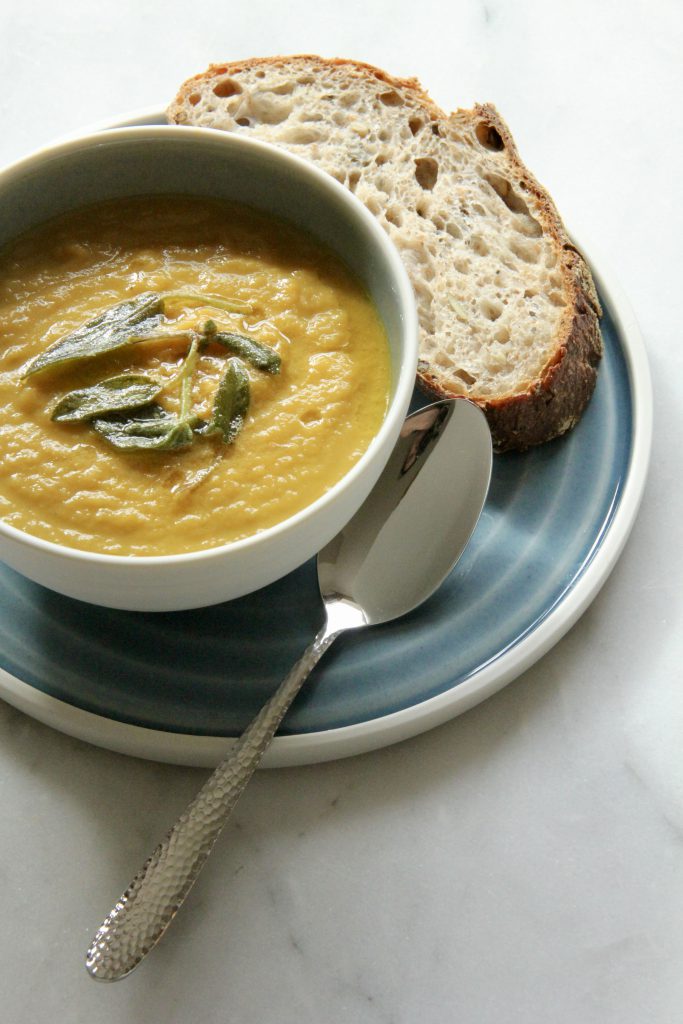
Jerusalem artichokes are high in prebiotic inulin, which gives rise to their nickname of fartichokes! They are delicious and earthy, and are surprisingly versatile. Treat them like a potato; boiled, mashed, roasted or sautéed in a pan. Additionally they can also be treated like a water chestnut, eaten raw grated over salads or quickly cooked in a stir fry so they maintain a crunch. Get them while you can, they go like hot potatoes and are only in season during winter months.

Serves 4

Recipe

  • 1 tbsp rapeseed oil
  • 1 onion, finely diced
  • 4 sticks celery, finely diced
  • 4 garlic cloves, finely sliced
  • 500g Jerusalem Artichokes, peeled and roughly chopped
  • 4 carrots, roughly chopped
  • 10g stock powder
  • 10 sprigs thyme
  • 850ml water

Method

  • Gently fry the onion in the oil till soft and translucent. Add the celery and garlic and cook for a further 2 minutes without browning.
  • Add the artichokes, carrots, thyme, stock and water and bring up to a gentile simmer for 20 minutes. Remove any hard herb stalks.
  • Remove from the heat and bend till smooth.

Optional extra: gently fry sage leaves in butter or olive oil till crispy and serve over the top.

Per serving 144kcal/ 4.5g fat/ 0.6g saturated fat/ 23.8g carbohydrates/ 7.3g fibre/ 3.5g protein

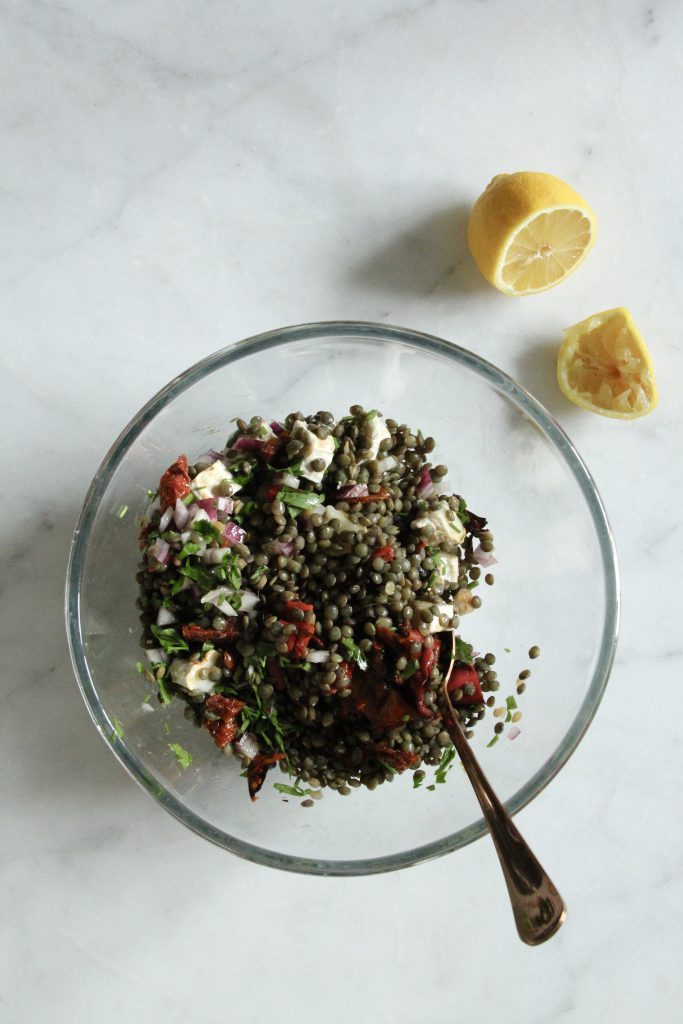
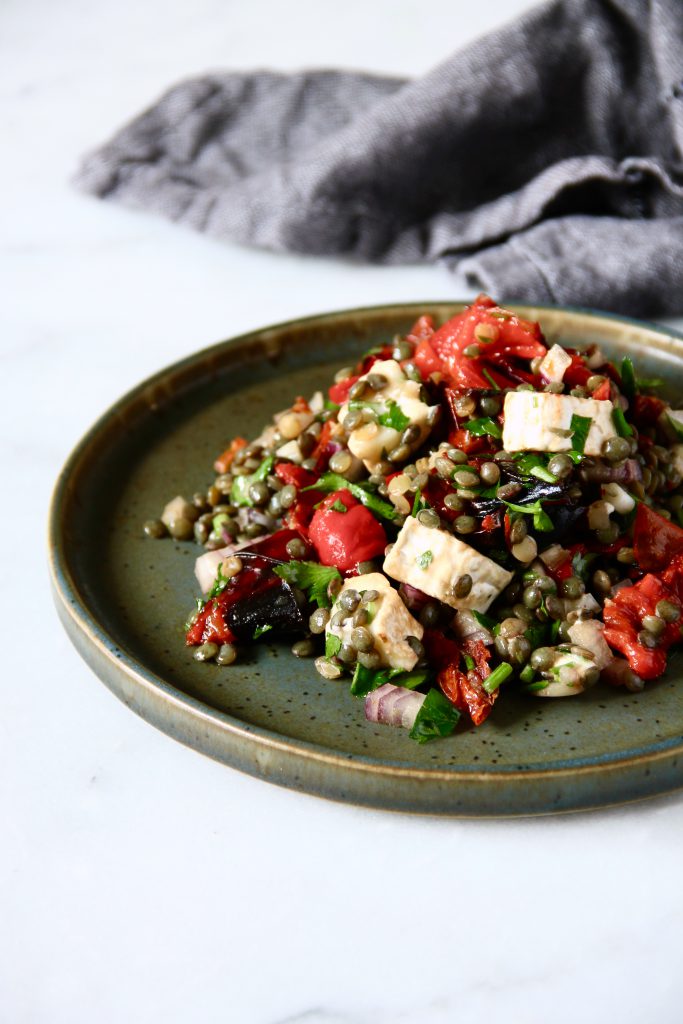
Red Pepper and Goat’s Cheese Salad

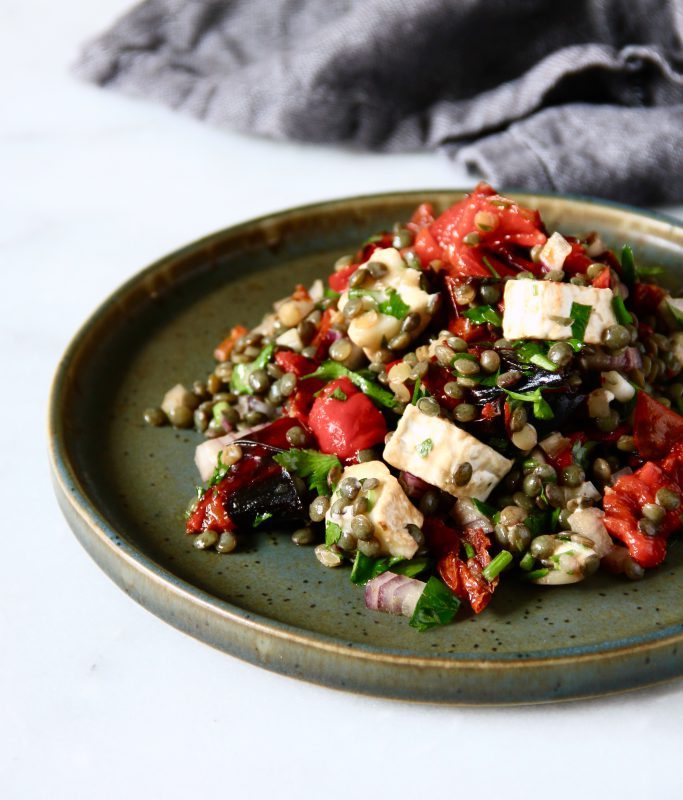
This recipe is adapted from the Meat Free Monday cookbook. I don’t think I could have assembled the ingredients any better than them, so, as they saying goes, if it ain’t broke, don’t fix it.

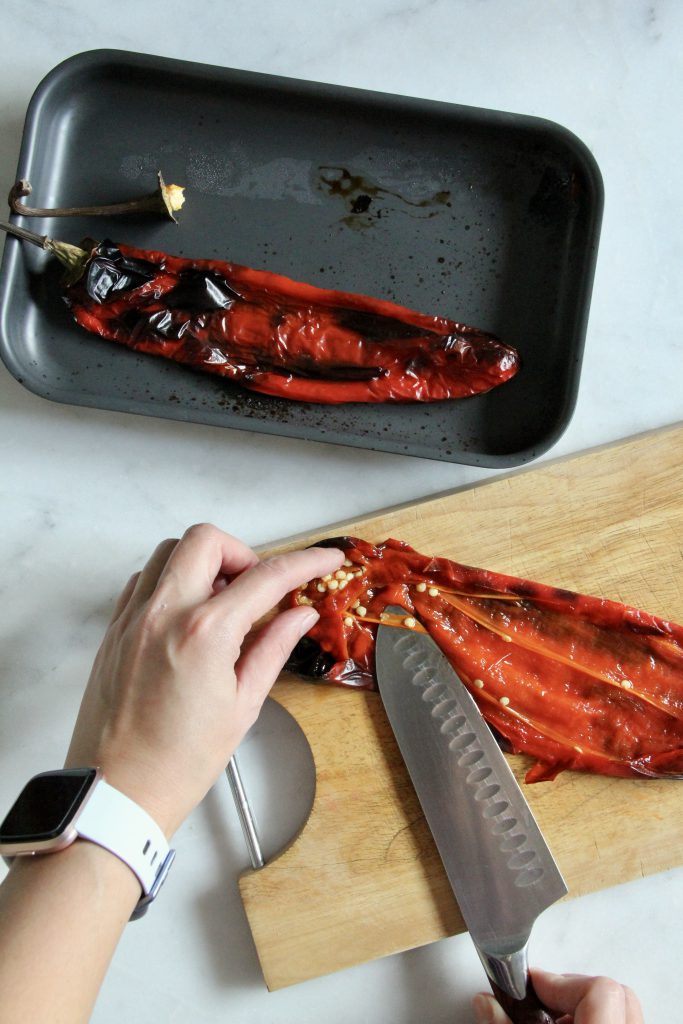
I do however alter the methods used. In the cookbook, they peel the peppers once cooked. You could do this if you wanted, but I leave the skins on as this add flavour, texture, fibre and also reduces the hands on time for making this dish. Win win.

I love using lentils in my salads. Not only are the a cheap cupboard food, they are packed full of plant-based protein and high in fibre. So much so, they are the biggest contributor of fibre to this dish which packs a whopping 14.6g per portion – that’s nearly half you daily target just in a single dish.
Serves 2

Recipe

  • 2 red peppers
  • 100g puy lentils
  • 60g goat’s cheese
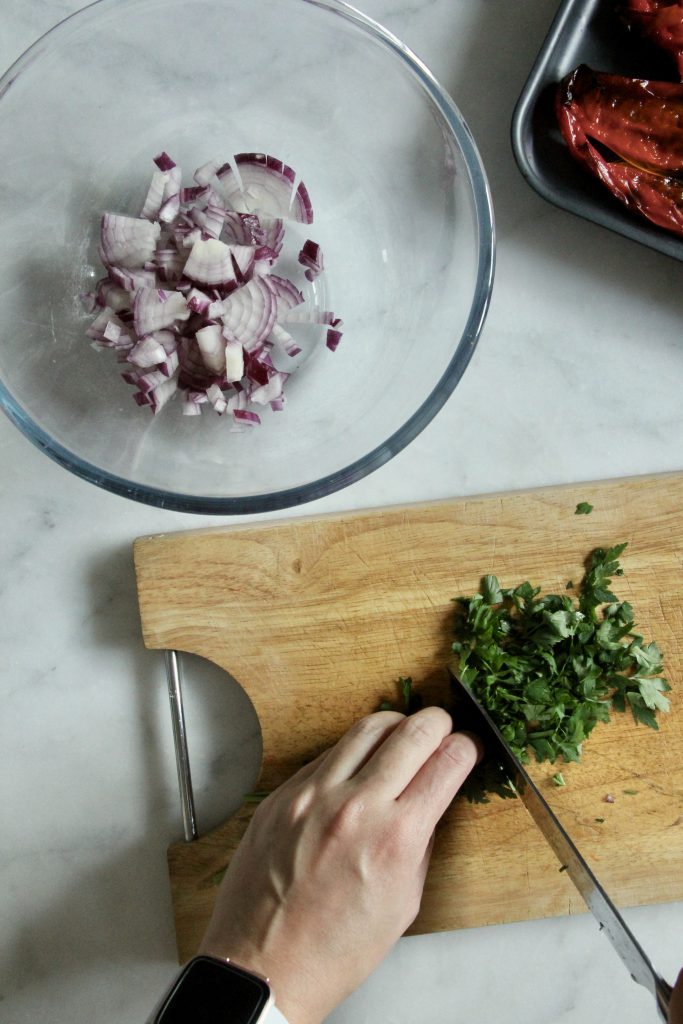
  • 1 small red onion, finely diced
  • 3-4 sun-dried tomatoes
  • 1 bunch flat leaf parsley
  • 2 tsp olive oil
  • 2tsp balsamic vinegar
  • Juice of half a lemon

Method

  • Preheat the oven to 200°C/ 180°C fan/ gas mark 6. Place the peppers on a tray and roast for 30 minutes till blistered. Allow to cool.
  • Meanwhile, wash the lentils and cover with cold water. Bring up to the boil for 10 minutes, and the allow to gently simmer for 15-20 minutes till just firm in the centre. Drain.
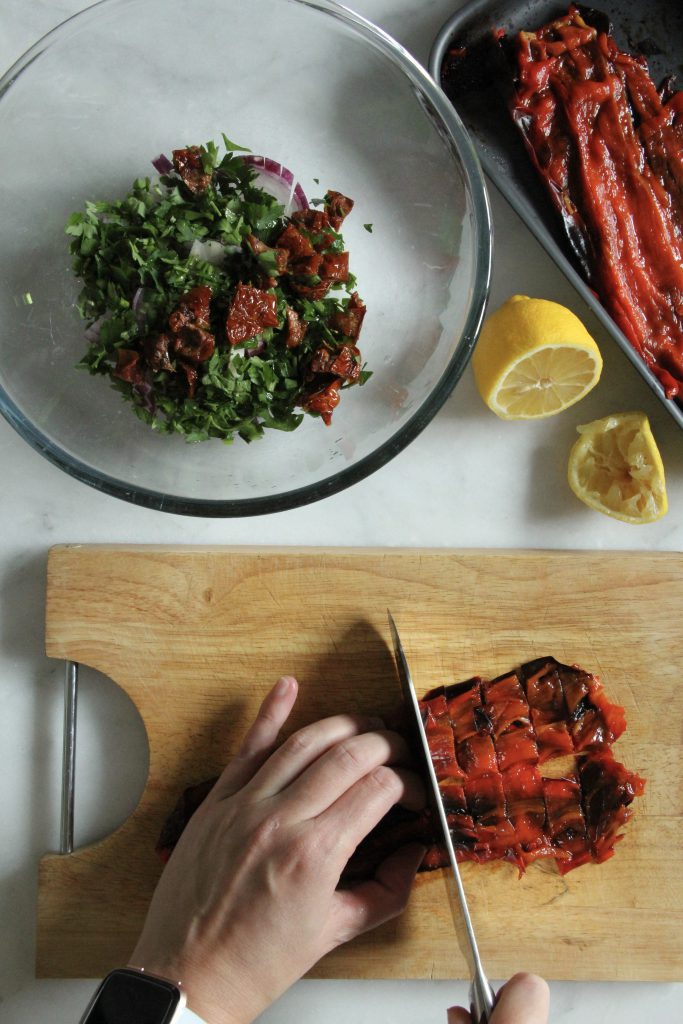
  • Once cool, de-seed and roughly chop the pepper, parsley, sun-dried tomatoes and goat’s cheese, and dress with the olive oil, balsamic vinegar and lemon juice.

Per serving 348kcal/ 13.3g fat/ 8.0g saturated fat/ 30g carbohydrates/ 14.6 fibre/ 19.6g protein

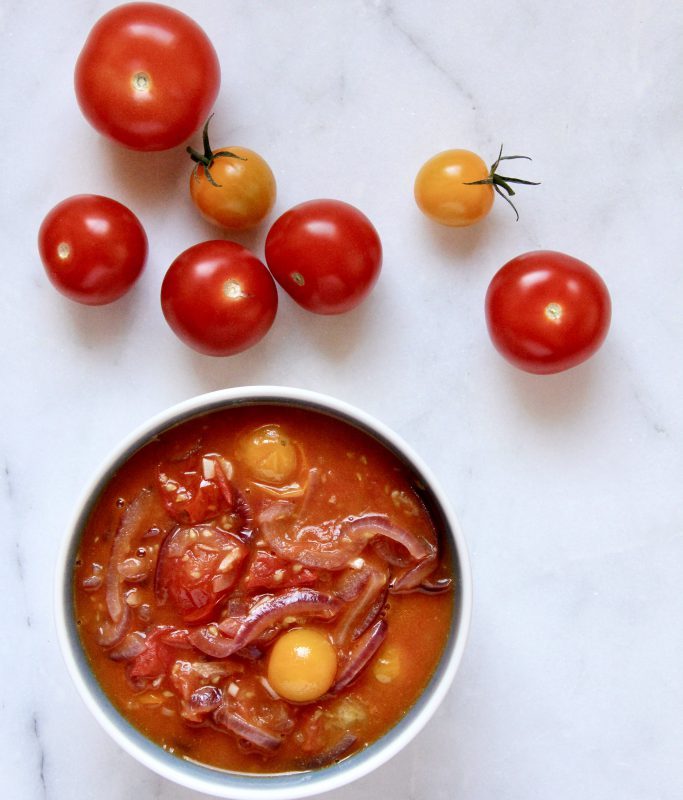
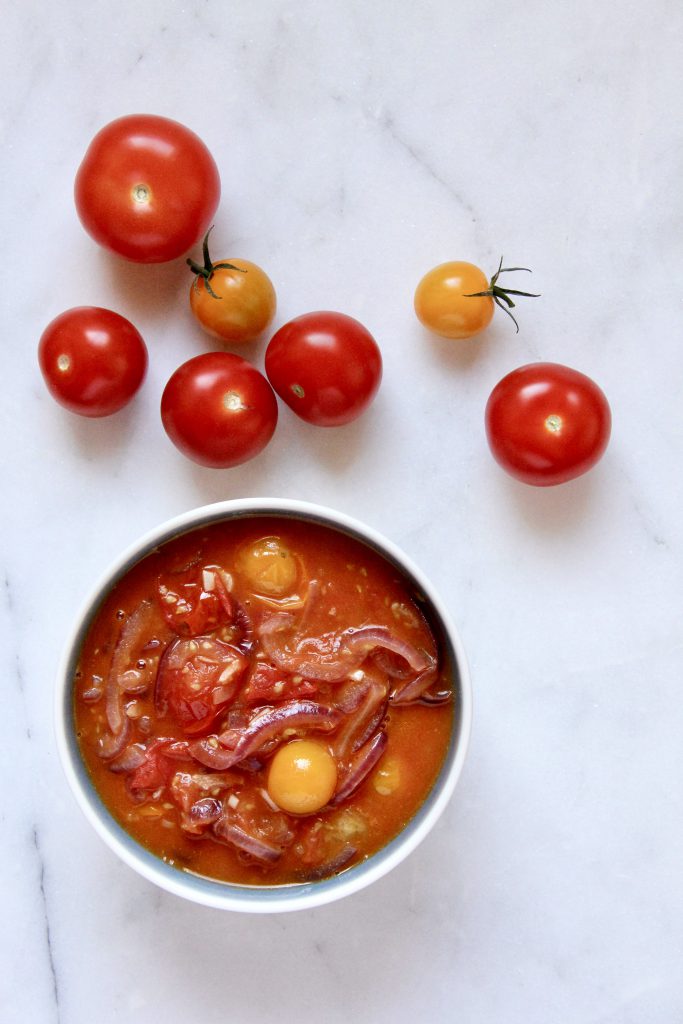
Simple Fresh Tomato Sauce

This is almost store cupboard friendly…. In fact you could say it’s empty fridge friendly! I always use this recipe as a base, as it can easily be adapted to suit your needs. Whenever I look in the fridge and see some sad looking tomatoes at the end of the week, I know I can lovingly transform them into a delicious sauce. An additional bonus is that cooking tomatoes in the presence of fats, EVOO in this case, actually helps increase the lycopene content and absorption. Lycopene is a type of plant phytochemical, which is beneficial to our bodies by having a positive effect on cardiovascular health as well as cancer prevention.
As I said, this is a very simple and basic sauce. You can easily perk it up depending on how you feel. Swap the water for wine for a deeper flavour, add those capers from the back of your fridge, or add some fresh herbs to save them from the bin! You can even spice things up with fresh or dried chilli.

For a Puttanesca sauce add chilli, capers, olives and anchovies. Add some cumin, turmeric and ground coriander as a base for a curry. Or make some baked beans by adding some paprika and a tin of cooked beans.

Once cooked, this sauce can happily sit in the fridge for a few days in an airtight container. Alternatively, you can pop it in the freezer for a fast dinner when you’re in a rush.

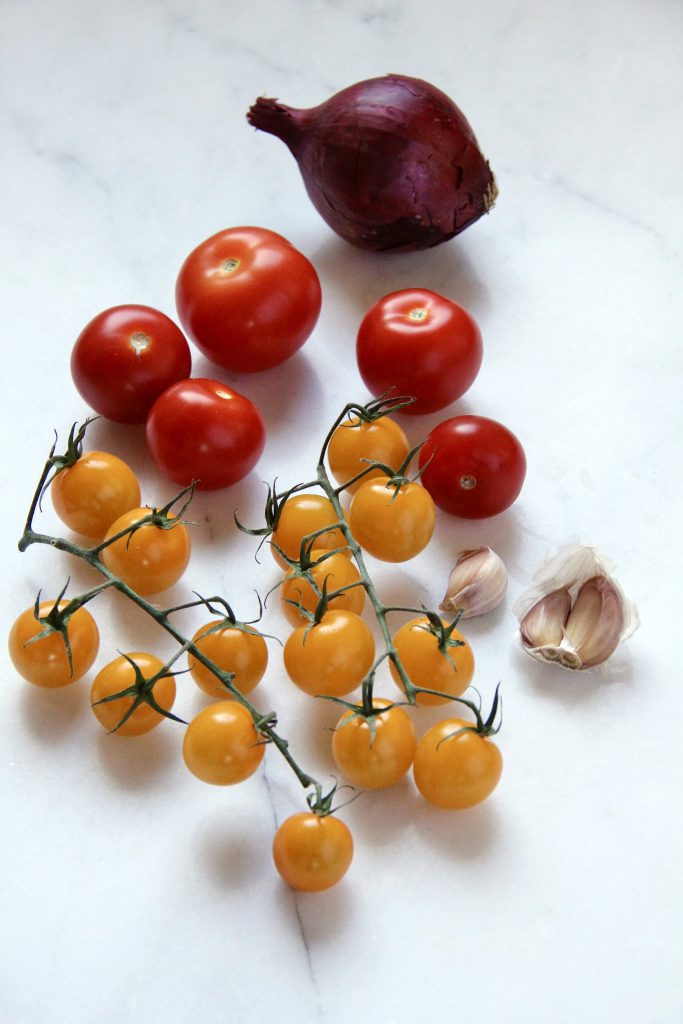
I’ve used a red onion, but any onion you have to hand will be fine. Even if you only have spring onions, give it a go!

Serves 2

Recipe

  • 1 tbsp extra virgin olive oil
  • 1 onion, chopped
  • 2-3 cloves of garlic, sliced
  • 250g fresh tomatoes, roughly chopped
  • 100ml water, option to use wine if you have any
  • Salt and pepper

Method

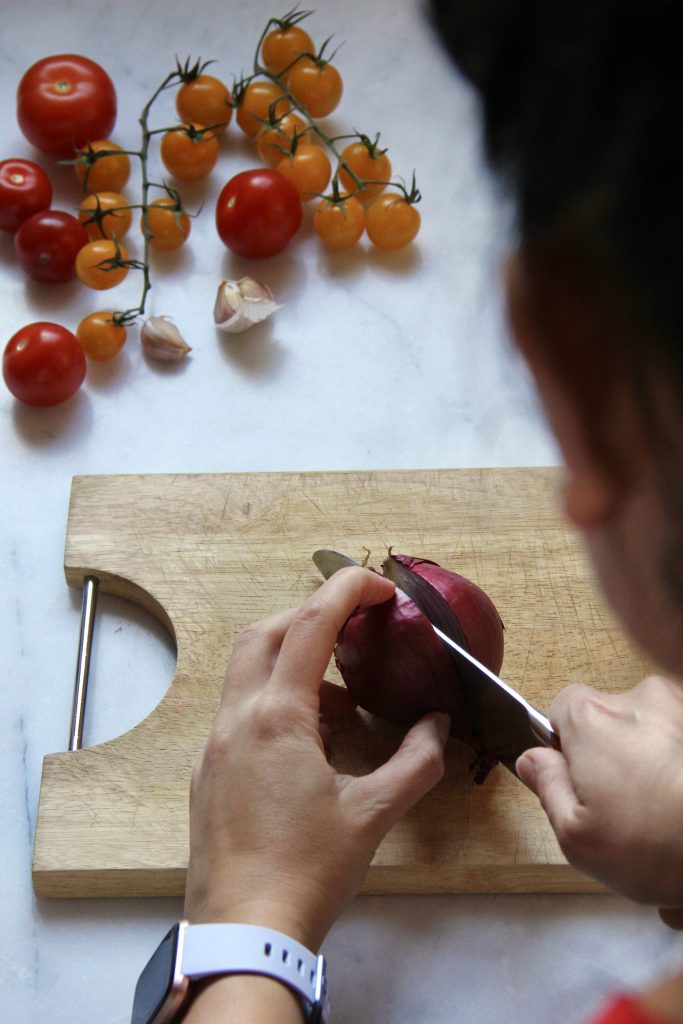
  • Cook the onions with the oil on a low temperature till soft and translucent.
  • Add the garlic and cook for a further 2 minutes before adding the tomatoes and water.
  • Simmer on a gentile heat for 15 minutes till the tomatoes burst and the sauce is reduced
  • Serve as is chunky, or if you prefer a smooth sauce, blend

Per serving 110kcal/ 7.8g fat/ 1.2g saturated fat/ 8.5g carbohydrates/ 2.1g fibre/ 1.5g protein

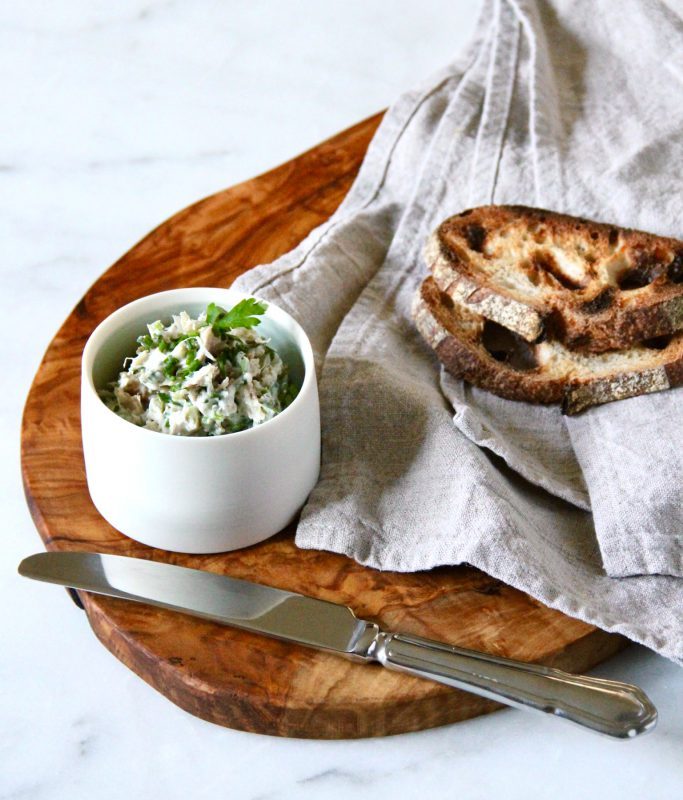
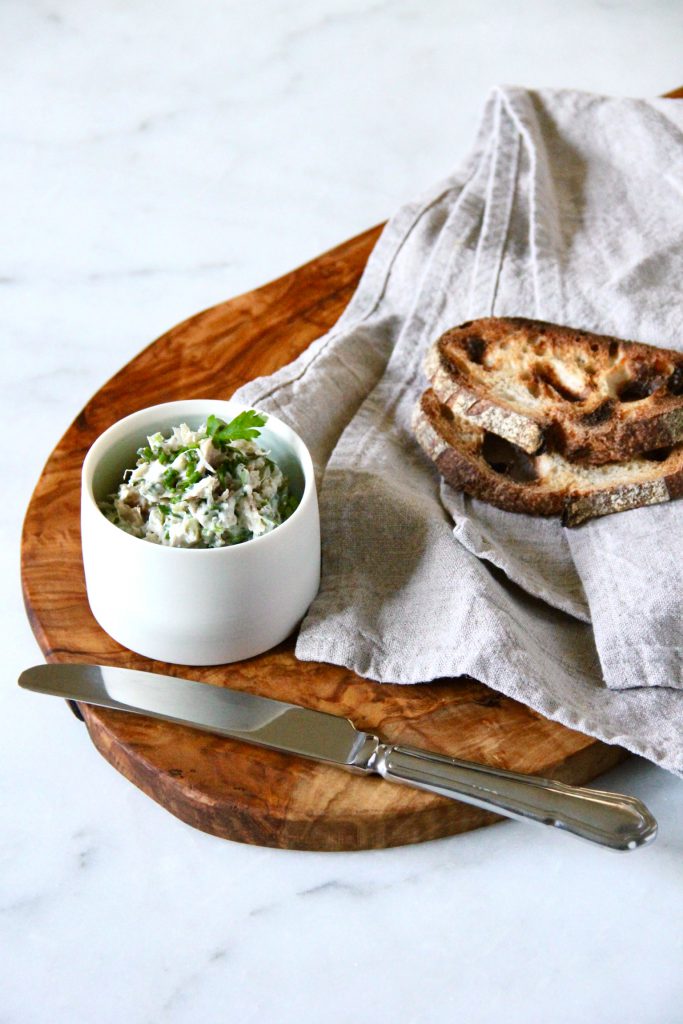
Smoked Mackerel Pâté

One of my favourite ways to eat mackerel is as smoked mackerel pâté. I learnt this while working at Leiths School of Food and Wine, and it is something I’ve made ever since. It would also seem that I’m not the only one in my family to love this recipe. As soon as I took the packed of smoked mackerel out of the fridge, Willow was hot on my heels. Turns out she likes getting her portion of oily fish just as much as I do! And who can resist those big puppy eyes.

Mackerel is an oily fish, and as such is good source of healthy fats, including omega 3 fatty acids which are beneficial to our overall health. In particular, omega-3 has been linked to heart health.

This recipes calls for some fermented foods as well in the form of gherkins. While I realise they might not be to everyone’s taste, I really recommend you trying it with this dish. So if you want to, try serving the gherkins thinly sliced on the side and I’m sure it will win you over.

I also prefer to keep my pâté quite chunky, so I stir it just to combine all the flavours. If you prefer a smoother pâté, mash the mackerel up with a fork.

Serves 4 as a starter

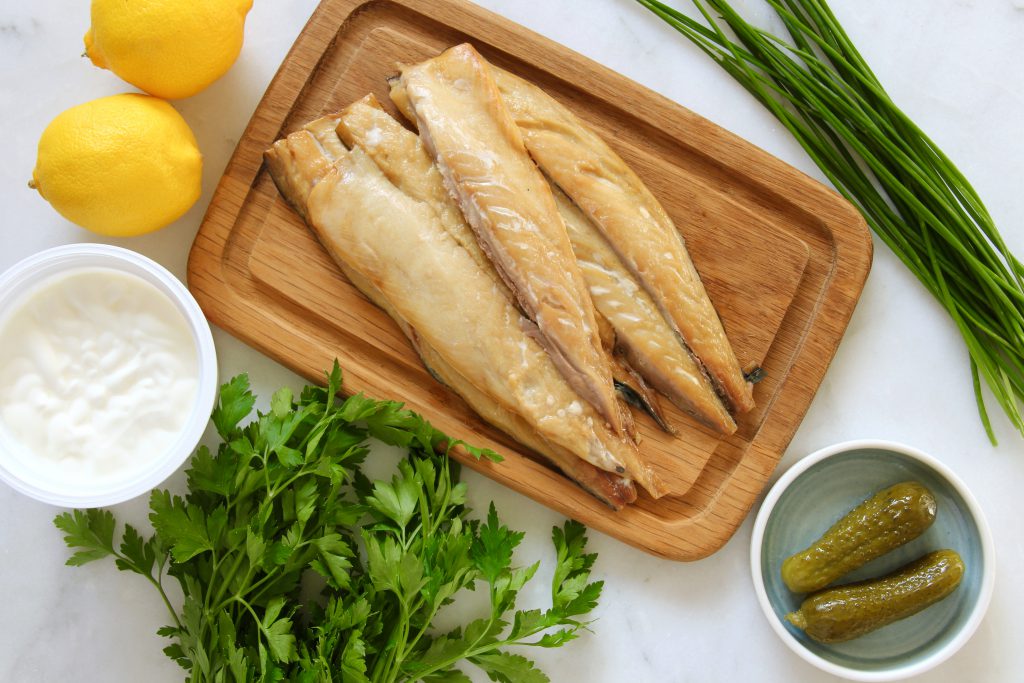
Recipe

  • 220g boneless and skinless MSC certified smoked mackerel
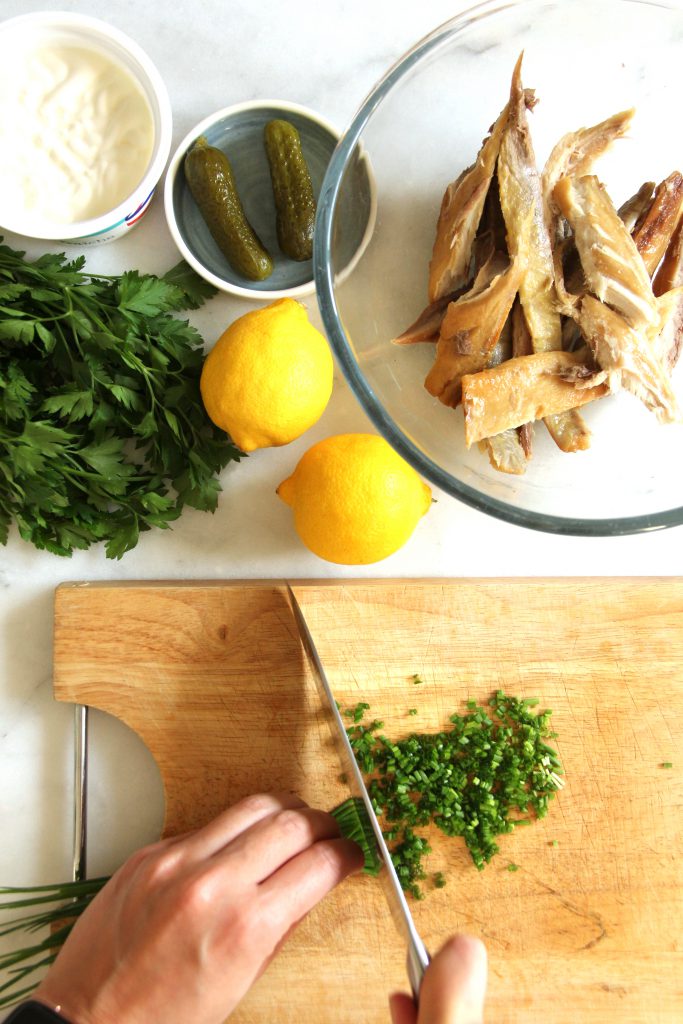
  • 15g chives, finely chopped
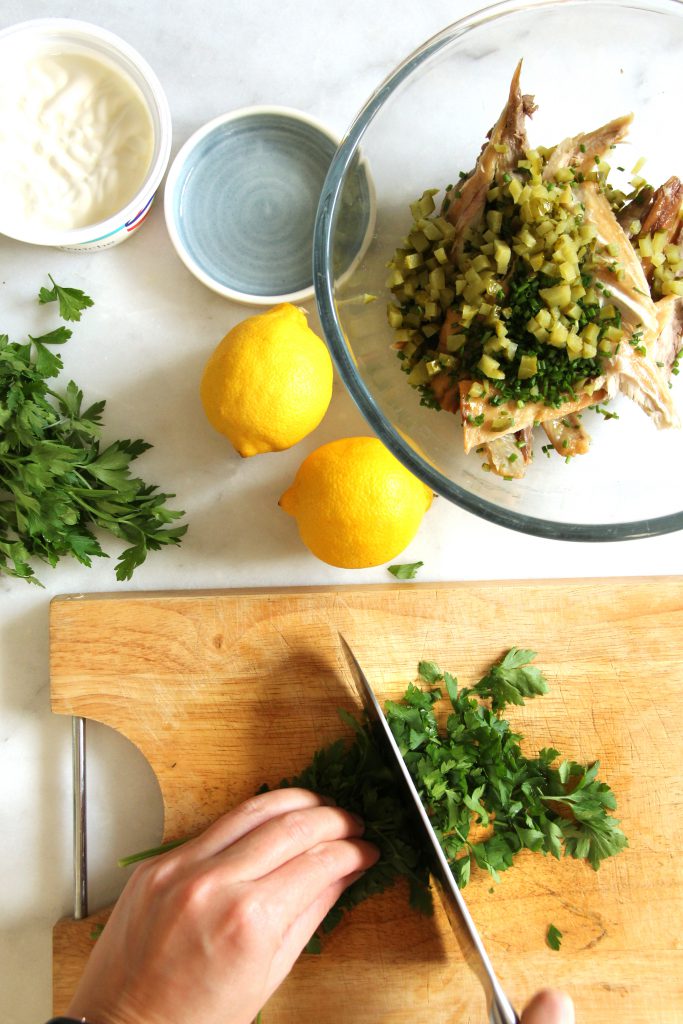
  • 15g flat leaf parsley, finely chopped
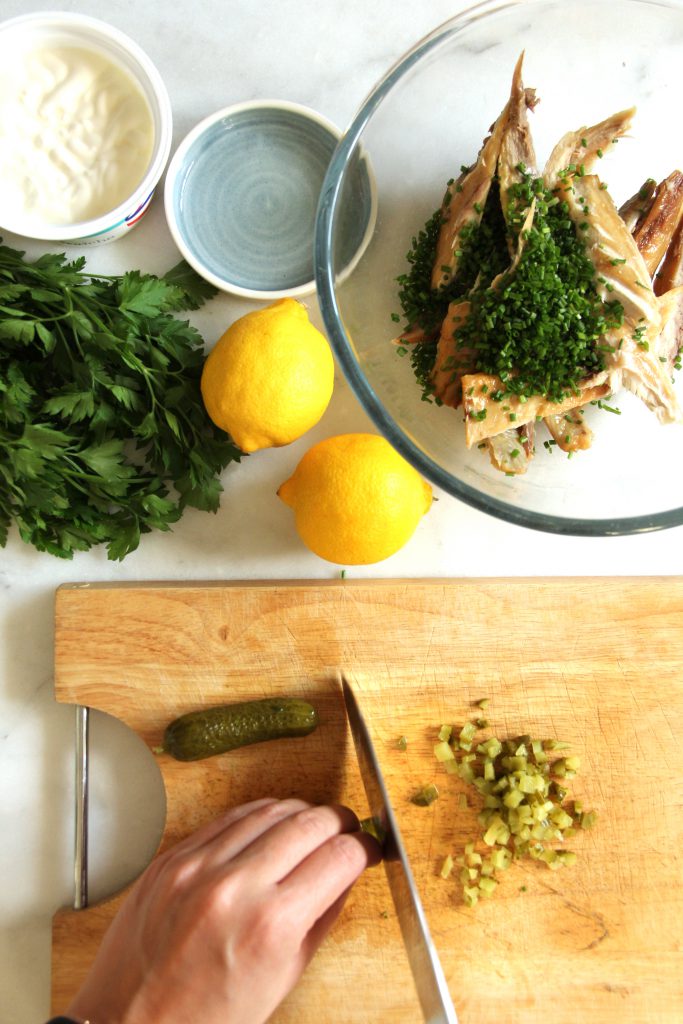
  • 1 large or 2 small gherkins, finely diced
  • 100g reduced fat creme fraiche
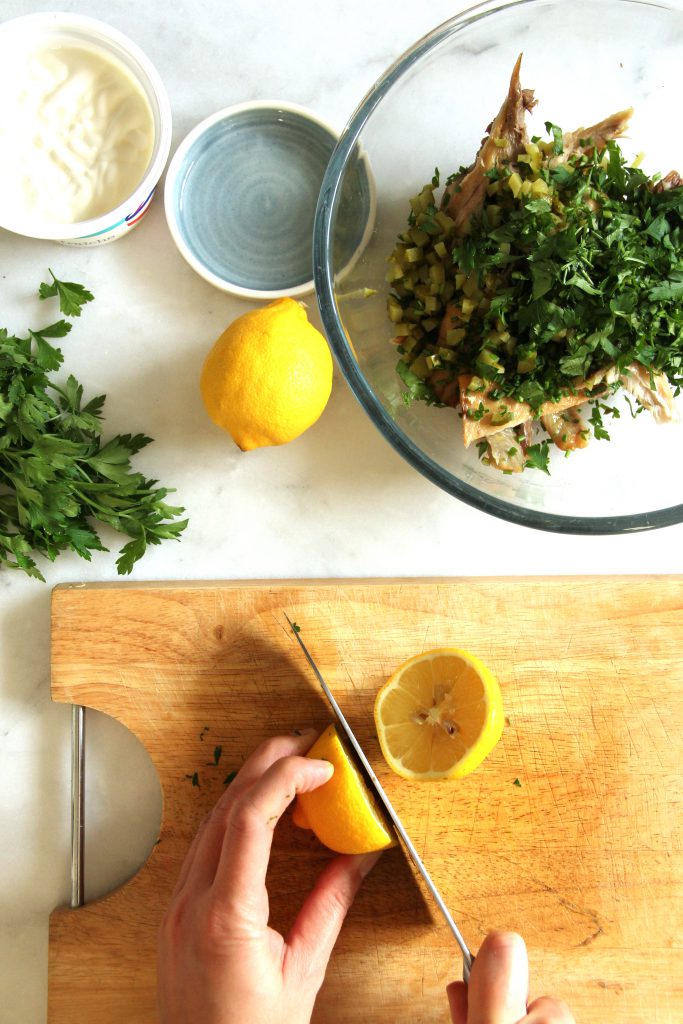
  • Juice of half a lemon

Method

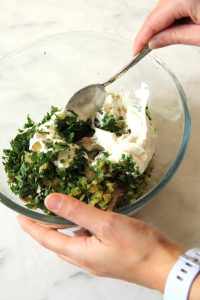
  • Break the smoked mackerel into large chunks and gently combine with the remaining ingredients.

Delicious served with freshly toasted sourdough bread

Per serving 227kcal/ 18.3g fat/ 5.6g saturated fat/ 2.1g omega 3 fat/ 2.7g carbohydrates/ 0.8g fibre/ 12.5g protein

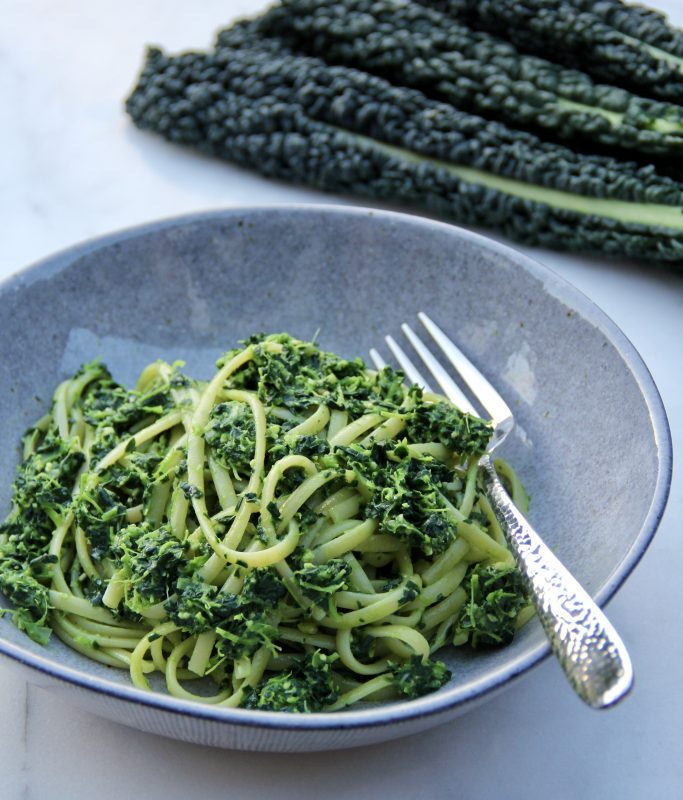
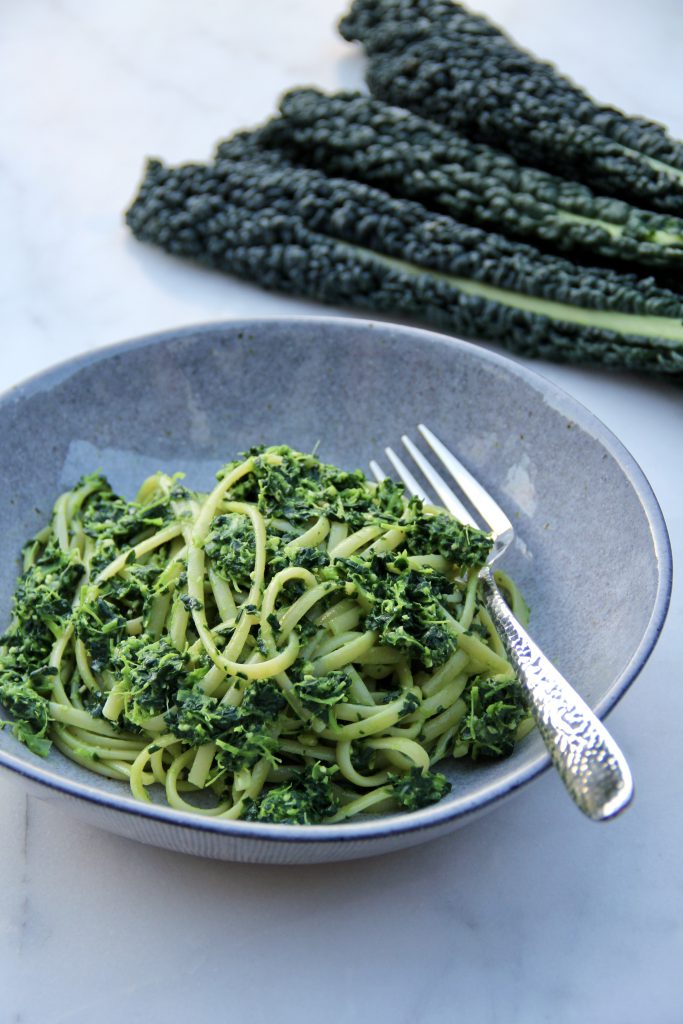
Kale Pesto with Pasta

Super easy to make, taking just the time of the pasta to cook, it’s seasonal, packed full of fibre, providing 5 sources of plant-based goodness….. what’s not to love?!?

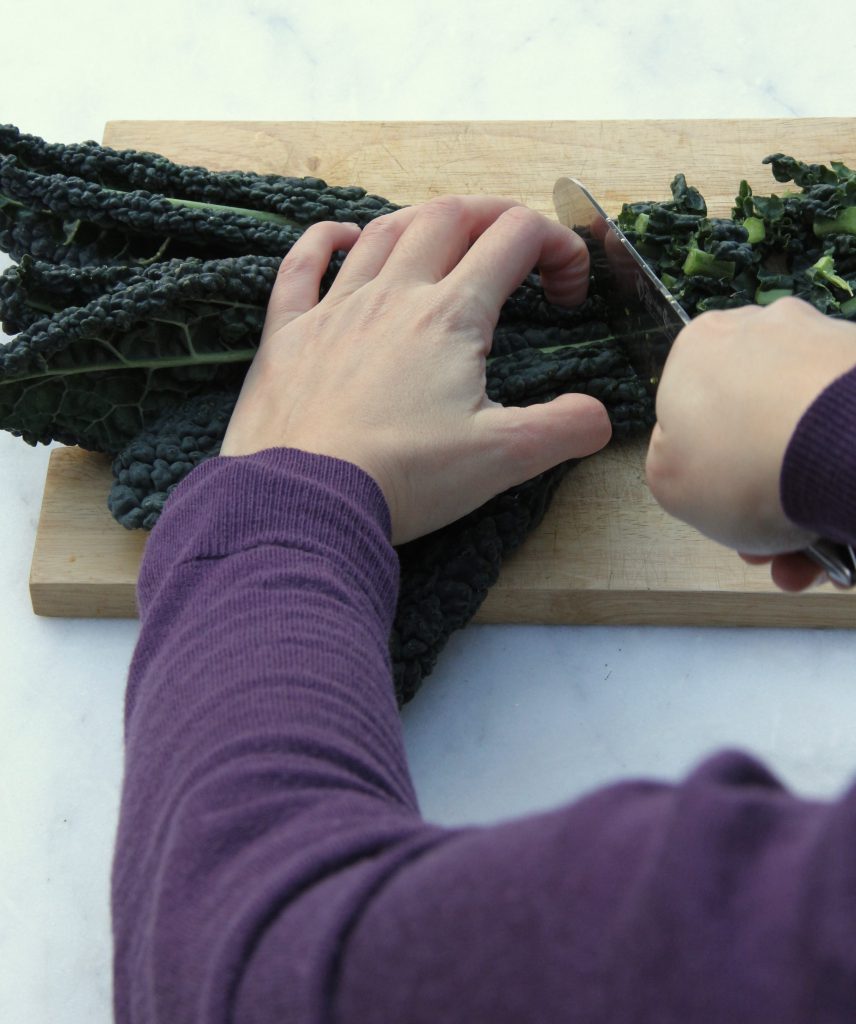
I leave the stems of the kale in. It adds an extra crunch to the dish, which I absolutely love, but also means maximising the fibre content of this dish as well as less food waste, which we really hate! Double bonus!

You could make a large quantity of this pesto and store it in an airtight container in the fridge for a few days. Alternatively, pop it into the freezer in portion sizes ready to whip out when the cupboards are looking a little bare.

Keeping the stems on the kale helps maximise the fibre content and reduce food waste

Serves 1

Recipe

  • 100g kale, washed and roughly chopped
  • 1 clove garlic, peeled
  • 15ml extra virgin olive oil
  • 20g toasted pine nuts
  • 20g parmesan, finely grated
  • 75g pasta

Method

  • Bring a pan of water to the boil. Add the kale and garlic clove and blanch for 1 minute. Remove from the water into a jug for blending.
  • Add the pasta to the boiling water and cook for 1 minute less than the packet instructions.
  • Meanwhile, blend the blanched kale and garlic, before adding the oil, pine nuts and parmesan. Blend again, adding a little pasta water if too thick.
  • Drain the pasta, reserving a little of the cooking water. Return to the pan.
  • Add the pesto and return to the heat to warm everything through. Loosen the pesto sauce with the reserved pasta water if needed. Serve immediately.

Per serving of kale pesto 388kcal/ 35g fat/ 6.7g saturated fat/ 3.8g carbohydrates/ 3.8 fibre/ 13.1g protein

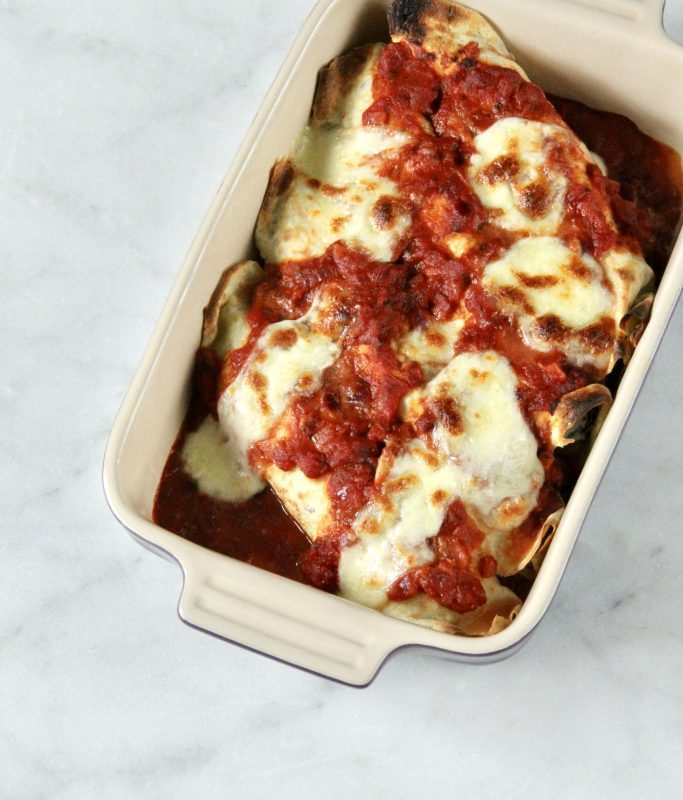
Spinach and Ricotta Pancakes

While for many Shrove Tuesday will mean pancakes for breakfast, I prefer to have my savoury pancakes for dinner!

Whatever crepes you have left over can be donated to pudding in the form of lemon and sugar, but making this savoury dish is sure to be a crowd pleaser.

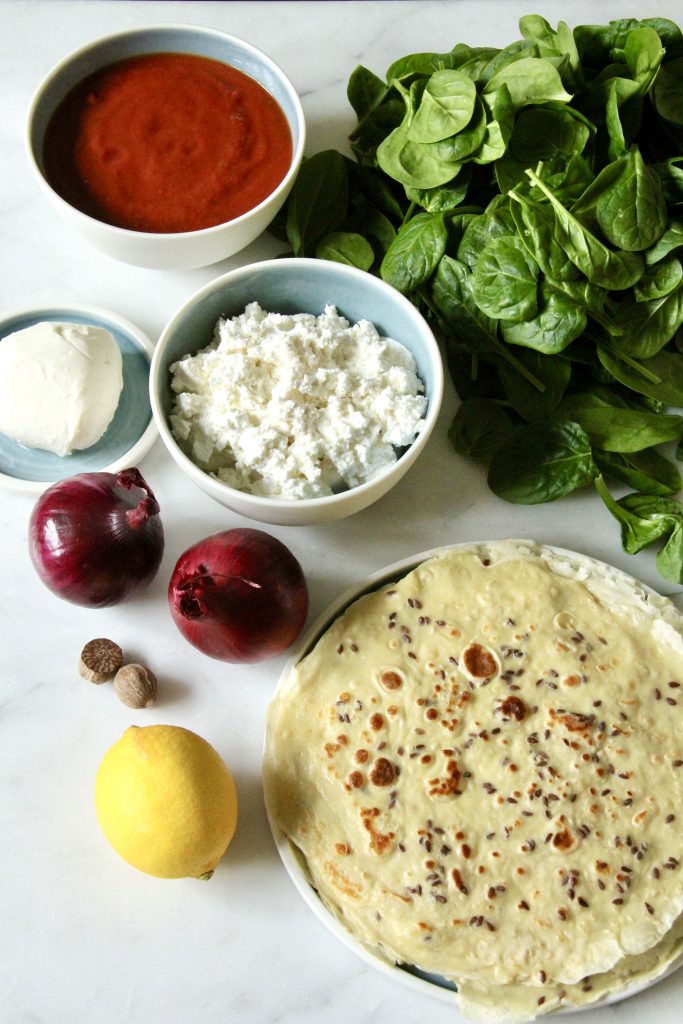
You can use ready made thin pancakes, or crepes, as long as they aren’t sweetened. If you’re making your own, this is a great opportunity to add some extra nutritious ingredients, such as I have (sesame and linseeds) to help increase the fibre content.

Serves 4

Recipe

  • 6-8 savoury pancakes
  • 400g spinach
  • 2 onions, I’ve used red, diced
  • 1 tbsp olive oil
  • 2 garlic cloves, chopped
  • 400g passata
  • 500g ricotta
  • Zest of 1 unwaxed lemon
  • 1/4 nutmeg, grated
  • 1 ball mozzarella

Method

  • Preheat the oven to 180°C/ 170°C Fan
  • Cook the spinach in a pan on the lowest setting till completely wilted. Allow to cool and squeeze as much liquid out using a clean tea towel. Roughly chop.
  • Meanwhile, cook the onions in the olive oil and allow to soften and become translucent. Add the garlic and cook for a further 2 minutes before adding the passata. Cook for 5 minutes while you prepare the pancake filling.
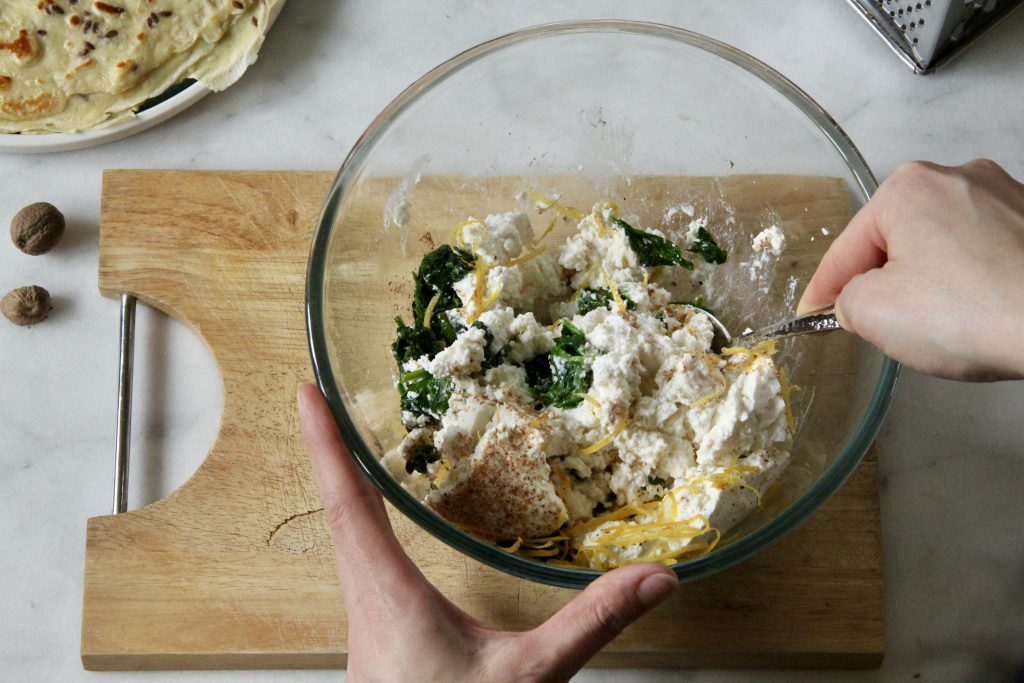
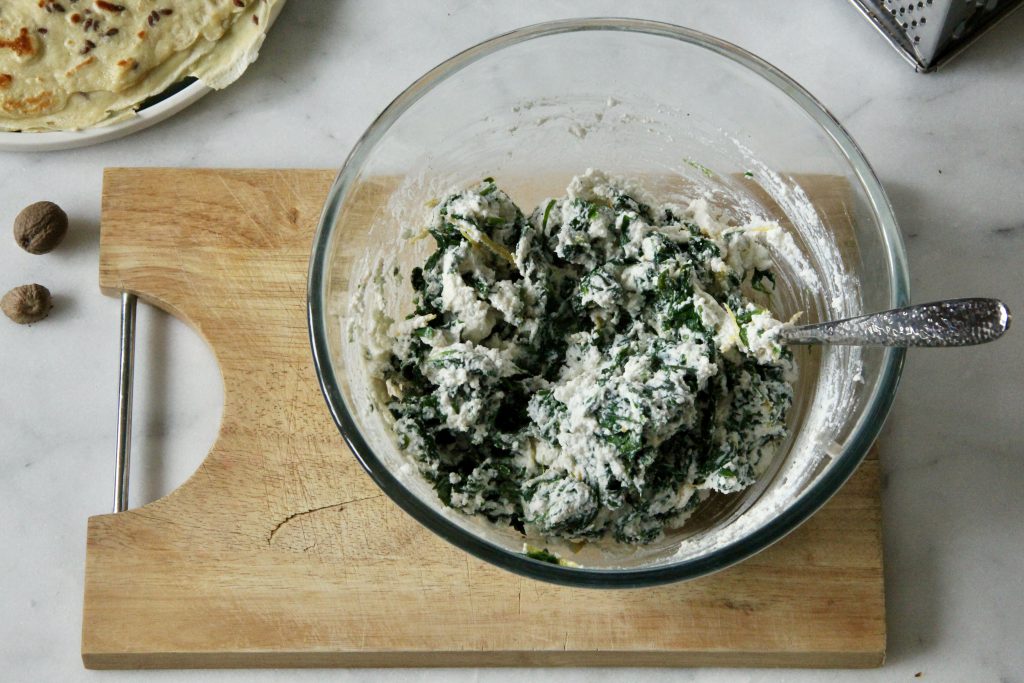
  • Mix the ricotta, lemon zest and nutmeg. Season to taste with salt and pepper and add the roughly chopped spinach.
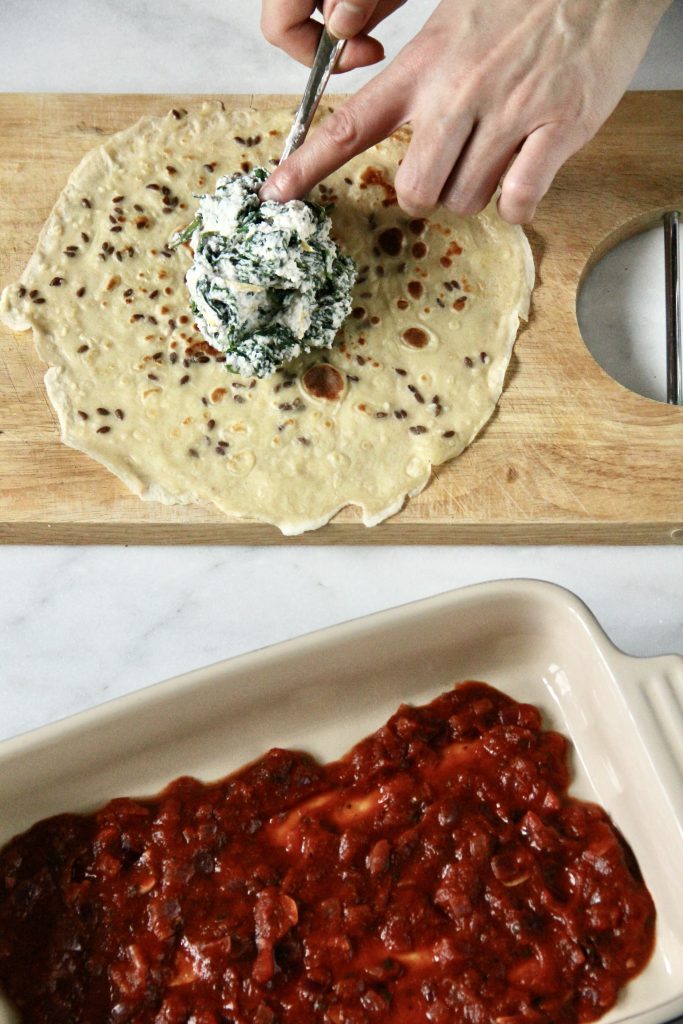
  • Layer half the tomato sauce into a large ovenproof dish.
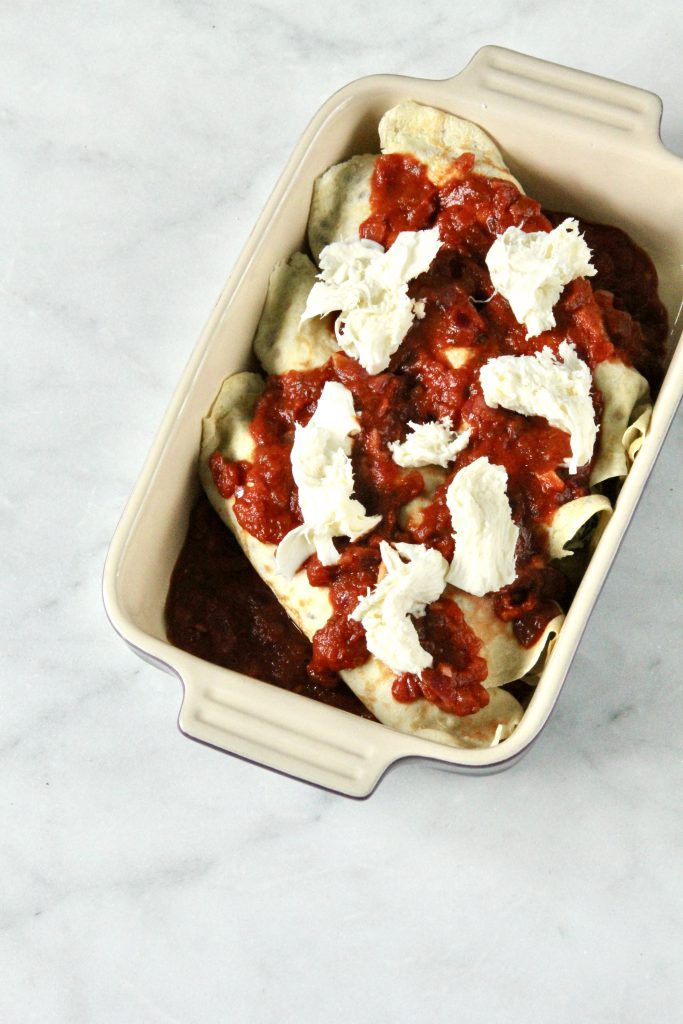
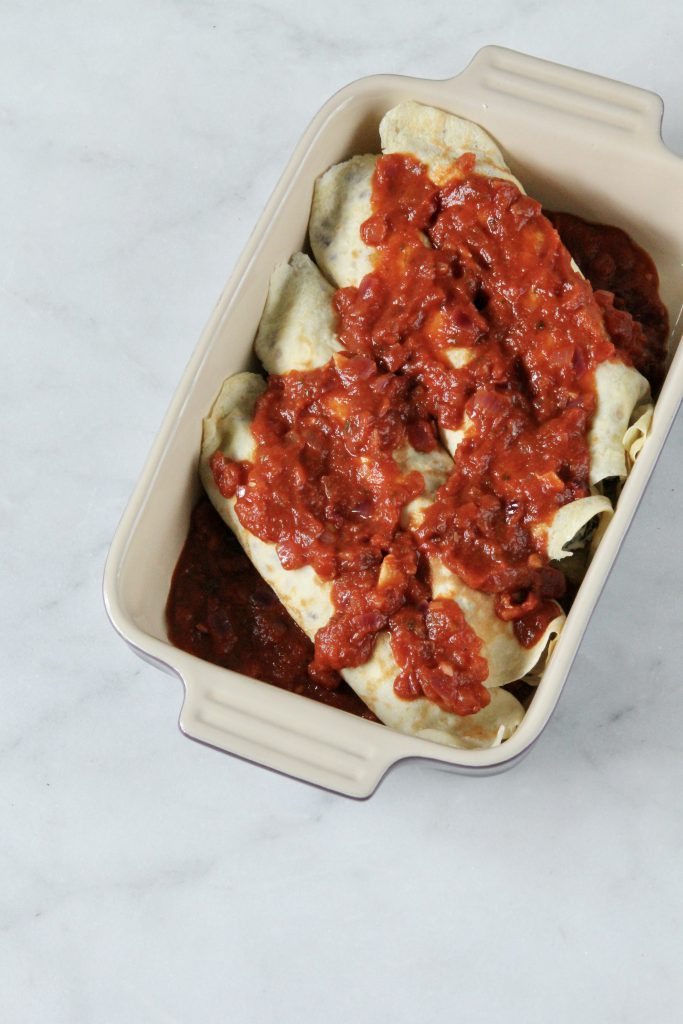
  • Add a generous spoonful of the ricotta mix into the middle of a pancake, spreading through the center. Roll the pancake up and place in the passata sauce. Repeat until all the pancakes and ricotta mixture are used.
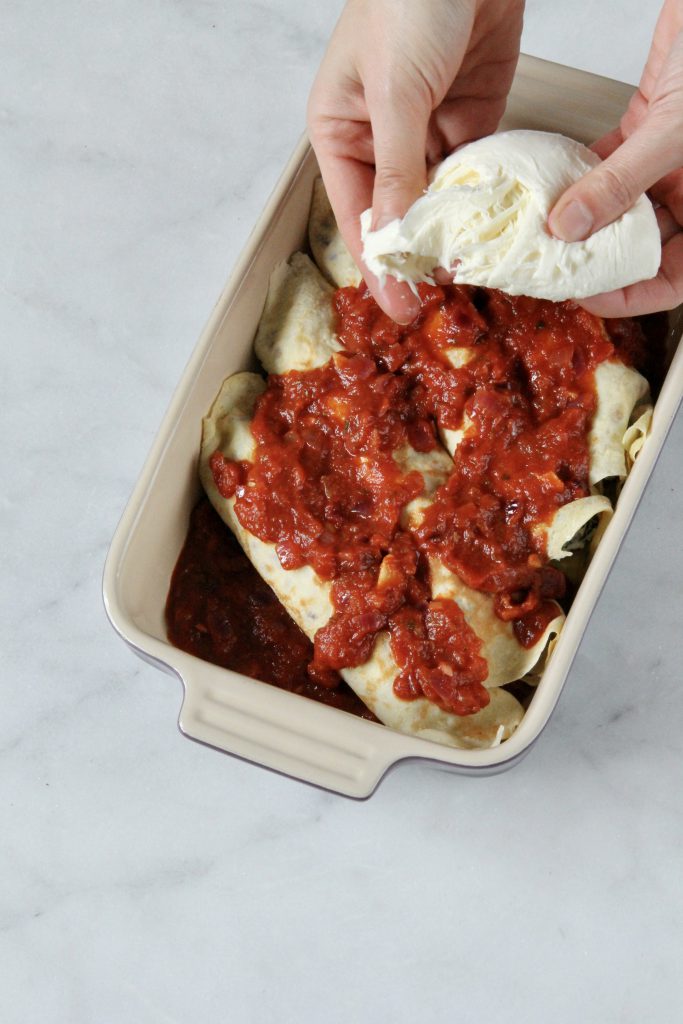
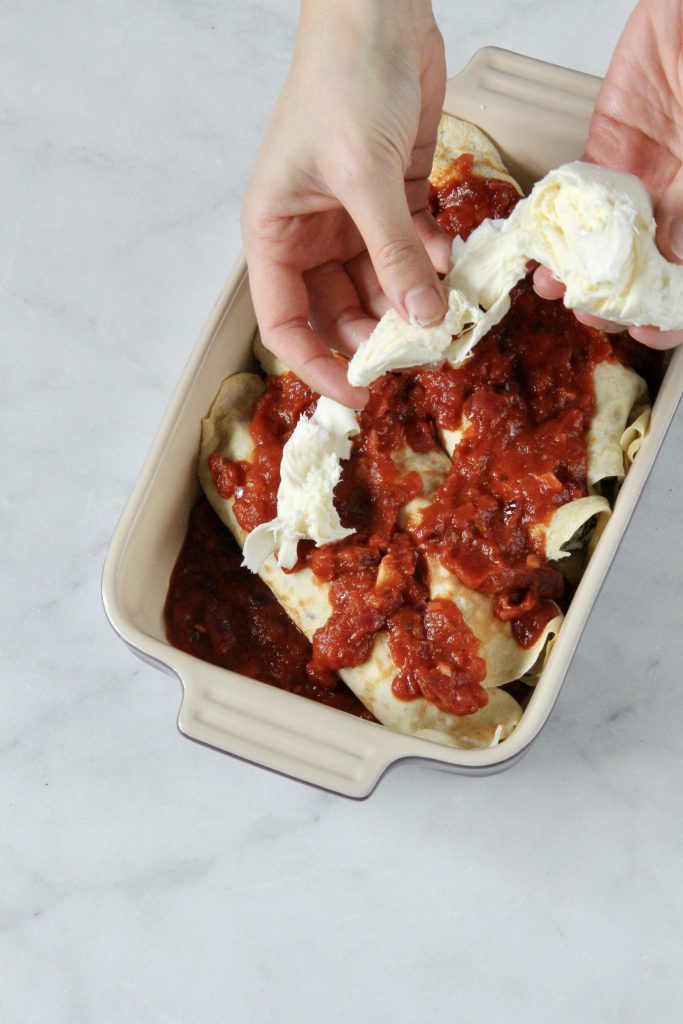
  • Spread the remaining tomato sauce over the tops of the pancakes and top with torn pieces of mozzarella.
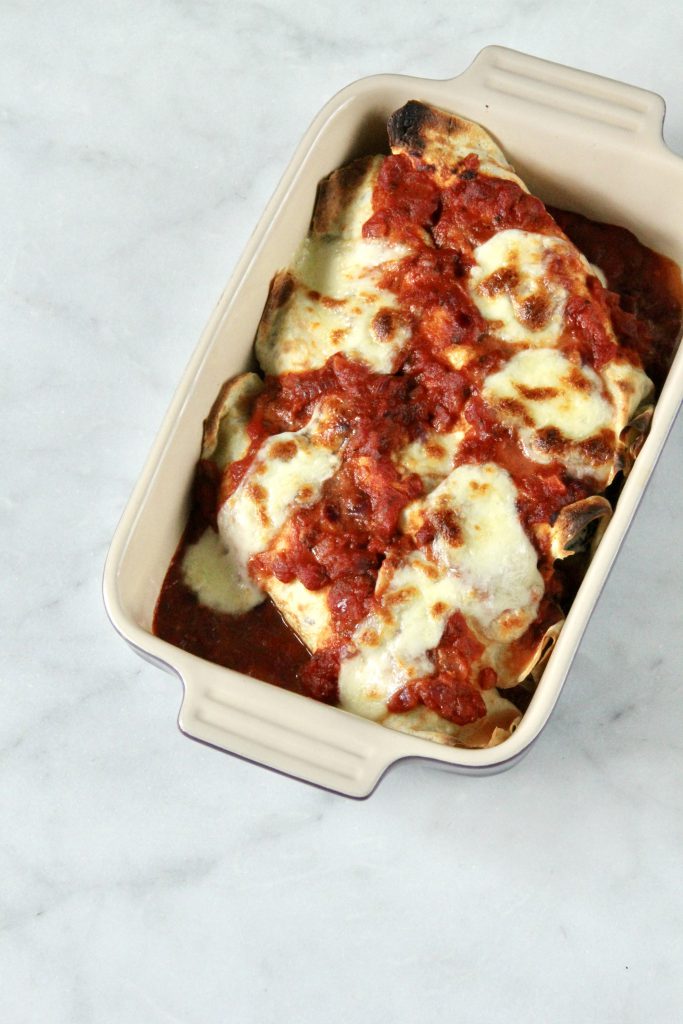
  • Bake in the oven for 20-25 minutes till golden brown and bubbling.

Per serving 455kcal/ 24.7g fat/ 13.7g saturated fat/ 31.2g carbohydrates/ 5.9g fibre/ 24.2g protein

Easy Noodle Soup

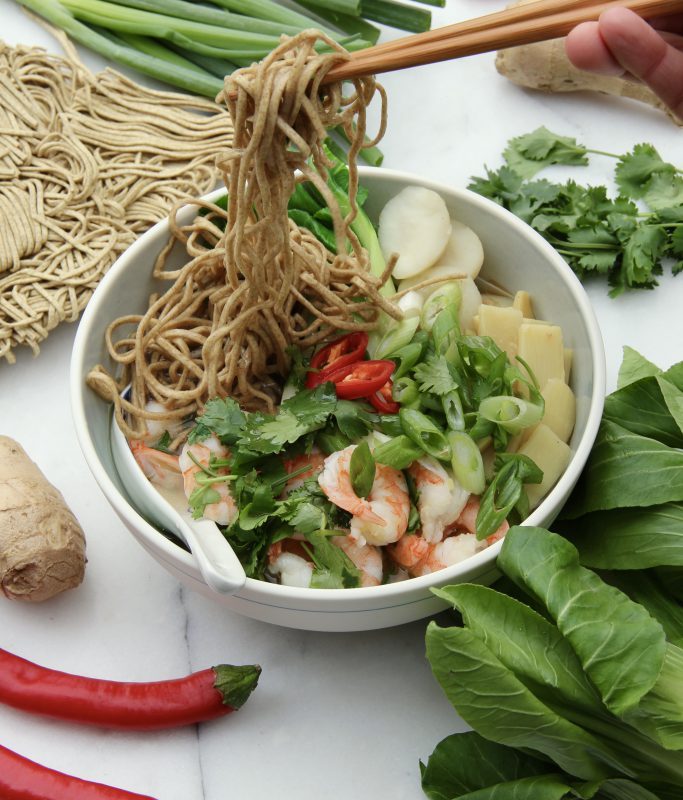
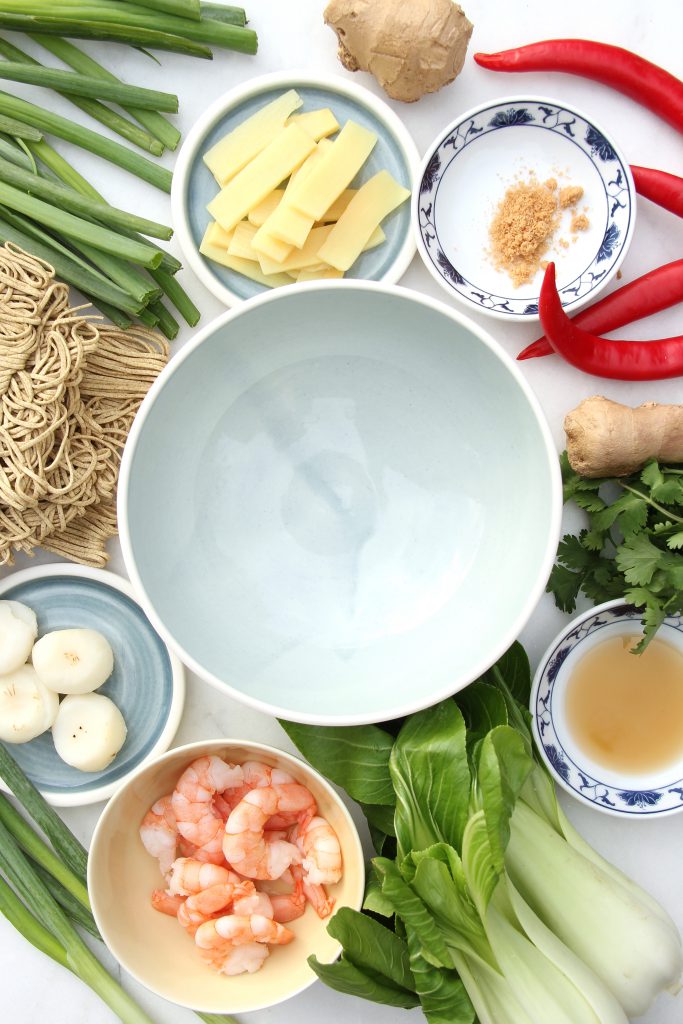
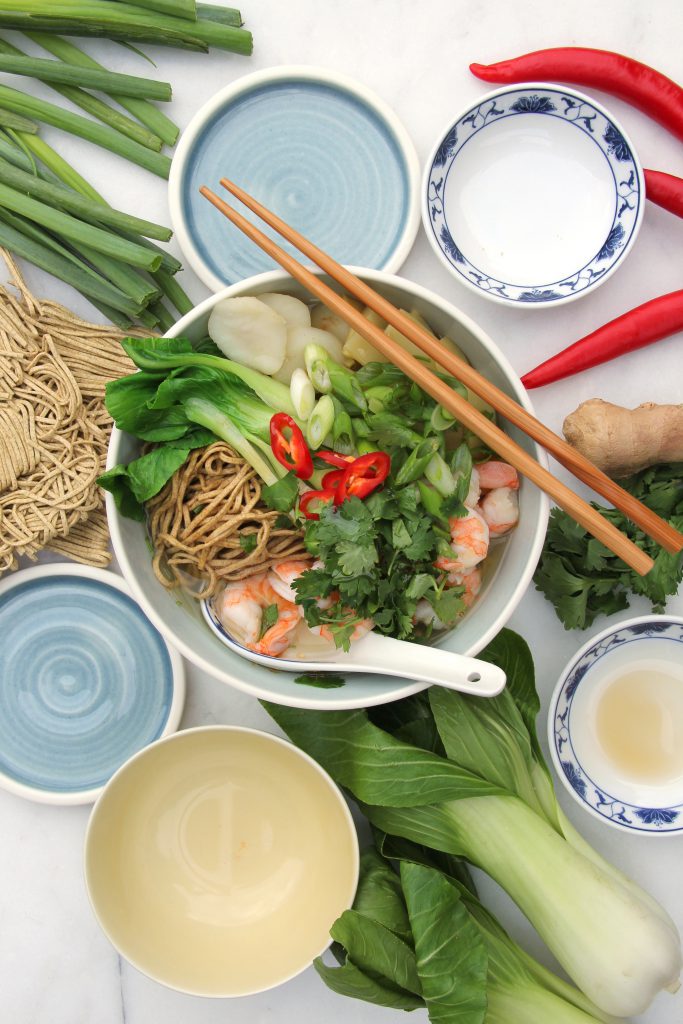
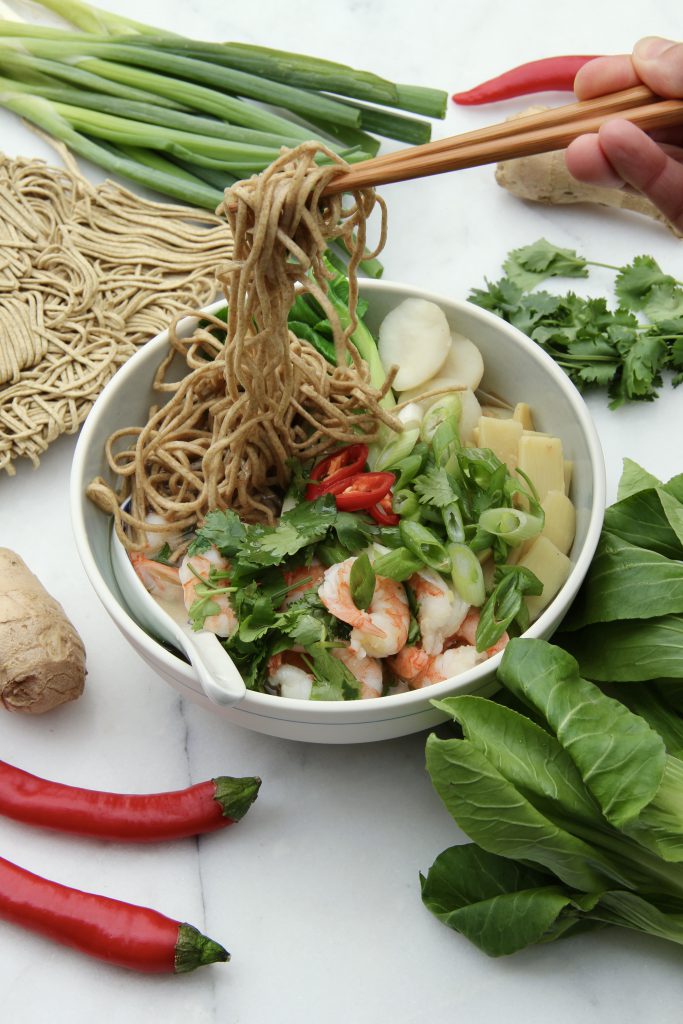
I love this recipe as it’s so adaptable. Don’t have some of the ingredients? Substitute with what you’ve got in the cupboard or fridge. All you need are the staples: noodles, stock and sesame oil. These are the key ingredients which form your foundation. From there you can build it any way you like. And the best bit, the more diversity you put into your bowl, the happier your gut microbiota will be! So don’t be afraid to try something new, or dig out an old tin of bamboo shoots which have been sitting in the back of your cupboard that you haven’t know what to do with!

Other vegetables which work well in this dish include:

  • Spinach
  • Carrot
  • Courgette
  • Beansprouts
  • Cabbage including Chinese Leaf
  • Onion
  • Baby corn
  • Mushrooms

The only other advice I can offer is to stock whole wheat noodles as a staple in you cupboard. You can find dried noodles in most supermarkets nowadays, and opting for the whole wheat option means you automatically are helping to increase your fibre intake from the get go. Remember our daily target is 30g upwards, so every gram counts.

Serves 1

Recipe

  • 1 nest whole wheat noodles
  • 1/2 tsp stock powder
  • 5g ginger, finely diced
  • 40g bamboo shoots
  • 40g water chestnuts, sliced in half
  • 1 pak choi, sliced
  • 1 tsp sesame oil
  • 1 large or 2 small spring onions, sliced
  • 10g coriander
  • 100g cooked prawns
  • Chilli slices to taste

Method

  • Bring 300ml water up the the boil, add in the stock powder, ginger and noodles. Cook for 1 minute less than the packet instructions.
  • Add the bamboo shoots, water chestnuts and pak choi for the last minute to cook.
  • Remove from the heat, place in a serving bowl and dress with the remaining ingredients.
  • Serve and slurp immediately

Per serving: 376 kcal, 7.4g fat, 1.5g saturated fat, 25.7g protein, 47.7 carbohydrates, 9.2g fibre

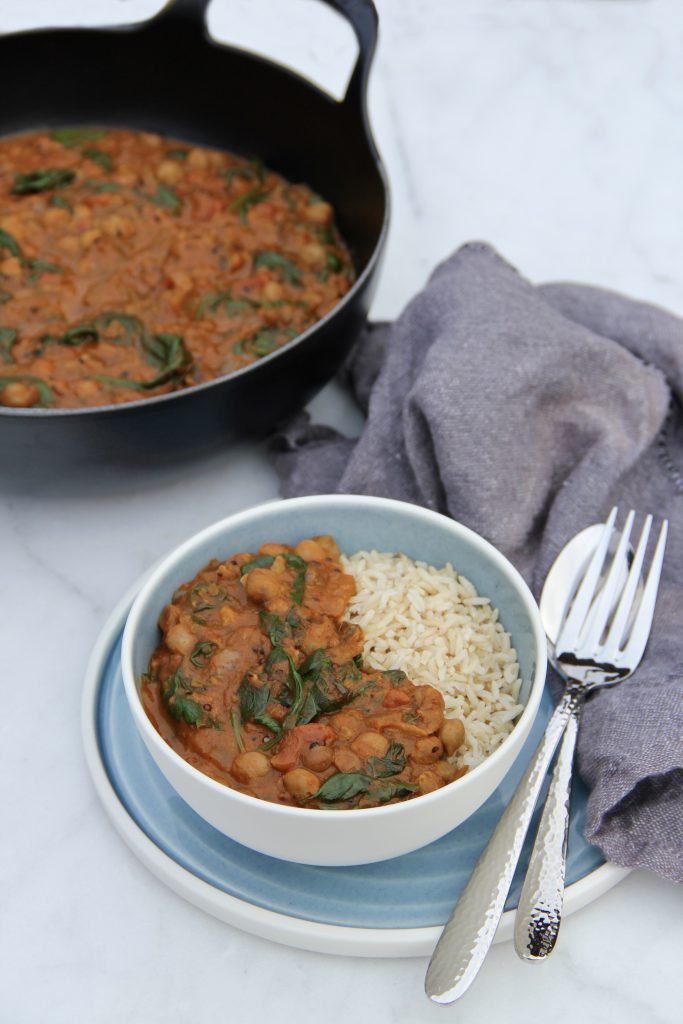
Vegan Chickpea Curry

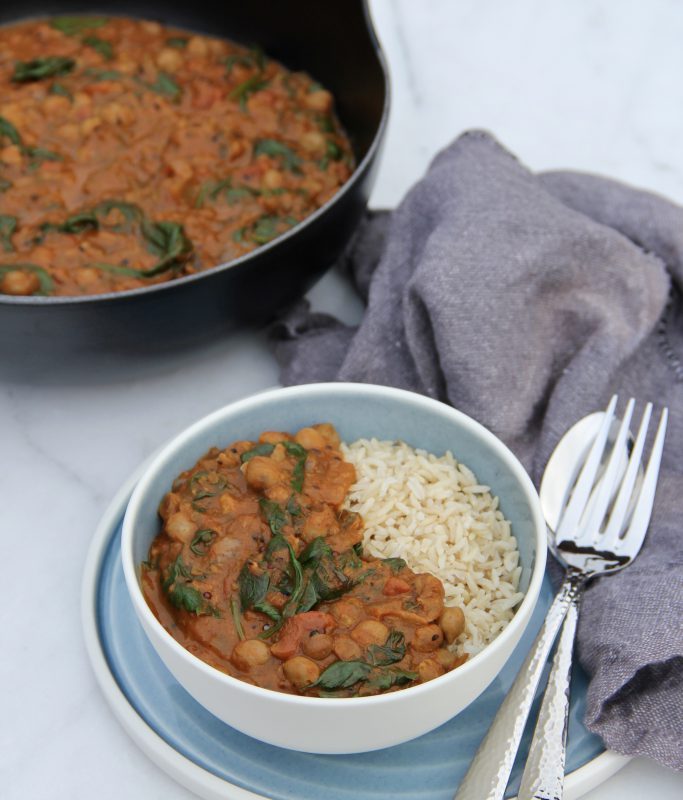
This is my store cupboard staples easy curry. I always have the tinned goods in my cupboard as backup should I find myself without anything fresh to cook with. And the best part is it taste better a day or two old, so there’s no reason why you can’t make it on a Sunday, as I have, ready for a quick and nutritious no-fuss mid-week meal.

It’s also perfect for those doing Veganuary as it is naturally vegan, and as a bonus contains over 9g of plant based protein.

Eating the rainbow

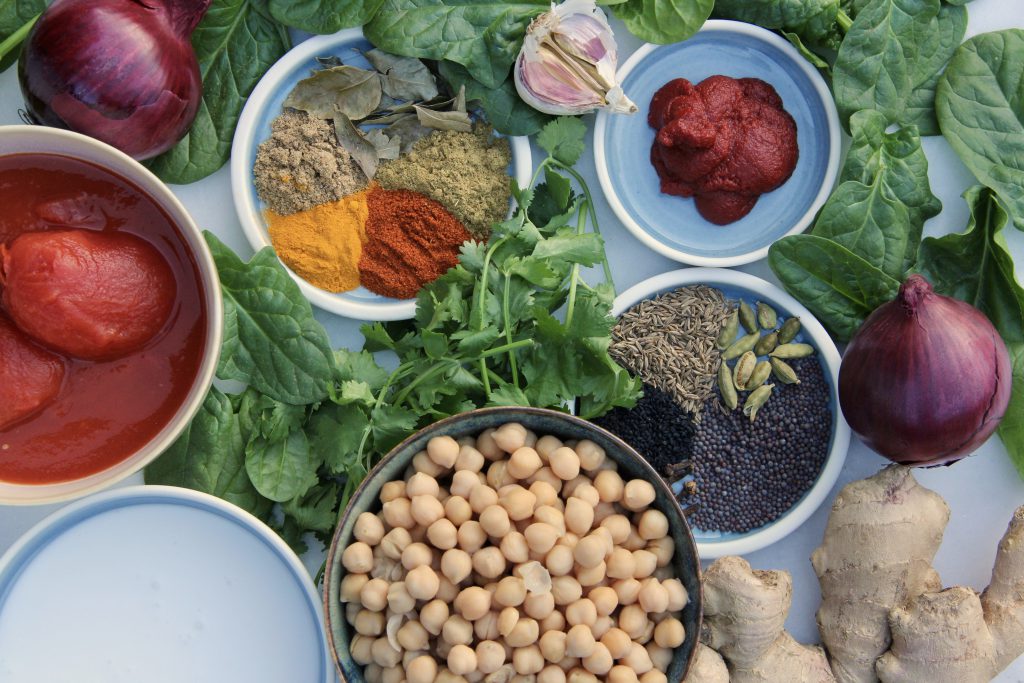
This dish is versatile in the number of plant foods, containing an array of 7 different herbs and spices to complement 8 different plant ingredients. Add the rice and you’re well on your way to your 30 different plant foods for the week. In addition, it is an excellent source of fibre, containing half the recommended daily fibre intake of 30g just in this dish alone.

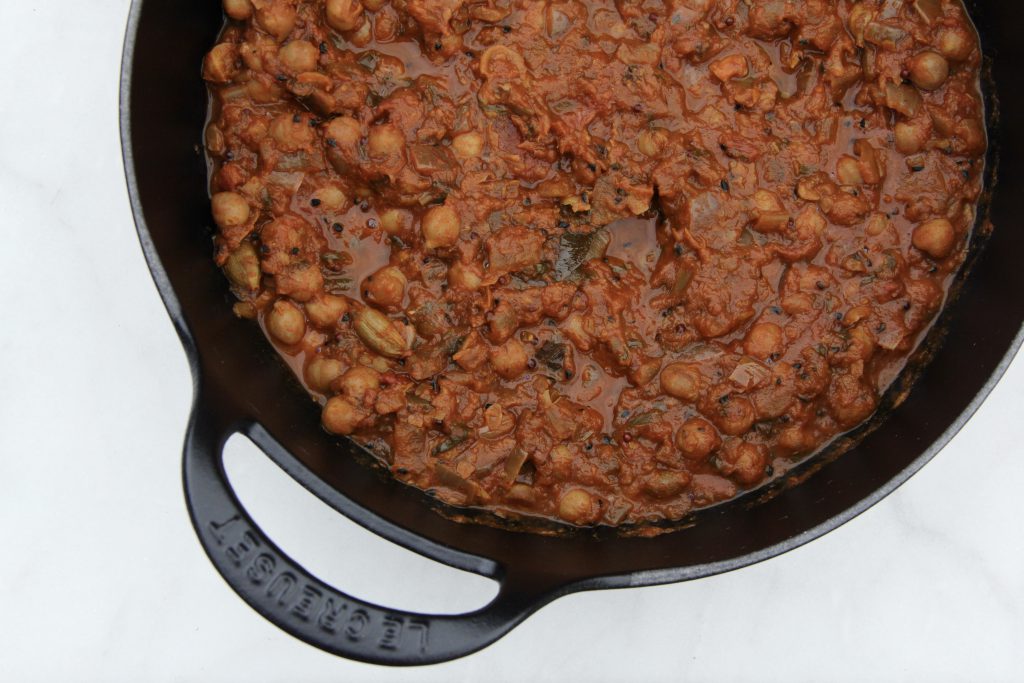
Cook the curry till thick

The trick to this dish is to cook it as slow and long as possible. If you don’t have much time to hand, it is still delicious if made within the hour, but if you have time, keep cooking on the lowest setting of your hob and top up with water when required. You could even get the curry ready, leave it overnight in the fridge and then quickly reheat it with the coconut milk and spinach the next day for a fast dinner.

The only other recommendation I can make would be to count in the cardamon pods and cloves. I hate nothing more than biting down on a whole clove mid way through my meal. Clove has a numbing effect, and is often used to help relieve tooth ache, not something I want to experience while eating my dinner. So, like a surgeon, I count them in, and then count them back out before serving, hopefully finding them all.

Serves 6

Ingredients

  • 2 onions, sliced
  • 2 tbsp rapeseed oil
  • 1 thumb sized piece of ginger
  • 5-6 cloves of garlic
  • 1 tsp onion seeds
  • 1 tsp mustard seeds
  • 1 tsp cumin seeds
  • 1 tsp cardamon seeds
  • 6 whole cloves
  • 1 tsp ground cumin
  • 1 tsp ground turmeric
  • 1 tsp chilli powder, or to taste
  • 1 tsp ground coriander
  • ~15 curry leaves
  • 35g tomato puree
  • 2 tins of chickpeas, drained and rinsed
  • 400g tinned tomatoes
  • 30g fresh coriander, chopped
  • 200ml coconut milk
  • 300g baby spinach leaves
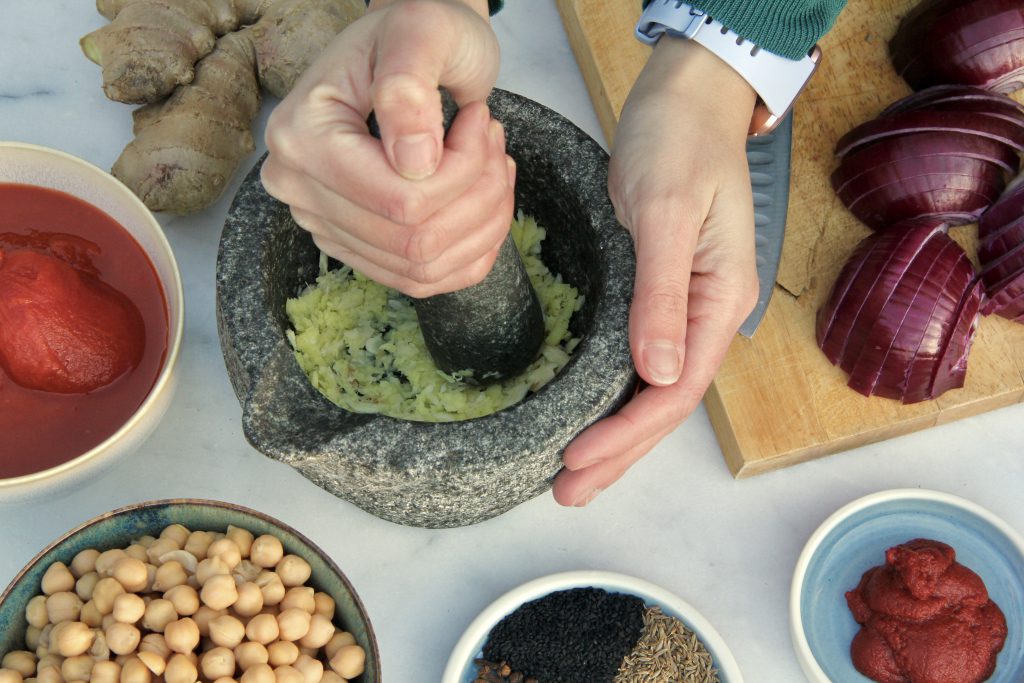
Use a pestle and mortar to crush the ginger and garlic

Method

  • Add the onions and rapeseed oil to a large pan and cook gently till the onions soften and become translucent.
  • Meanwhile, make a garlic and ginger paste in a pestle and mortar, bashing till as smooth as possible.
  • Add the garlic ginger paste, all the dried herbs and spices, tomato puree and chickpeas to the pan and cook together for 1 minute before adding the tinned tomatoes. Fill the empty tin with water and add the the pan.
  • Add the chopped coriander and allow to gently simmer away for an hour, or longer if you have the time. If the liquid reduces too much add some extra water.
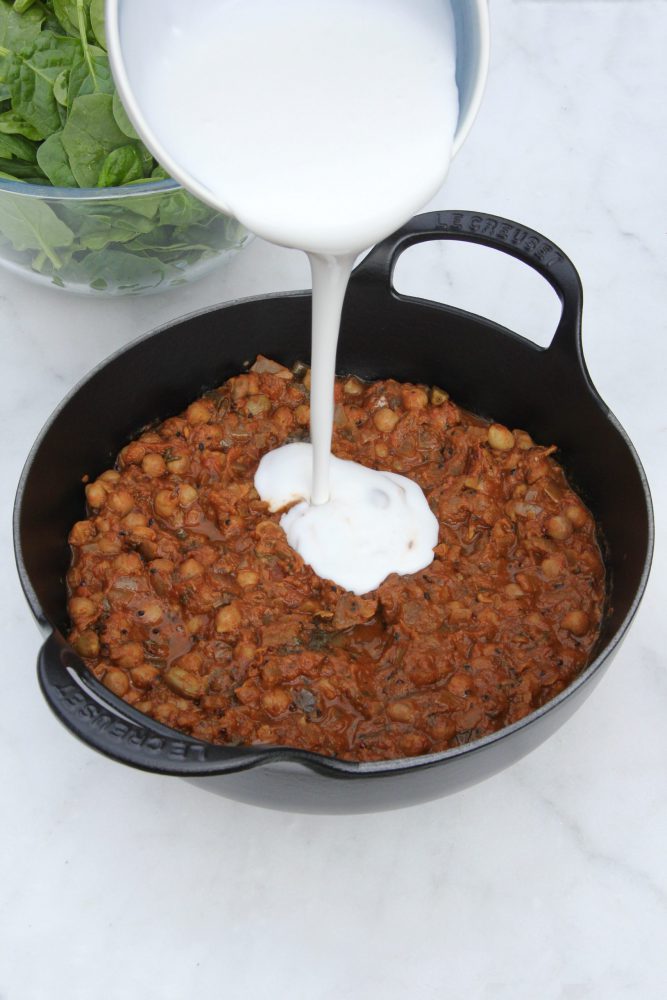
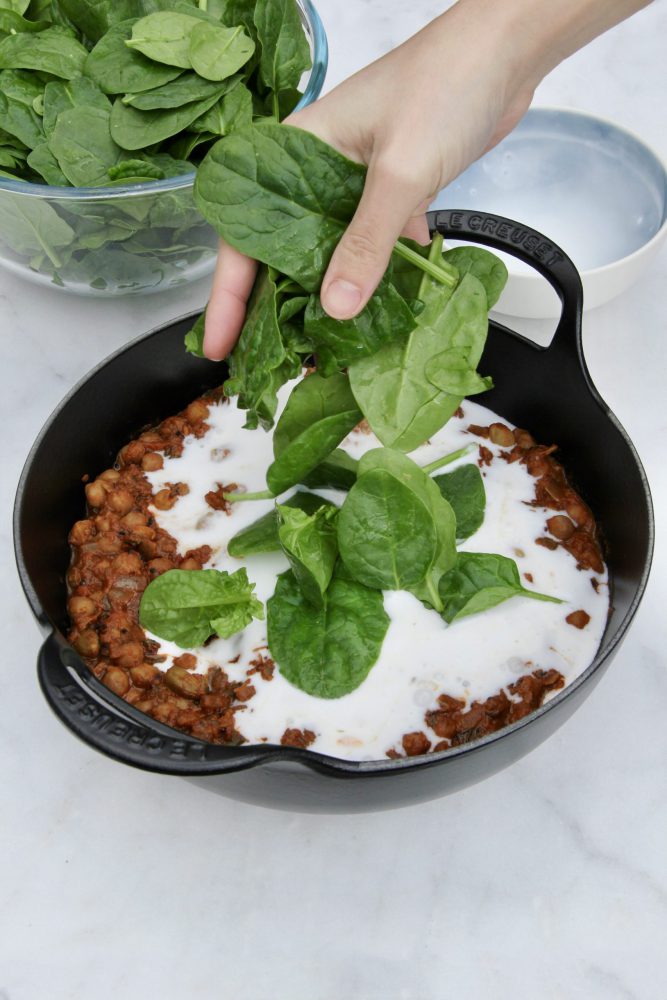
  • 10 minutes before serving, add the coconut milk and spinach before returning to the heat to allow the spinach to wilt. Season to taste.
  • Remove the cardamon pods and whole cloves, and serve with rice or naan.

Per serving 258kcal/ 13.6g fat/ 1.3g saturated fat/ 21.8g carbohydrates/ 15.9g fibre/ 9.3g protein

Cheats Refried Beans

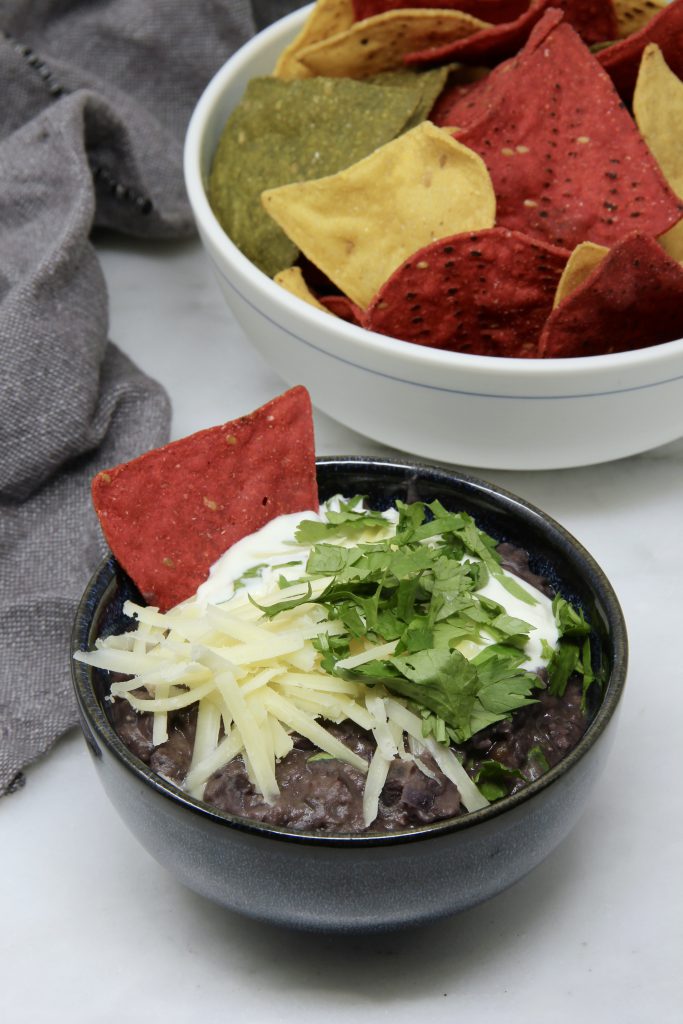
Refried beans are a party food staple in my house. I always make them whenever I’m having a gathering, but I have to be prepared and start the day before. However, this is the cheats version. I say cheat because I’m using already cooked beans from the tin. No need for soaking over night, or boiling for hours. You can decide to make these an hour before serving, without compromising on the taste.

This is a really versatile dip, something I always make in large batches as it sits well in the fridge for a week, ready to be lovingly transformed into the next meal. I love using this as a spread in a wrap for a burrito, quesadillas with melted cheese, enchiladas or even tostadas if you’re feeling fancy!

In addition, you can easily make these vegan. The recipe below is vegetarian, but if you replace the butter with rapeseed oil in the base mix, you’ll be all set for Veganuary. Then you can either use them as is, or use a vegan sour cream and cheese alternative to make the full on refried beans experience.

All that’s left to say is Happy New Year and enjoy whatever you’re doing (and eating)!

Serves 4

Recipe

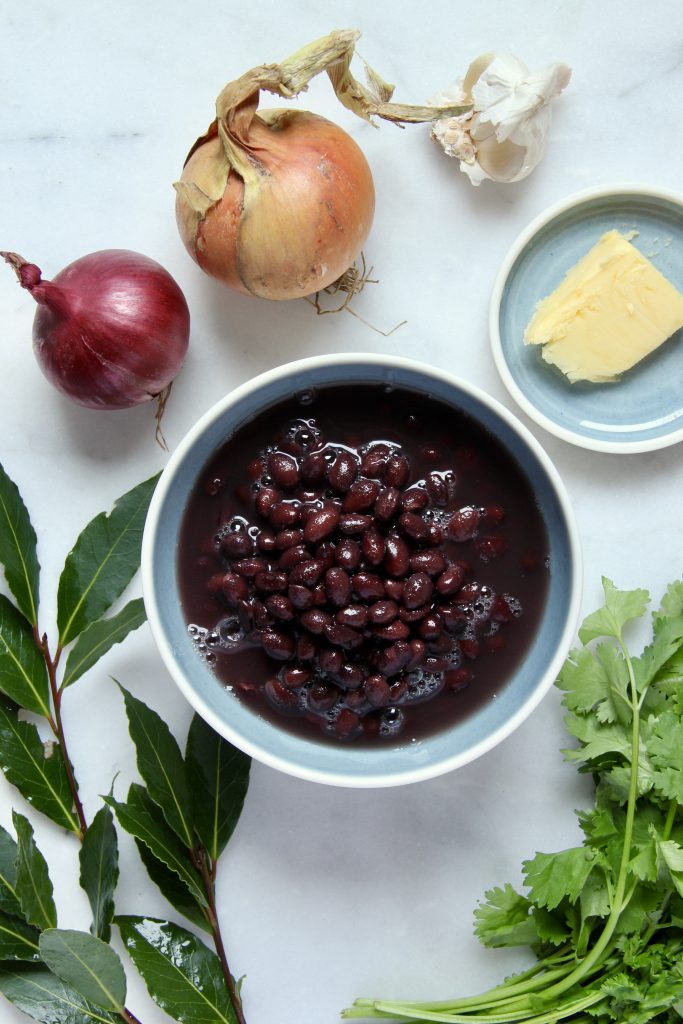
  • 1 tin of black beans
  • 3-4 large cloves of garlic, sliced in half
  • 1/2 white onion
  • 1 small bunch of coriander, stalks separated from leaves, leaves chopped
  • 3 fresh bayleaves, crushed
  • 1 red onion, finely diced
  • 20g butter (or rapeseed oil if making vegan)
  • 1 garlic clove, finely sliced

To serve (optional)

  • Soured cream
  • Cheese e.g. Cheddar, Cheshire or Wensleydale
  • Coriander leaves
  • Tortilla chips

Method

  • Pour the tin of black beans with their water into a pan. Fill the can with water and add to the beans.
  • Add the half onion, halved garlic, bayleaves and coriander stalks. Bring to the boil and allow to simmer for 30 minutes. If your beans were unsalted, add in salt to your taste.
  • Meanwhile, gently fry the red onion in your choice of fat till softened. Add the garlic and continue cooking for a further 2 minutes.
  • Drain the beans, reserving the cooking liquid. Discard the garlic, bayleaf, onion and coriander stalks.
  • Blend the beans with a little of the cooking water till the desired thickened of dipping. I like to keep mine quite chunky.
  • Add the fried onion and garlic and half the chopped coriander leaves.
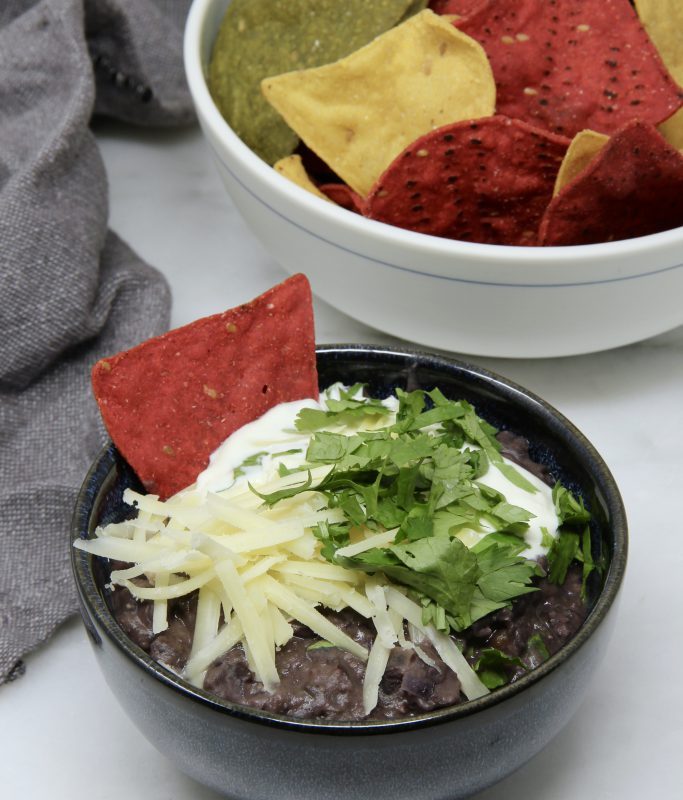
  • Top with soured cream, cheese and more coriander leaves and serve with tortilla chips.

Per Serving of Beans 96kcal/ 2.6g fat/ 1.5g saturated fat/ 11.2g carbohydrates/ 4.7 fibre/ 4.9g protein

Refried beans
Refried beans

Roasted Squash, Kale and Lentil Winter Salad

Winter Salad Inspiration

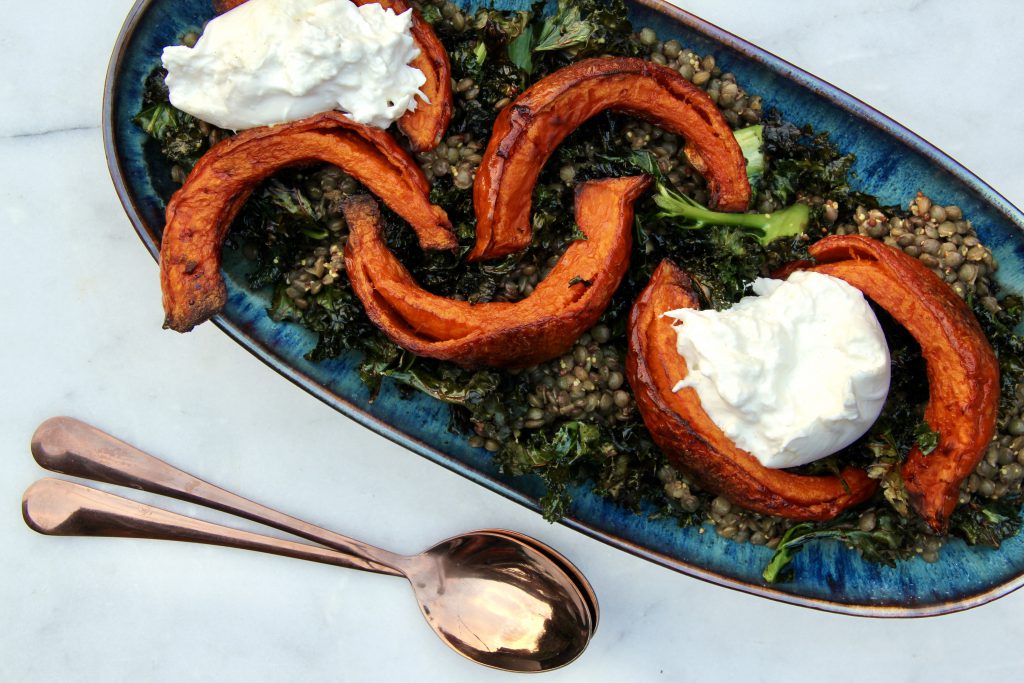
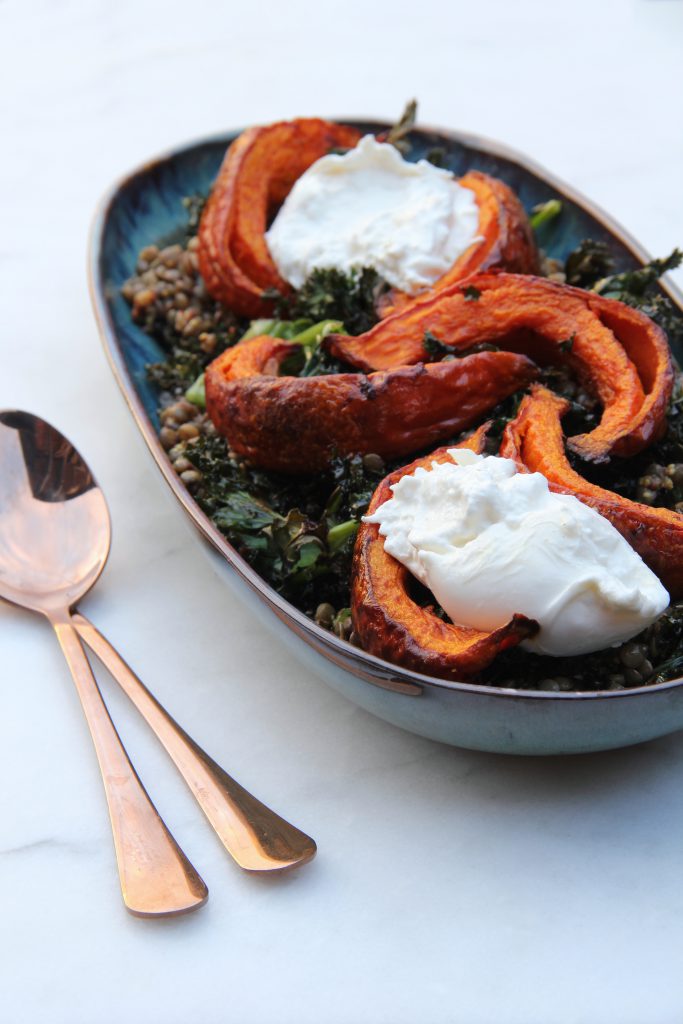
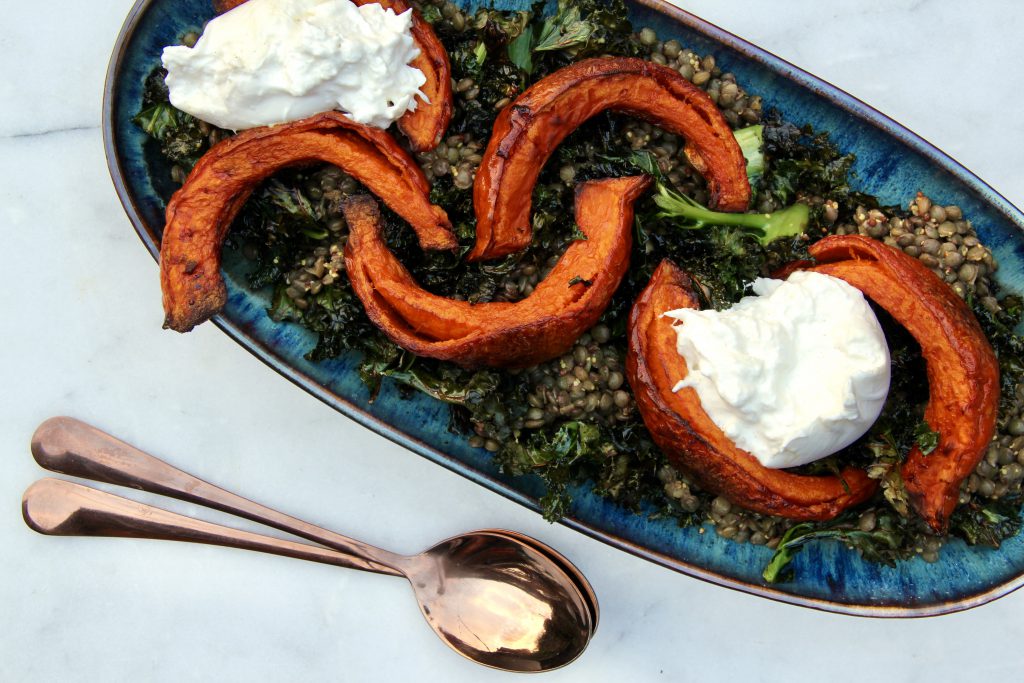
A gorgeous winter salad which uses seasonal vegetables and lets them shine as stars in the dish. Kale, a vegetable best in winter, is roasted till crispy. If you’ve never tried crispy kale, now is the time!

Combining both kale and lentils in this dish helps to increase the plant based iron. Additionally, kale is a good source of vitamin K, which has been shown to be beneficial for heart health by helping keep our arteries clearer.

Roasted Squash Winter Salad

I absolutely adore creamy burrata, a cousin of mozzarella. If you can’t find burrata in the shops, substitute with mozzarella. It will still be delicious!

Serves 2

Recipe 

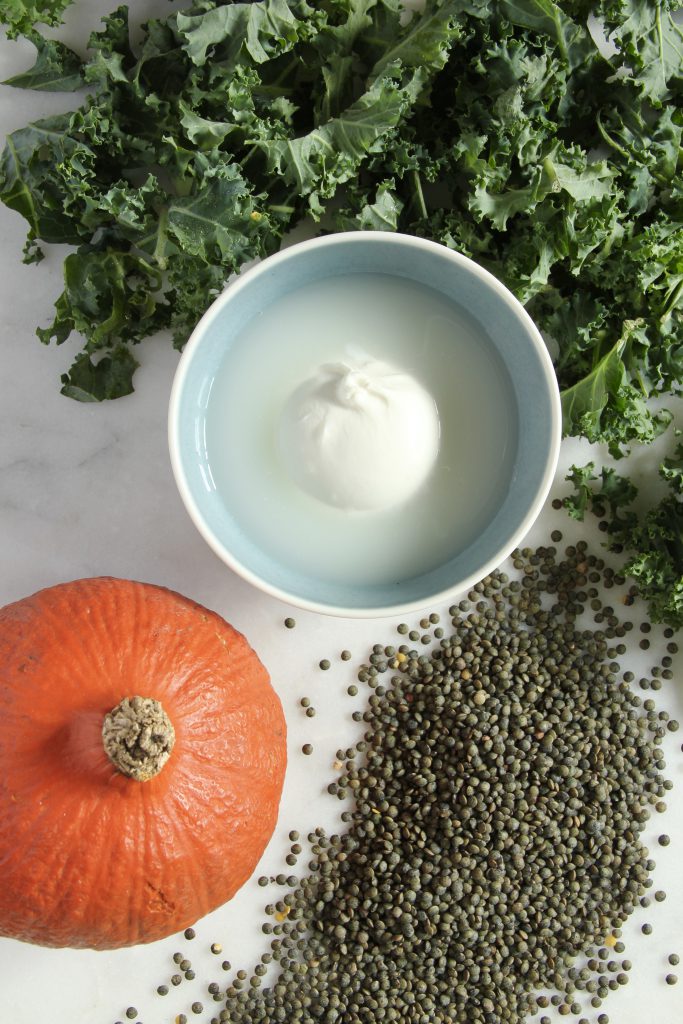
  • 300g Squash of choice, I’ve used Red Kuri, cut into large wedges
  • 2 tbsp rapeseed oil
  • 100g puy lentils
  • 10ml balsamic vinegar
  • 10g wholegrain mustard
  • 10ml extra virgin olive oil
  • 120g kale, washed and sliced into 1 inch chunks
  • 1 ball burrata
  • Seasoning to taste

Method 

  • Set the oven to 180°C fan/190°C convection. Place the squash on a baking tray and coat in 1 tbsp rapeseed oil and season. Roast for 30 minutes.
  • Meanwhile, cook the lentils by placing in a pan of cold water, bringing to the boil, and reducing the heat to a gentile simmer for 12-15 minutes till just firm to bite.
  • Drain the lentils and mix in the balsamic vinegar, mustard and olive oil.
  • Toss the remaining rapeseed oil with the kale, place on a second tray and roast for 8-10 minutes, turning every few minutes to allow every leaf to become crispy.
  • Layer the lentils, kale and squash onto plates and serve with the torn burrata ball over the top. Serve immediately.

Per serving 511 kcal/ 32.3g fat/ 12.4g saturated fat/ 32.5g carbohydrates/ 12.7g fibre/ 18.5g protein