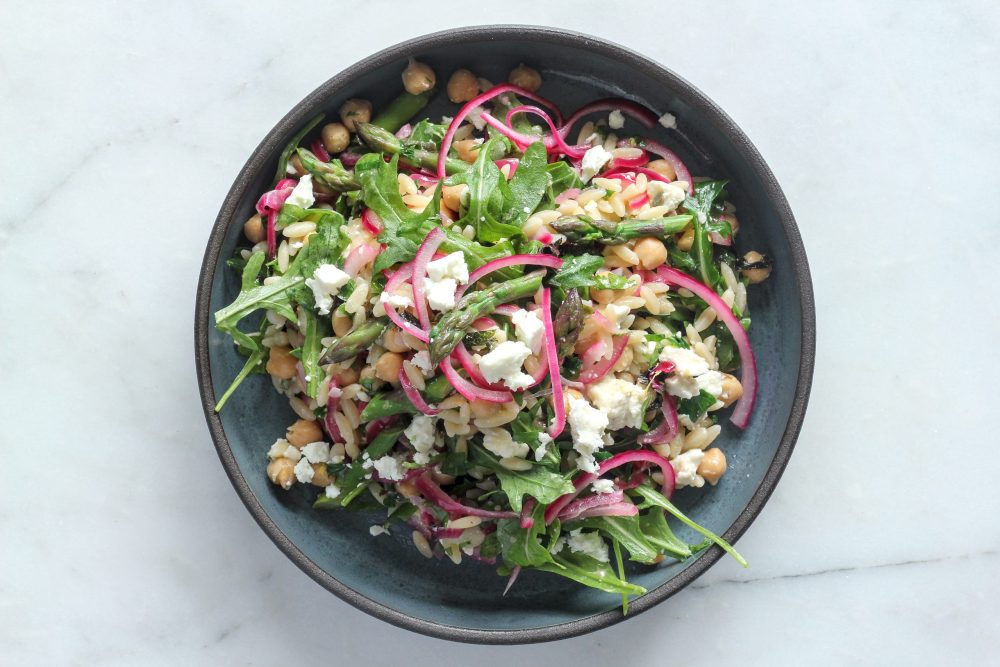
Lemon Orzo with Quick Pickled Onions

I made these quick pickled onions for some friends when I recently visited them in Portugal; they absolutely loved them! This is a really easy and quick way to take the edge off raw onions, something I personally don’t always enjoy. I also love the pop of hot pink colour they add to the dish; the longer you leave the onions in the lemon juice, the brighter the pink.

This is the perfect meal you can double up the batch to make once but eat twice. It’s great as a cold pasta salad the next day, which, in addition, will allow resistant starch to form as it cools down.

Each serving provides you with 2.5 of your 5-A-Day, including 13g of fibre and 31g a protein. To make vegan or dairy free switch the feta for a vegan feta or use some crumbled tofu.

Lemon Orzo Pasta

Serves 2

Ingredients

  • 1 red onion, finely sliced
  • Zest and juice of 1.5-2 lemons
  • 150g orzo
  • 150g prepared asparagus tips
  • 2 tbsp extra virgin olive oil
  • Herbs – I have used mint, oregano and flat-leaf parsley
  • 75g feta
  • 1 tin of drained and rinsed chickpeas
  • 80g rocket

Method

  • Start by pickling the onions by blanching in boiled water for 30 seconds before draining and covering in the lemon juice.
  • Meanwhile, cook the orzo in boiling water for 1 minute less than the cooking instructions. Add the asparagus for the last minute before draining.
  • Add the onions along with all the lemon juice to the hot pasta and stir to combine, followed by the lemon zest, olive oil, herbs and season with pepper to taste.
  • Crumble in the feta, along with the chickpeas and rocket and stir to combine.
  • Delicious served hot or cold.

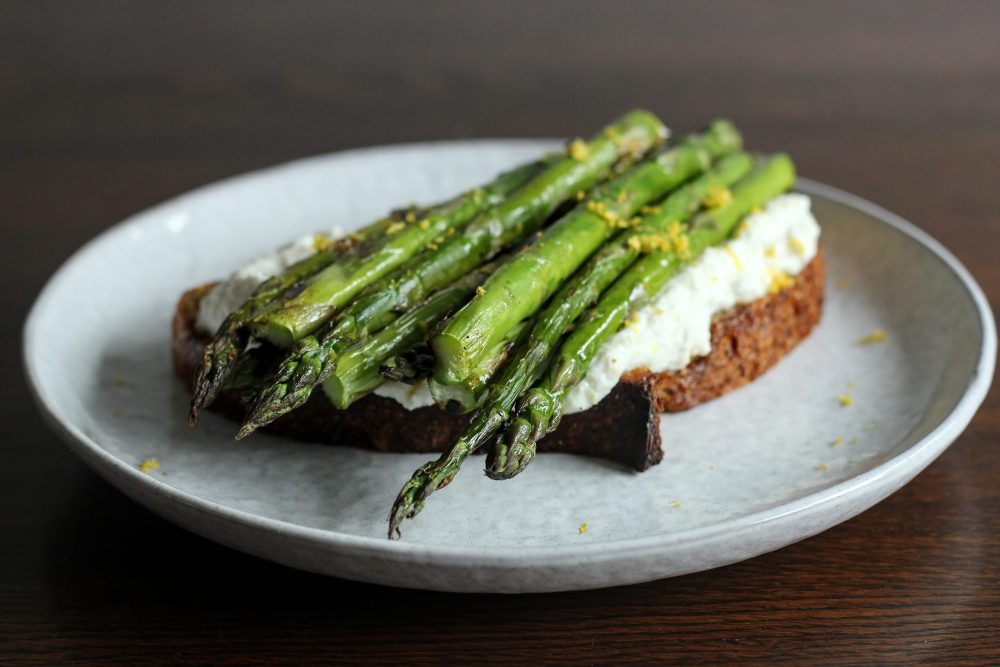
Griddled Asparagus Ricotta Toast

A really easy brunch idea that is light and refreshing, and perfect for late-morning spring brunches. Each serving provides you with a portion of vegetables, a portion of calcium, and fibre throughthe asparagus and seeded sourdough bread.

Serves 1

  • 1 slice of sourdough bread
  • 1 tbsp extra virgin olive oil
  • 1 bunch of asparagus, woody ends snapped off
  • 1 clove of garlic
  • 50g ricotta cheese
  • Zest of 1 lemon

Method

  • Preheat a griddle pan over a medium heat. Brush the bread with most of the oil and cook on each side till crisp.
  • Add the asparagus into the same pan, and brush with the remaining oil.
  • Once the bread is toasted rub the garlic clove over the surface of the bread to impart flavour.
  • In a bowl combine the ricotta cheese with the zest of a quarter lemon, season to taste and spread over the bread.
  • Pile the asparagus on top high and dust with a little extra lemon zest.
Asparagus Ricotta Toast

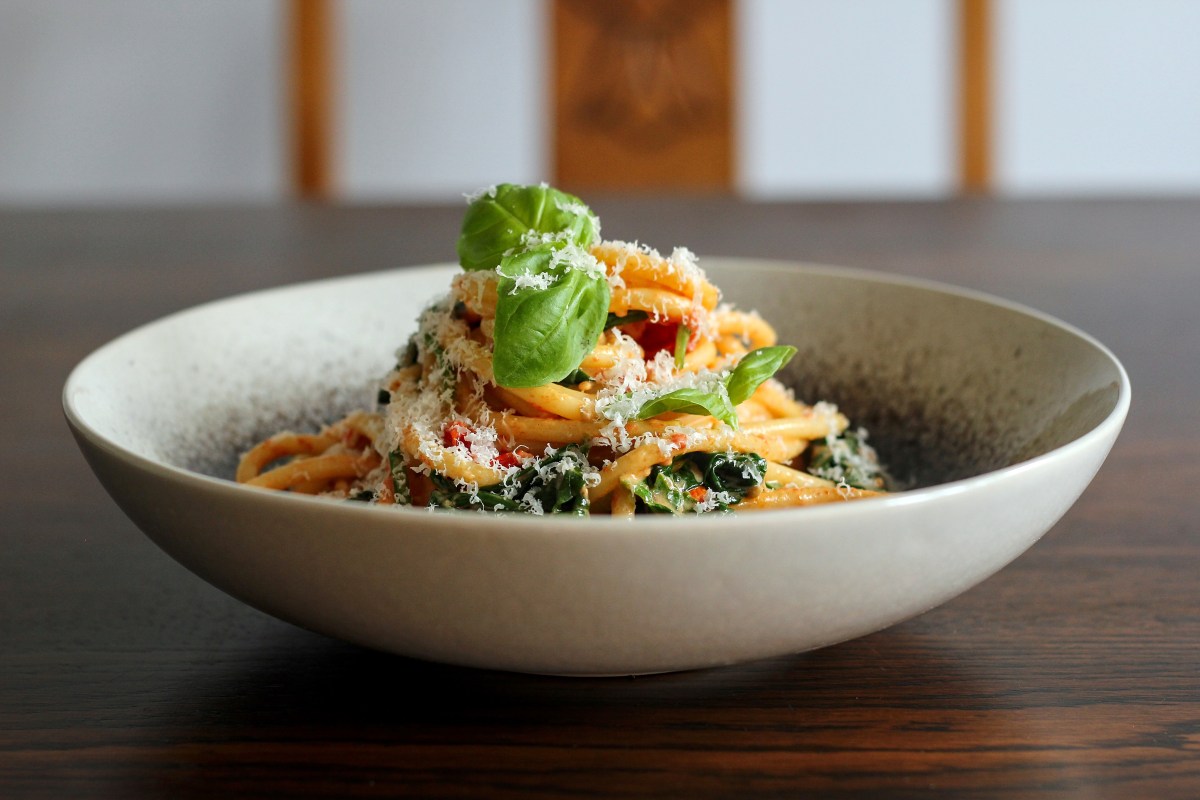
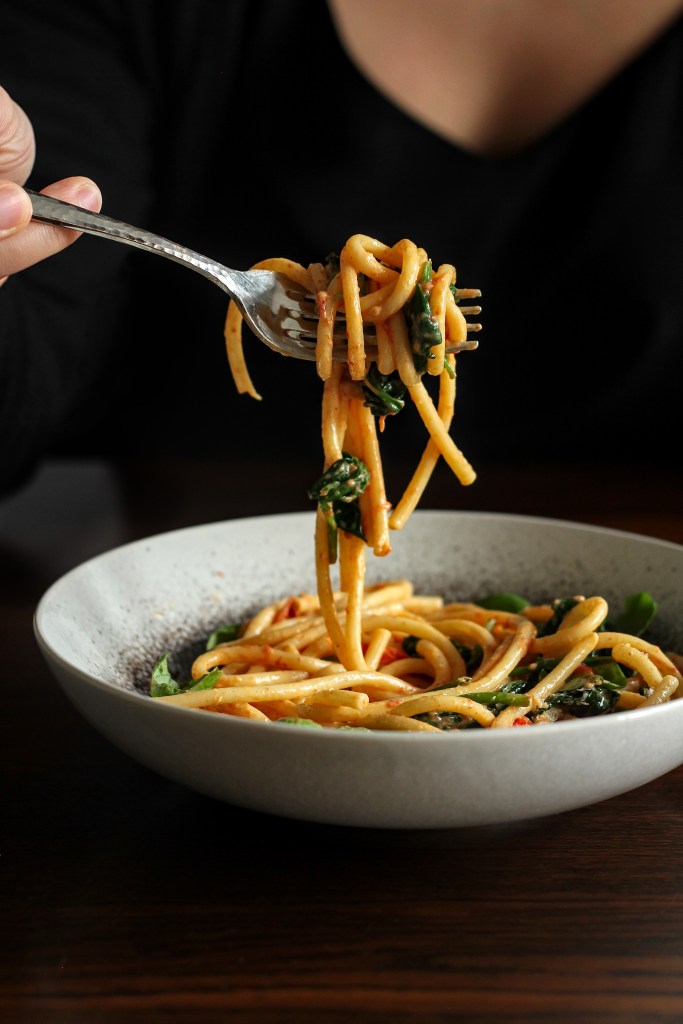
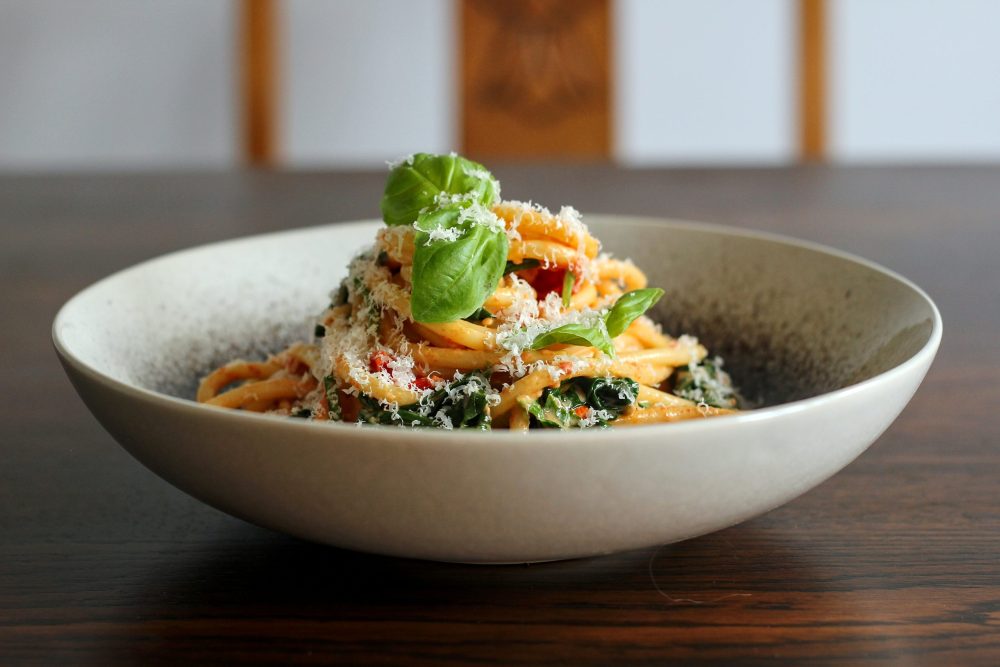
Roasted Tomato & Mascarpone Pasta

If you find yourself short on time, but still want a homemade dinner, this pasta sauce is so easy, and completely adaptable to your schedule. If you need to have a longer gap, reduce the oven temperature and increase the time, the end result will be almost identical, whilst giving you the flexibility you need to do your work, or exercise, or pick the kids up from school or in my case, walk the dog.

Cooking tomatoes in this way actually increases their lycopene content as the cells in the walls of the tomatoes have time to break down and release the lycopene, making it more bioavailable to our bodies. Lycopene is a type of antioxidant that can help protect our bodies from oxidative damage. Pairing it with a healthy fat, such as extra virgin olive oil as I have done here, can again help improve absorption rates as it’s fat soluble. Therefore, this is a delicious way to get some extra lycopene in your diet to help benefit your body.

Serves 4

Ingredients

  • 300g tomatoes, any size but larger ones will need to be cut into large chunks about cherry tomato sized
  • 1 head of garlic, top sliced off to expose the cloves
  • 3 tbsp extra virgin olive oil
  • 125g mascarpone
  • 300g pasta of choice
  • 240g baby leaf spinach*
  • 15g basil
  • Parmesan to serve

Method

  • Add the tomatoes and garlic to an ovenproof dish where it all fits snugly, and drizzle over the olive oil. Cook in an oven set to 150°C fan for 1.5 hours.
  • Once cooked, squeeze the garlic out of the skins and mash into the tomatoes with the mascarpone and season to taste with pepper.
  • Meanwhile, bring a large pan of water to the boil and cook your pasta for 4 minutes less than the cooking time.
  • Drain, reserving a large mug of pasta water and return to the pan with a little pasta water, but not all. Add the spinach and stir in, cooking over a low heat for 2 minutes till the spinach has wilted. Remove from the heat.
  • Add the pasta sauce and basil and stir to combine, using a little extra pasta water if needed to loosen the sauce.
  • Serve with parmesan over the top.

*other suitable veg include swiss chard, broccoli, kale, or try roasting other veg at the same time as the tomatoes such as courgettes, peppers or aubergine.

Roasted Tomato & Mascarpone Pasta

If you find yourself short on time, but still want a homemade dinner, this pasta sauce is so easy, and completely adaptable to your schedule. If you need to have a longer gap, reduce the oven temperature and increase the time, the end result will be almost identical, whilst giving you the flexibility you need to do your work, or exercise, or pick the kids up from school or in my case, walk the dog.

Cooking tomatoes in this way actually increases their lycopene content as the cells in the walls of the tomatoes have time to break down and release the lycopene, making it more bioavailable to our bodies. Lycopene is a type of antioxidant that can help protect our bodies from oxidative damage. Pairing it with a healthy fat, such as extra virgin olive oil as I have done here, can again help improve absorption rates as it’s fat soluble. Therefore, this is a delicious way to get some extra lycopene in your diet to help benefit your body.

Serves 4

Ingredients

  • 300g tomatoes, any size but larger ones will need to be cut into large chunks about cherry tomato sized
  • 1 head of garlic, top sliced off to expose the cloves
  • 3 tbsp extra virgin olive oil
  • 125g mascarpone
  • 300g pasta of choice
  • 240g baby leaf spinach*
  • 15g basil
  • Parmesan to serve

Method

  • Add the tomatoes and garlic to an ovenproof dish where it all fits snugly, and drizzle over the olive oil. Cook in an oven set to 150°C fan for 1.5 hours.
  • Once cooked, squeeze the garlic out of the skins and mash into the tomatoes with the mascarpone and season to taste with pepper.
  • Meanwhile, bring a large pan of water to the boil and cook your pasta for 4 minutes less than the cooking time.
  • Drain, reserving a large mug of pasta water and return to the pan with a little pasta water, but not all. Add the spinach and stir in, cooking over a low heat for 2 minutes till the spinach has wilted. Remove from the heat.
  • Add the pasta sauce and basil and stir to combine, using a little extra pasta water if needed to loosen the sauce.
  • Serve with parmesan over the top.
Roasted Tomato and Mascarpone Pasta

*other suitable veg include swiss chard, broccoli, kale, or try roasting other veg at the same time as the tomatoes such as courgettes, peppers or aubergine.

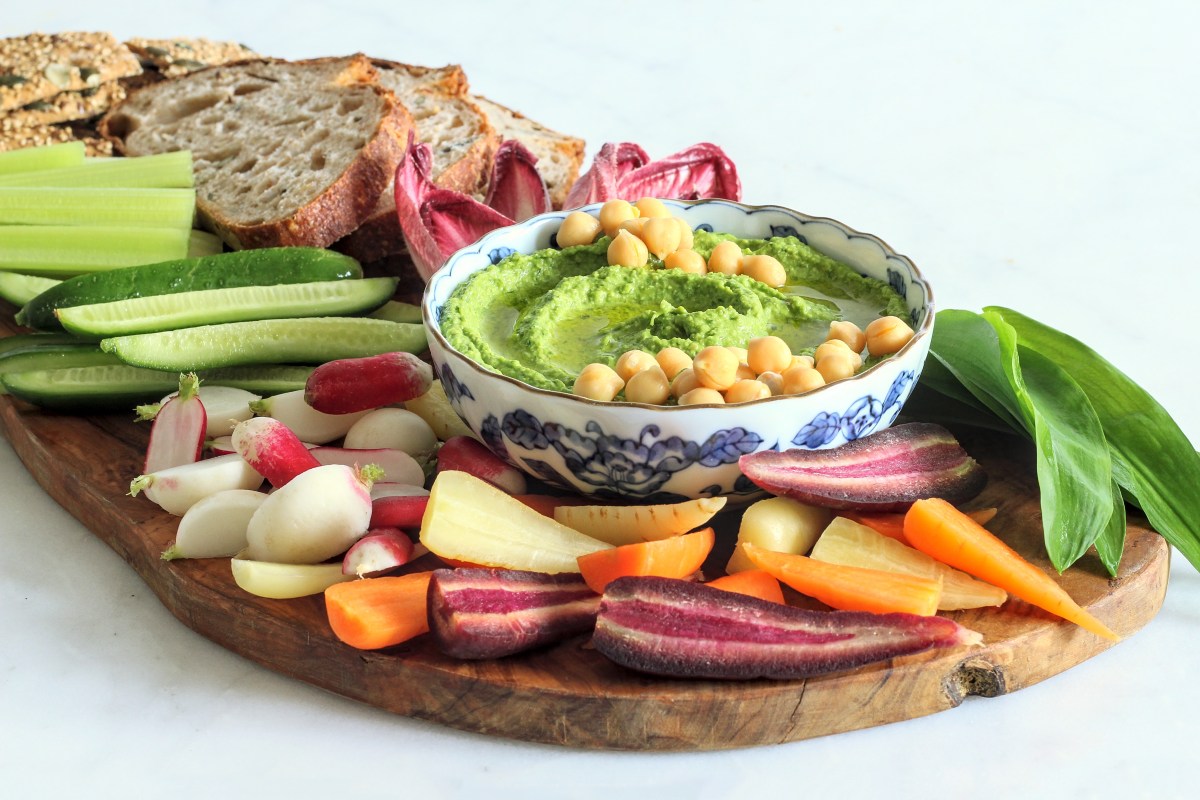
Wild Garlic Hummus

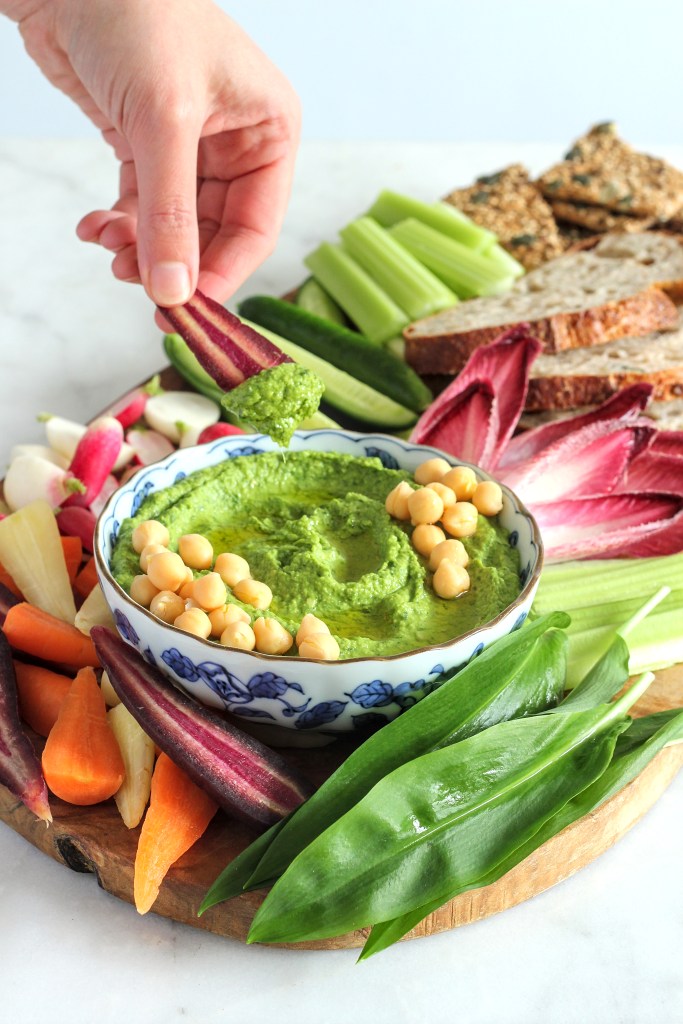
I’ve had a few requests for some wild garlic recipes which are easy, so I’ve made this Wild Garlic Hummus which couldn’t be simpler for anyone wanted to use wild garlic which has arrived in their weekly veg delivery box. You can choose how much wild garlic you want to use, and obviously the more you use, the greener it will be as well as the stronger the garlic taste – you can always add more!

Ingredients

  • 50-100g wild garlic
  • 1 tin of chickpeas
  • Juice of 1-2 lemons
  • 50g tahini
  • 2tbsp extra virgin olive oil

Method

  • Add everything to a blender and blend to a desireable consistency, adding extra lemon juice of olive oil where needed.
  • Serve with your favourite crudités, bread, crackers, storing any leftovers in an airtight container in the fridge for up to 7 days.
Wild Garlic Hummus

Wild Garlic Hummus

I’ve had a few requests for some wild garlic recipes which are easy, so I’ve made this Wild Garlic Hummus which couldn’t be simpler for anyone wanted to use wild garlic which has arrived in their weekly veg delivery box. You can choose how much wild garlic you want to use, and obviously the more you use, the greener it will be as well as the stronger the garlic taste – you can always add more!

Ingredients

  • 50-100g wild garlic
  • 1 tin of chickpeas
  • Juice of 1-2 lemons
  • 50g tahini
  • 2tbsp extra virgin olive oil

Method

  • Add everything to a blender and blend to a desirable consistency, adding extra lemon juice or olive oil where needed.
  • Serve with your favourite crudités, bread, crackers, storing any leftovers in an airtight container in the fridge for up to 7 days.
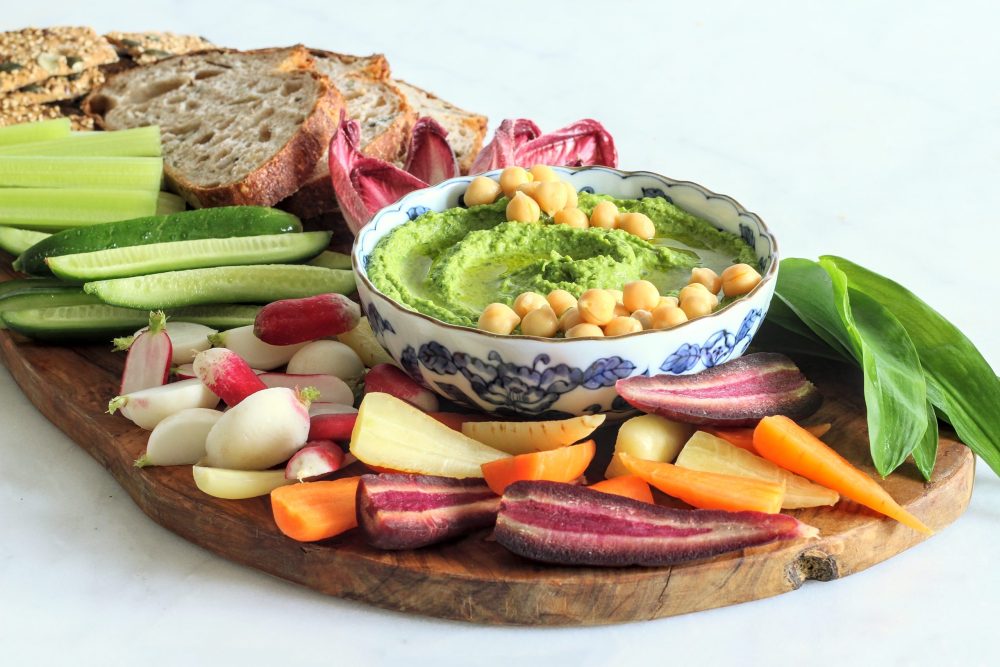
Wild Garlic Hummus

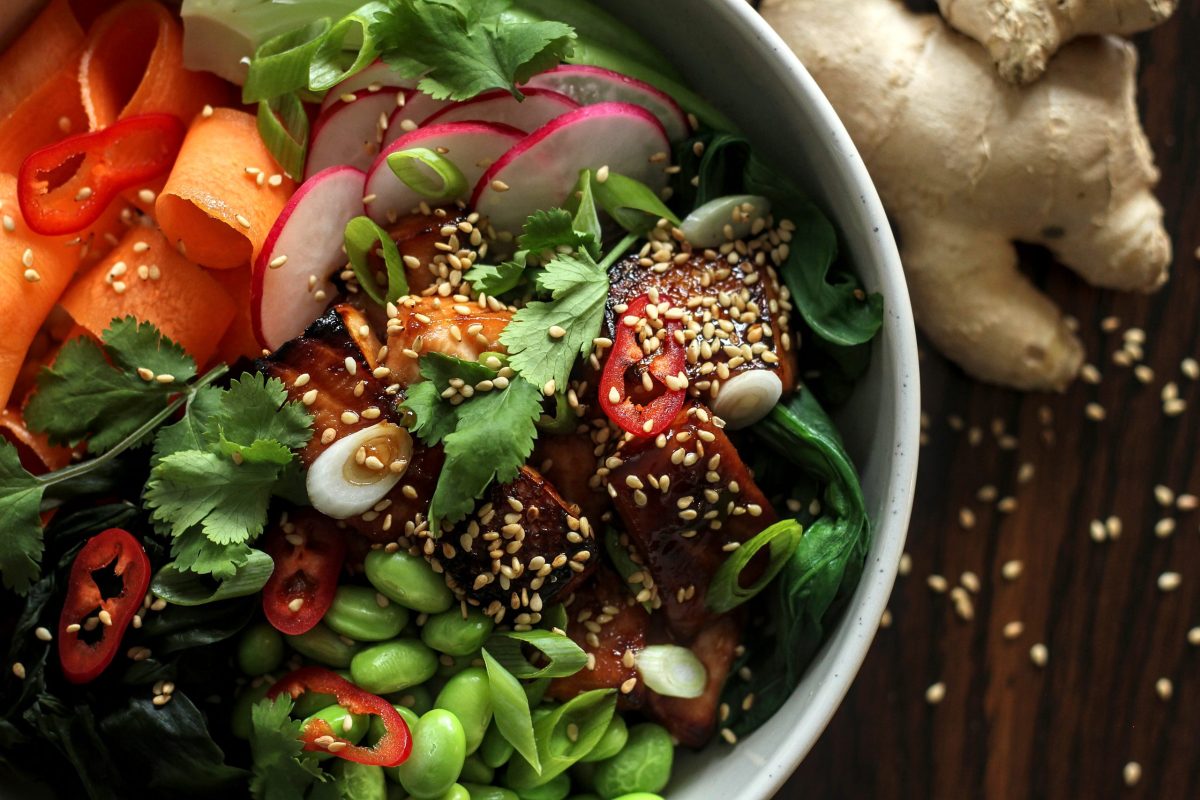
Salmon Teriyaki Bowl

I love making this sticky and sweet salmon teriyaki, and cutting the salmon into small cubes means that there are more sticky corners where the sugar from the honey can caramelise on the fish. It also means that you can cook the salmon in 10 minutes so dinner can be served quicker!

In the UK we don’t consume enough oily fish, and I think one of the major barriers to this is that people don’t like the taste of fish. Therefore, I think if we can make a really delicious recipe using fish, yes with some added sugars, then there are still going to be benefits gained from this.

Serves 4

Ingredients

  • 4 tbsp light soy sauce
  • 2 tbsp honey
  • 2 tbsp sake
  • 4 tbsp mirin
  • 1 tsp grated ginger
  • 1 garlic clove, grated
  • 500g salmon, descaled and cut into cubes

To serve

  • Cooked brown sushi rice
  • Pickled carrots
  • Wakame
  • Pak Choi
  • Edamame beans
  • Radish
  • Coriander
  • Chillis
  • Spring onions
  • Sesame seeds

Method

  • Heat the honey, soy sauce, mirin and sake in a pan together till reduced to half the volume, add the ginger and garlic towards the end. Allow to cool.
  • Preheat your oven to 225°C fan/ and 250°C convection
  • Mix the salmon with half the teriyaki sauce, reserving the remaining half for later. Line a baking tray and spread the salmon out evenly, spacing the pieces out.
  • Bake in the oven for 8-10 minutes till the edges of the salmon are sticky and charred.
  • Serve the salmon over the rice alongside all the veg, adding a final drizzle of teriyaki sauce over the top.
Salmon Teriyaki

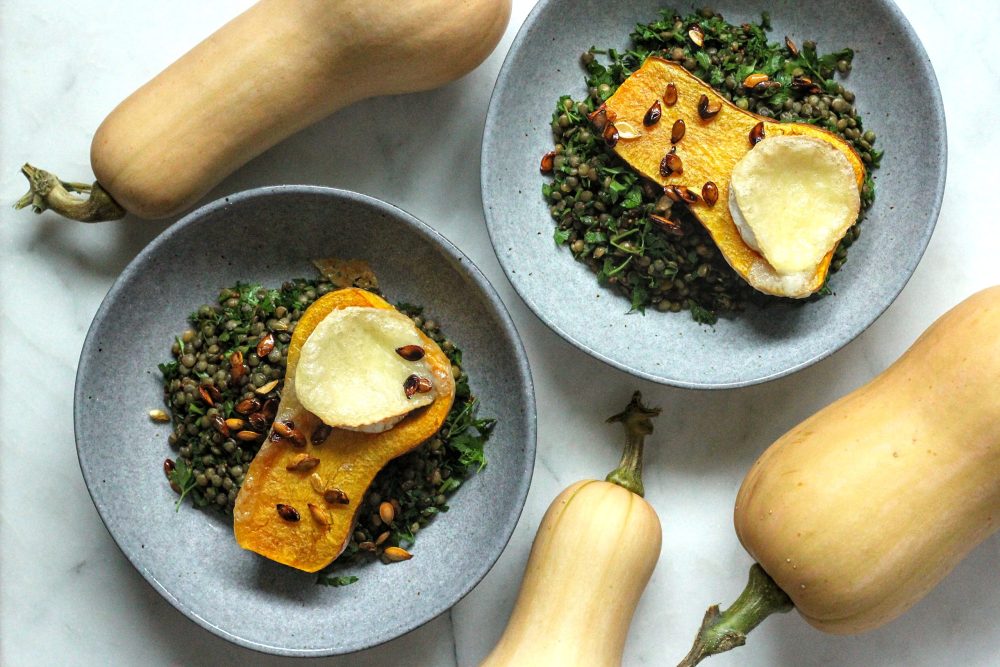
Roasted Butternut Squash and Lentil Salad

Salad means different things to different people. I refer to this as a salad, even though there is a distinct lack of green leafy vegetables as you might often think of. But trust me, this is worth adding to your repertoire!

It’s packed full of lovely ingredients that help provide a wide variety of nutrients including plenty of plant-based protein, fibre, vitamin A (in the form of beta-carotene), iron, folate and vitamin K1 to name but a few.

For those following a full plant-based diet try swapping the goat cheese for a plant-based cheese alternative, or use tofu and roast in the same way.

You also know that I love to use as much of my homegrown veg as possible. So, I’m making sure I save the seeds and roast them up as a crispy topping. It adds an extra texture dimension to the whole dish and saves edible food from going into the bin. The seeds also have slightly different nutritional properties to the flesh of the butternut squash itself, so it really is a win-win situation.

Serves 2

Ingredients

  • 1 small butternut squash, around 400g when prepared, saving the seeds
  • 2 cloves of garlic, skin on
  • 2 tbsp extra virgin olive oil
  • 100g goat cheese, sliced in half
  • 100g puy lentils
  • 1 tsp wholegrain mustard
  • 1 tbsp balsamic vinegar
  • 30g chives, finely chopped
  • 50g flat-leaf parsley, finely chopped

Method

  • Preheat the oven to 180°C fan/ 200°C convection
  • Prep the butternut squash by removing the very ends and slicing in half lengthways. Remove the seeds, but save for later. Coat the butternut squash in 1 tbsp olive oil and place on a baking tray. In a separate small ovenproof dish add the garlic and 1/2 tbsp olive oil and cover. Bake for 25 minutes.
  • Meanwhile, separate the seeds from the pulp and dry before mixing with the remaining 1/2 tbsp olive oil. Remove the roasted garlic dish and spread the seeds out over the tray, and add the goat cheese into the cavity of the butternut squash. Bake for 12-15 minutes till the seeds are crispy and the cheese has melted.
  • Meanwhile, cook the lentils by bringing them to the boil and then simmer for 12-15 minutes till soft but still with a bite.
  • Remove the garlic skins and mash the garlic into the oil with the mustard and balsamic vinegar to make a sauce. Mix into the hot lentils, and once slightly cooled mix in the herbs.
  • Serve straight away hot, or equally delicious eaten cold as leftovers the next day.
Roasted Butternut Squash and Lentil Salad

Per serving: 565kcal/ 29g fat/ 11g saturated fat/ 40g carbohydrates/ 15g fibre/ 28g protein

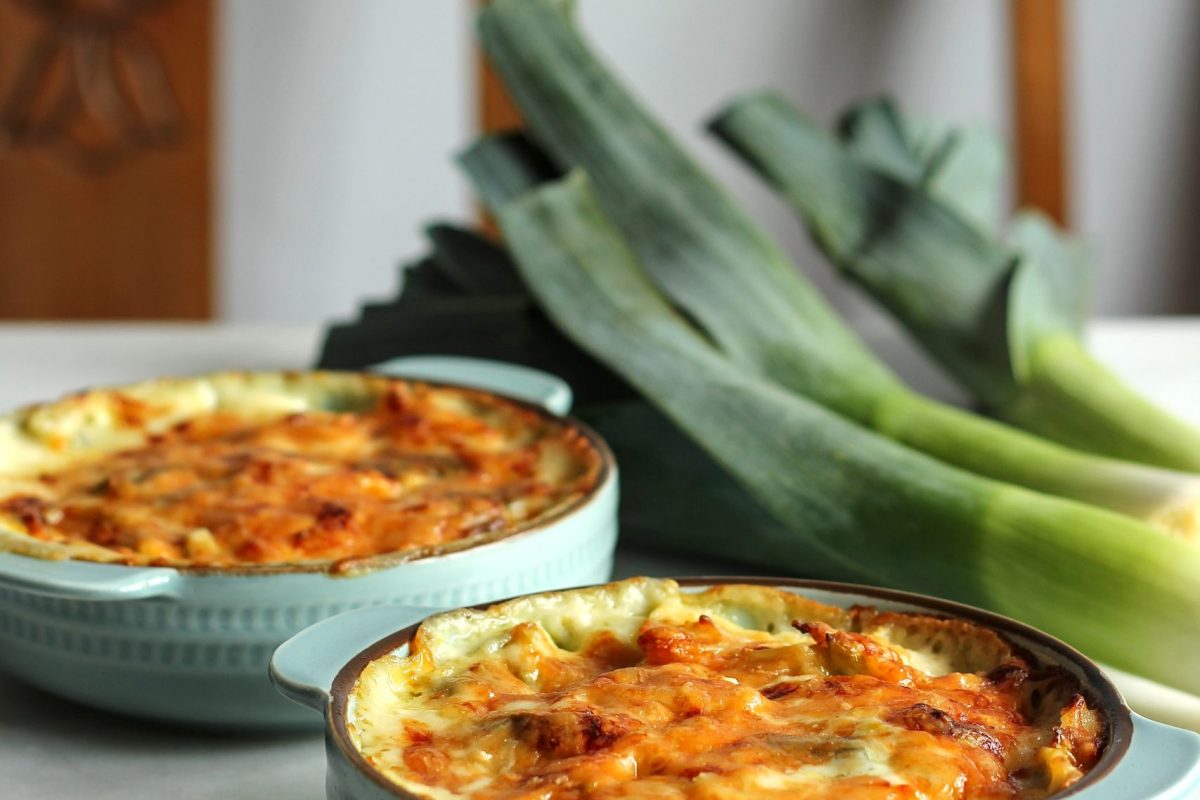
Leek and Gruyère Cheese Pasta

I love a warm and comforting bowl of pasta when it’s cold and grey outside. It really helps to brighten my mood. I also want it to be seasonal, so I’ve used leeks in this dish, which adds flavour as well as some prebiotics.

Feel free to swap for any other cheese you have in the fridge. The sweet leeks will go well with most cheeses. I just love the cheese pull of melted Gruyère.

Serves 2

Ingredients

  • 1 leek, approximately 200g, washed and sliced
  • 40g butter
  • 35g plain flour
  • 450ml semi-skimmed milk
  • 1 tsp mustard
  • 100g Gruyère cheese, grated
  • 150g pasta shape of choice

Method

  • Gently cook the leek in the butter till soft, before adding in the flour. Mix to create a paste and slowly add the milk, stirring continuously to create a smooth sauce.
  • Once all the milk is added, stir in the mustard and half the Gruyère.
  • Meanwhile, cook the pasta according to the packet instructions, drain, and then stir the sauce through.
  • Pour the pasta into an ovenproof dish, top with the remaining cheese, and bake at 180°C fan/ 200°C convection for 15-20 minutes till golden brown and bubbling.

Per serving: 816kcal/ 39g fat/ 24g saturated fat/ 79g carbohydrates/ 7.2g fibre/ 34g protein

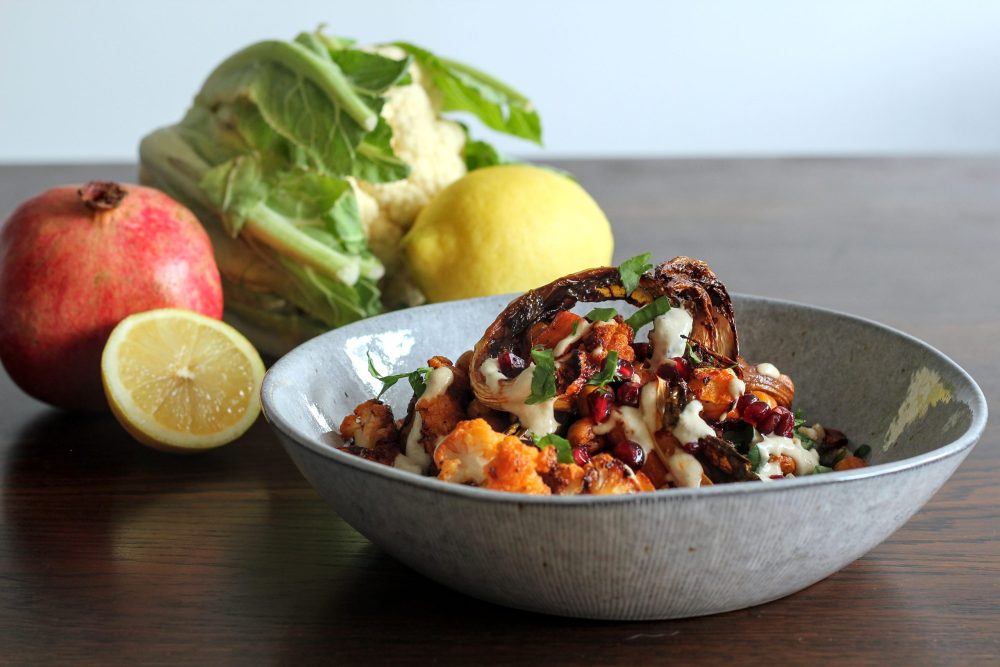
Roasted Harissa Cauliflower and Chickpea Traybake with Herbed Spelt

Using my principles of sustainable nutrition, here is a delicious recipe incorporating using more of the food we grow and reducing food waste, eating more plant-based proteins, cooking in bulk, and diversifying the foods we grow and eat. Added all together each serving of my Roasted Harissa Cauliflower and Chickpea Traybake with Herbed Spelt provides you with a whopping 19g fibre and 22g plant-based protein.

Serves 6

Ingredients

  • 1 large cauliflower head, leaves and all (1.1kg), cut up into chunks, and larger leaves sliced in half through the stem
  • 3 carrots, cut into chunks
  • 2 red onions, cut into wedges
  • 80g harissa paste
  • 2 tsp cumin seeds
  • 3 tbsp extra virgin olive oil
  • 2 tins of chickpeas, drained, rinsed and patted dry
  • 300g spelt
  • 50g flat-leaf parsley, roughly chopped
  • 30g chives, finely sliced
  • 2 tbsp tahini
  • Juice of half a lemon
  • 4 tbsp of pomegranate seeds

Method

  • Preheat the oven to 180°C fan/ 200°C convection while you prep the cauliflower, carrots and onions. Mix these veg together with the harissa paste and 2 tbsp olive oil. Spread out over 2 trays and roast for 20 minutes.
  • Mix the remaining oil and chickpeas together, and add to the trays, mixing the partially cooked veg.
  • Meanwhile, cook the spelt by bringing it to a boil in a large pan of water, and then allow to simmer for 20-30 minutes depending on the type of spelt you have. It should remain al dente in the middle. Once cooked, allow to cool slightly before adding the herbs in.
  • Make a dressing by mixing the tahini and lemon juice together. It will become thick, so thin with water to a consistency of double cream, or your preference.
  • Serve everything together, topped with the tahini dressing and sprinkle with pomegranate seeds over the top.
Harissa Roasted Cauliflower and Chickpea Bake

Per serving: 487kcal/ 10g fat/ 1.4g saturated fat/ 68g carbohydrates/ 19g fibre/ 22g protein

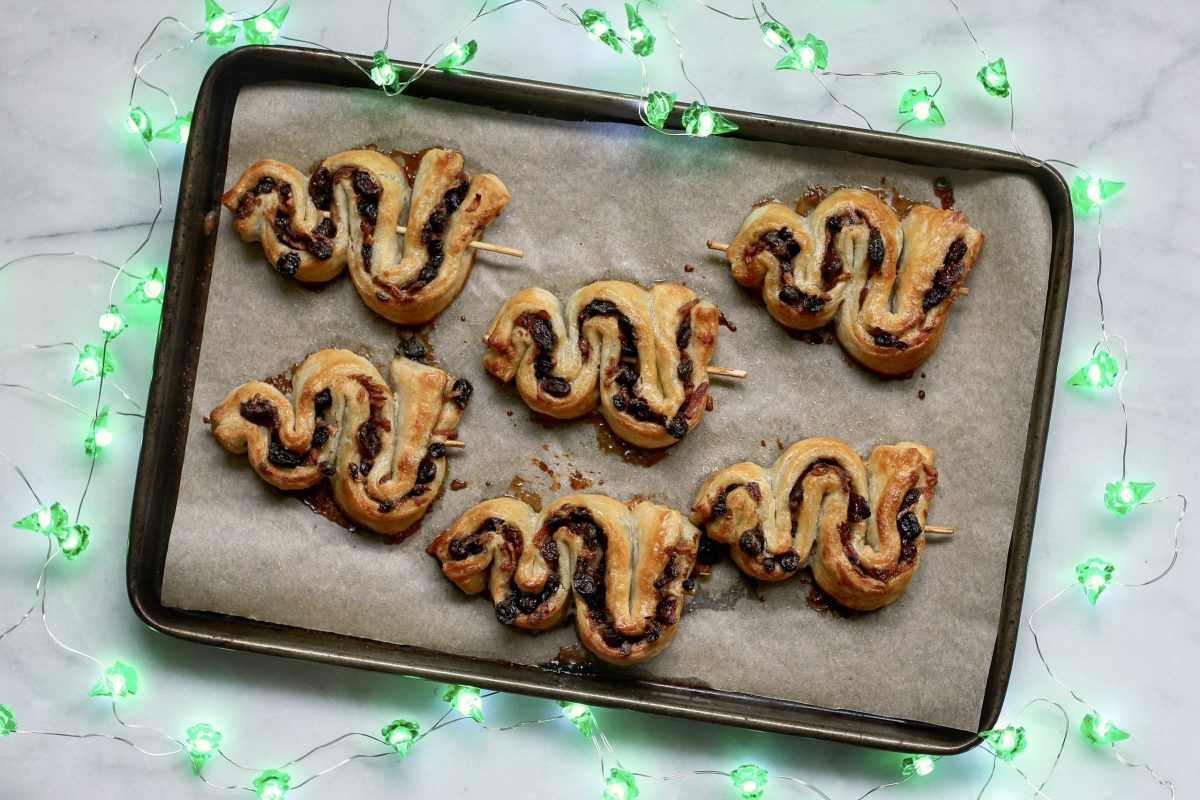
Christmas Tree Mince Pies

The viral Christmas Tree Mince Pies have landed here on my page, and boy are they worth making! They’re perfect for the festive season, and equally delicious as my more traditional mince pies.

Makes 12

Ingredients

  • 2 sheets of ready-rolled puff pastry
  • Flour for dusting
  • 425g mincemeat
  • 1 egg, beaten
  • 1 tbsp caster sugar

Method

  • Roll out a sheet of puff pastry and lightly dust it with flour
  • Spread the mincemeat over the sheet of pastry, before layering the second sheet of puff pastry over the top. Gently roll to stick the two sheets together
  • Slice the pastry into 12 even lengths and fold each strip over itself to form a tree. Secure in place with a wooden skewer and place on a lined baking sheet
  • Brush with an egg glaze and sprinkle with sugar before baking in a preheated oven set to 180°C fan/ 200°C convection for 20-25 minutes till golden and crispy
  • Allow to cool slightly, but delicious served warm
Christmas Tree Mince Pies

Merry Christmas everyone!

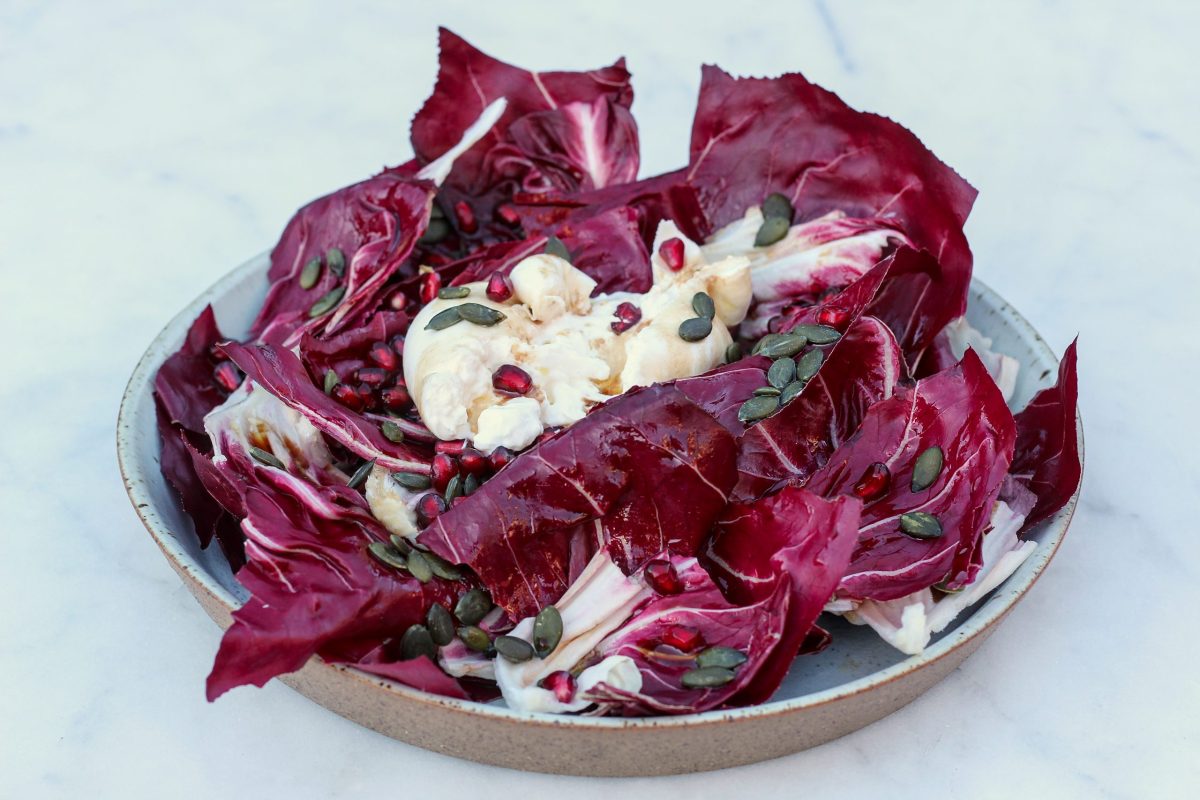
Radicchio and Burrata Salad

I had a very similar salad in a restaurant recently for a friend’s birthday. I thought I could recreate it, with a slight nutritional twist whereby each serving provides you with an actual portion of salad! It’s just as delicious as the restaurant, but knowing it’s providing that little bit of extra nutrition makes me forgive the fact that I’m actually eating a double portion of cheese in one go.

Serves 2

Ingredients

  • 6 large leaves of radicchio (160g)
  • 1 tbsp pomegranate molasses
  • 1 tbsp red wine vinegar
  • 2 tbsp extra virgin olive oil
  • 30g pumpkin seeds
  • 30g pomegranate seeds
  • 1 ball of burrata

Method

  • Mix the pomegranate molasses, vinegar and olive oil together in a small bowl
  • Tear the radicchio leaves into a more manageable size and arrange on a large plate.
  • Scatter the seeds over the top before placing the burrata in the middle and drizzling everything with the prepared salad dressing.
Radicchio and Burrata Salad

Per serving: 427kcal/ 35g fat/ 12g saturated fat/ 17g carbohydrates/ 2.3g fibre/ 10g protein