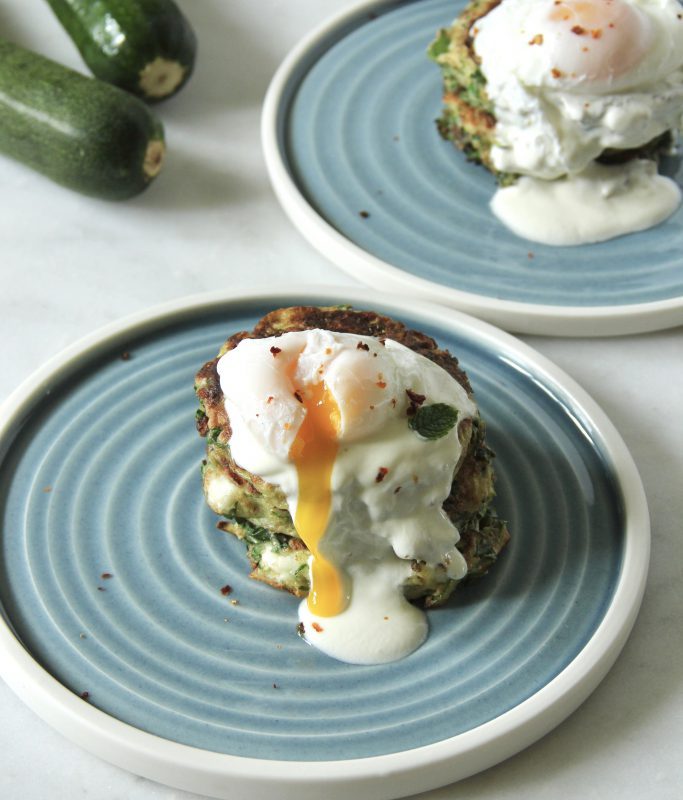
Courgette, Feta and Mint Fritters

At present I currently have courgettes coming out of my ears! 1 courgette plant would be sufficient to feed a small family with a steady supply of courgettes each week. So naturally we have 10 plants (not to mention the questionable marrow-looking plants) and I am spending all my free time trying to work out new ways of giving courgettes away to unwilling neighbours – they are all currently sick of courgettes too!

Making these super light fritters is the perfect way of using up a courgette or two. You simply do not realise you are eating courgette till you have wiped the plate clean.
Serves 2

Ingredients

  • 1 medium courgette, around 180g, grated
  • 1 medium egg
  • 50g wholemeal flour
  • 1/2 tsp baking powder
  • 50ml milk
  • 10 mint leaves, finely sliced
  • 1 garlic clove, finely grated
  • 40g flat leaf parsley, roughly chopped
  • 70g feta cheese, crumbled
  • Chilli flakes to taste
  • Extra virgin olive oil to fry

Options to serve with:

  • Sour cream
  • Poached egg
  • Avocado
  • Smoked salmon
  • Salad

Method

  • Combine the flour and baking powder together in a large bowl and mix. Season with pepper to taste.
  • Add the milk and egg to make a batter. Add the remaining ingredients and stir to combine.
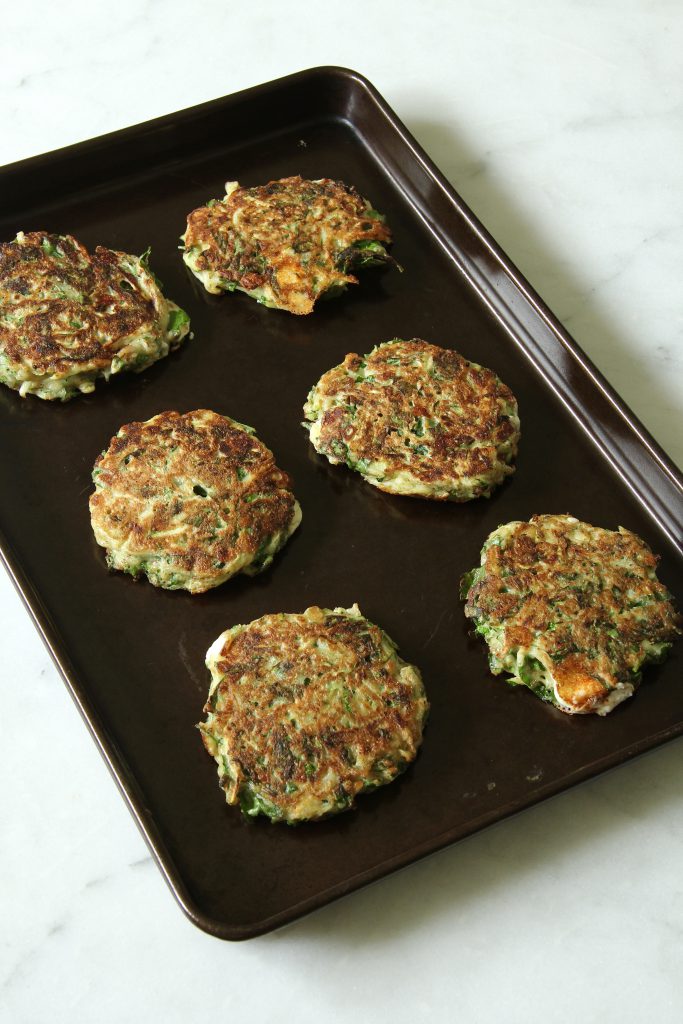
  • Heat a pan with 1/2 tsp olive oil and add a spoonful of batter into the pan, spreading them out so each round does not touch another. You should be able to make around 6 fritters in total.
  • Fry each fritter for 2 minutes per side till golden brown. Repeat till all the batter is used. If you are making a larger quantity keep them warm on a tray in a pre-heated oven set to 100°C.
  • Serve hot with your toppings of choice.
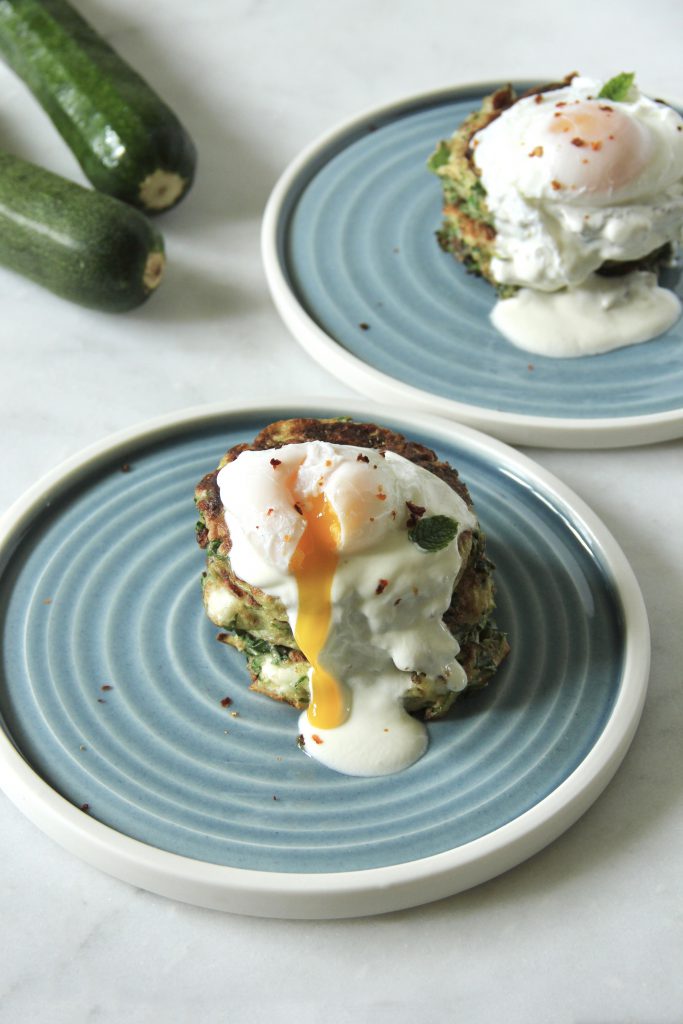
Per 3 fritters: 265kcal/ 12.3g fat/ 7.1g saturated fat/ 23.6g carbohydrates/ 4.3g fibre/ 15.0g protein
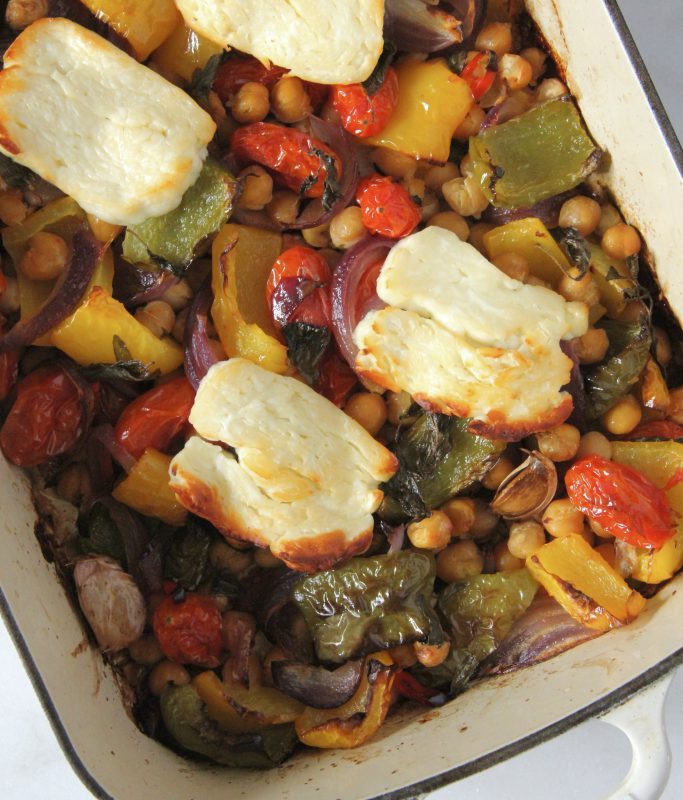
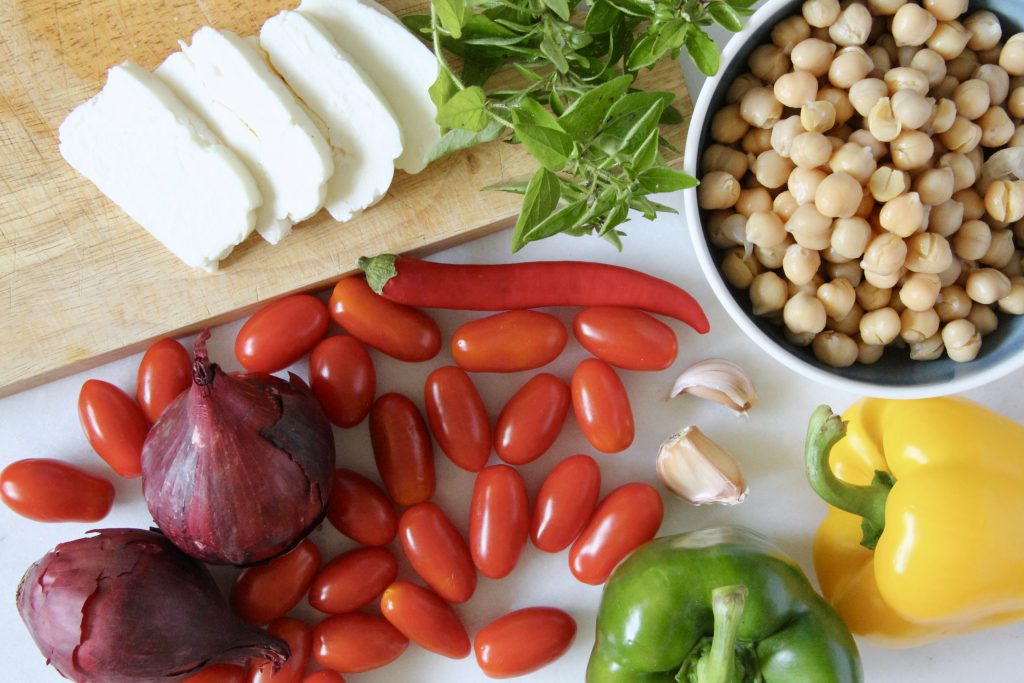
Chickpea and Halloumi Traybake

I love halloumi. The salty, squeakiness is irresistible in my household, so we always have a block or two in the fridge ready for when the fridge is a little bare.

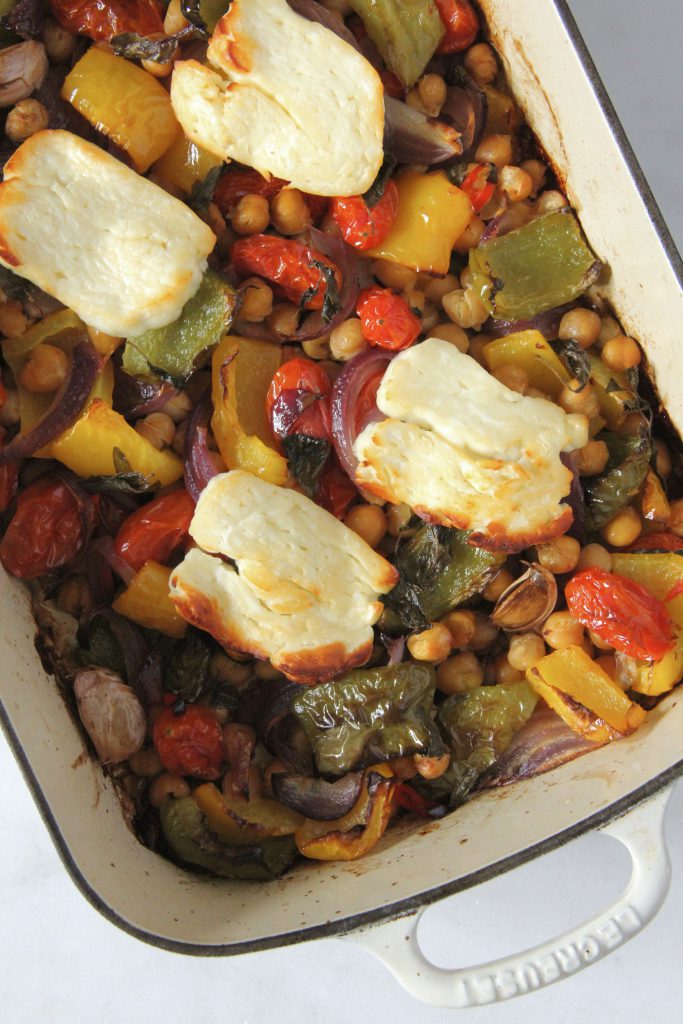
Although I am probably part of a small minority who actually likes halloumi cold, although I am in agreement that hot, crispy, golden and squidgy halloumi is the best. Even when it’s not barbecue season, I still eat it, either by frying it in a pan as part of a mean vegetarian brunch, or roasting it in the oven till it is crispy and golden on the top.

While halloumi is high in salt and fats including saturated fat, as is often found with cheeses, it is a good source of non-meat protein, especially for those wishing to reduce their meat intake. I try to use halloumi less often because of the salt content, and to help combat this when cooking with it I never season the dish with salt.

If you have the time and the will, stick the halloumi and peppers onto the barbecue to get a lovely charred flavour. The remaining ingredients can be cooked as normal in the oven, and then combine the two together to finish the dish.

I love this dish served with simple herbed couscous. You could of course serve it with rice, bulgar wheat, potato salad or even some garlic flatbreads. Alternatively, to make only one dish dirty, slice potatoes into large wedges and roast in the tray for 25 minutes with a little extra oil. Then top with the chickpeas and vegetables and carry on roasting.

Serves 2

Ingredients

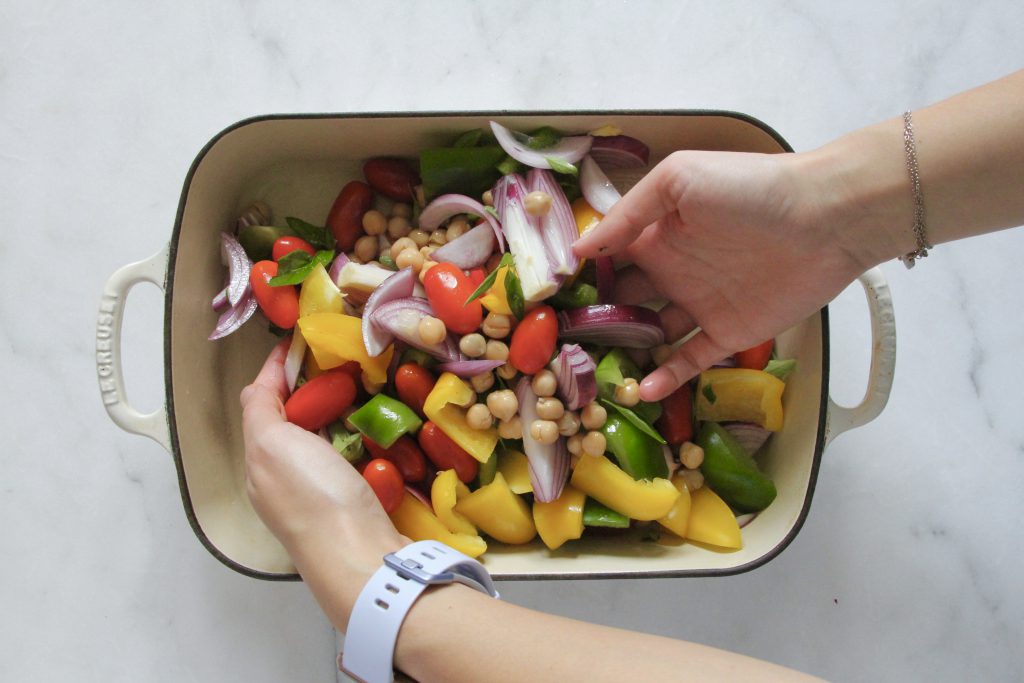
  • 1 can of chickpeas, drained and rinsed
  • 2 bell peppers, cut into large chunks
  • 1 large or two small red onions, sliced into wedges through the root
  • 200g baby plum tomatoes
  • 2 cloves of garlic, skin on
  • 3 sprigs oregano, leaves removed from stems
  • 1 red chilli, to taste, diced
  • 1 tbsp olive oil
  • 100g halloumi, sliced into large chunks

To serve

  • 100g couscous
  • Chives, finely chopped
  • Flat-leaf parsley, roughly chopped

Method

  • Preheat the oven to 180°C fan, 190°C convection
  • Mix all the ingredients except the halloumi together in an oven-proof dish. Season with pepper to taste.
  • Lay the halloumi over the top and bake in the oven for 25-30 minutes till the halloumi turns golden brown and the vegetables have softened.
  • Meanwhile, prepare the couscous by pouring 110ml boiling water over the top of the couscous with the chives and covering. Allow to steam for 5 minutes before fluffing the grains with a fork. Mix the flat-leaf parsley through.
  • Serve the chickpea and halloumi bake over the couscous and enjoy.

Per serving: 661kcal/ 25.2g fat/ 10.8g saturated fat/ 38.2g carbohydrates/ 14.2g fibre/ 26.5g protein

Banana and Strawberry Smoothie Pops

This is a super easy way of making the most of your brown bananas without having to make banana bread! Such an easy recipe it takes just 5 minutes. The hardest part is waiting for the ice pops to freeze, so making them the night before is the best way of killing the time.

This is also the perfect recipe to use the strawberry hulls in an attempt to waste less food whilst also increasing your fibre diversity intake. Simply remove the stem from the strawberries ready to blend!

For those who don’t have ice lolly moulds, you can freeze the bananas and strawberries, and then simply blend with the yoghurt to make smoothie bowls instead. It’s another fantastic way of keeping cool during the hot summer days.

Makes 6 100ml pops

Ingredients

  • 2 very ripe bananas
  • ~150g strawberries (you can choose to leave the strawberry hulls on)
  • 300g yoghurt of choice (I have used plain live dairy yoghurt)

Method

  • Weight the bananas into a large jug and top the weight up to 300g with strawberries.
  • Add 250g yoghurt and blend till smooth.
  • Add the remaining 50g yoghurt and lightly swirl in. Pour into your moulds and freeze according to the manufacturer’s guidelines.

Per 100g smoothie pop: 42kcal/ 0.7g fat/ 0.5g saturated fat/ 2.8g carbohydrates/ 1.0g fibre/ 1.2g protein

Yellow Split Pea Curry

Yellow split peas are such a versatile bean. So simple to cook and they make a really mean curry as would any lentil.

Yellow split peas are also extremely high in fibre, containing around 16g fibre per 100g cooked peas. In comparison, red lentils provide 6g fibre, and green lentils 8.7g when cooked.

Yellow split peas also retain a firmer texture when cooked, even for a long period of time. This means that they won’t fall apart, so you always get a rewarding chunky texture to your dish.

Serves 6

Ingredients

  • 2 tbsp vegetable oil
  • 2 large onions, sliced
  • 4 cloves garlic, roughly chopped
  • 20g ginger, roughly chopped
  • 2 tbsp tomato puree
  • 2 tsp ground turmeric
  • 2 tsp garam masala
  • 2 tsp chilli powder (or to taste)
  • 200g yellow split peas
  • 200g fresh tomatoes, roughly chopped
  • 1 large aubergine, roughly chopped
  • 1 courgette, roughly chopped
  • 300ml coconut milk
  • 30g coriander, chopped

To Serve

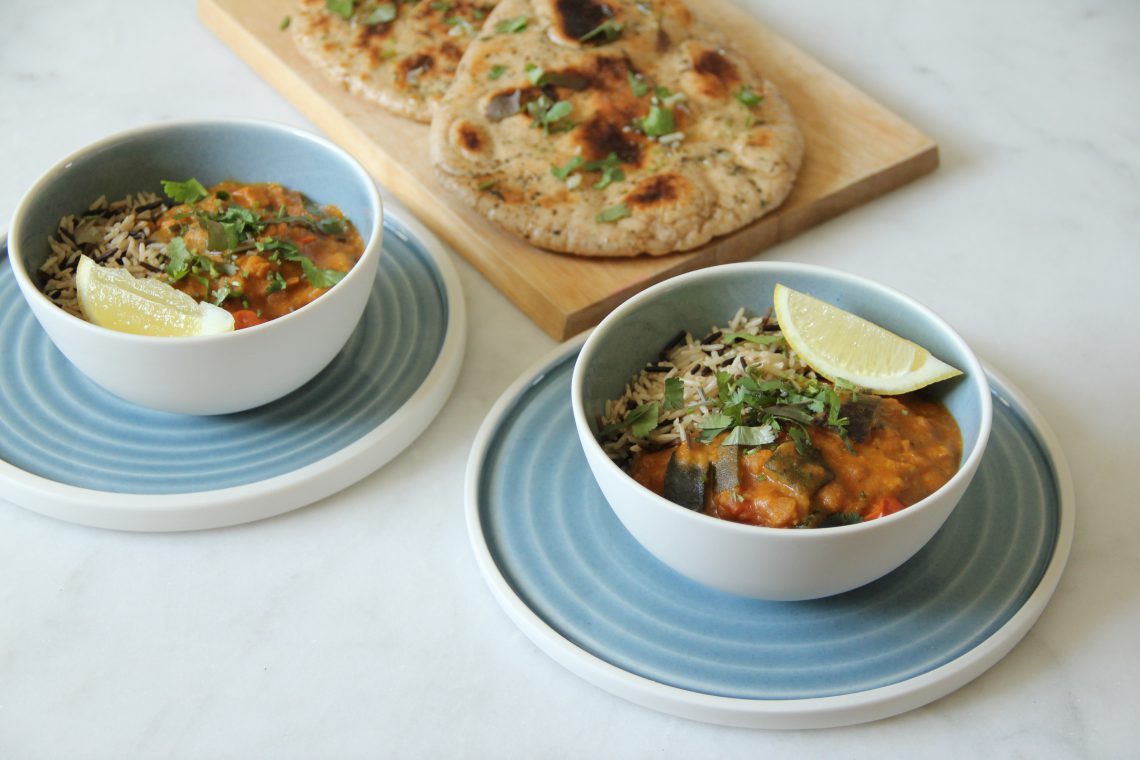
  • Lemon wedges
  • Cooked rice
  • Kefir naan

Method

  • Soften the onion in the oil till translucent but not brown.
  • Crush the garlic and ginger in a pestle and mortar and add to the onions. Cook for 2 minutes before adding in the tomato puree, dried spices, split peas, tomatoes, aubergine and courgette. Add 600ml water and simmer for 40 minutes till the peas are cooked through.
  • Add the coconut milk 5 minutes before serving.
  • Sprinkle in the coriander and serve with a wedge of lemon.

Per serving 334kcal/ 16.1g fat/ 1.6g saturated fat/ 25.4g carbohydrates/ 19.4g fibre/ 14.0g protein
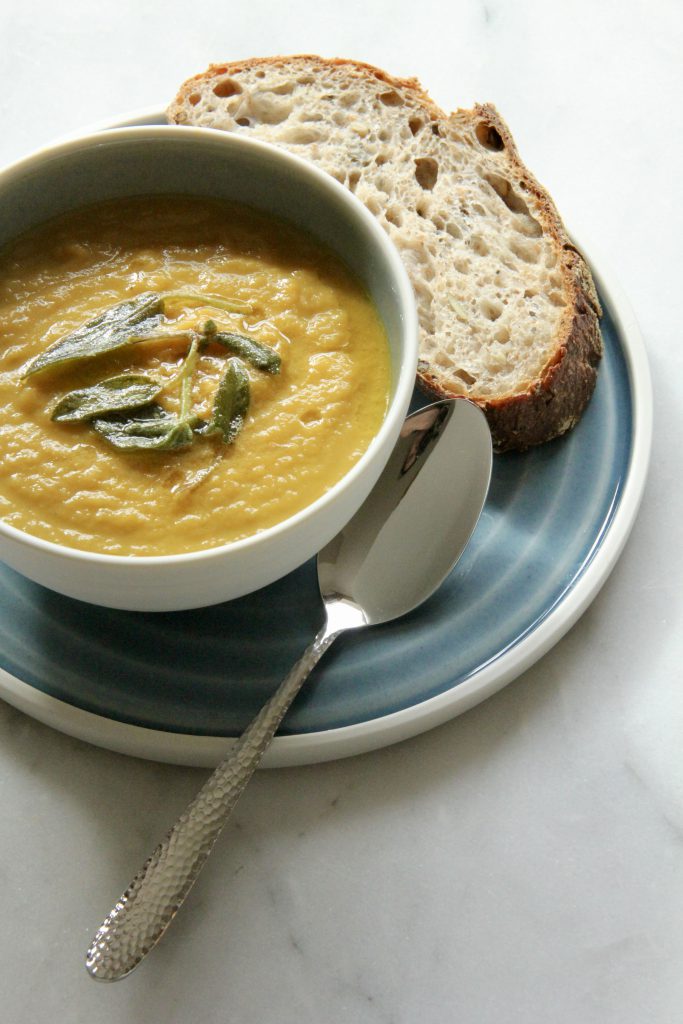
Leek and Potato Soup

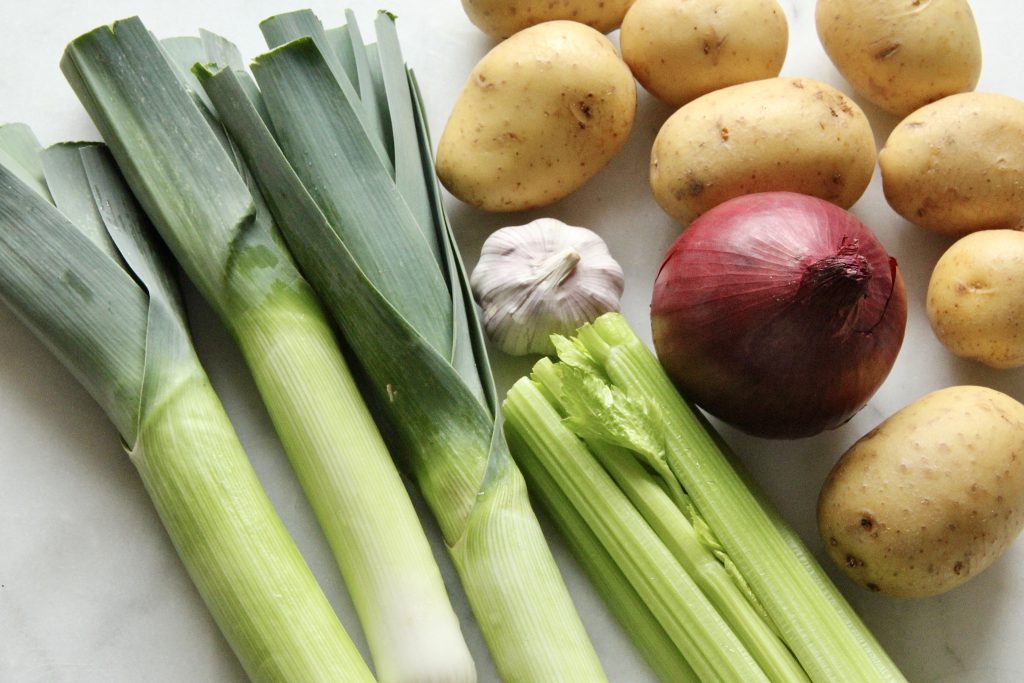
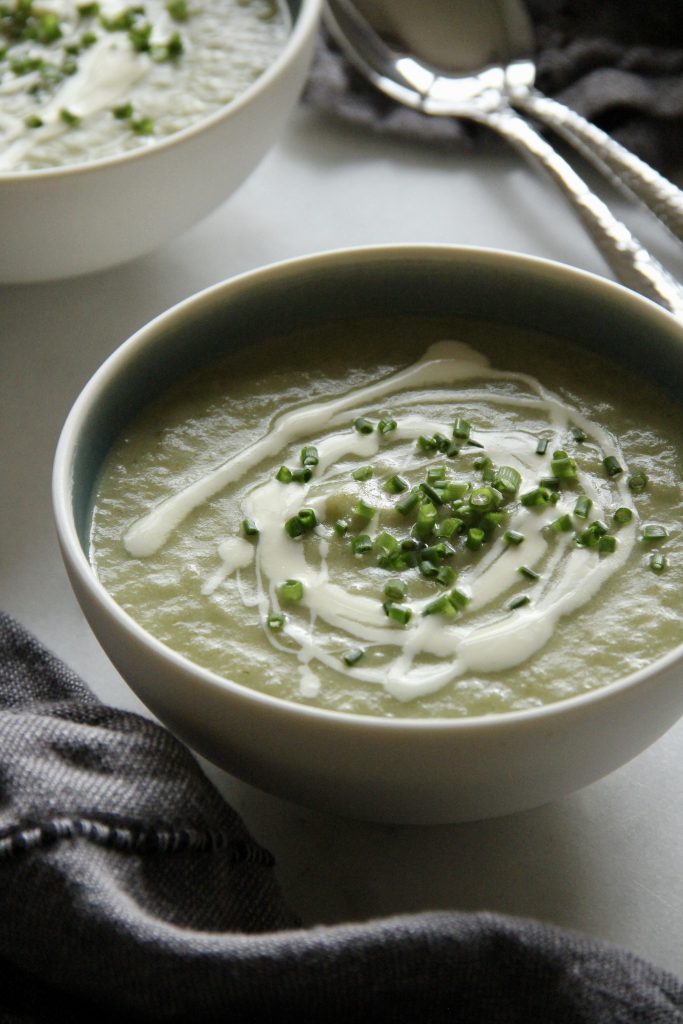
This classic soup is as simple as the name suggests. However, a couple of extra ingredients will always help, particularly those base ingredients onion and garlic. If, like myself, you are running low on onions, you can substitute in some celery, or other alternatives include spring onion or chives.

I’ve made this soup smooth, however, I do on occasion make it chunky where I leave cubes of potato and slices of leek whole to add texture to the soup. If you have the time, cut your potatoes into 1cm cubes, and slice your leeks into 0.5cm rounds. Then just before blending, take a scoop or two out and then return once the soup has been blitzed. This method works best with more waxy potatoes which don’t fall apart when cooking, but if you only have floury potatoes they work perfectly for a smooth blended soup.

Serves 8

Ingredients

  • 2 tbsp rapeseed oil
  • 1 large onion, finely diced
  • 4 sticks celery, finely diced
  • 3 leeks, finely sliced
  • 4 cloves garlic, roughly chopped
  • 800g potatoes, diced
  • 15g stock powder

To serve

  • 150ml double cream (optional)
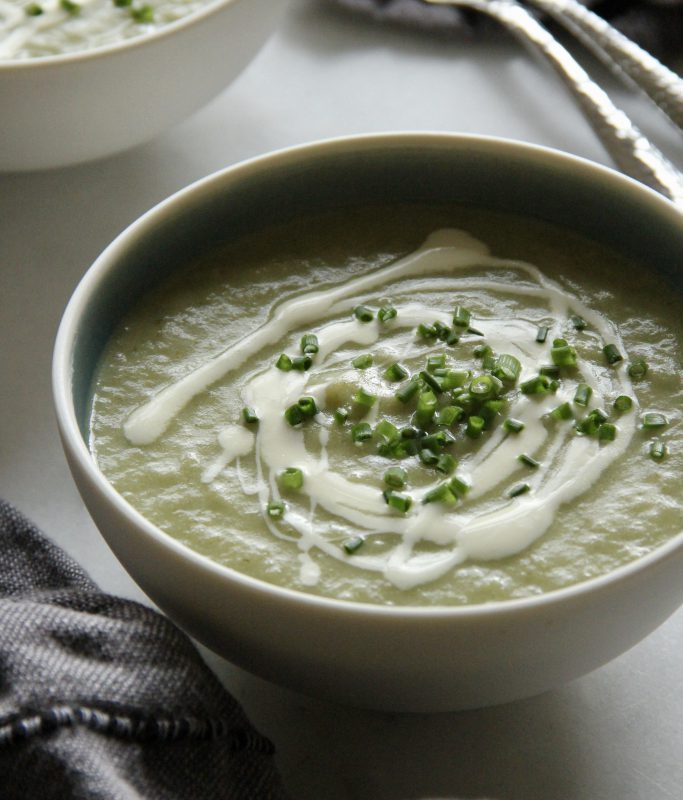
  • Chives, finely chopped

Recipe

  • Cook the onions on a gentile heat with the oil for 5 minutes before adding the celery and continuing to cook till soft and translucent.
  • Add the garlic and leeks and cook for a further 2 minutes.
  • Add the potatoes, stock powder and top up with water till all the ingredients are almost covered, around 1.2 litres, and simmer for 20 minutes, stirring occasionally.
  • Blend the soup till smooth, finish with cream (optional) and chives, and serve.

Per serving 331kcal/ 19.3g fat/ 6.8g saturated fat/ 32.1g carbohydrates/ 5.0g fibre/ 4.6g protein
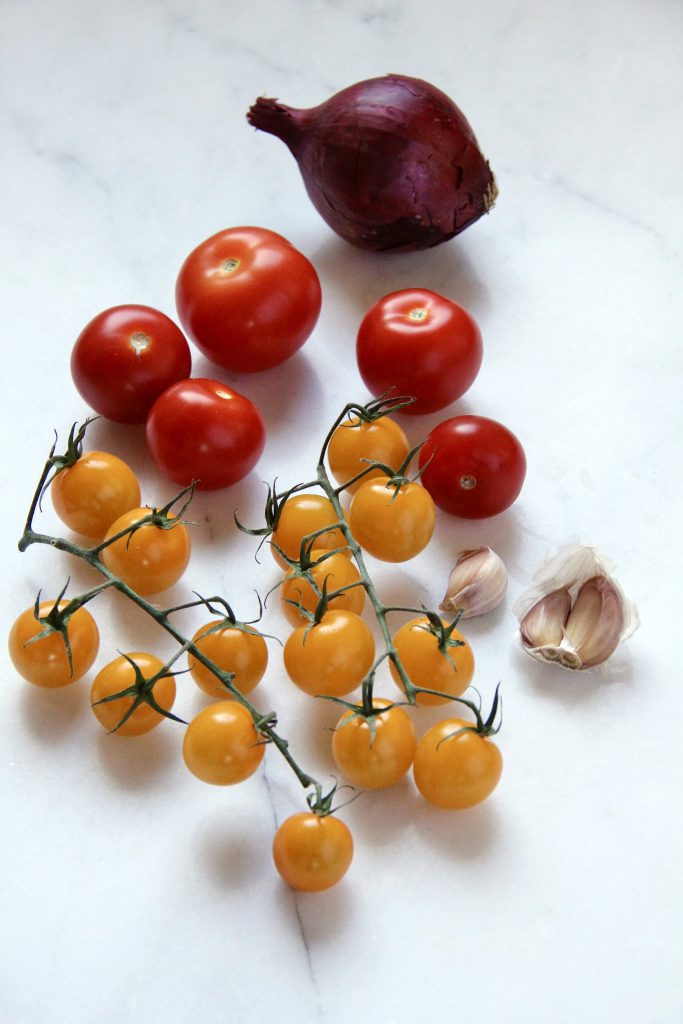
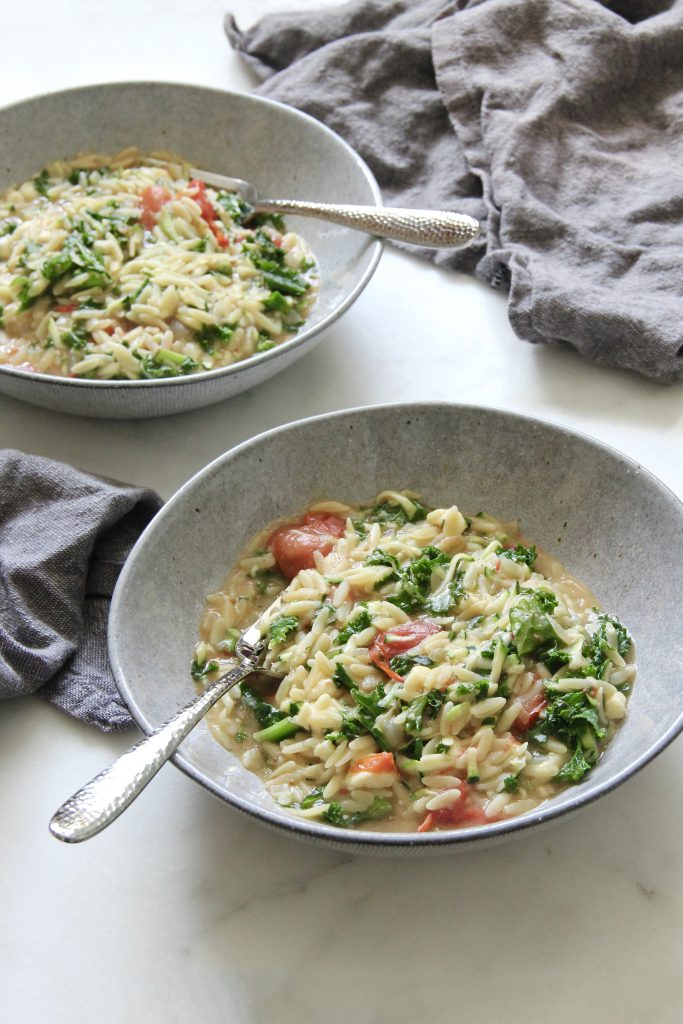
One Pot Courgette, Kale and Orzo

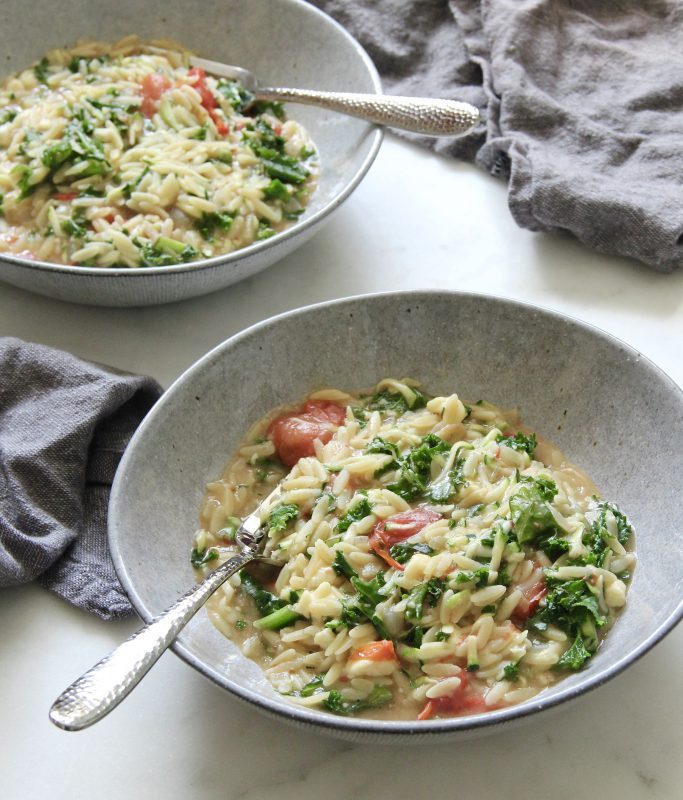
Looking for a really easy dish which makes almost no mess? This is a one pot pasta dish which requires minimal effort for maximal taste. This dish takes around 25 minutes to make, so it’s also super quick meaning you don’t have to spend all night at your stove (or even cleaning up after yourself!).

Treating the pasta like a risotto rice means that loads of the starch normally lost to the water is retained in the dish. This gives a lovely creamy sauce at the end of the dish. Easily adaptable to whatever you have in the cupboards or freezer, why not give this dish a go!

Serves 2

Ingredients

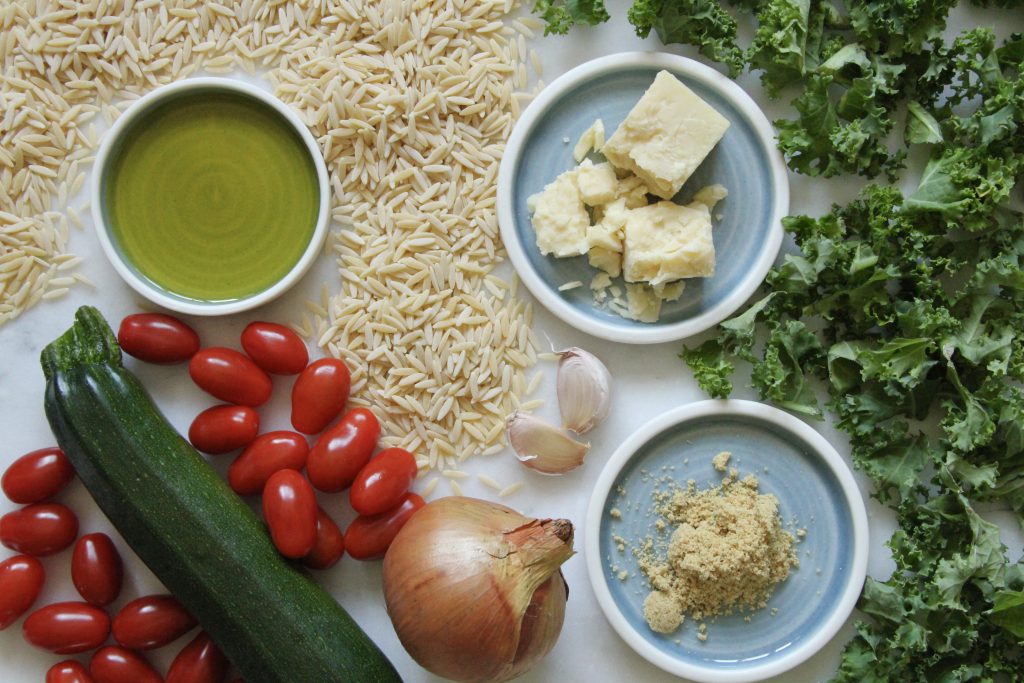
  • 1 tbs EVOO
  • 1 onion, finely diced
  • 2 cloves of garlic, finely sliced
  • 160g baby tomatoes
  • 160g orzo pasta
  • 500ml stock (I used 1 heaped tsp vegetable stock powder into boiling water)
  • 1 courgette, grated
  • 100g kale, roughly chopped
  • 60g cheddar cheese, crumbled

Method

  • Gently fry the onions in the oil till soft. Add the garlic and continue cooking for a further 2 minutes.
  • Add the tomatoes and orzo with a third of the stock. Simmer over a low heat, stirring frequently to stop the pasta from sticking to the bottom of the pan.
  • When the liquid is almost absorbed add a further third of the stock. Repeat with the final third.
  • When the pasta is almost cooked add the courgette and kale.
  • Remove from the heat, crumble the cheese in and serve.

Per serving: 539kcal/ 17.7g fat/ 6.6g saturated fat/ 69.6g carbohydrates/ 6.8g fibre/ 22.9g protein
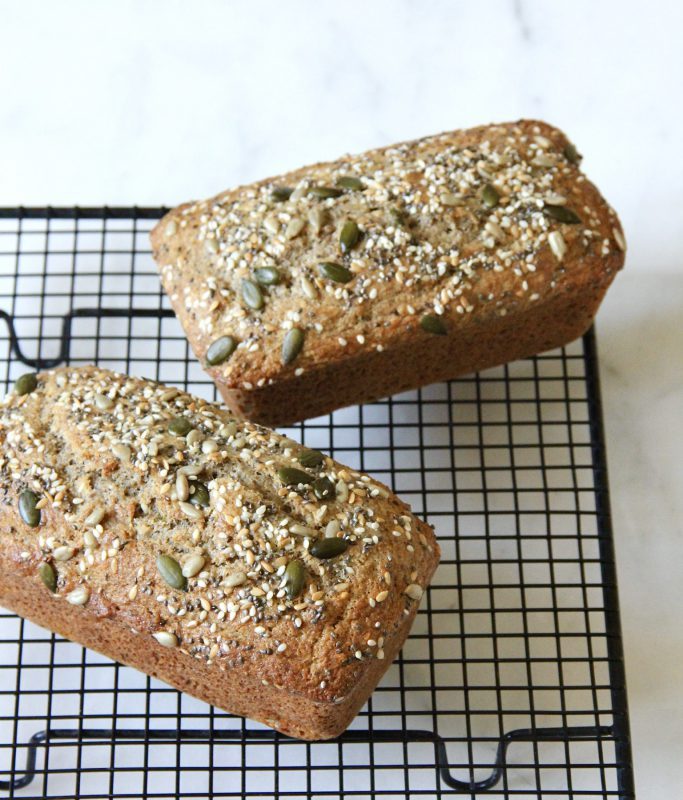
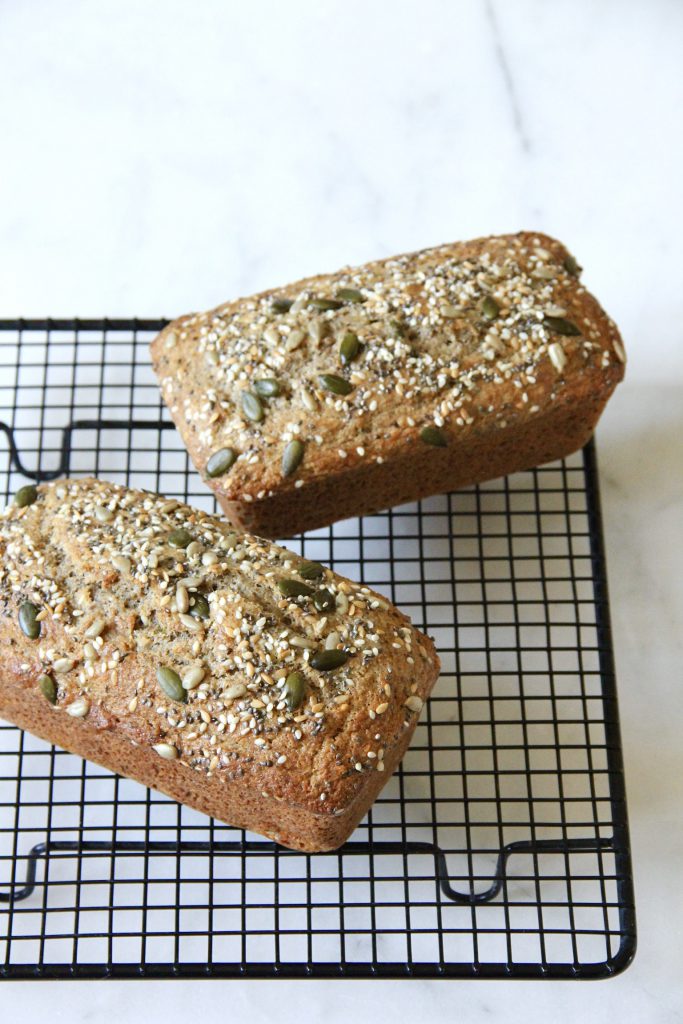
Seeded Banana Bread

I love this recipe for using up bananas which are past their sell by date. Somehow, you can never quite have the right number of bananas. It’s either too few or too many. And whenever I have too many I either freeze them ready to make smoothies out of, or turn them into this lovely cake.

This originally was my mum’s recipe, but I’ve added a few twists which my mum has now incorporated herself. She used to use butter, but for speed and nutritional value, I switched it to extra virgin olive oil. At first she protested, then she baked her first loaf using it and was converted immediately, proclaiming how much easier it was in comparison to melting and cooling the butter. The recipe also happens to be so simple, and forgiving! If you don’t have some of the ingredients they’re easy to swap in and out, and you can change the flavour of your bread depending on what you have, or what you fancy. If you want something more fruity, substitute some of the seeds for dried fruits, or even fresh or frozen for a delicious burst of flavour.

I also use two different types of flour to help maximise the diversity of the foods I’m eating each week. Of course I won’t be having this every week, but when I do I’d like to think that I can still be good while being naughty. The same goes for the seeds. I use a wide variety and generally use a premixed packet and then add in whatever I think is missing.

This recipe can easy be multiplied up according to how many bananas you have, but a word of caution. When using a 2lb tin or larger, the centre of the cake can sometime fail to rise due to the density and weight. This banana bread is not light and fluffy like a traditional sponge cake. It is loaded with fibre from seeds and whole grain flours which help increase the nutritional content of this treat. If multiplying up you can try baking in multiple small tins or in individual cupcake cases – just alter the timings so that a skewer inserted into the centre comes out clean. Anything beyond what you want to eat fresh can be frozen – I slice my loaf and freeze it so I can pull out a slice or two depending on how many I need.

Serves 8

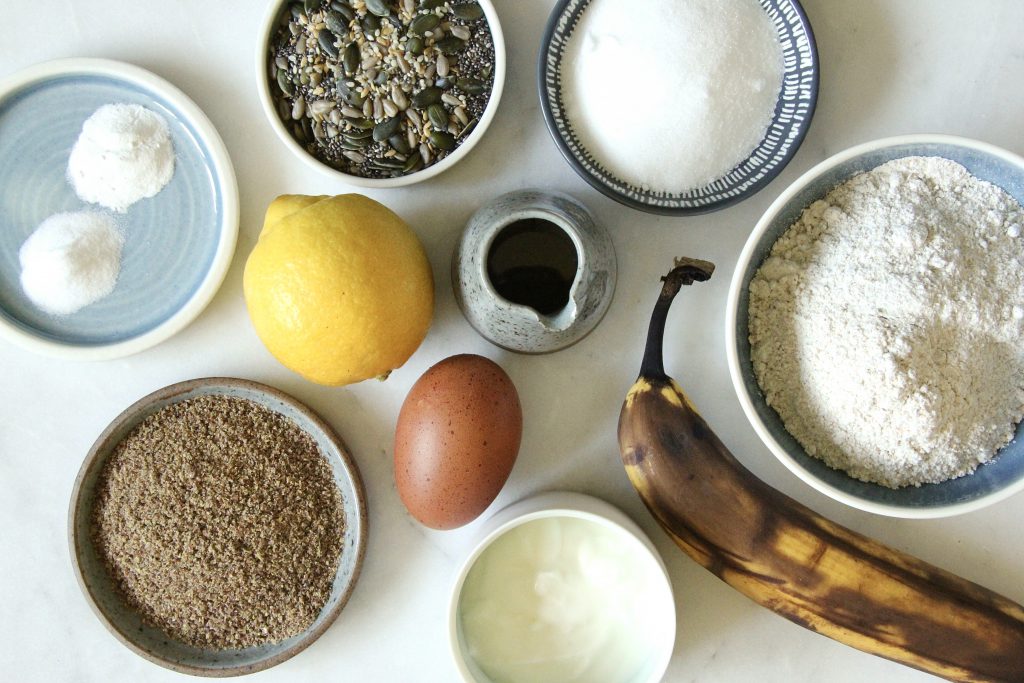
Ingredients

  • 1 large ripe banana
  • 80g dairy yoghurt (if using non-dairy add 10g extra fat)
  • Zest and juice of 1/2 an unwaxed lemon
  • 1/2 tsp vanilla paste or essence
  • 50ml EVOO
  • 1 large egg
  • 60g rye flour
  • 60g spelt flour
  • 20g ground linseeds
  • 1/2 tsp baking powder
  • 1/2 tsp bicarbonate of soda
  • 50g caster sugar
  • 40g mixed seeds + extra for sprinkling over the top

Method

  • Line a 1lb loaf tin and preheat the oven to 150°C fan/ 160°C convection
  • Mash the banana with the yoghurt, followed by all the remaining wet ingredients.
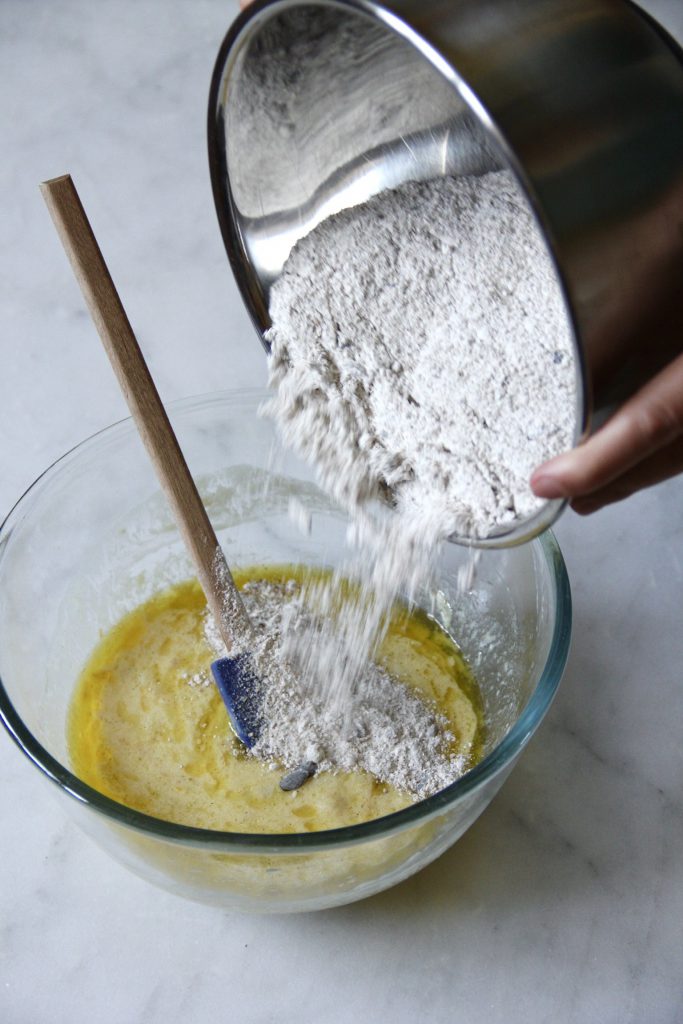
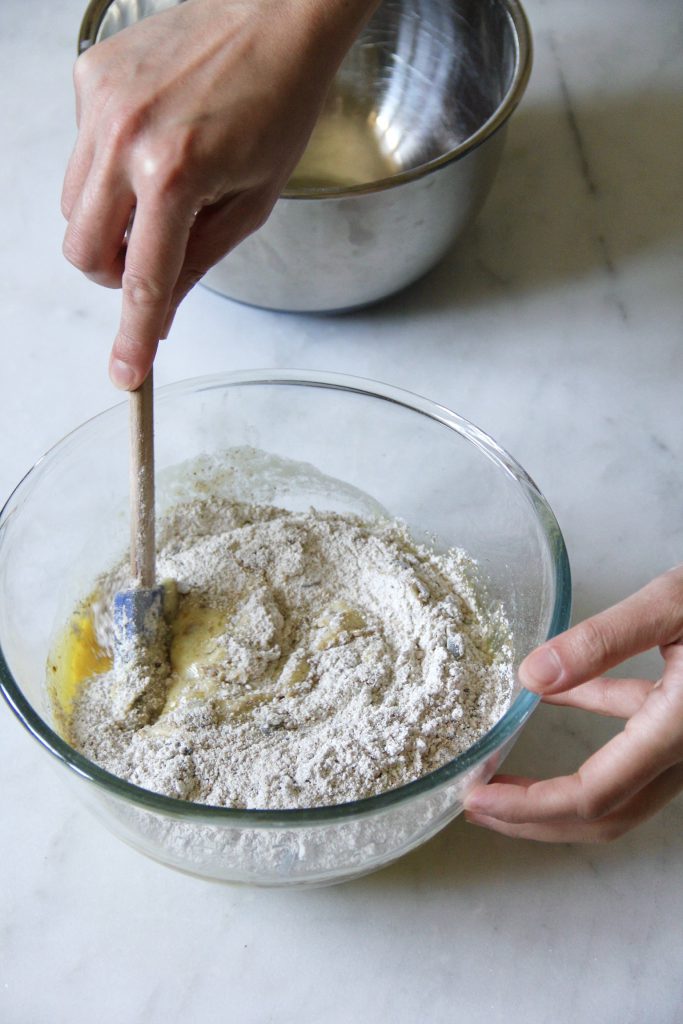
  • Mix all the dry ingredients together. Then combine with the wet ingredients and mix till combined.
  • Pour the mixture into the tin, sprinkle with seeds and bake for 35-40 minutes till a skewer inserted into the centre comes out clean.
  • Remove from the oven and turn out onto a wire rack to cool.

Per serving: 208kcal/ 10.5g fat/ 6.8g saturated fat/ 18.5g carbohydrates/ 3.5g fibre/ 5.5g protein
Smokey Chipotle Mixed Bean Stew

Looking to increase the diversity of the foods you eat? This is the perfect dish for you, you can add any other vegetables you wish, and serve it with different carbohydrates to further increase the variety of the plant based foods in your diet. I had a tin of 6 different mixed beans, this is a fantastic way to quickly boost your weekly plant variety. If you don’t have a mixed tin, try combining different tins, or use dried lentils to maxmise diversity. This specific recipe gives you 17 different plant foods on its own, and per serving provides 25% of your daily fibre recommendation. So why not try adding a few extra plant foods when serving it as a meal to further boost these numbers.

It’s also a big batch food which can be stored in the fridge for a few days or frozen down as a convenience food for a later date. You can thank me later!

Serves 8

Ingredients

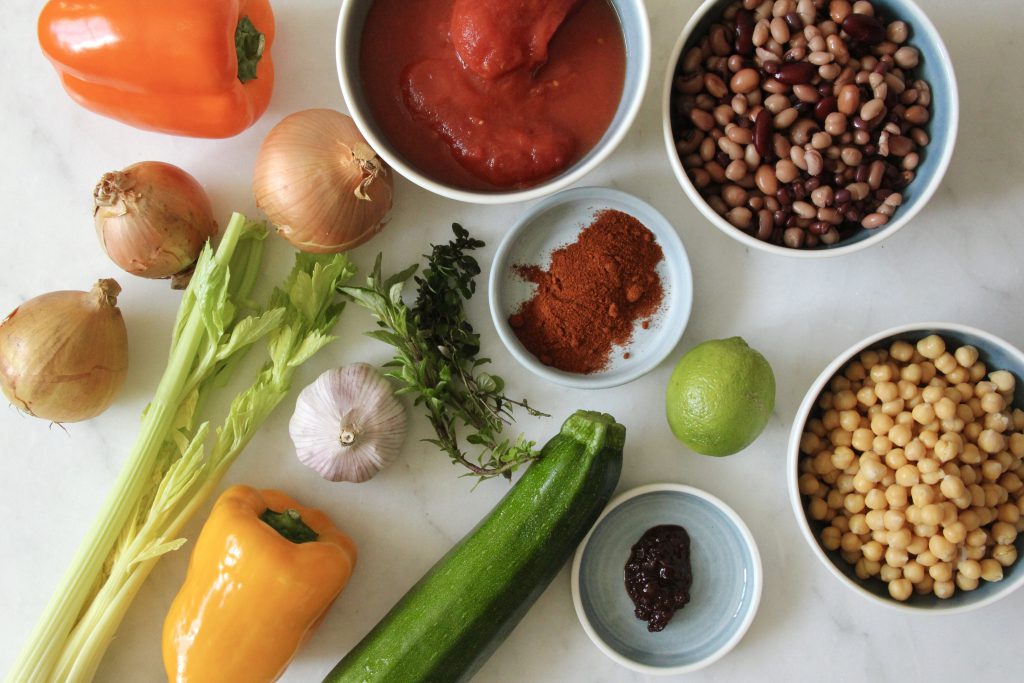
  • 2 tbsp EVOO
  • 3 onions, sliced
  • 3 sticks of celery, diced
  • 4 cloves garlic, diced
  • 2 peppers, chopped
  • 1 courgette, chopped
  • 1 can mixed beans, drained and rinsed
  • 1 can chickpeas, drained and rinsed
  • 2 tins of tomatoes
  • 2 tsp smoked paprika
  • 2 tsp chipotle
  • 6 oregano sprigs
  • Juice of 1 lime

Method

  • Sweat the onions in the oil for 5 minutes till translucent. Then add the celery followed by the garlic and cook for a further 3 minutes.
  • Add the remaining ingredients and 400ml of water. Bring to the boil and then gently simmer for 45-60 minutes stirring occasionally till the liquid has reduced by half.
  • Remove the woody stems of any herbs and serve.
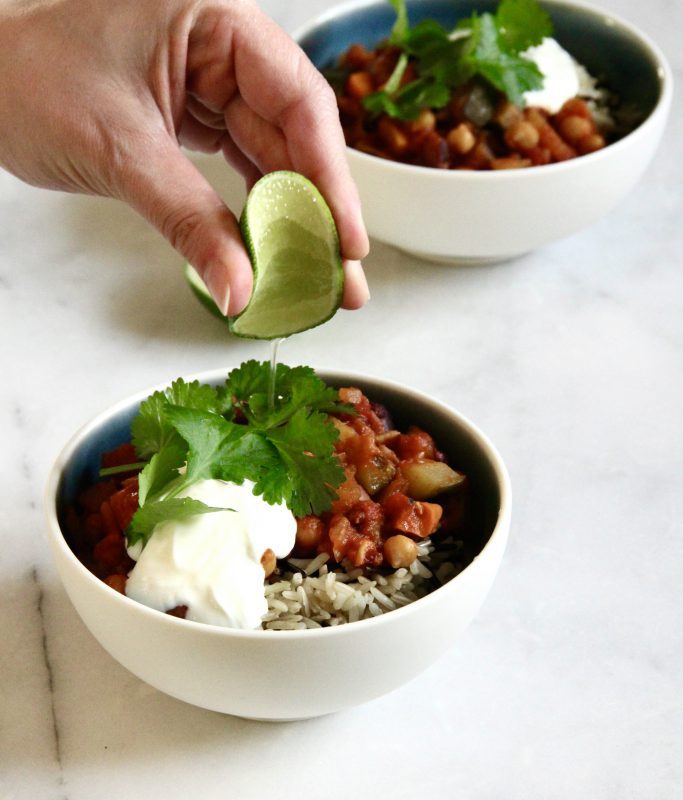
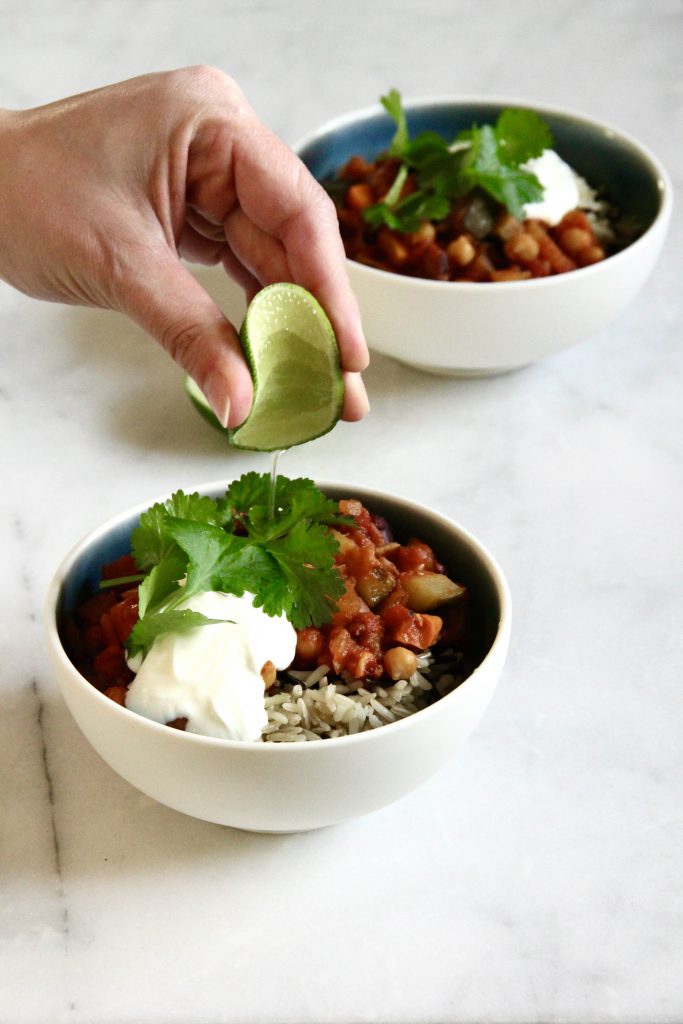
Delicious served with wholegrain rice, sour cream, fresh coriander and a squeeze of lime

Per serving: 159kcal/ 5.2g fat/ 2.9g saturated fat/ 18.4g carbohydrates/ 7.5g fibre/ 7.1g protein
No Yeast Pizza

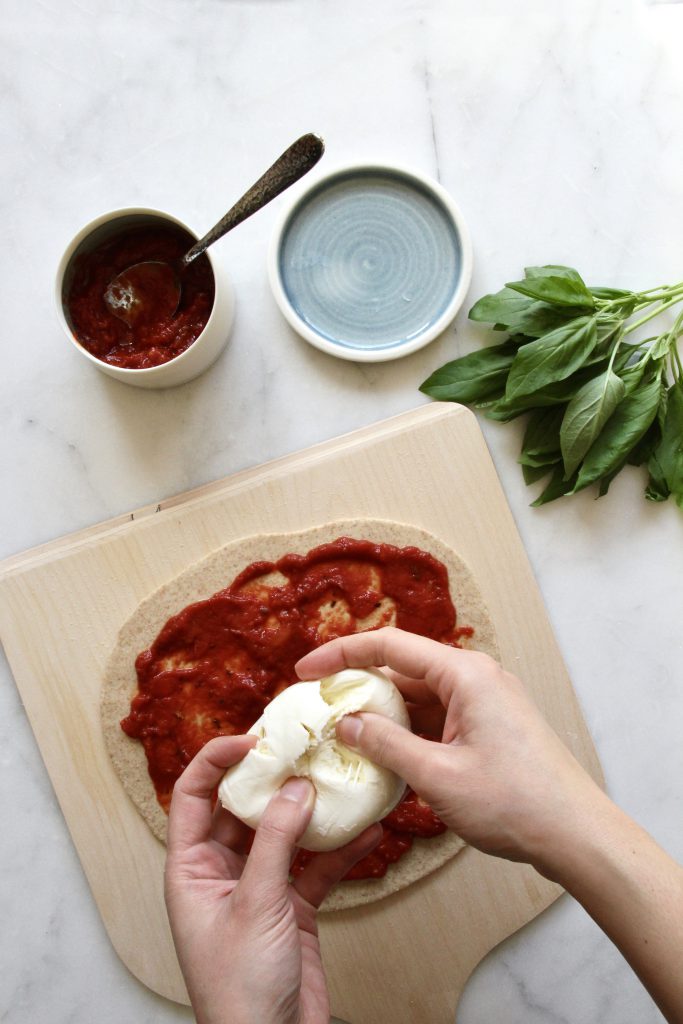
I love pizza, and while I would normally make my pizza base with sourdough, sometimes I don’t have the time to wait for the yeast to work its magic. So I use a quick flatbread base as a substitute, ready in 15 minutes.

Using wholemeal flour in the base helps increase the fibre content. Using half wholemeal gives each pizza 8.1g fibre, whereas using white flour will provide you with 4.2g fibre. This is also with just the basic toppings of tomato and cheese. Consider increasing fibre diversity by adding more vegetables, or fruits if you’re not adverse to it, as extra toppings. My favourite is roasted Mediterranean vegetables with smoked mozzarella, instead of normal, and lashings of basil.

Ingredients

  • 200g tinned tomatoes
  • 1/2 tsp EVOO
  • 1 tbsp tomato puree
  • 1/4 tsp dried herbs
  • 100g self-raising flour
  • 100g wholemeal flour
  • 3/4 tsp baking powder
  • 1/2 tsp EVOO
  • 200g yoghurt
  • 1 ball of fresh mozzarella
  • Fresh basil leaves

Method

  • Preheat two baking trays in the oven set to maximum.
  • Add the tinned tomatoes, 1/2 tsp EVOO, tomato puree and dried herbs into a pan and allow to gently simmer till reduced in volume. Season to taste.
  • Meanwhile, mix the flours, baking powder, 1/2 tsp EVOO and yoghurt together till a soft dough is formed. You may need to add 1-3 tbsp water to get a dough depending on the flour used. Knead for a few minutes till smooth.
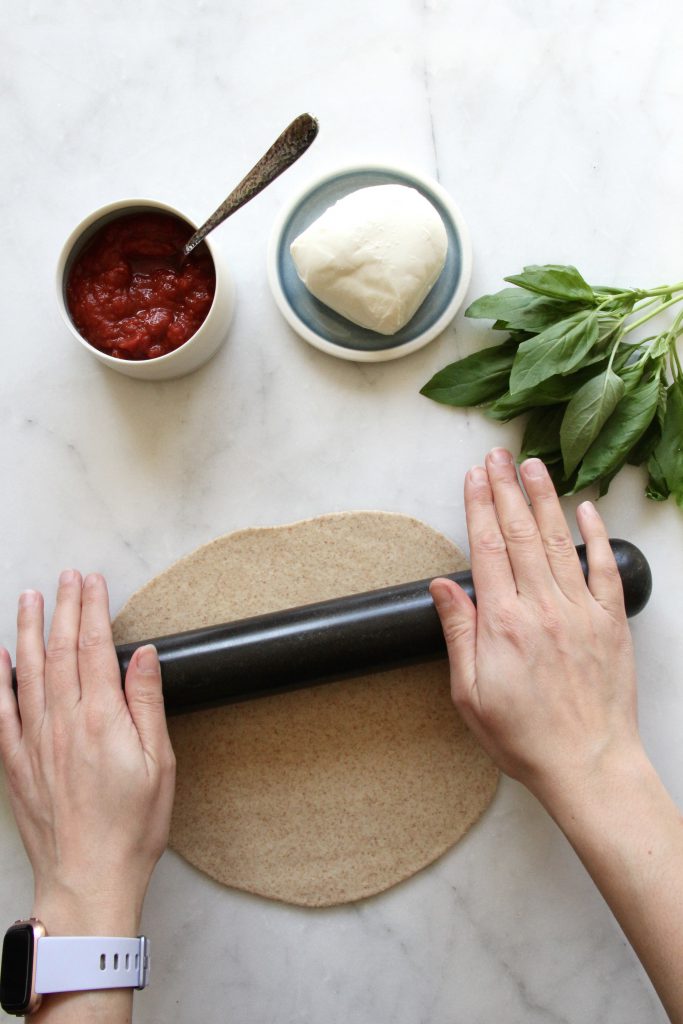
  • Divide the dough into two, and roll out till the thickness of a pound coin, using a little extra flour if needed. Place on a piece of baking parchment.
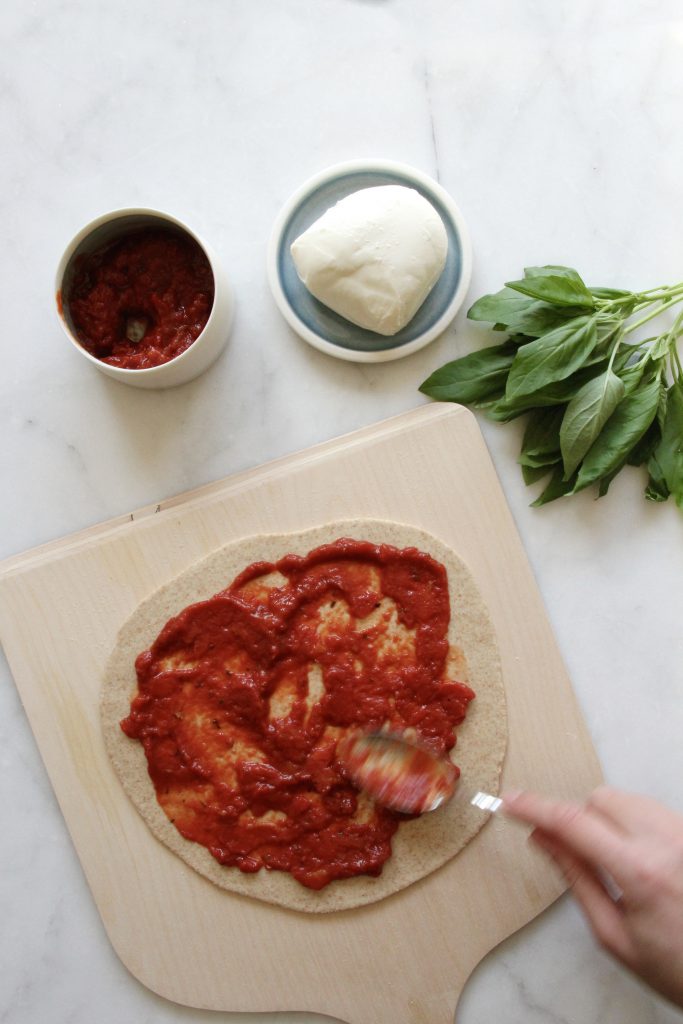
  • Take half the tomato sauce and spread it over a base, keeping a rim of dough clear.
  • Take half the mozzarella, roughly tear and place around the tomato sauce, again keeping clear of the sides. Repeat with the second dough ball. Option to add further toppings here.
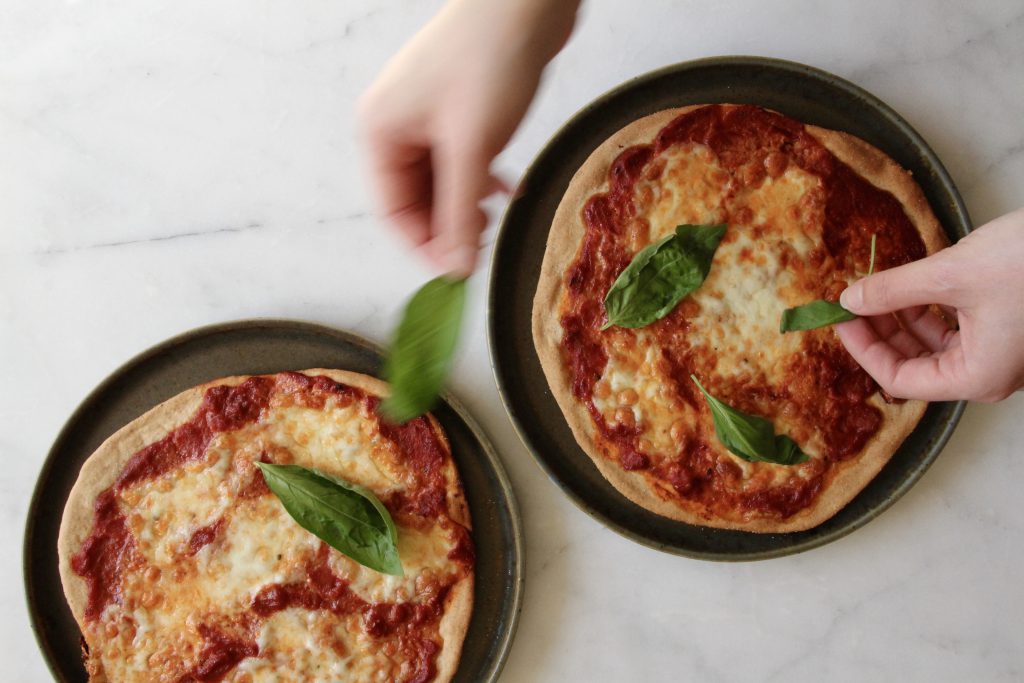
  • Place on the preheated baking sheets and reduce the temperature to 220°C fan/230°C convection and bake for 8-10 minutes till the edges are golden brown and the cheese is bubbling.
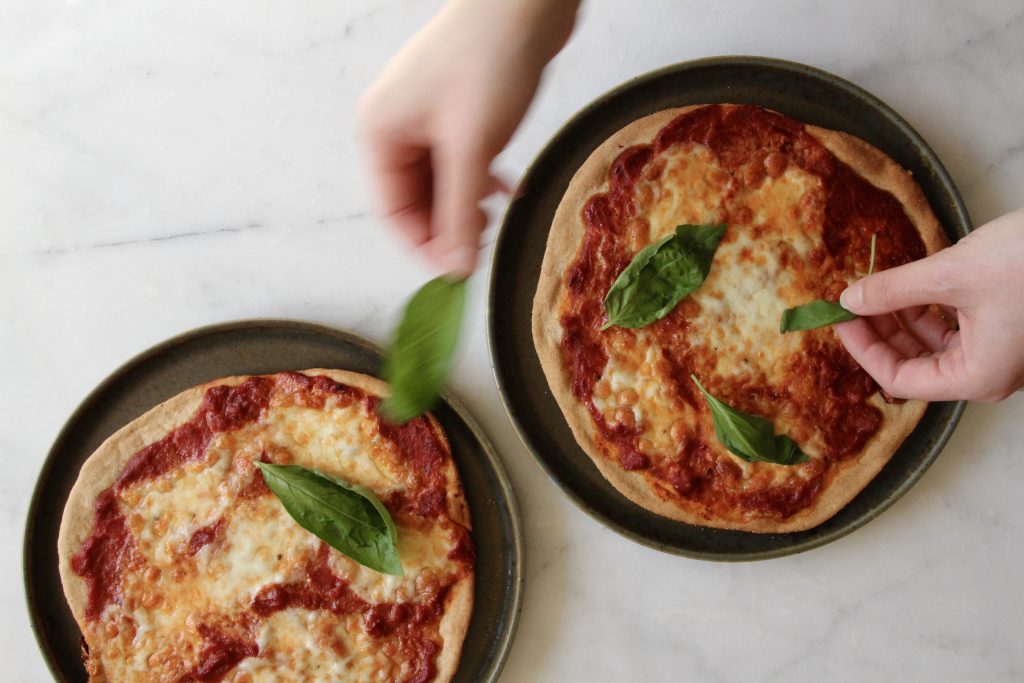
  • Remove and top with fresh basil leaves. Best eaten immediately.

Per serving: 671kcal/ 26.3g fat/ 15.7g saturated fat/ 79.9g carbohydrates/ 8.1g fibre/ 27.5g protein
Jerusalem Artichoke and Carrot Soup

Jerusalem artichokes are high in prebiotic inulin, which gives rise to their nickname of fartichokes! They are delicious and earthy, and are surprisingly versatile. Treat them like a potato; boiled, mashed, roasted or sautéed in a pan. Additionally they can also be treated like a water chestnut, eaten raw grated over salads or quickly cooked in a stir fry so they maintain a crunch. Get them while you can, they go like hot potatoes and are only in season during winter months.

Serves 4

Recipe

  • 1 tbsp rapeseed oil
  • 1 onion, finely diced
  • 4 sticks celery, finely diced
  • 4 garlic cloves, finely sliced
  • 500g Jerusalem Artichokes, peeled and roughly chopped
  • 4 carrots, roughly chopped
  • 10g stock powder
  • 10 sprigs thyme
  • 850ml water

Method

  • Gently fry the onion in the oil till soft and translucent. Add the celery and garlic and cook for a further 2 minutes without browning.
  • Add the artichokes, carrots, thyme, stock and water and bring up to a gentile simmer for 20 minutes. Remove any hard herb stalks.
  • Remove from the heat and bend till smooth.

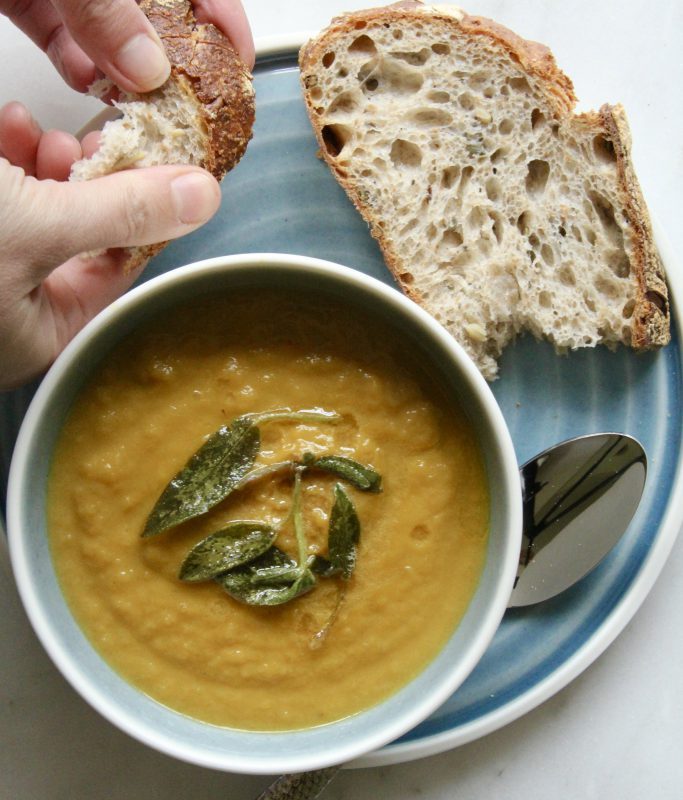
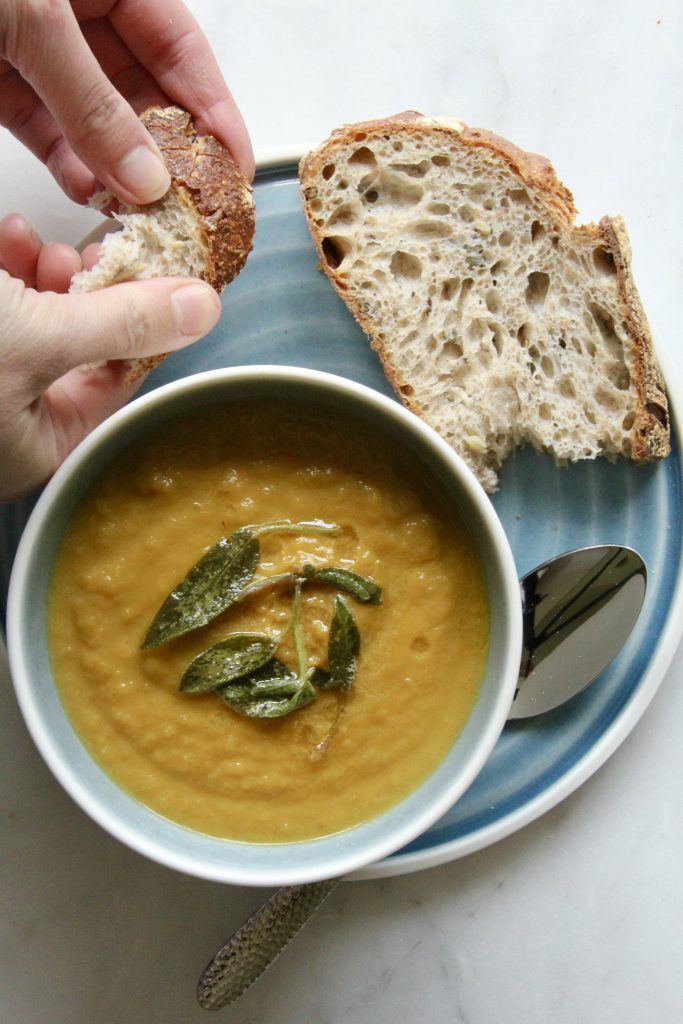
Optional extra: gently fry sage leaves in butter or olive oil till crispy and serve over the top.

Per serving 144kcal/ 4.5g fat/ 0.6g saturated fat/ 23.8g carbohydrates/ 7.3g fibre/ 3.5g protein
Simple Fresh Tomato Sauce

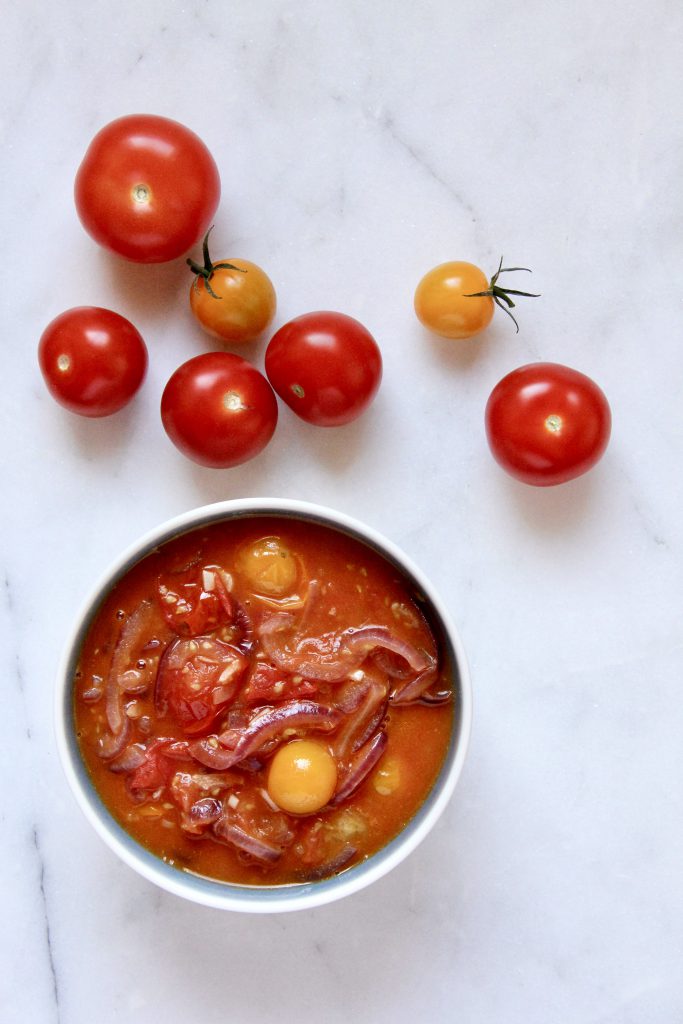
This is almost store cupboard friendly…. In fact you could say it’s empty fridge friendly! I always use this recipe as a base, as it can easily be adapted to suit your needs. Whenever I look in the fridge and see some sad looking tomatoes at the end of the week, I know I can lovingly transform them into a delicious sauce. An additional bonus is that cooking tomatoes in the presence of fats, EVOO in this case, actually helps increase the lycopene content and absorption. Lycopene is a type of plant phytochemical, which is beneficial to our bodies by having a positive effect on cardiovascular health as well as cancer prevention.

As I said, this is a very simple and basic sauce. You can easily perk it up depending on how you feel. Swap the water for wine for a deeper flavour, add those capers from the back of your fridge, or add some fresh herbs to save them from the bin! You can even spice things up with fresh or dried chilli.

For a Puttanesca sauce add chilli, capers, olives and anchovies. Add some cumin, turmeric and ground coriander as a base for a curry. Or make some baked beans by adding some paprika and a tin of cooked beans.

Once cooked, this sauce can happily sit in the fridge for a few days in an airtight container. Alternatively, you can pop it in the freezer for a fast dinner when you’re in a rush.

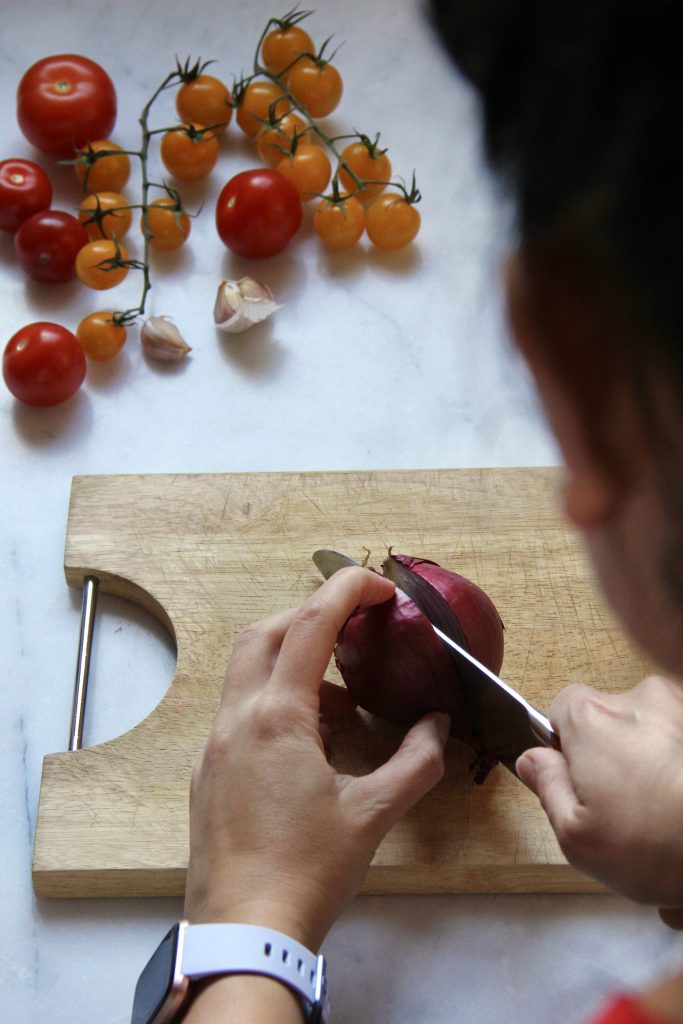
I’ve used a red onion, but any onion you have to hand will be fine. Even if you only have spring onions, give it a go!

Serves 2

Recipe

  • 1 tbsp extra virgin olive oil
  • 1 onion, chopped
  • 2-3 cloves of garlic, sliced
  • 250g fresh tomatoes, roughly chopped
  • 100ml water, option to use wine if you have any
  • Salt and pepper

Method

  • Cook the onions with the oil on a low temperature till soft and translucent.
  • Add the garlic and cook for a further 2 minutes before adding the tomatoes and water.
  • Simmer on a gentile heat for 15 minutes till the tomatoes burst and the sauce is reduced
  • Serve as is chunky, or if you prefer a smooth sauce, blend

Per serving 110kcal/ 7.8g fat/ 1.2g saturated fat/ 8.5g carbohydrates/ 2.1g fibre/ 1.5g protein

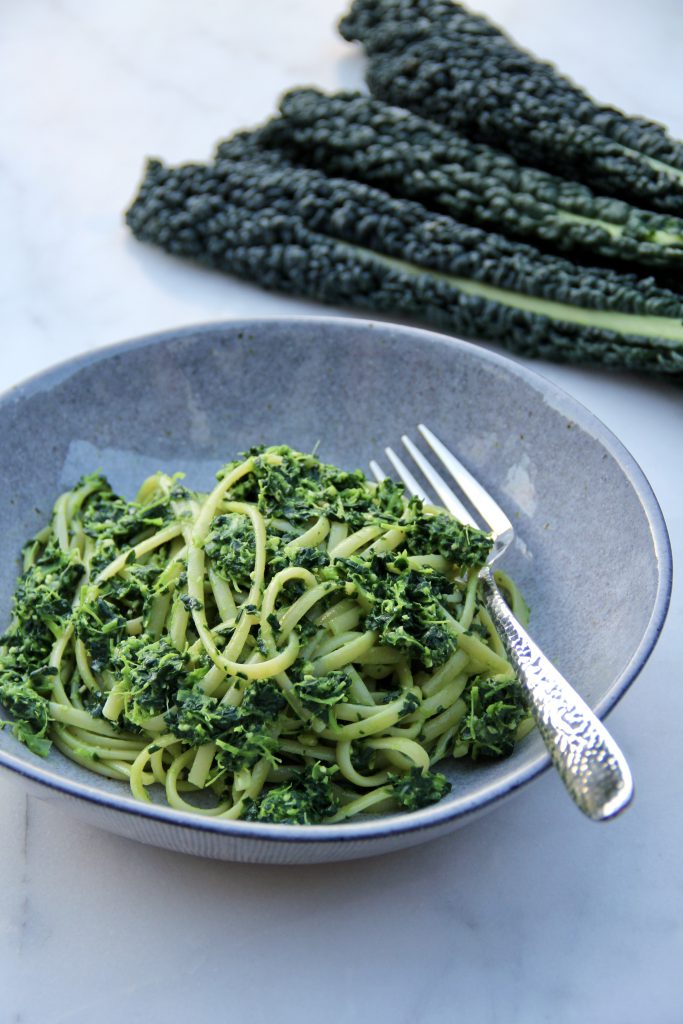
Kale Pesto with Pasta

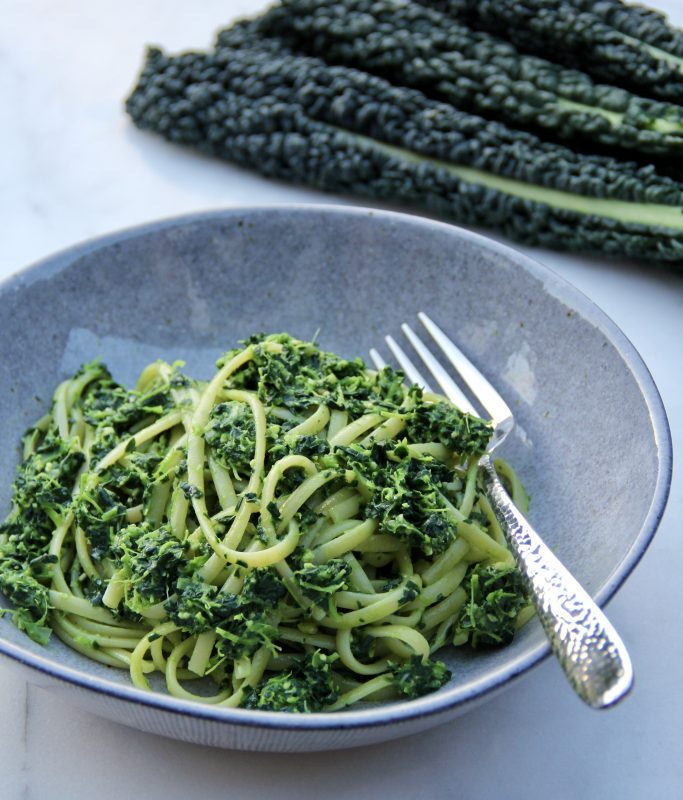
Super easy to make, taking just the time of the pasta to cook, it’s seasonal, packed full of fibre, providing 5 sources of plant-based goodness….. what’s not to love?!?

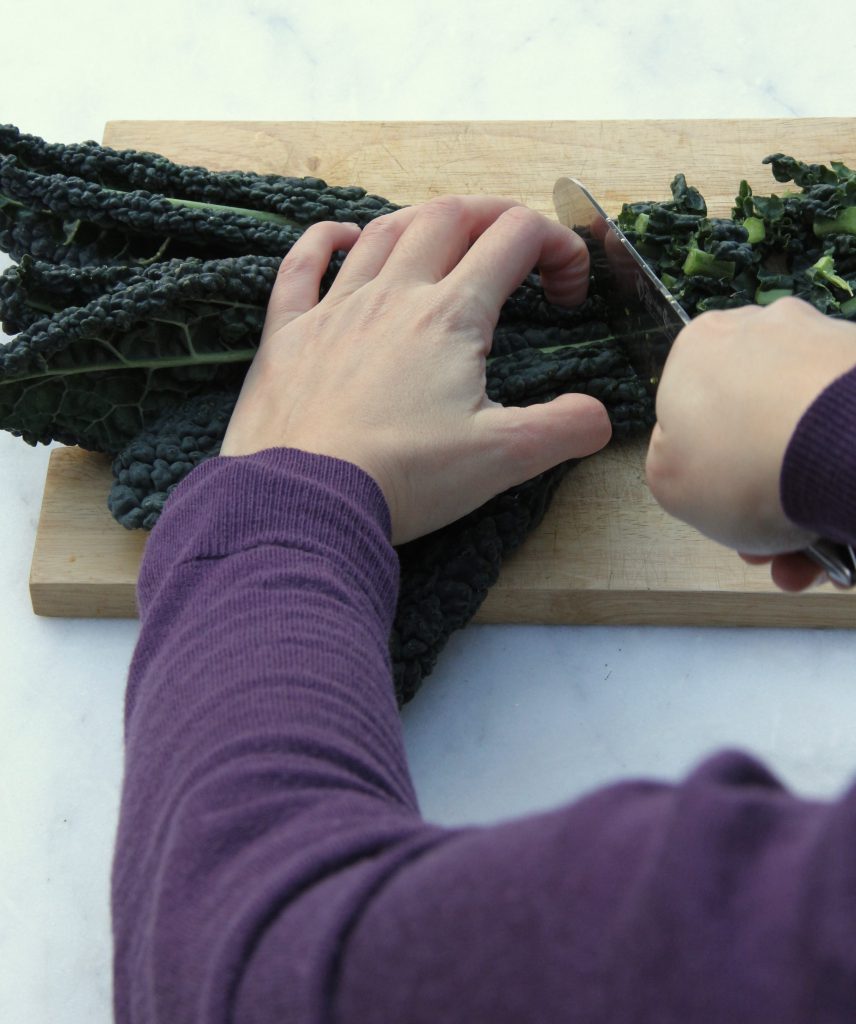
I leave the stems of the kale in. It adds an extra crunch to the dish, which I absolutely love, but also means maximising the fibre content of this dish as well as less food waste, which we really hate! Double bonus!

You could make a large quantity of this pesto and store it in an airtight container in the fridge for a few days. Alternatively, pop it into the freezer in portion sizes ready to whip out when the cupboards are looking a little bare.

Keeping the stems on the kale helps maximise the fibre content and reduce food waste

Serves 1

Recipe

  • 100g kale, washed and roughly chopped
  • 1 clove garlic, peeled
  • 15ml extra virgin olive oil
  • 20g toasted pine nuts
  • 20g parmesan, finely grated
  • 75g pasta

Method

  • Bring a pan of water to the boil. Add the kale and garlic clove and blanch for 1 minute. Remove from the water into a jug for blending.
  • Add the pasta to the boiling water and cook for 1 minute less than the packet instructions.
  • Meanwhile, blend the blanched kale and garlic, before adding the oil, pine nuts and parmesan. Blend again, adding a little pasta water if too thick.
  • Drain the pasta, reserving a little of the cooking water. Return to the pan.
  • Add the pesto and return to the heat to warm everything through. Loosen the pesto sauce with the reserved pasta water if needed. Serve immediately.

Per serving of kale pesto 388kcal/ 35g fat/ 6.7g saturated fat/ 3.8g carbohydrates/ 3.8 fibre/ 13.1g protein