A super quick meal to make with plenty of umami flavours in addition to also providing you with your daily vitamin K requirements, needed to maintaining strong and healthy bones.
Serves 2
Ingredients
180g smoked tofu, very thinly sliced
1/2 tbsp extra virgin olive oil
1 tbsp white miso paste
2 egg yolks
30g parmesan cheese
1/2 tsp cracked black pepper
2 packets of udon noodles
200g sprouting broccoli (or Asian greens such as choi sum or gai lan)
Method
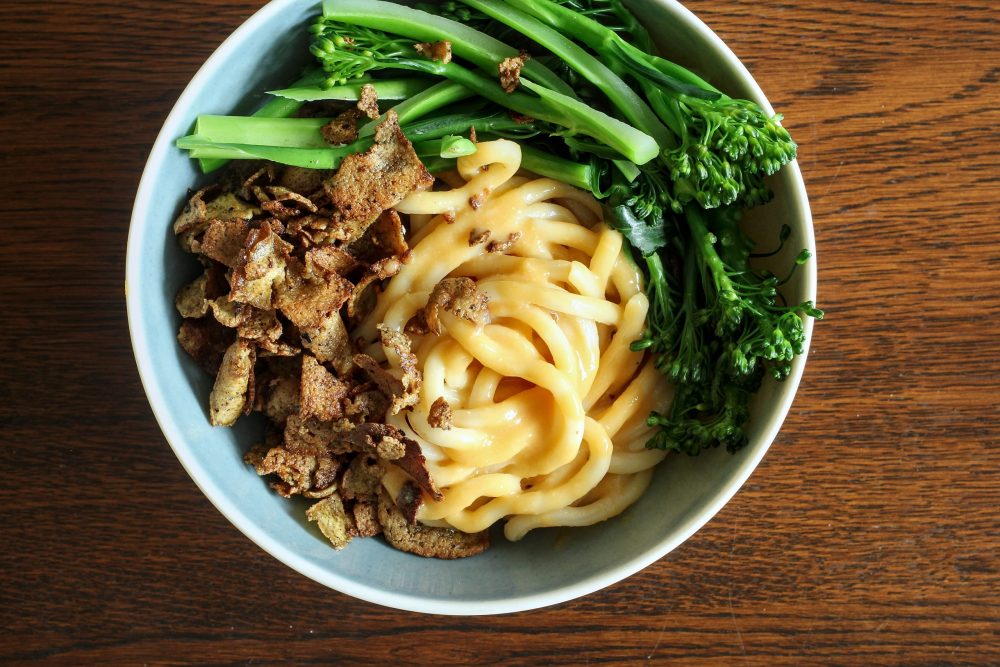
Pan-fry the tofu with the olive oil for 8-10 minutes till golden brown and crispy.
Meanwhile cook the udon noodles according to the packet instructions, adding the broccoli in for the last minute of cooking.
While the noodles are cooking make the sauce by combining the miso paste, egg yolks, parmesan cheese and cracked black pepper together, mixing well.
Using a little of the cooking water, temper the sauce to get the same consistency as double cream. Add the hot noodles and mix well till each noodle is coated with a glossy and smooth sauce.
Plate up and enjoy straight away.
Udon Carbonara
Per serving: 488kcal/ 20g fat/ 5.7g saturated fat/ 43g carbohydrates/ 7.8g fibre/ 29g protein
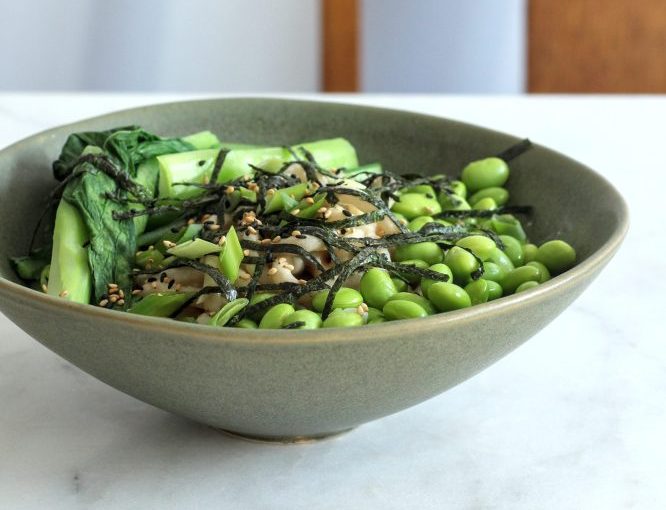
This is my perfect working from home lunch when I have have 10 minutes to cook something. I want it to be nutritious but quick, and this is the perfect meal for that. You can sub the vegetables with what you have, but I always have frozen edamame beans in the freezer ready for a quick snack or meal. They’re a great source of plant-based protein, really affordable and conveniently shelled in the pack so you can just add them to whatever you’re cooking for the last minute or two.
Serves 2
Ingredients
1 garlic clove, minced
1/2″ piece of ginger, minced
3 tbsp tahini
1 tbsp mirin
1 tsp soy sauce
1 tsp sake
2 packs of udon noodles
160g choi sum
160g edamame beans
3 spring onions, finely sliced
2 sheets nori, cut into thin strips
1 tsp sesame seeds
Method
Cook the udon noodles according to the packet instructions, adding the veg in for the last minute of cooking.
Meanwhile make the sauce by combining the garlic, ginger, tahini, mirin, soy sauce and sake together.
Toss the cooked noodles in the sauce to evenly coat, adding some cooking water to get a smooth sauce consistency to your liking, and add the veg, garnishing with the spring onion, nori and sesame seeds.
10 minute sesame noodles
Per serving: 511kcal/ 23g fat/ 3g saturated fat/ 48g carbohydrates/ 11g fibre/ 21g protein
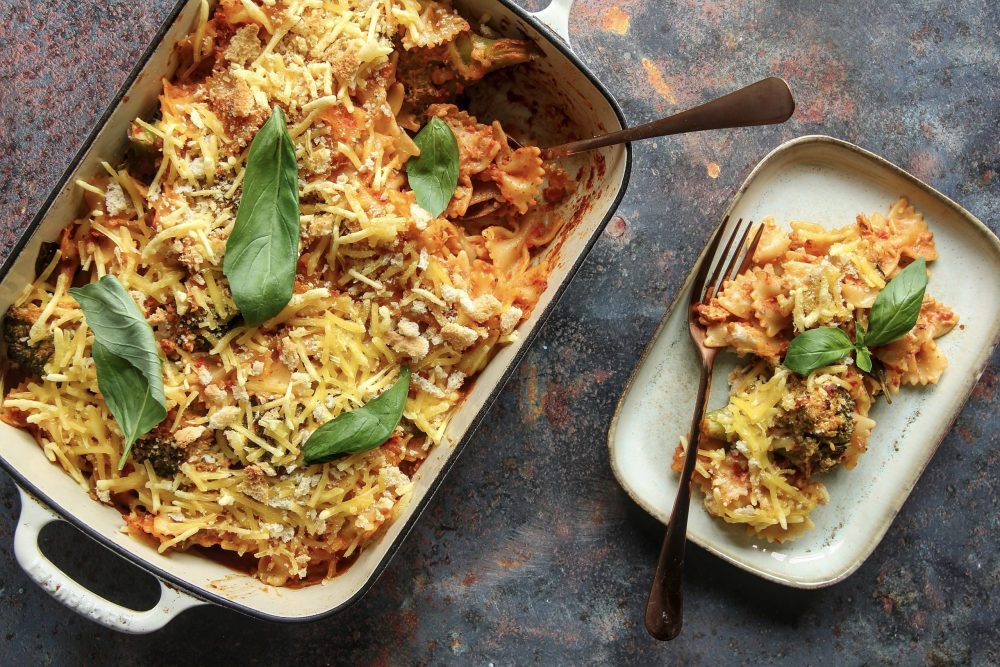
This Sundried Tomato and Red Pepper Pasta Bake is so simple and yet so tasty. You could make the pasta sauce and stir it through hot pasta and sprinkle the cheese on to eat it as it is to make it every quicker, but I do like the extra texture you get from baking it in the oven.
There are many sources of vitamin B12, but plant-based sources are limited to fortified foods including some breakfast cereals, dairy alternatives, nutritional year and yeast spreads and some specially grown mushrooms.
With vitamin B12, the more frequently you have it, the less you body needs as it is more efficient at absorbing it. Therefore, if you have B12 less often, your requirements go up to 10μg/day (if only have one intake of B12), or 2000μg per week. Each serving of my pasta provides you with 3μg, which is the daily recommendation if you are having multiple sources of B12 per day. Therefore, this can help you achieve the daily requirement if paired with other vitamin B12 containing foods throughout the day.
Serves 4
Ingredients
100g sundried tomatoes
200g cooked red peppers in brine
60g almonds
30g basil, stems removed from leaves
1 tbsp balsamic vinegar
1 tbsp oil from the sundried tomatoes (or use extra virgin olive oil if you prefer)
150ml soya milk fortified with vitamin B12
20g nutritional yeast fortified with vitamin B12
300g pasta
300g broccoli
100g vegan cheese fortified with vitamin B12
2 tbsp breadcrumbs
Method
Bring a pan of water to the boil and cook your pasta according to the cooking instructions, adding the broccoli in for the last 4 minutes.
Preheat the oven to 180°C fan/ 200°C convection
Blend the tomatoes, peppers, almonds, basil stems, balsamic vinegar, oil, soya milk and nutritional yeast together to make a sauce.
Mix the sauce through the cooked pasta and broccoli, adding the basil leaves, and use a little pasta cooking water to get every scrap of sauce from the blender before pouring into a baking dish.
Mix the breadcrumbs and vegan cheese together and sprinkle over the top of the pasta bake. Cook for 20 minutes till golden brown and crispy.
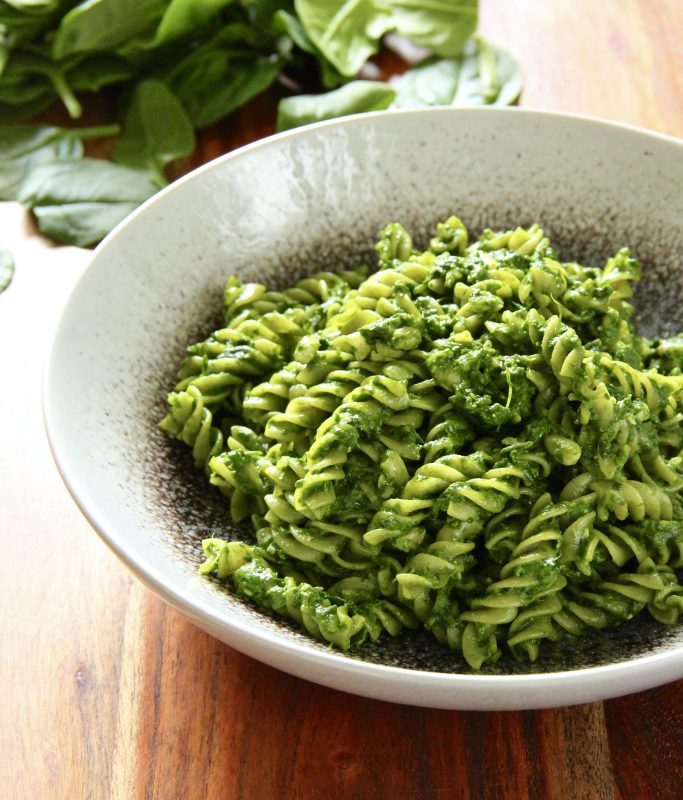
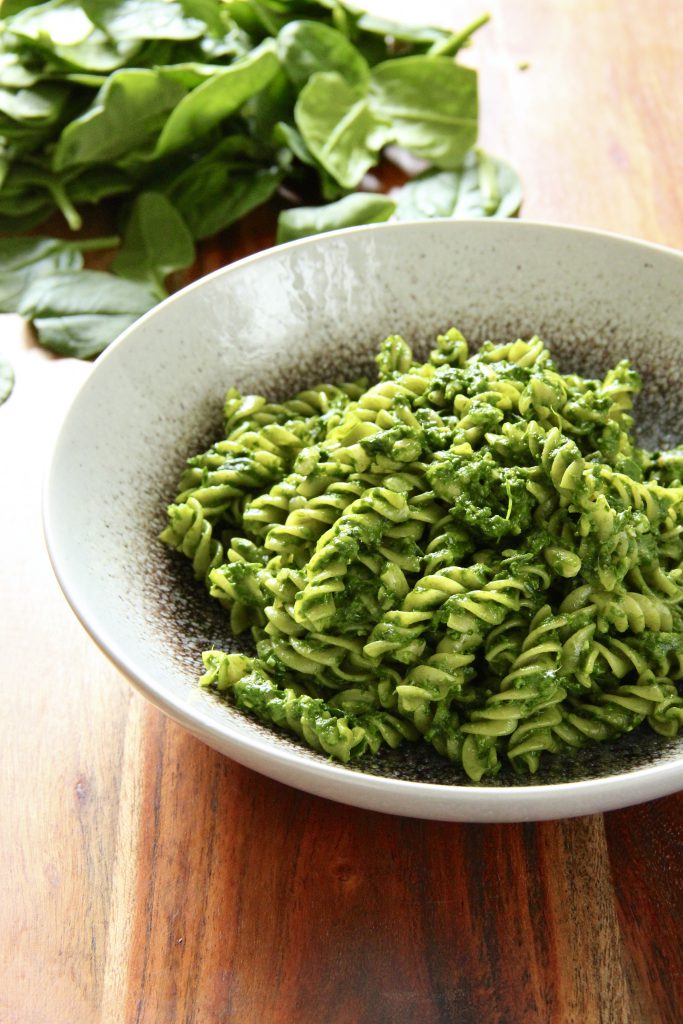
A delicious way to help increase your vegetable intake by hiding them in your pasta sauce – perfect for children who might be fussy! The vibrant green is also so alluring it may well entice them to give it a try.
It also happens to be a really quick and easy recipe. In the time it takes to bring the water up to the boil and cook the pasta, you will have made the sauce. I use this recipe to finish up big bags of spinach which we haven’t quite managed to eat during the week. Anything left over the can also be frozen for use another day. I always keep a jam jar of pesto in the freezer should I ever be caught short of a meal.
You also don’t have to limit yourself to using with pasta. It makes an excellent topping for roasted vegetables or roasted tofu. Additionally use it to make a crust on your favour meat or fish before cooking. Or try finishing of a soup with a spoonful just as you serve.
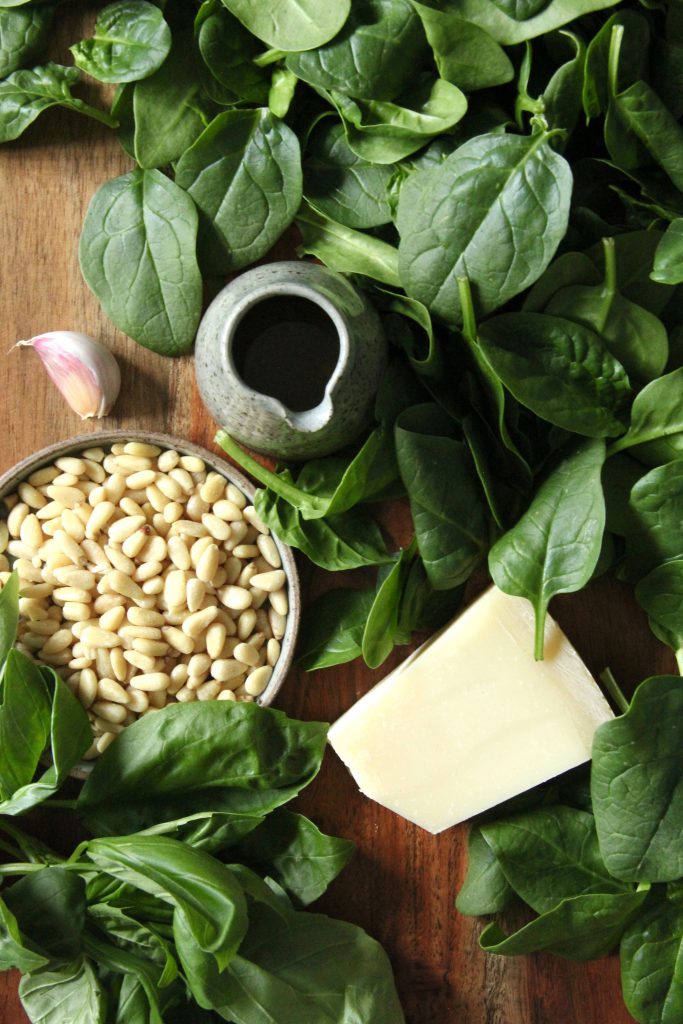
If you don’t have pine nuts, other nuts or seeds can be substituted in depending on what you have in stock.
Serves 2
Ingredients
1 clove of garlic
180g baby leaf spinach
1 small bunch of basil
40ml extra virgin olive oil
40g pine nuts, toasted and cooled
40g parmesan, grated
To serve
Pasta, cooked
Method
Blend the garlic, spinach, basil, and olive oil together to a smooth paste. If you don’t have a blender chop the leaves as small as possible and use a pestle and mortar to make a paste.
Add the pine nuts and cheese and blend to your desired consistency.
Add to freshly cooked pasta with a little pasta water and cook over a low heat for 1 minute before serving.
Per serving of pesto served with pasta: 685kcal/ 39.6g fat/ 7.4g saturated fat/ 29.8g carbohydrates/ 4.0g fibre/ 18.1g protein
I always seem to have too much kefir, and never enough when I actually want to use it for my breakfast! If, like me, you seem to be making a lot of kefir for it to go too sour for your taste, don’t be fooled into throwing it away. That really upset me at first, when I didn’t understand my grains and fermenting. But I have now solved my kefir overflow problem – flat breads.
These are so easy to make, and taste so delicious you would never know they were made with what something that people would consider throwing away.
While I’ve had a few people scrunch their noses at me when I say I use old kefir to make these, they haven’t tried them and I’m 100% sure they would change their minds as soon as they tasted them.
When kefir goes too far and splits, you get the creamy part at the top and a yellowish clear liquid at the bottom. For me this is fermented too much for me to have in my cereal as is, and rather than waste it, I carefully tip off the clear liquid by holding a spoon to the solid top part and tilting my container. Once I’ve managed to get rid of as much as I dare, I strain the top part of the kefir off through a sieve into a container, take what I want for my breakfast, and leave the rest in the fridge. The kefir grains are then return to their normal cycle of fresh milk and left on the counter.
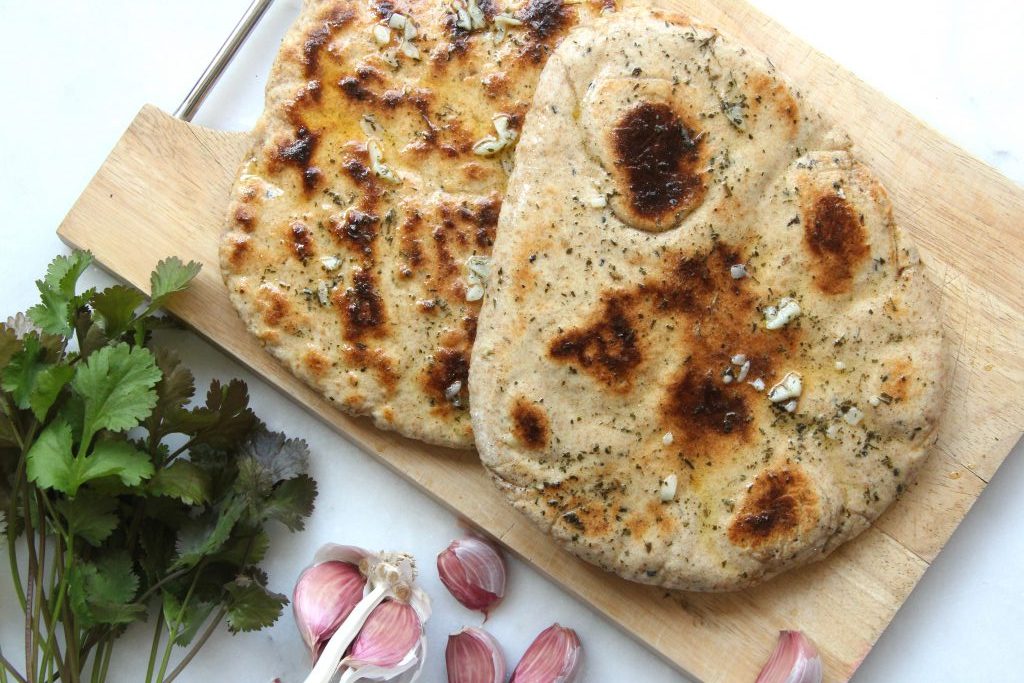
Once I have saved up a few day’s worth of kefir leftovers, I’m ready to make my probiotic loaded flatbreads. You can scale this recipe up or down depending on how much kefir you have, and how many flatbreads you want to make. These taste best fresh out of the pan, so I would only make as many as you can comfortably eat. Simply top them with your favourite sweet or savoury toppings and enjoy. Personally I love some garlic butter melted over the top as they come out fresh from the pan.
Using wholemeal flour is a great way to increase your fibre intake. If you don’t have wholemeal flour, you can use all self raising flour, but halve the baking powder. Or use other flours such as spelt or rye to help increase fibre diversity.
Makes 3 flatbreads
Ingredients
130g kefir, slightly strained
80g self-raising flour
100g wholemeal flour, plus extra for rolling
1 tsp baking powder
1 garlic clove, crushed
10g butter
Method
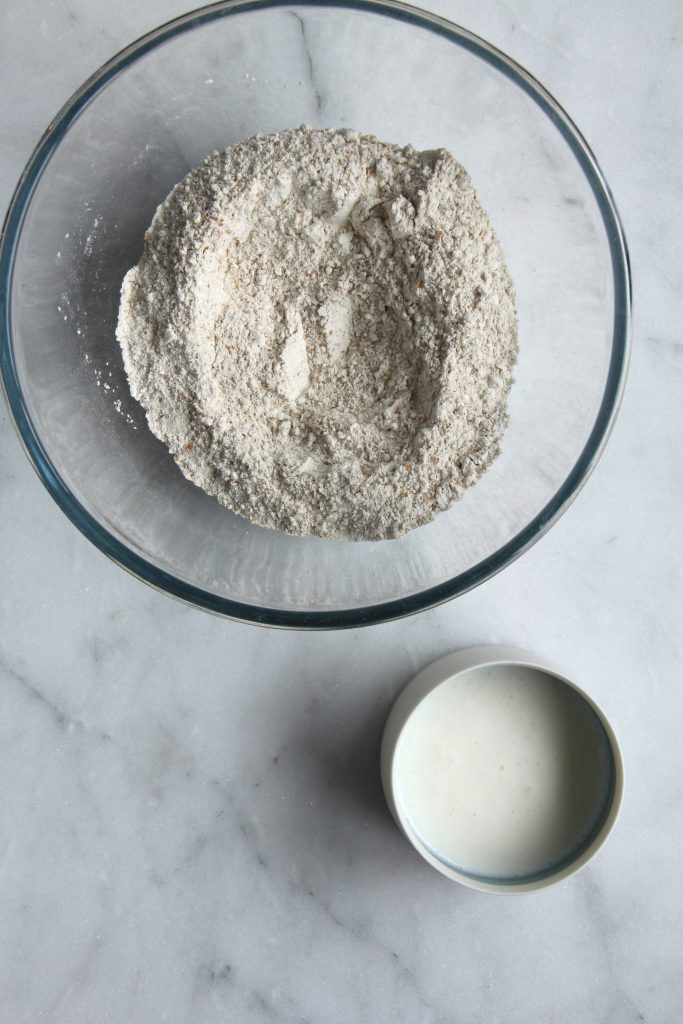
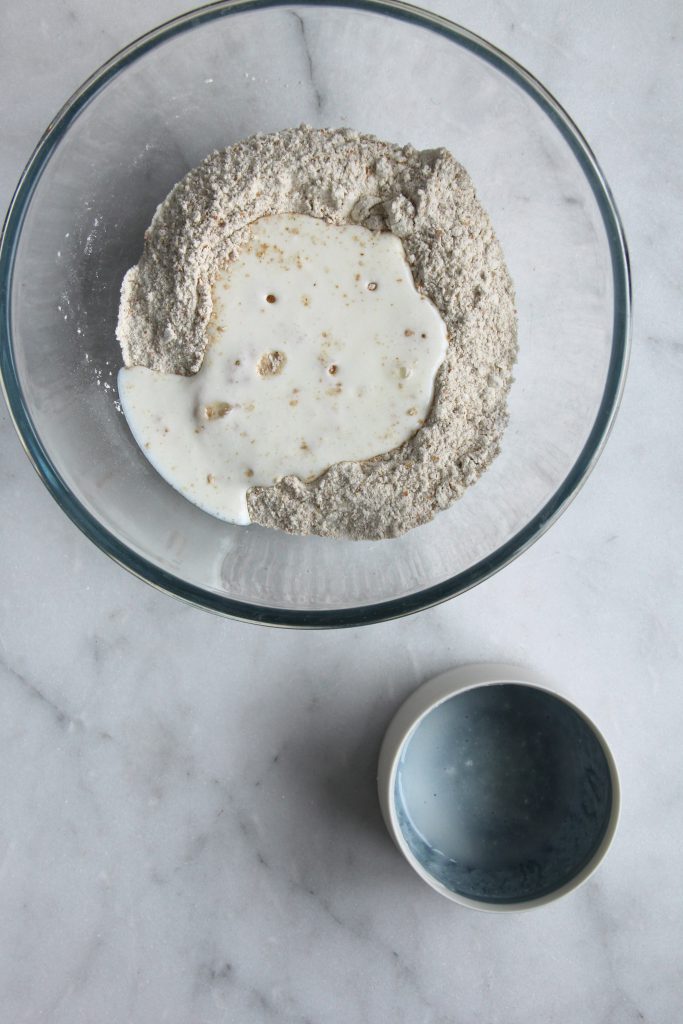
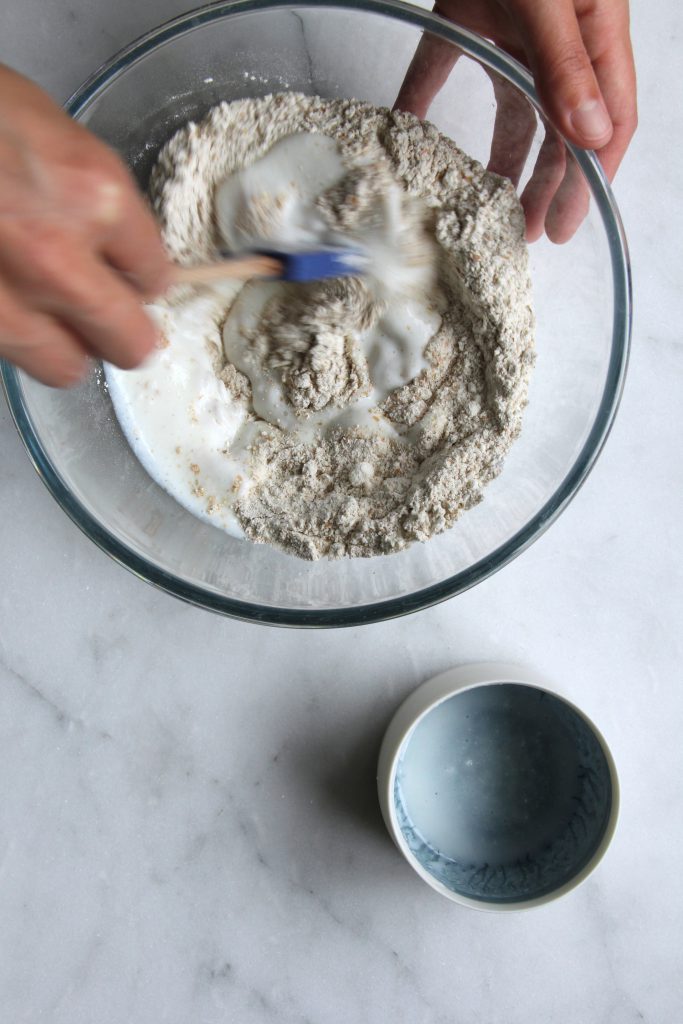
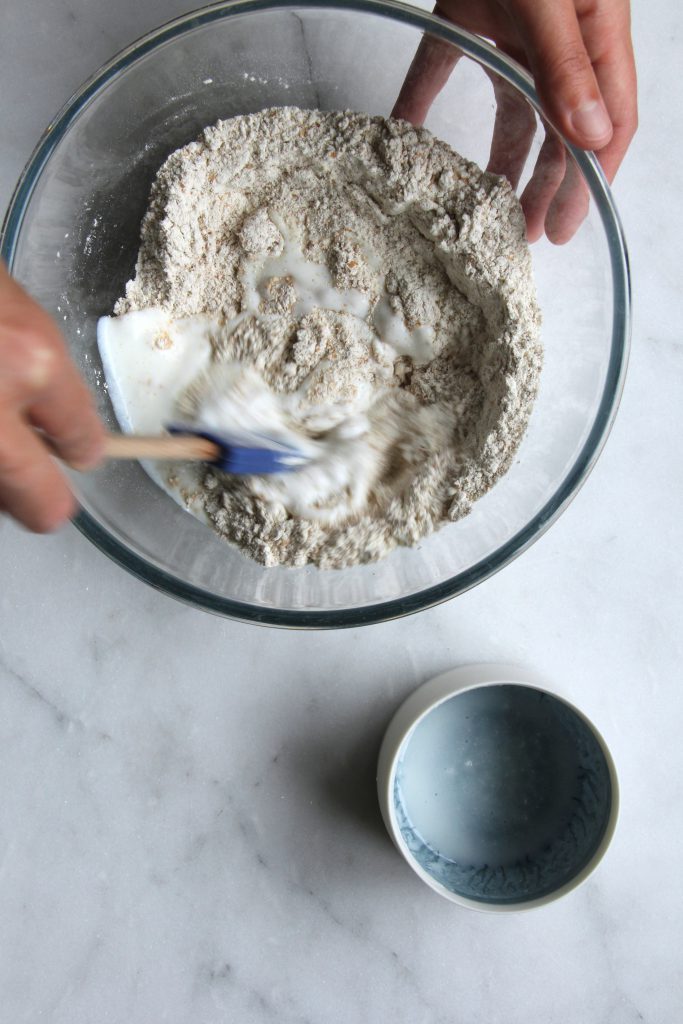
Mix all the dry ingredients together, then add the kefir. If the mixture is too sticky add a little more flour.
Knead for a few minutes till soft and smooth.
Roll out using a little flour to stop it sticking, to the thickness of a pound coin.
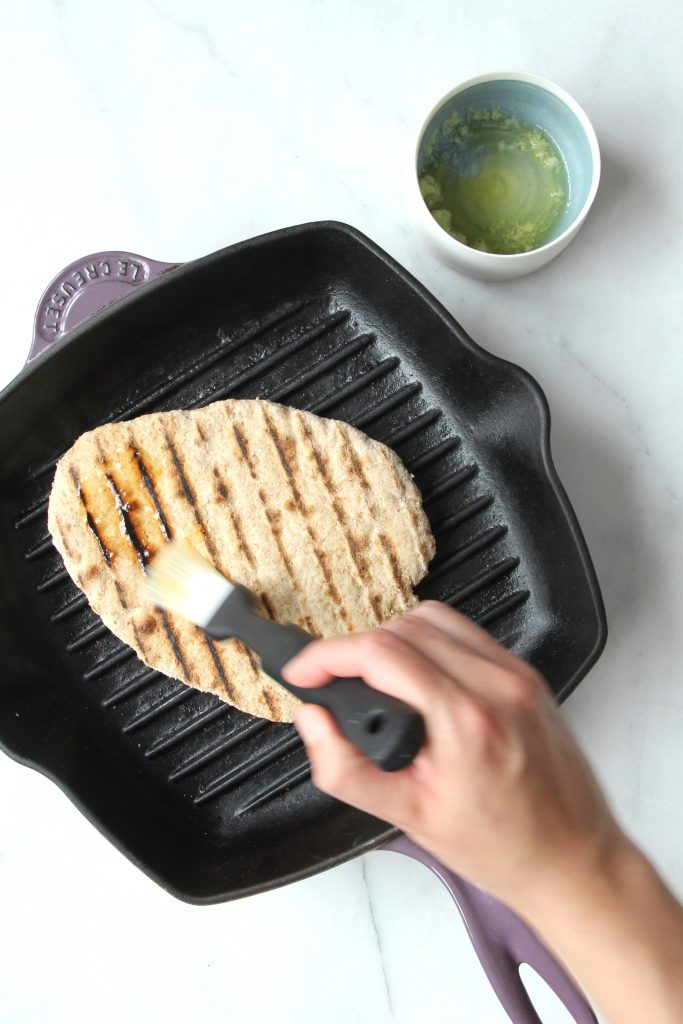
Cook in a dry pan or griddle over a medium heat for 2-3 minutes per side.
Meanwhile, gently heat the garlic and butter together till melted and the garlic fragrant.
Remove from the pan, and brush with garlic butter while hot to allow the flavorous to melt into the bread.
Per flatbread: 332kcal/ 5.2g fat/ 2.8g saturated fat/ 43.6g carbohydrates/ 4.7g fibre/ 7.4g protein


 Dr Pippa