Christmas Leftover Pasta

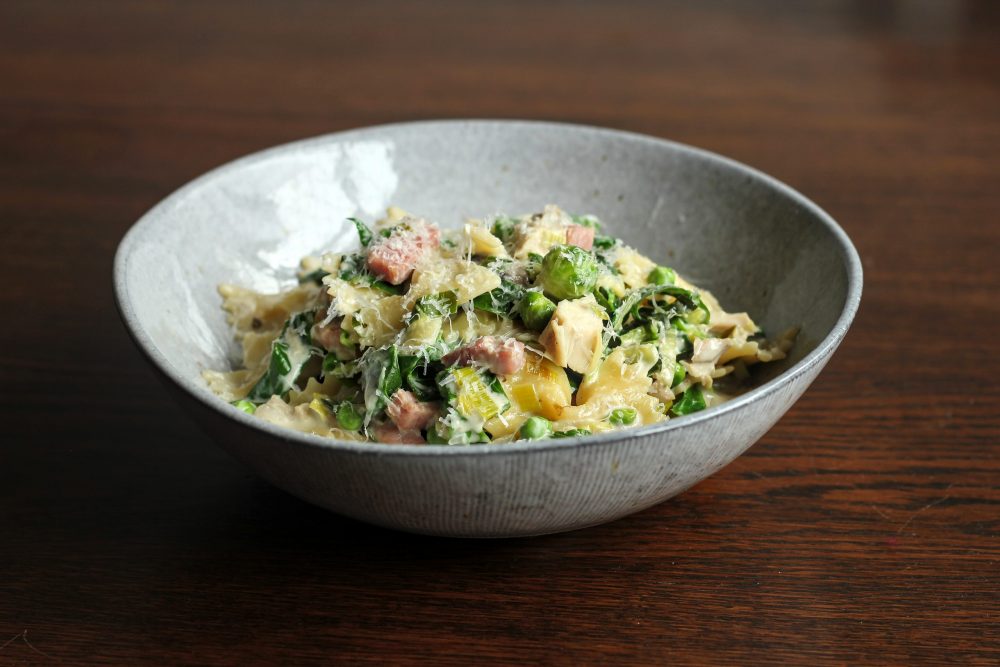
Christmas Leftover Pasta

Looking for alternative ways to use up your leftovers from Christmas Day? I’ve already got a leftover pie recipe, but after making two already this year for the freezer I needed to use up my leftovers in a different way.

You can use whatever you have to hand, almost anything goes but here are a few substitutes for my recipe below:

  • Onions and leeks – shallots
  • Brussel Sprout Tops – shredded Brussel Sprouts, kale, cabbage, spinach
  • Turkey stock – pinch of stock powder with 100ml water
  • Thyme – other herbs such as sage, oregano or chives
  • Cream – use milk, but add an extra teaspoon of flour
  • Turkey – leftover roast chicken
  • Ham – bacon (cook with the onions if raw) or pancetta
  • Parmesan – any leftover cheese would work such as stilton, cheddar, goats cheese
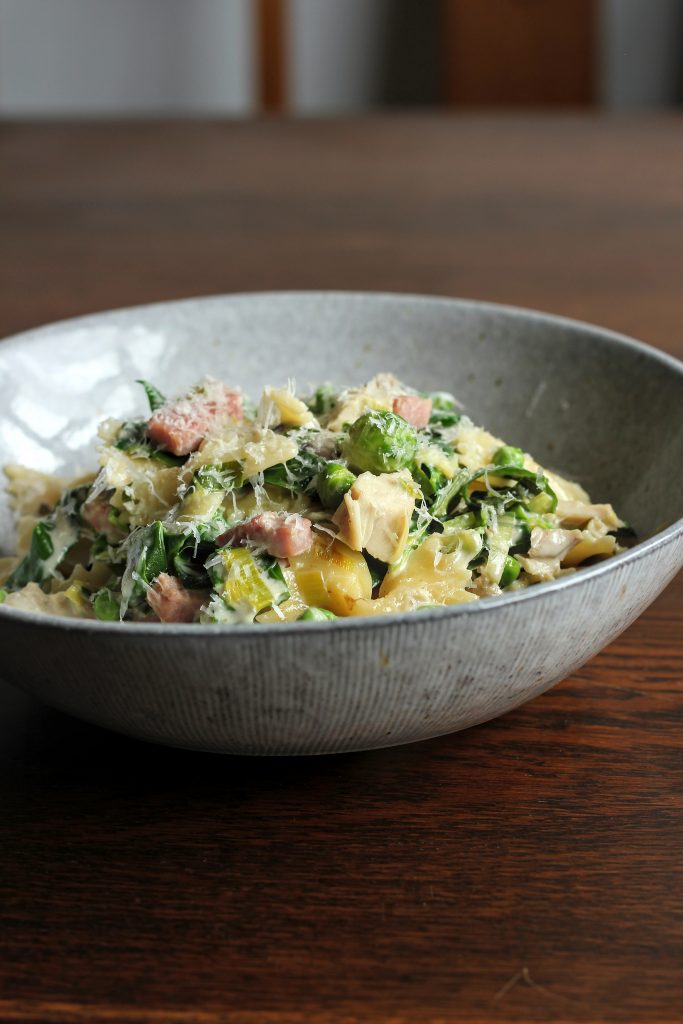
Christmas Leftover Pasta

Serves 4

Ingredients

  • 1 tbsp rapeseed oil
  • 1 onion, sliced
  • 1 leek, sliced
  • 100g mushrooms, sliced
  • 1 garlic clove, finely chopped
  • A few sprigs of thyme, leaves removed
  • 1 tsp plain flour
  • 100g turkey stock
  • 100g Brussel sprout tops
  • 150ml double cream
  • 100g ham, chopped
  • 150g cooked turkey, chopped
  • 100g peas
  • 300g pasta

To serve

  • Parmesan

Method

  • In a pan add the oil and onion. Cook for a few minutes before adding the leeks and mushrooms, cooking till soft.
  • Meanwhile, cook the pasta in boiling water for 2 minutes less than the cooking instructions.
  • Add the garlic and thyme, stir and add the flour. Mix well to coat everything before pouring in the stock. Cook till the sauce thickens.
  • Add the Brussel sprout tops and cook till just wilted before adding the cream. Mix well and add the cooked meat and peas.
  • Mix the cooked pasta into the sauce, using a little pasta water to loosen the sauce as needed.
  • Serve topped with parmesan and enjoy.
Christmas Leftover Pasta

No Waste Vegetable Fritters

No Waste Vegetable Fritters

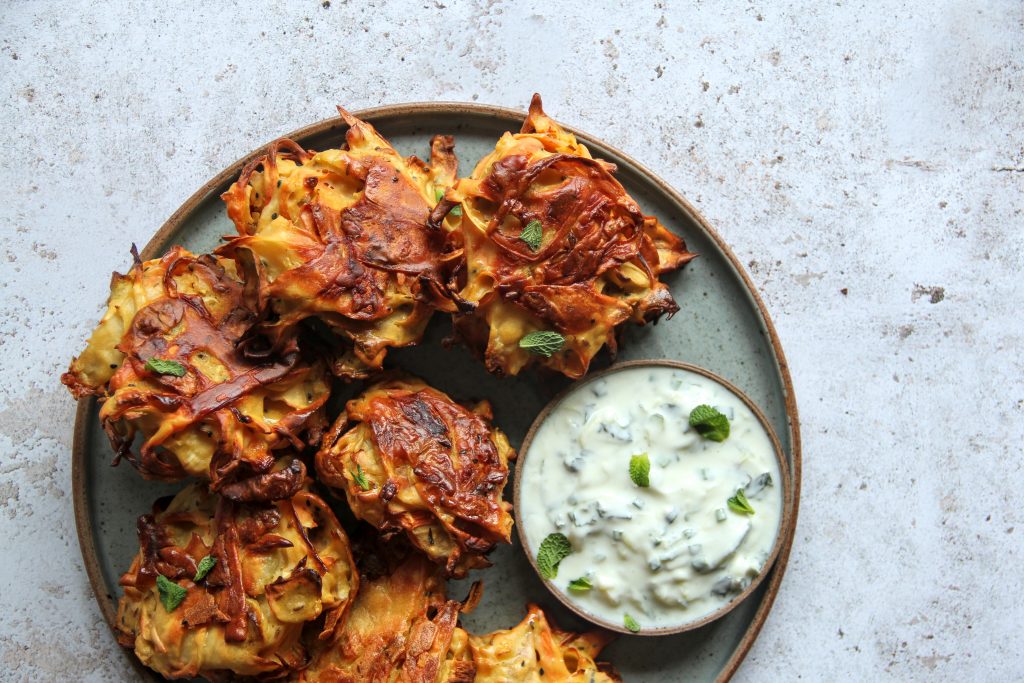
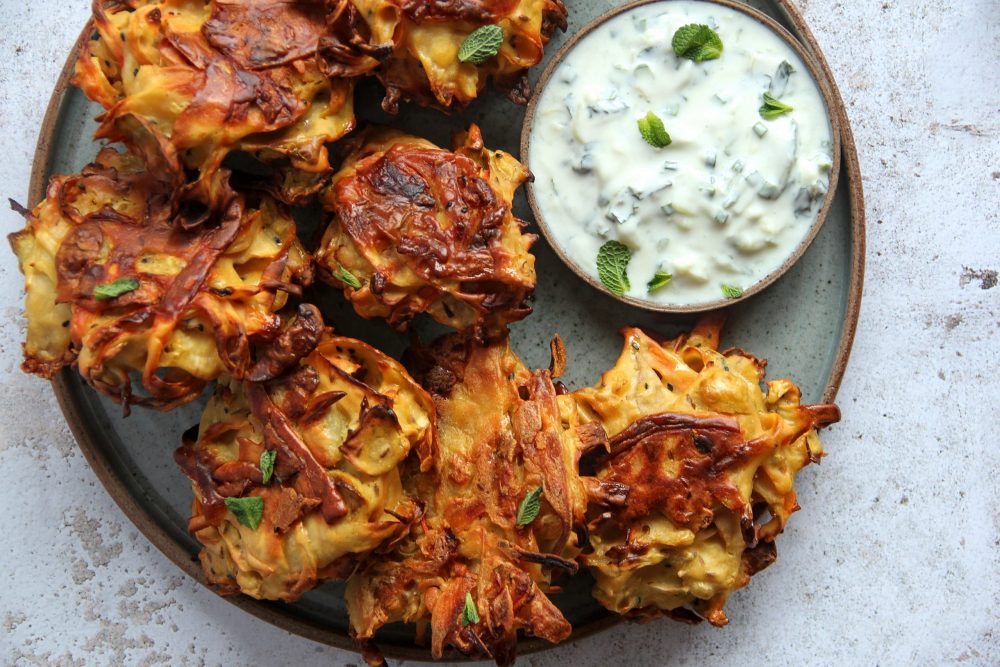
Use your leftover vegetable peelings from your Christmas Dinner to make these delicious No Waste Vegetable Fritters. They are so versatile in terms of what vegetables you want to use in them. I have used a combination of potato, parsnip, carrot and sprout peelings, but other suitable vegetables include onion, cabbage, kale, cauliflower (leaves included), broccoli, mushrooms or leeks.

Save the peelings in a Tupperware in the fridge for up to 3 days before making these fritters – you can adjust the gram flour (also known as chickpea flour or besan flour) and water to the weight of the vegetables.

Delicious served with a quick riata which can easily be adapted to vegan by using a plant-based yoghurt.

No Waste Vegetable Fritters

Makes around 8 fritters

Ingredients

  • 2 tbsp rapeseed oil
  • 400g vegetable peelings e.g. carrots, potatoes, parsnips and sprouts
  • 1″ ginger, grated
  • 1 clove garlic, grated
  • 1 tsp nigella seeds
  • 1.5 tsp cumin seeds
  • 250g gram flour
  • Juice of 1 lemon

To serve

  • 250g plain yoghurt of choice
  • 100g grated cucumber
  • 1 spring onion, chopped
  • 1 handful fresh mint, chopped
  • Juice of half a lemon

Method

  • Preheat the oven to 200°C fan/ 225°C convection
  • In a large baking tray add the oil and preheat in the oven
  • In a large bowl add the remaining fritter ingredients and mix together with around 150ml water, adding extra water if needed to get a thick batter consistence.
  • Remove the tray from the oven and drop patties of the mixture into the hot oil, evenly spaced out. You should make around 7-8 fritters.
  • Cook in the oven for 10 minutes, before flipping over, gently pressing down and cooking for a further 12-15 minutes till golden brown and crispy.
  • Meanwhile, mix the raita ingredients together.
  • Once the fritters are cooked through, serve alongside the riata.

Per serving*: 198kcal/ 5.2g fat/ 0.7g saturated fat/ 25g carbohydrates/ 5.2g fibre/ 10g protein

No Waste Vegetable Fritters

*Nutritional analysis completed based on particular vegetables listed and plain low fat yoghurt.

Sourdough Croutons

Sourdough Bread

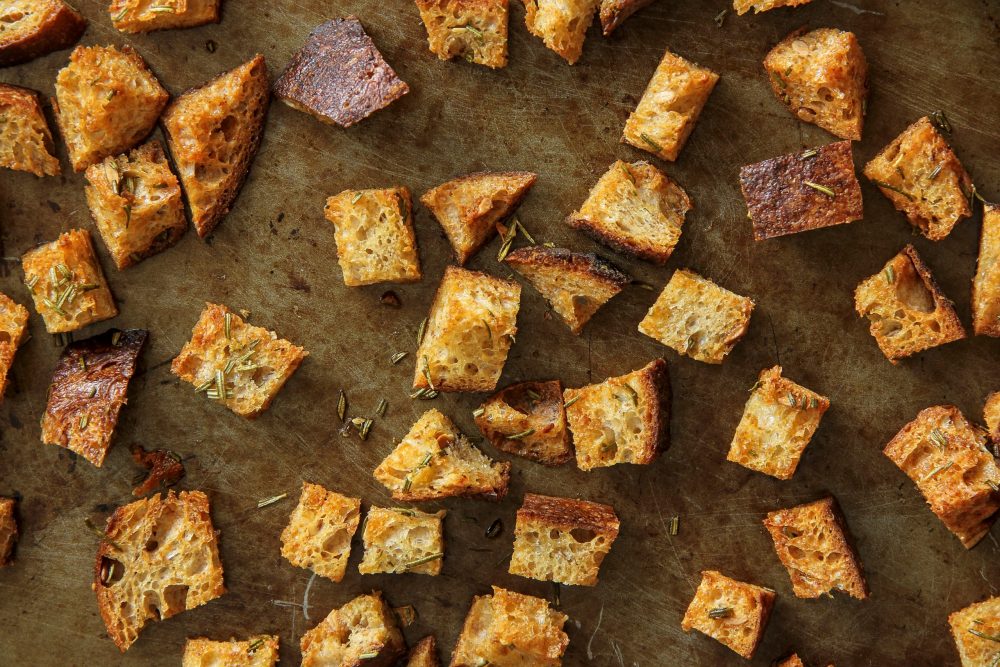
If you ever have stale sourdough bread, here’s the easiest way to use it up. No food waste in this house, they keep in an airtight container for a few weeks ready to sprinkle on anything that needs and extra piece of crunch!

The recipe is super easy, I roughly uses 1 sprig of rosemary, 1 clove of garlic and 1 tablespoon of oil for every 100g of bread. But of course you can change this up according to your taste.

Ingredients

  • Sourdough bread, cut into 1″ cubes
  • Garlic cloves, crushes
  • Rosemary, roughly chopped
  • Olive oil

Method

  • Preheat the oven to 150°C fan/ 160°C convection
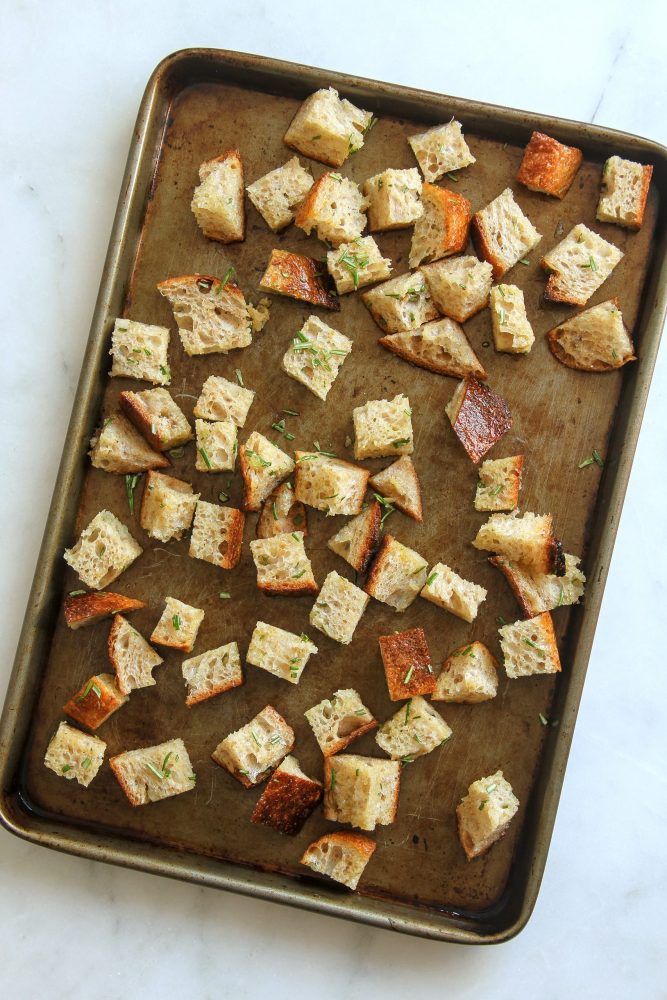
  • Mix the oil, garlic and herbs together in a large bowl. Add the bread cubes and mix to completely coat the cubes.
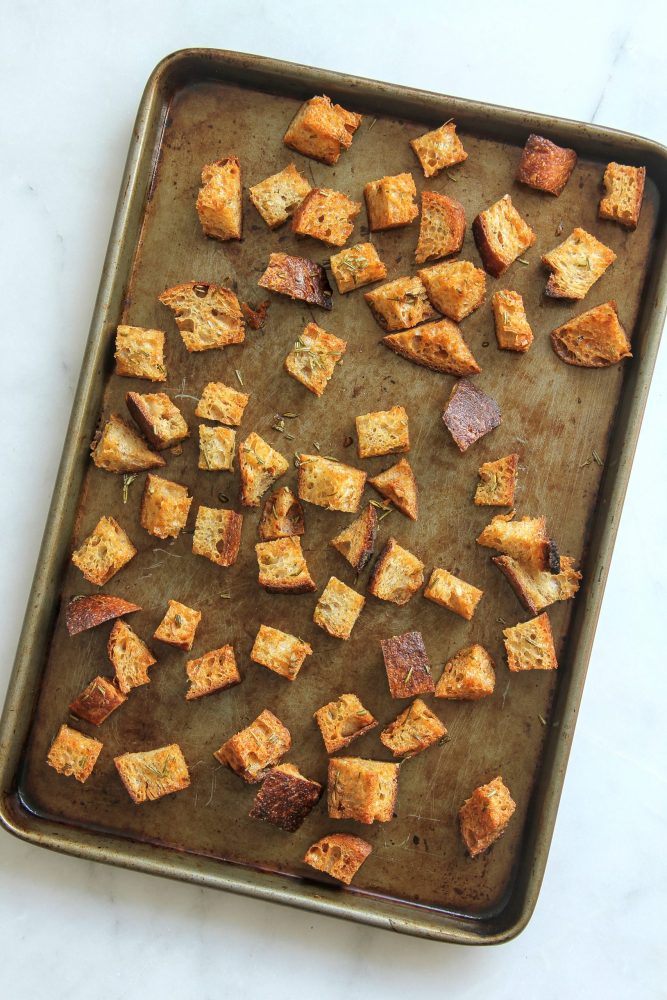
  • Transfer to a baking tray, spreading the cubes out and bake for 25-30 minutes, till golden brown and crispy.
  • Sprinkle over your favourite soups or salads, or allow to cool completely before storing in an airtight container.

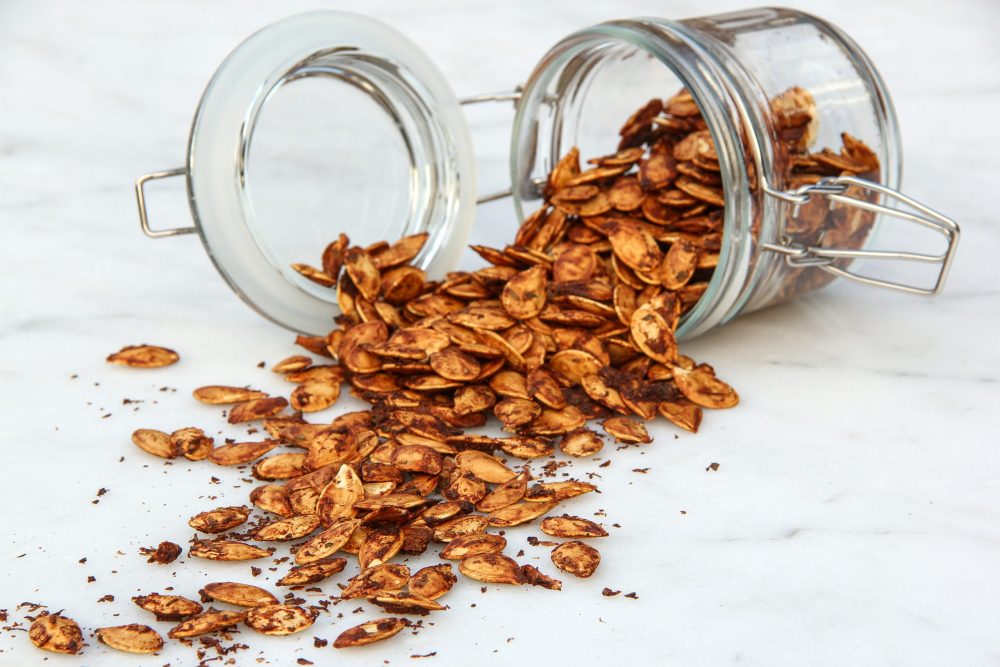
Spicy Roasted Pumpkin Seeds

Still looking for ways to use up your pumpkin this year? I’ve covered using the skin and the flesh, so not it’s time to talk about seeds! I don’t even wash the seeds, contrary to what many other people suggest. This helps keep the recipe as simple as possible, and also means that any pumpkin fibres still attached will soak up any flavours added to them aka flavour bomb!

Pumpkin seeds are full of magnesium, phosphorus, vitamin K and manganese, as well as being a good source of antioxidants. In addition, carving pumpkin seeds are higher in fibre than standard green pumpkin seeds bought from the shop – another win for making your own!

These little seeds make the perfect snack on the go, or alternatively, use them to add textures to soups or salads.

You could roast them plain, but I love the little extra kick from the lemon and cayenne pepper – feel free to use more for a bigger kick, or substitute with chilli powder.

Ingredients

  • 150g pumpkin seeds
  • 1 lemon, zest and juice
  • 1 tsp smoked paprika
  • 1 tsp dried oregano
  • 1 tsp dried coriander
  • 1/4 tsp cayenne pepper (option to add more for a bigger kick, or use chilli powder)
  • 1/4 tsp white pepper

Method

  • Preheat the oven to 150°C fan/ 160°C convection
  • Mix all the ingredients together and lay them out on a baking tray
  • Bake the seeds for 30-40 minutes, mixing twice during the cooking time, till crispy and you can just hear them start to pop
  • Allow to cool before storing in an airtight container

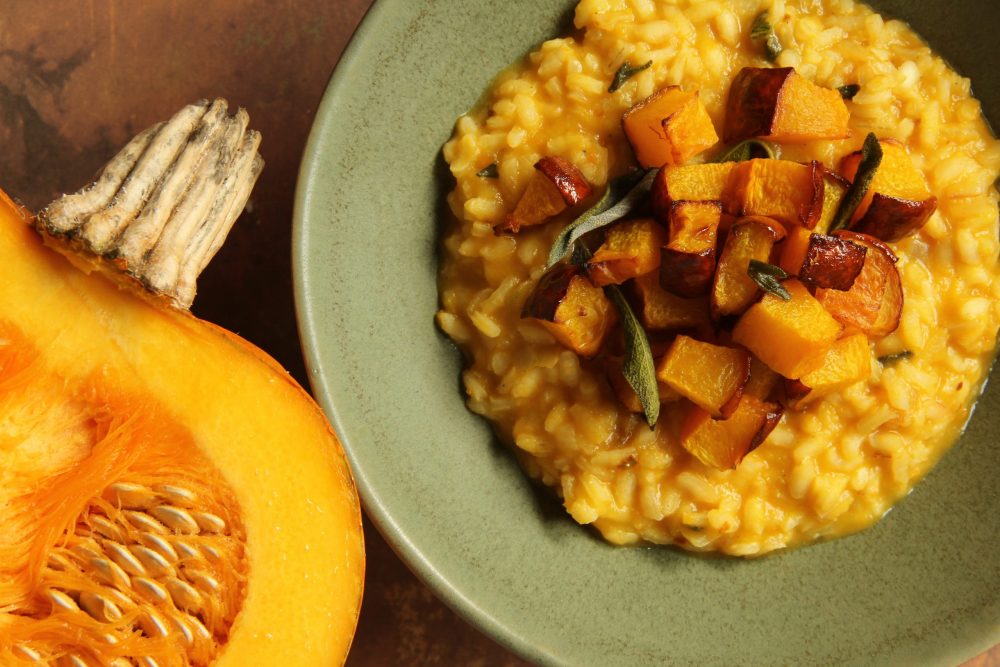
Golden Pumpkin Risotto

This is the perfect way to use up any pumpkin scraps you may have from Halloween carving! I’ve paired it with some carrot for an extra golden beta carotene boost, making the whole dish a gorgeous golden hue.

It is estimated that 14.5 million pumpkins will be wasted in the UK this year. Carving pumpkins are edible, from the skin to the flesh and even the seeds, so why not try to make use of some of the pumpkin scraps once you have carved your jack-o’-lantern. Reducing food waste helps reduce CO2 emissions, which in turn helps our planet.

It’s suitable for a gluten-free diet, just check you’re using suitable stock, or even for baby-led weaning if using a no-added salt stock (for very young babies you may need to blend/mash the rice). Optional to use homemade stock or some herbs and spices to make your own. If you want to make this dish vegan, substitute the butter for a little more oil, and the parmesan for some nutritional yeast.

Serves 4

Ingredients

  • 700ml stock
  • 100g pumpkin scraps such as inners or carving off-cuts
  • 100g carrots, roughly diced
  • 200g pumpkin, cut into cubes
  • 1/2 tsp extra virgin olive oil
  • 2-3 sprigs of sage, leaves removed
  • 1 large onion, finely diced
  • 1 tbsp extra virgin olive oil
  • 2 garlic cloves
  • 20g butter (use extra oil if making vegan)
  • 200g risotto rice
  • 150ml white wine (option to use extra stock)
  • 40g parmesan, grated

Method

  • Start by making the pumpkin stock by adding the pumpkin scraps, carrot and stock to a saucepan. Bring to the boil and simmer for 20 minutes till the pumpkin and carrots are cooked through. Blend till smooth and keep on a low heat.
  • Meanwhile, preheat the oven to 180°C fan/ 200°C convection. Add the pumpkin cubes to a baking tray and mix with 1/2 tbsp olive oil. Bake for 25 minutes, turning halfway through. Add the sage leaves and bake for a further 5 minutes.
  • While the pumpkin is roasting, take a large pan and gently cook the onions in the remaining oil till soft and translucent.
  • Add the garlic and cook for 1 minute before adding the butter.
  • Add the rice and toast for 2-3 minutes till fragrant. Add the white wine and stir.
  • Slowly add the stock, stirring the risotto continuously. As the stock is absorbed add more. If you run out of stock use boiled water to allow the rice to cook through so it has a little bite in the centre.
  • Remove the risotto from the heat and add the parmesan and 1/2 the toasted sage leaves. Season with pepper to taste.
  • Serve with the roasted pumpkin and remaining sage leaves over the top.

Per serving: 417kcal/ 15.0g fat/ 5.9g saturated fat/ 52g carbohydrates/ 5.3g fibre/ 9.2g protein

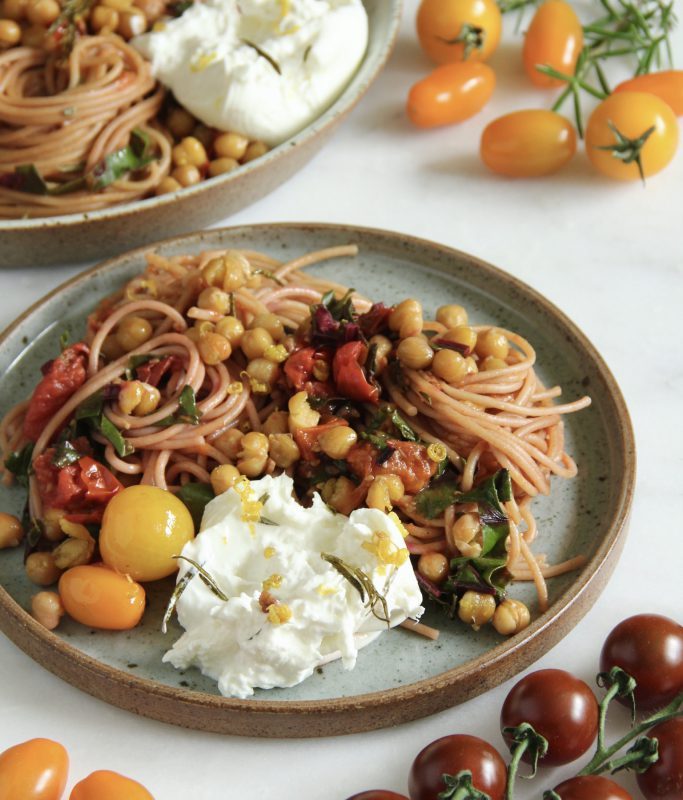
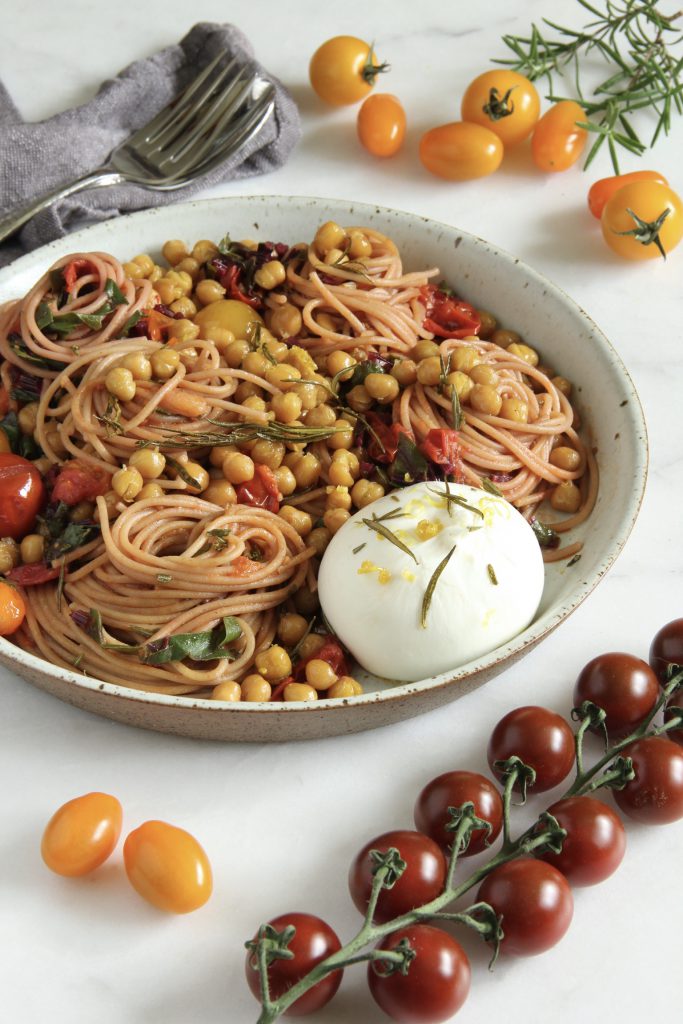
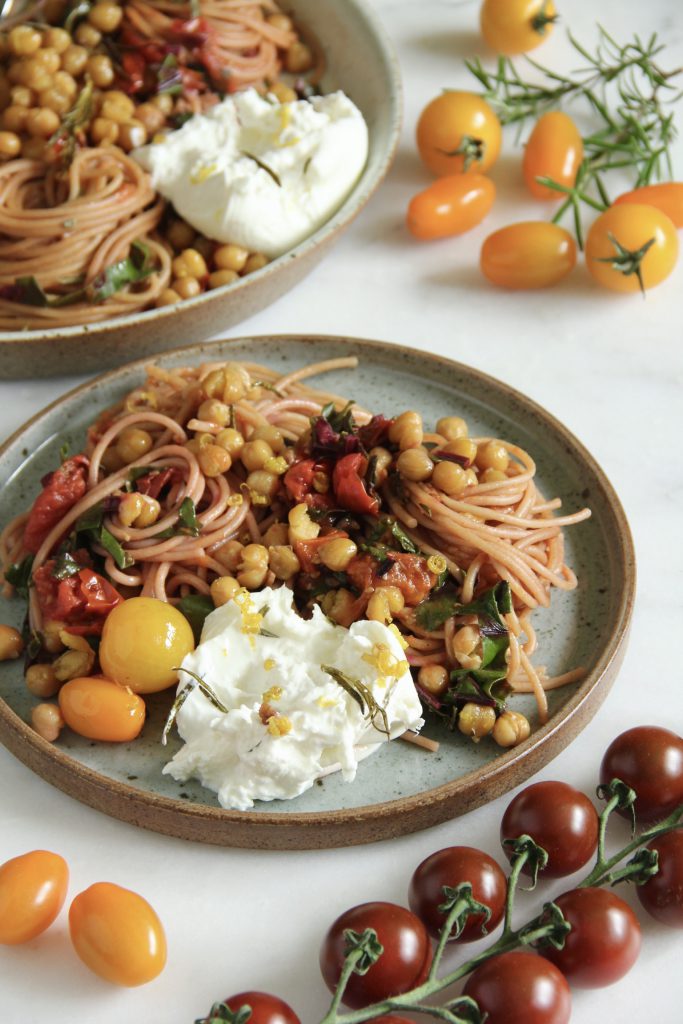
Crispy Lemon Rosemary Chickpea and Burrata Summer Pasta

I’m trying to find some inventive ways to use up the leftover beetroot leaves as I process them to try to preserve the taste of summer. Beetroot leaves are so similar to perpetual spinach or Swiss chard. For every homegrown beetroot given out, I also say to my willing receiver “did you know you can eat the leaves too?” There is absolutely no reason to waste them so apart from giving them to the chickens as a little treat, I’m also trying to utilise them myself. If you can get hold of whole beetroots with the leaves still attached, or are growing them yourself (or being gifted as I am doing with so many beetroots!) then you absolutely must try them!

The standard purple beetroots still contain some of the bright purple-red colouring found in the bulb, so I would only assume there are some of the same health benefits from eating the leaves as there are from the actual beetroot itself, although it a smaller quantity which is reflected in the light staining you get from the leaves themselves. There hasn’t been any research into this as far as I can see, but at the end of the day it is green and leafy, and as it’s not toxic to humans, I can only assume there must be some good to eating them whole vegetable from root to leaf.

For me, eating beetroot leaves is a true taste of summer, and something I am currently relishing. I hope that you can get your hands on some beetroot leaves, but if you can’t, or decide you need a little reminder of Summer when it’s dark and gloomy in Winter, use baby leaf spinach, kale or even cabbage.

While I think that standard “white” spaghetti would look more aesthetically pleasing, I am always drawn to using wholemeal pasta wherever possible due to the extra fibre (from 7g fibre per portion up to almost 12g). I also think it helps enhance the slight earthiness of the beetroot leaves.

Serves 3

Ingredients

  • 1 tin of chickpeas, drained and rinsed
  • 3 springs of rosemary, leaves removed from 1 sprig and roughly chopped
  • Zest of 1 unwaxed lemon
  • 2 tbsp extra virgin olive oil
  • 250g cherry tomatoes
  • 2 cloves of garlic
  • 1/2 tbsp balsamic vinegar
  • 200g wholemeal pasta
  • 150g beetroot leaves, roughly chopped
  • 1 ball of fresh burrata

Method

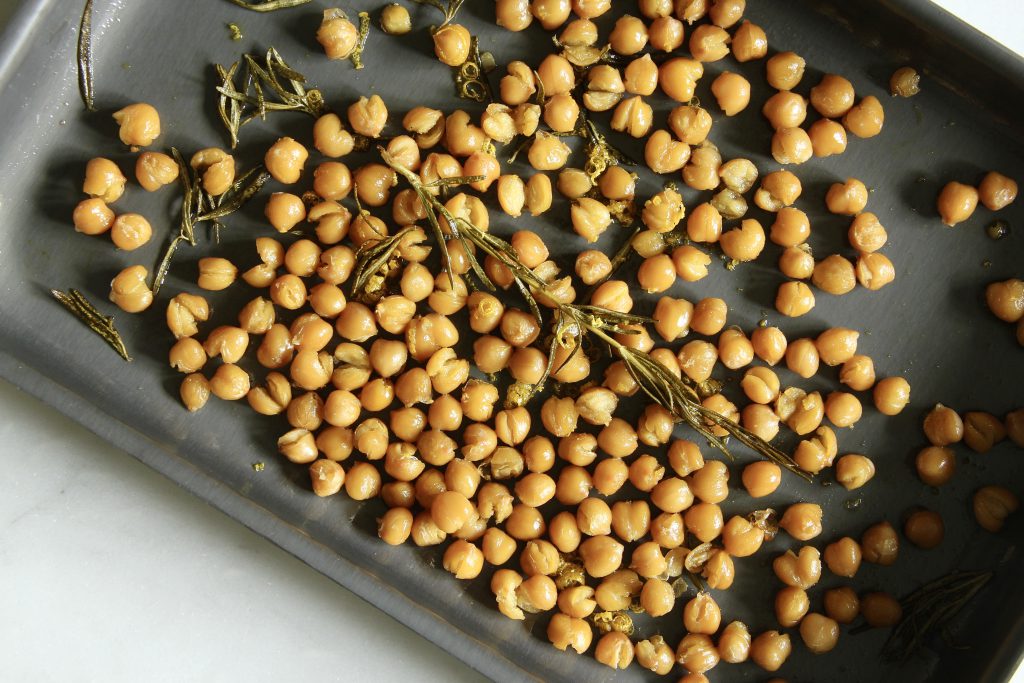
  • Mix the chickpeas, 1 tbsp oil, lemon zest, and 2 spring of rosemary in a baking tray. Bake at 180°C fan/ 200°C convection/gas mark 6 for 15 minutes till crispy and fragrant.
  • Meanwhile, add the tomatoes, garlic and remaining oil to a saucepan, and cook for 5 minutes, before adding the balsamic vinegar and chopped rosemary. If needed add a little water to stop it from sticking.
  • Boil the wholemeal pasta for 2 minutes less than the instructions, reserving a little pasta water.
  • Add the beetroot leaves into the tomato sauce before mixing in the cooked pasta. Return to the heat for 1 minute, adding some of the reserved pasta water if required to loosen the sauce.
  • Serve with the crispy chickpeas, crispy rosemary, and the burrata ball over the top.

Per serving: 501kcal/ 14.2g fat/ 7.0g saturated fat/ 70.0g carbohydrates/ 11.8g fibre/ 18.6g protein

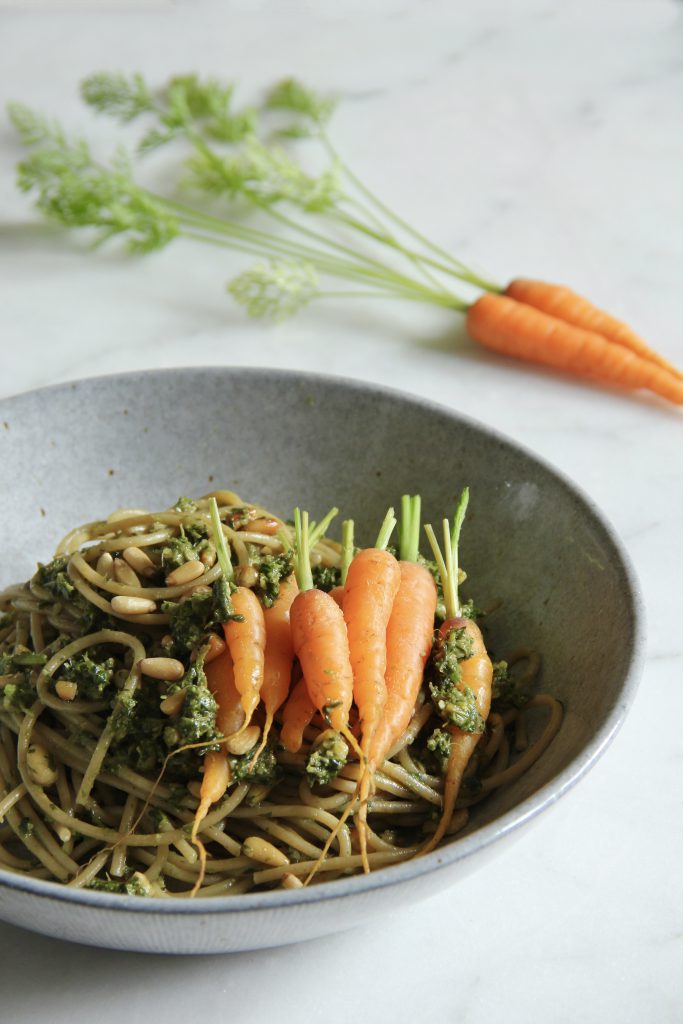
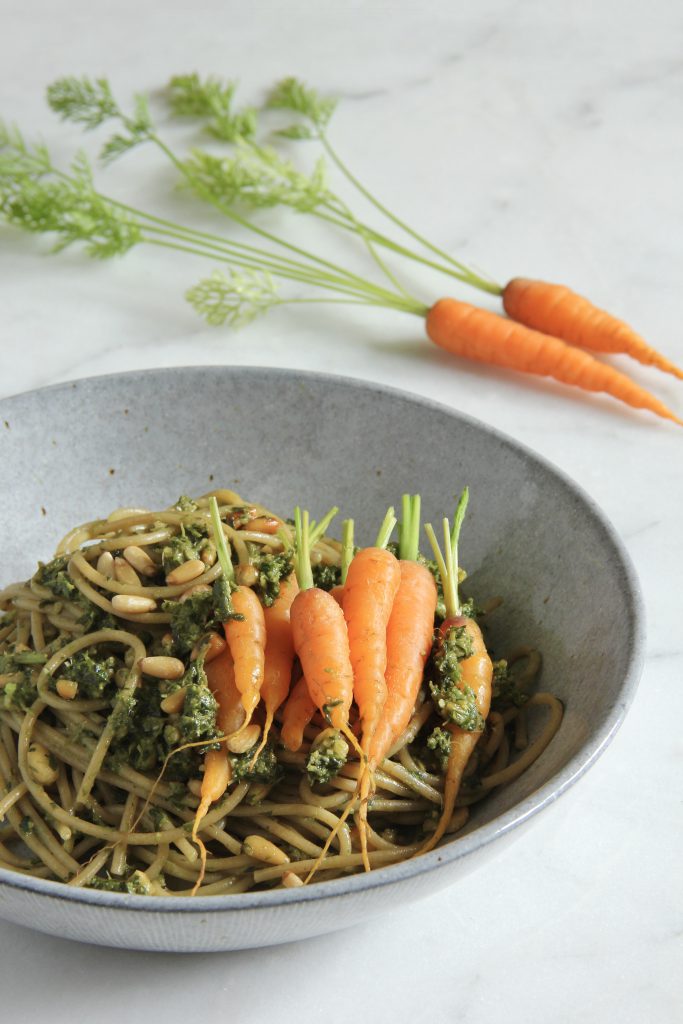
Carrot Top Pesto

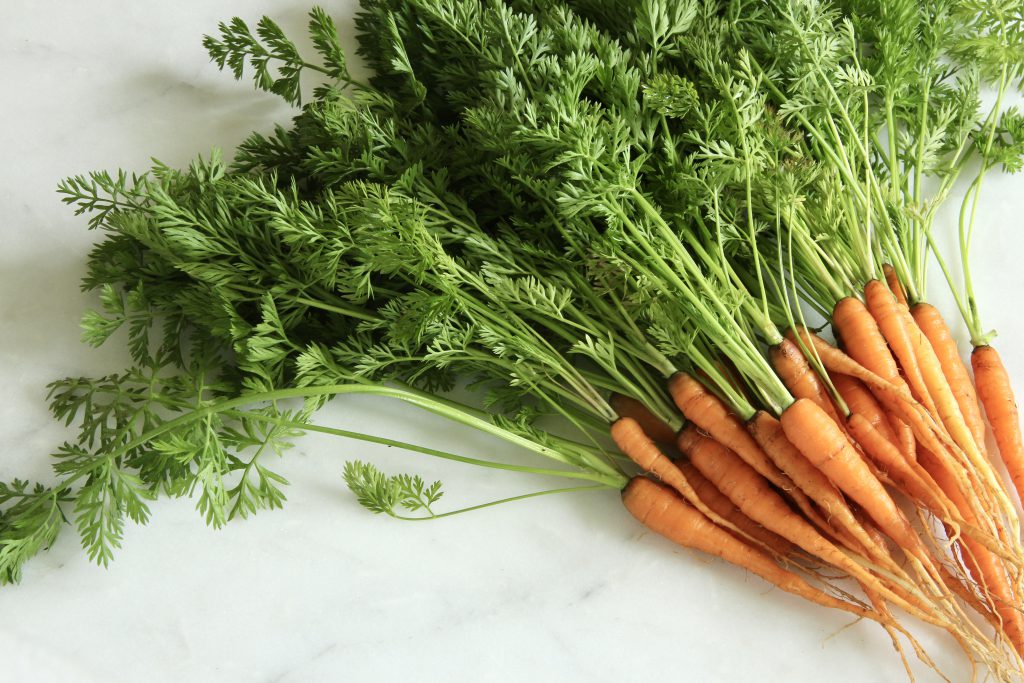
Late spring, or early summer means thinning the carrots out at the allotment so we can grow some nice big carrots ready for long winter days. I always get sad at being forced to choose which carrots will go on to grow, sometimes to the point where I leave too many baby carrots in the soil.

I always try to make sure I put the tiny carrots to good use. Sometimes I simply wash them and eat them there and then. Nothing like a simple snack to keep me going! However, I have now come to terms with this cruel to be kind nature, and make sure nothing is waste.

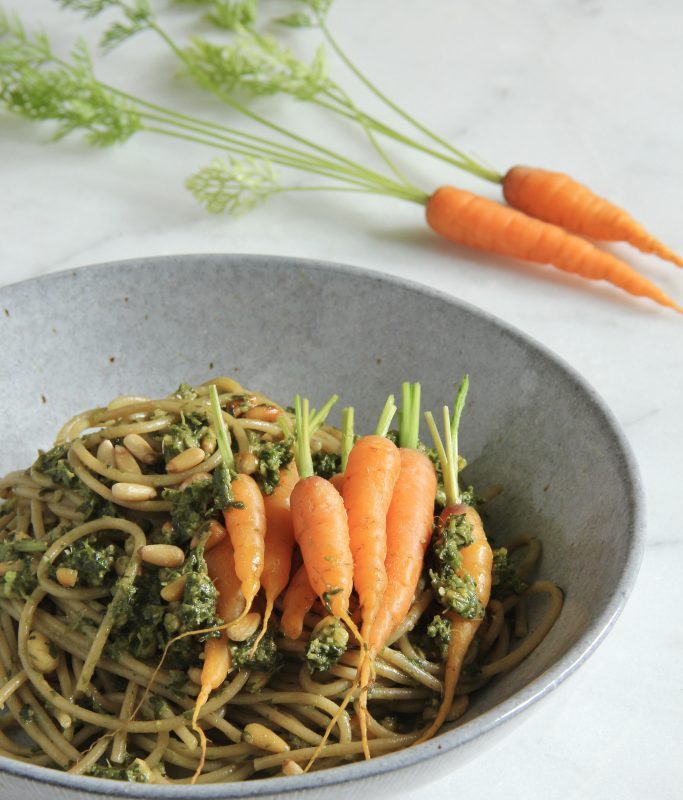
Carrot top pesto with baby carrots is my answer to this. The young and tender leaves make the most delicious and earthy pesto which is delicious when served simple through hot pasta. The pesto is so simple to make, and if you have too many carrot tops you can always freeze the pesto for use at a later date.

Nutritionally speaking there has been very little research conducted on carrot leaves. One study commented on how carrot leaves can be used to fortify chicken’s diets to make the yolks of the eggs they lay more orange in colour due to the carotenoids present in the leaves! Something I have not tested my chickens on yet!

Ingredients

  • A large bunch of carrot tops (about 100g), roughly chopped
  • 1 bunch of basil (30g), roughly chopped
  • 2 tbsp extra virgin olive oil
  • 1 garlic clove
  • 40g pine nuts, toasted
  • 45g parmesan cheese, grated

Method

  • Place the carrot tops, basil, olive oil and garlic into a food processor and blend till smooth.
  • Add the pine nuts and parmesan and blend to the consistency desired – I prefer to have some unblended pine nuts in my pesto.
  • Hey pesto! You’re done!