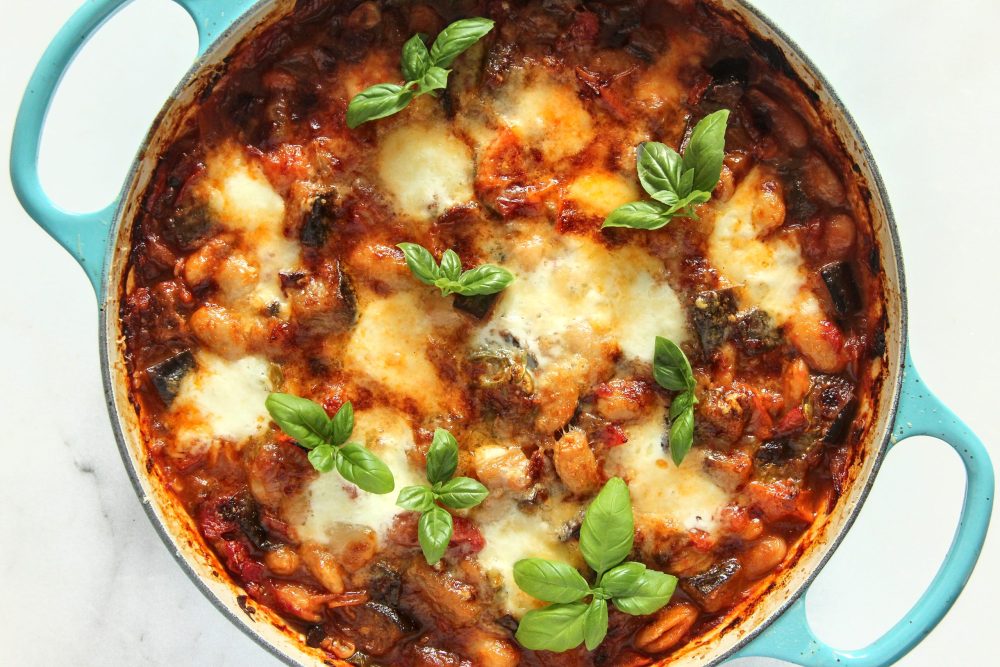
Parmigiana Beans

This whole dish could very easily be made completely in the oven, making it more hands-free.

I used Isle of Wight tomatoes and aubergines which are currently in season, and are more locally produced with fewer air miles, making them more sustainable as part of Sustainable September.

Serves 4

Ingredients

  • 2-3 red onions (300g), diced
  • 3 tbsp extra virgin olive oil
  • 2 aubergine, diced
  • 5 cloves of garlic, finely sliced
  • 1kg tomatoes, roughly chopped
  • 30g basil
  • 570g butterbeans in stock
  • 125g mozzarella
  • 50g Parmigiano Reggiano

Method

  • Preheat the oven to 180°C fan/ 200°C convection.
  • In a large ovenproof dish, cook the onions in the olive oil for 5 minutes over a medium heat before adding the aubergine. Cook for a further 5 minutes before adding the garlic*.
  • Add the tomatoes and transfer to the oven to cook for 30 minutes till the tomatoes have softened.
  • Add the beans with their stock and most of the basil, stir to combine and return to the oven, cooking for a further 10 minutes till the sauce thickens.
  • Scatter the mozzarella over the top with half the Parmigiano Reggiano and return to the oven for 10-15 minutes when the cheese has melted and is golden brown. Scatter with the remaining basil and Parmigiano before serving straight away with thick slices of bread.

*Option to do this step in the oven

Parmigiana Beans

Per serving (excluding bread): 422kcal/ 21g fat/ 8.8g saturated fat/ 28g carbohydrates/ 15g fibre/ 20g protein
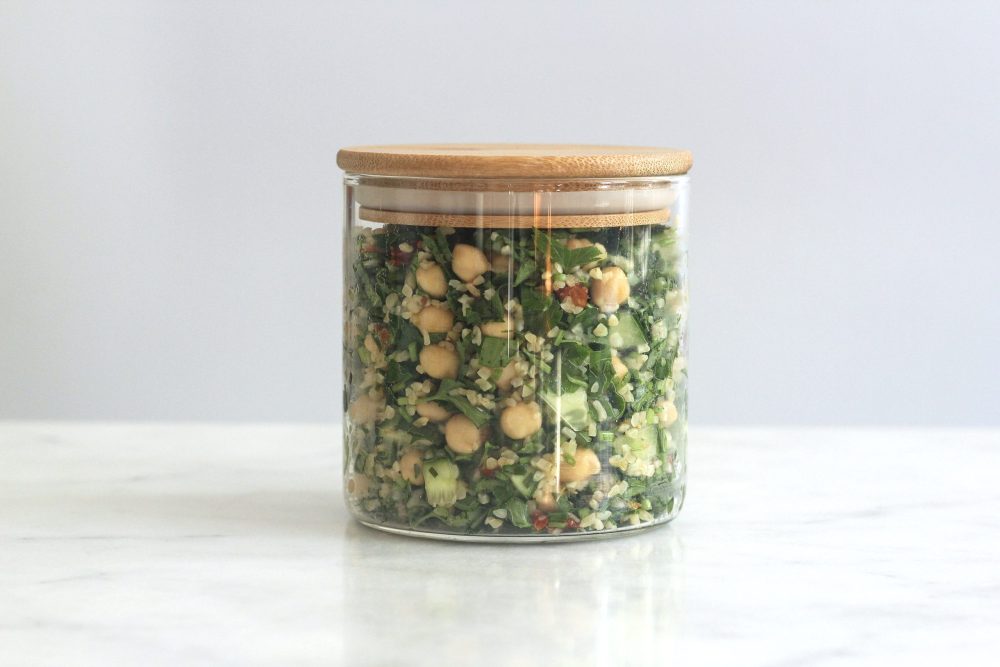
Bulgar Wheat Salad with Chickpeas

Did you know that the average Brit spends £1000 buying lunch at work over the course of the year? This cost, coupled with the single-use packaging and missed opportunity for added nutrition is why I’ve teamed up with MyNutriWeb as part of Sustainable September to help you be more sustainable when it comes to lunch. It is estimated that 28% of people look to social media to influence their lunch choices, so let me influence you with my sustainable bulgar wheat salad with chickpeas which costs less than a meal deal, is packed full of fibre, and provides 20g of plant-based protein. You can read the full blog on MyNutriWeb’s webpage.

Serves 2 but can easily be doubled up to make more lunches

  • 100g bulgar wheat
  • 20g chives, finely chopped
  • Juice of 1 lemon
  • 6 sundried tomatoes, chopped, with
  • 200g cucumber, diced
  • 100g flat-leaf parsley, chopped
  • 1 tin of chickpeas, drained (look for those with no added salt)

Method

  1. Add the bulgar wheat and chives to a large mixing bowl and pour 120ml boiling water over the top. Cover and leave to steam for 10 minutes till all the water has been absorbed.
  2. Once cooked, fluff the bulgar wheat and stir in the remaining ingredients.

Substitutions:

  • Bulgar wheat for couscous, quinoa, or orzo
  • Chives for spring onions or finely diced red onion
  • Sun-dried tomatoes for fresh, or roasted peppers, or artichokes
  • Cucumber for courgettes, or leftover roast vegetables
  • Flat leaf parsley for lettuce, rocket, watercress, spinach or any other leafy green
  • Chickpeas for any other beans e.g. butter beans, kidney beans, haricot beans
Bulgar Wheat Salad with Chickpeas

Per serving: 448kcal/ 8g fat/ 1.1g saturated fat/ 65g carbohydrates/ 18g fibre/ 20g protein

Sustainable Nutrition

For those of you who are looking to eat more sustainably, but don’t know where to start, here are a few of the principles that I try to follow in order to eat more sustainably without impacting on my nutritional health.

  1. Eat more of the food we grow. By eating more of the edible food we grow, we are putting less food into the bin. This is better for the planet as it means we don’t need to grow more food than needed.
  2. Throw away less food. Just like the point above, it is important to not put food grown for consumption in the bin.
  3. Vary our protein intakes to include more plant-based proteins. This helps the environment as plant-based proteins such as beans and lentils are lower in CO2 emissions which is better for the planet.
  4. Cook once, eat twice. This is beneficial for both the planet, as well as you personally as it can save you time in the future by not having to cook a complete meal from scratch. It’s beneficial for the planet as you’re using less energy overall to make more meals, and using the microwave to reheat food can be extremely energy effective, so also help you save some money on bills too.
  5. Diversify your diet. Eating different foods is good for sustainability as it helps to diversity what is grown. At present, the most common grains grown are wheat, rice and corn. But eating grains outside of these, you help increase demand for other types of grains, which helps to diversify the crops grown, which, just like our gut, helps to diversify the planet and make it more healthy.

Here are some of my favourite sustainable recipes

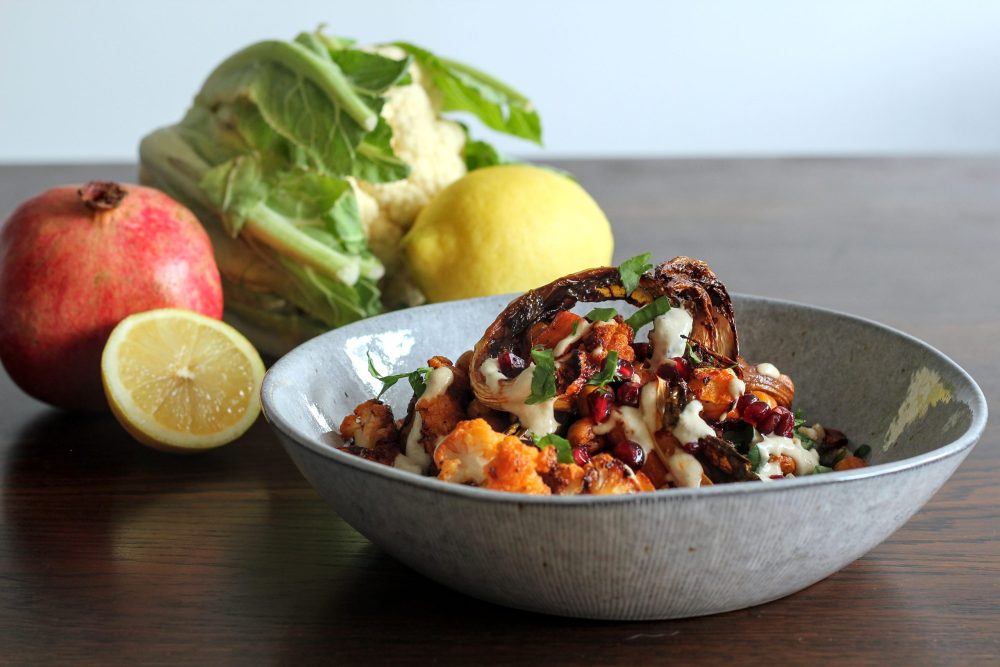
Roasted Harissa Cauliflower and Chickpea Traybake with Herbed Spelt uses all the above principles

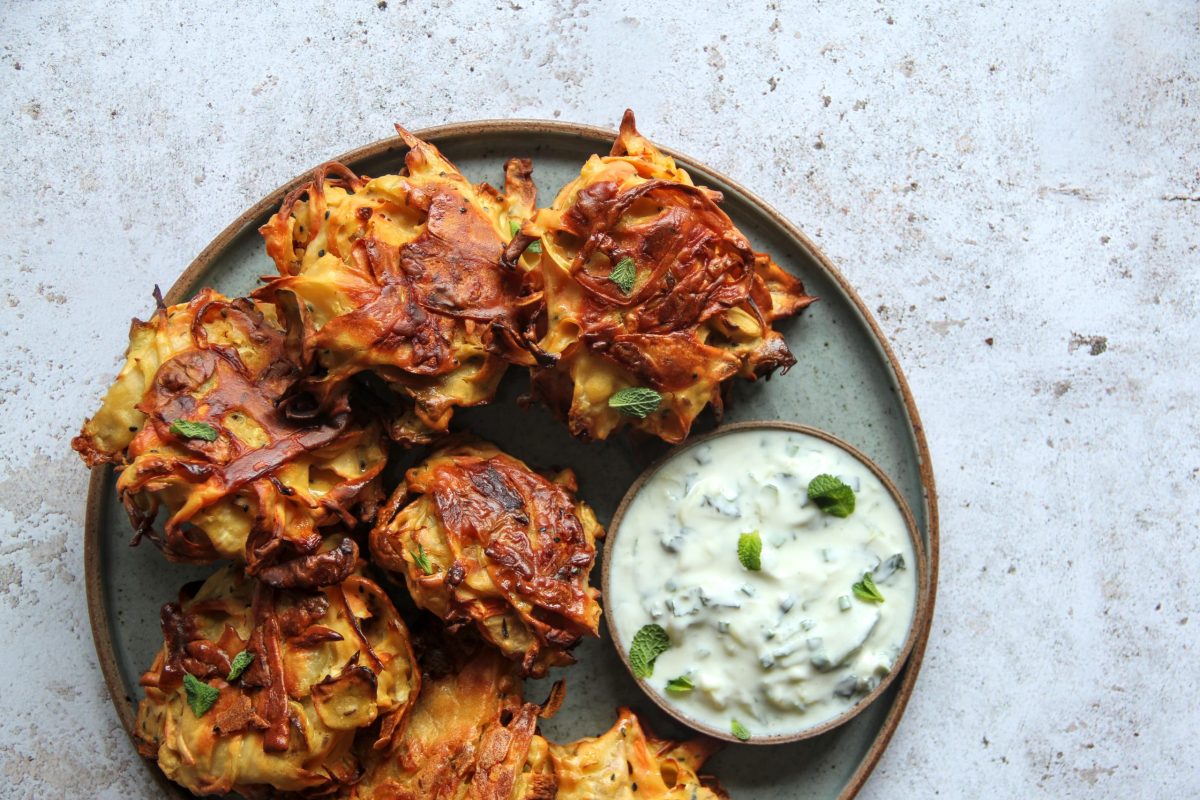
No Waste Vegetable Fritters uses the principle of not wasting the food we grow by upcycling vegetable peelings and preventing them from going into the bin.

Carrot Top Pesto again using the principles of not wasting any of the food we grow, and using the green carrot tops to make a truly delicious pesto

Reduced Meat Bolognese for those who want to try to include some more plant-based proteins, but aren’t ready to completely give up meat

Lentil, Mushroom and Almond Ragu for those who are looking to go more plant-based and minimise the amount of animal products consumed

Try my Pumpkin and Sage Pearl Barley Risotto for a less traditionally grain to help diversify both your gut bacteria as well as the crops grown around the world

Smokey Chipotle Chilli Bean Stew makes a whopping 8 portions to keep feeding you throughout the week

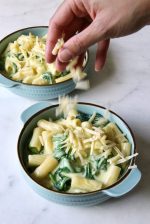
Double up my Spinach Macaroni recipe to cook once and eat twice!

Roasted Harissa Cauliflower and Chickpea Traybake with Herbed Spelt

Using my principles of sustainable nutrition, here is a delicious recipe incorporating using more of the food we grow and reducing food waste, eating more plant-based proteins, cooking in bulk, and diversifying the foods we grow and eat. Added all together each serving of my Roasted Harissa Cauliflower and Chickpea Traybake with Herbed Spelt provides you with a whopping 19g fibre and 22g plant-based protein.

Serves 6

Ingredients

  • 1 large cauliflower head, leaves and all (1.1kg), cut up into chunks, and larger leaves sliced in half through the stem
  • 3 carrots, cut into chunks
  • 2 red onions, cut into wedges
  • 80g harissa paste
  • 2 tsp cumin seeds
  • 3 tbsp extra virgin olive oil
  • 2 tins of chickpeas, drained, rinsed and patted dry
  • 300g spelt
  • 50g flat-leaf parsley, roughly chopped
  • 30g chives, finely sliced
  • 2 tbsp tahini
  • Juice of half a lemon
  • 4 tbsp of pomegranate seeds

Method

  • Preheat the oven to 180°C fan/ 200°C convection while you prep the cauliflower, carrots and onions. Mix these veg together with the harissa paste and 2 tbsp olive oil. Spread out over 2 trays and roast for 20 minutes.
  • Mix the remaining oil and chickpeas together, and add to the trays, mixing the partially cooked veg.
  • Meanwhile, cook the spelt by bringing it to a boil in a large pan of water, and then allow to simmer for 20-30 minutes depending on the type of spelt you have. It should remain al dente in the middle. Once cooked, allow to cool slightly before adding the herbs in.
  • Make a dressing by mixing the tahini and lemon juice together. It will become thick, so thin with water to a consistency of double cream, or your preference.
  • Serve everything together, topped with the tahini dressing and sprinkle with pomegranate seeds over the top.
Harissa Roasted Cauliflower and Chickpea Bake

Per serving: 487kcal/ 10g fat/ 1.4g saturated fat/ 68g carbohydrates/ 19g fibre/ 22g protein