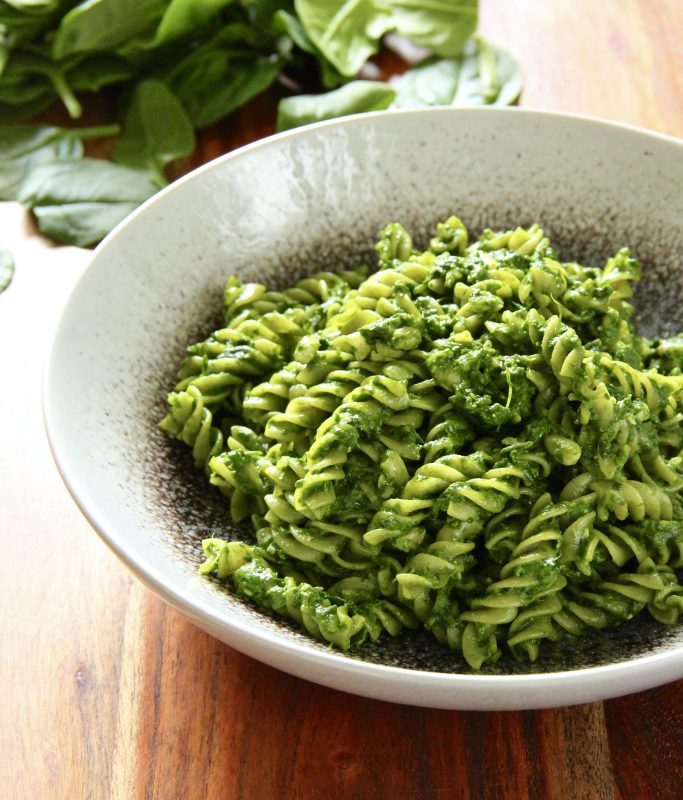
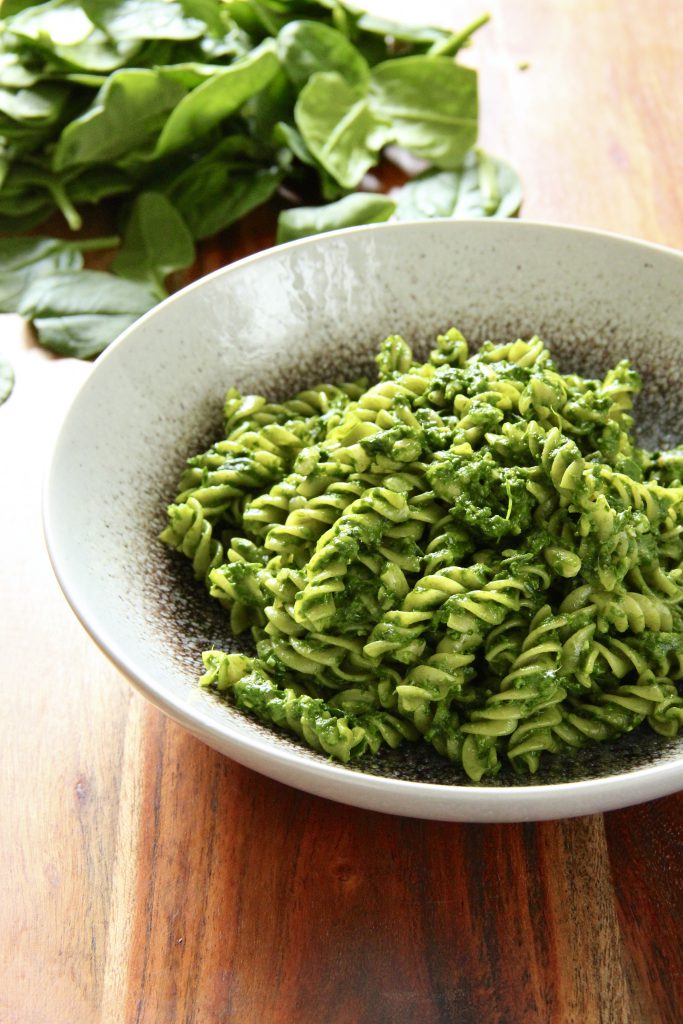
A delicious way to help increase your vegetable intake by hiding them in your pasta sauce – perfect for children who might be fussy! The vibrant green is also so alluring it may well entice them to give it a try.
It also happens to be a really quick and easy recipe. In the time it takes to bring the water up to the boil and cook the pasta, you will have made the sauce. I use this recipe to finish up big bags of spinach which we haven’t quite managed to eat during the week. Anything left over the can also be frozen for use another day. I always keep a jam jar of pesto in the freezer should I ever be caught short of a meal.
You also don’t have to limit yourself to using with pasta. It makes an excellent topping for roasted vegetables or roasted tofu. Additionally use it to make a crust on your favour meat or fish before cooking. Or try finishing of a soup with a spoonful just as you serve.
If you don’t have pine nuts, other nuts or seeds can be substituted in depending on what you have in stock.
Serves 2
Ingredients
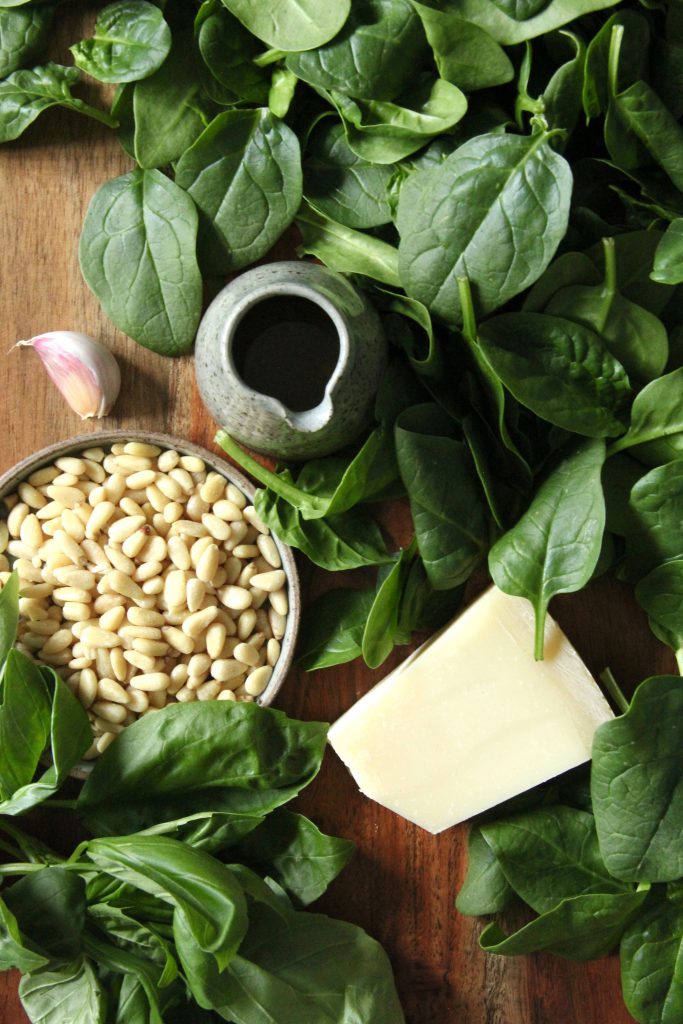
1 clove of garlic
180g baby leaf spinach
1 small bunch of basil
40ml extra virgin olive oil
40g pine nuts, toasted and cooled
40g parmesan, grated
To serve
Pasta, cooked
Method
Blend the garlic, spinach, basil, and olive oil together to a smooth paste. If you don’t have a blender chop the leaves as small as possible and use a pestle and mortar to make a paste.
Add the pine nuts and cheese and blend to your desired consistency.
Add to freshly cooked pasta with a little pasta water and cook over a low heat for 1 minute before serving.
Per serving of pesto served with pasta: 685kcal/ 39.6g fat/ 7.4g saturated fat/ 29.8g carbohydrates/ 4.0g fibre/ 18.1g protein
I always seem to have too much kefir, and never enough when I actually want to use it for my breakfast! If, like me, you seem to be making a lot of kefir for it to go too sour for your taste, don’t be fooled into throwing it away. That really upset me at first, when I didn’t understand my grains and fermenting. But I have now solved my kefir overflow problem – flat breads.
These are so easy to make, and taste so delicious you would never know they were made with what something that people would consider throwing away.
While I’ve had a few people scrunch their noses at me when I say I use old kefir to make these, they haven’t tried them and I’m 100% sure they would change their minds as soon as they tasted them.
When kefir goes too far and splits, you get the creamy part at the top and a yellowish clear liquid at the bottom. For me this is fermented too much for me to have in my cereal as is, and rather than waste it, I carefully tip off the clear liquid by holding a spoon to the solid top part and tilting my container. Once I’ve managed to get rid of as much as I dare, I strain the top part of the kefir off through a sieve into a container, take what I want for my breakfast, and leave the rest in the fridge. The kefir grains are then return to their normal cycle of fresh milk and left on the counter.
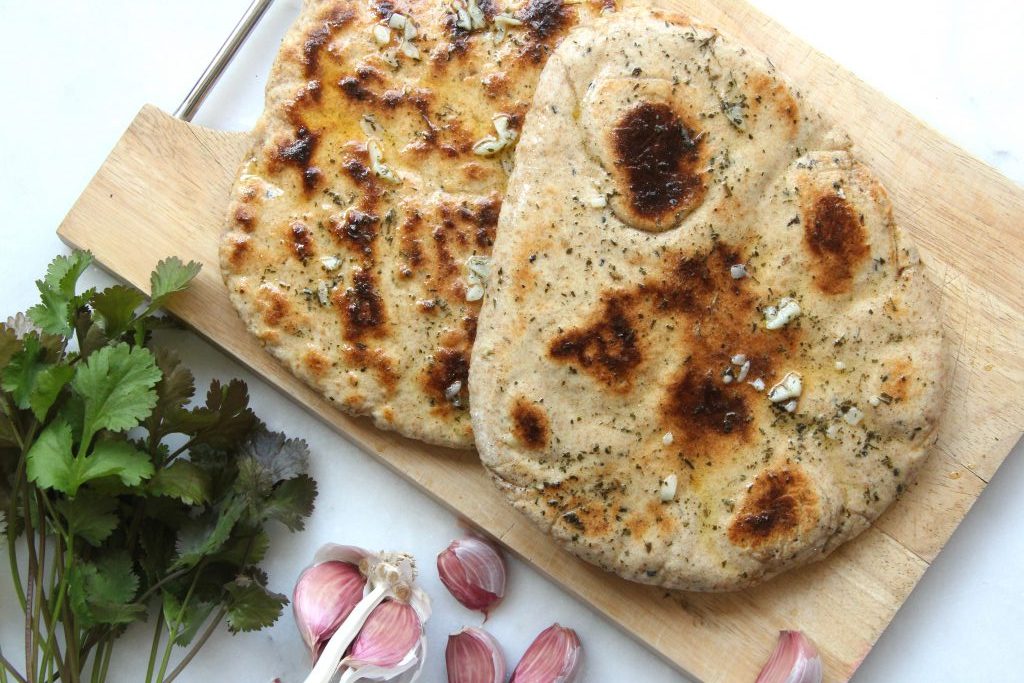
Once I have saved up a few day’s worth of kefir leftovers, I’m ready to make my probiotic loaded flatbreads. You can scale this recipe up or down depending on how much kefir you have, and how many flatbreads you want to make. These taste best fresh out of the pan, so I would only make as many as you can comfortably eat. Simply top them with your favourite sweet or savoury toppings and enjoy. Personally I love some garlic butter melted over the top as they come out fresh from the pan.
Using wholemeal flour is a great way to increase your fibre intake. If you don’t have wholemeal flour, you can use all self raising flour, but halve the baking powder. Or use other flours such as spelt or rye to help increase fibre diversity.
Makes 3 flatbreads
Ingredients
130g kefir, slightly strained
80g self-raising flour
100g wholemeal flour, plus extra for rolling
1 tsp baking powder
1 garlic clove, crushed
10g butter
Method
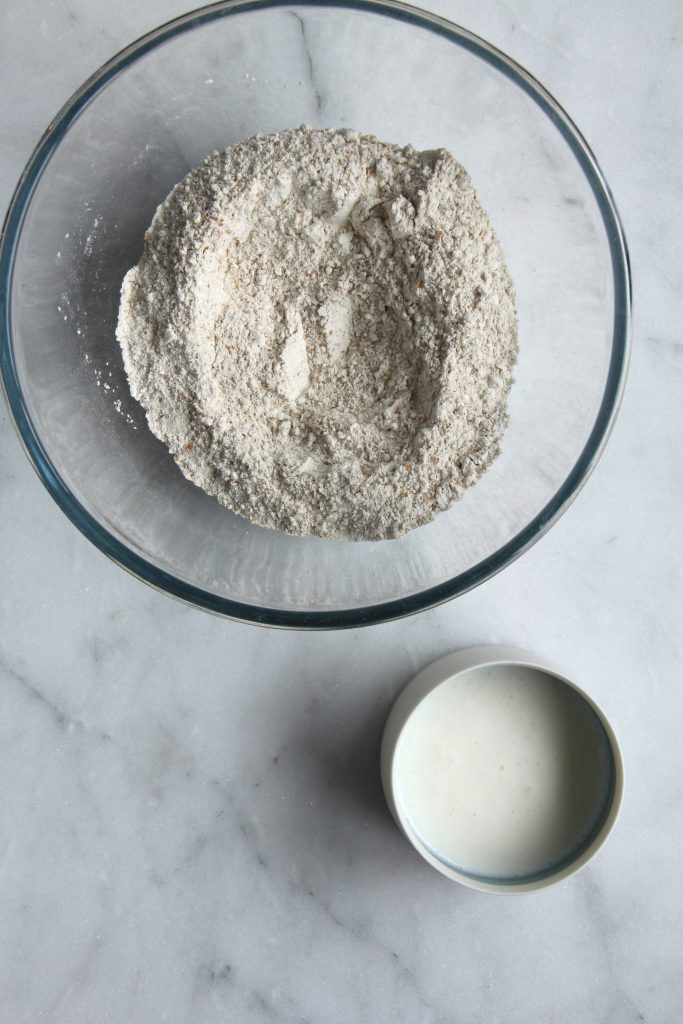
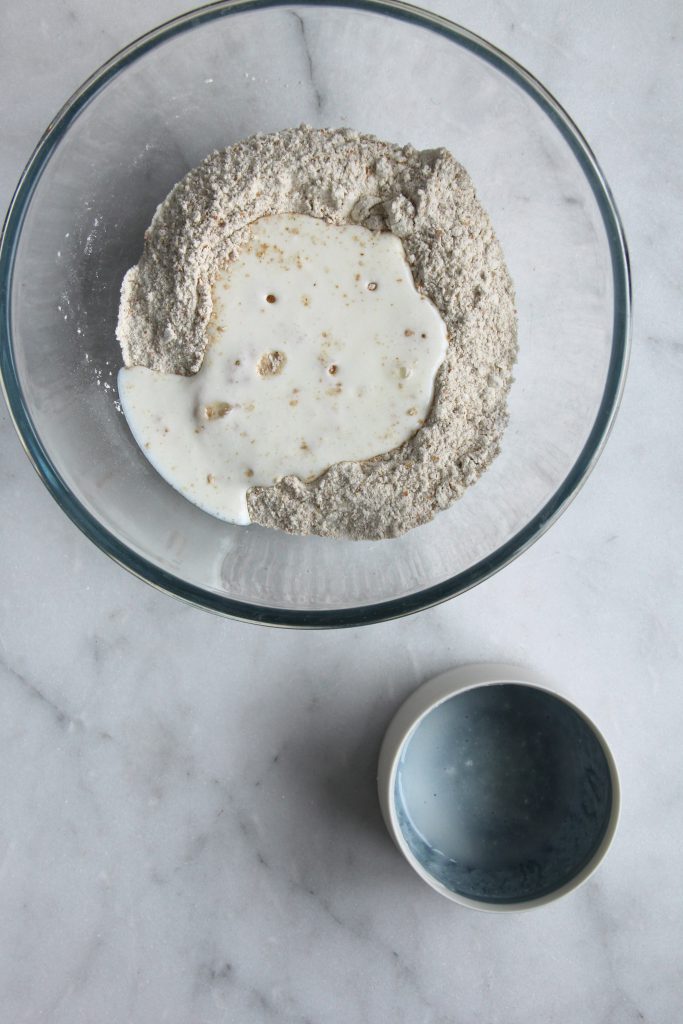
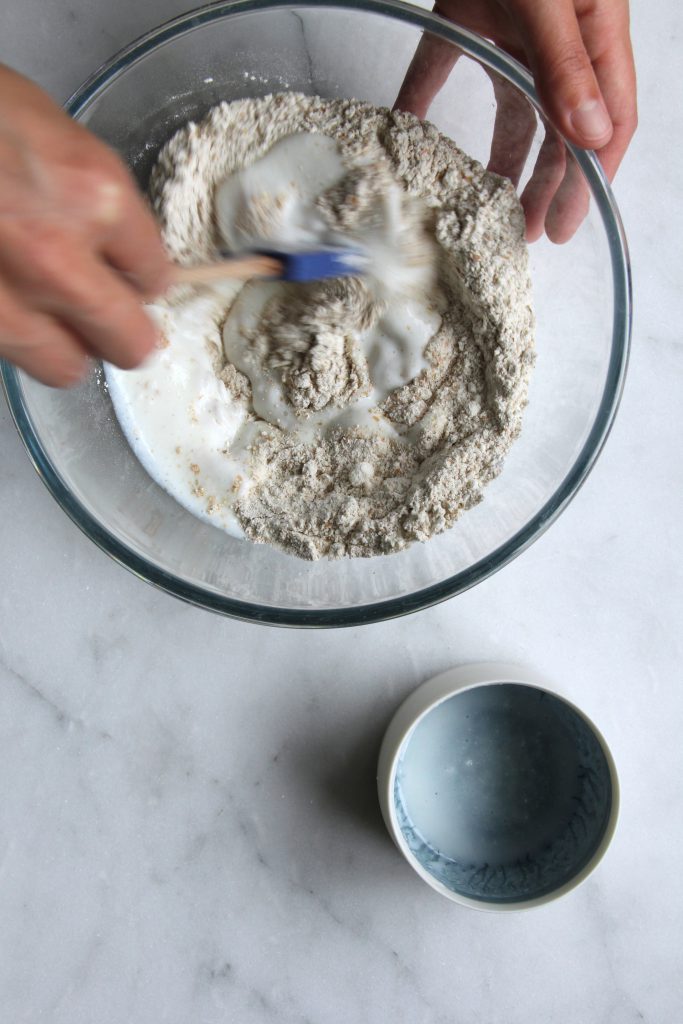
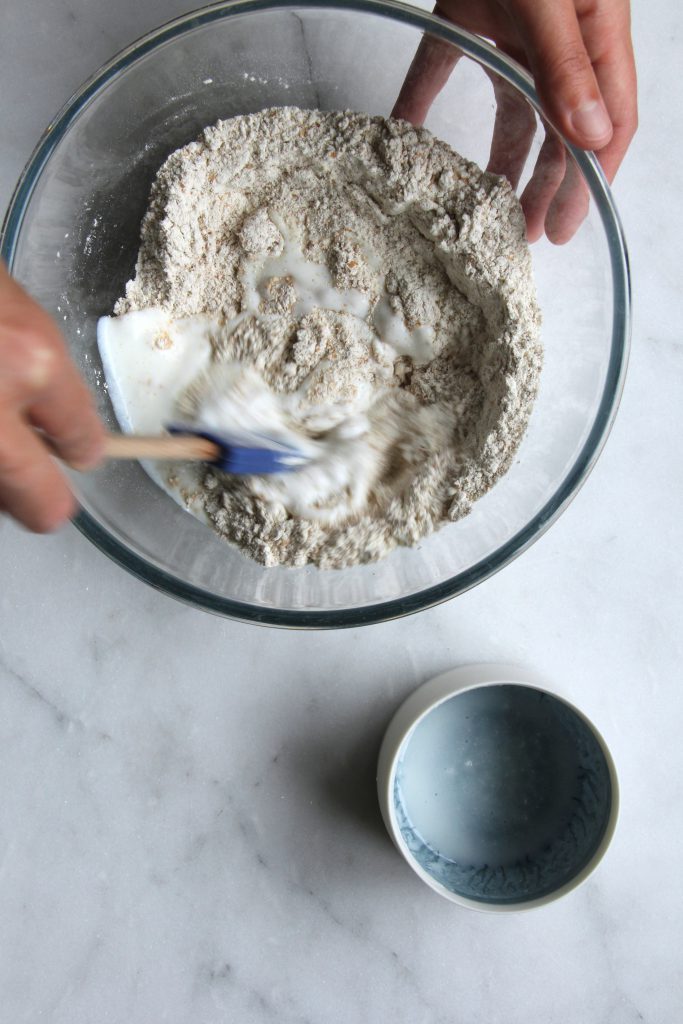
Mix all the dry ingredients together, then add the kefir. If the mixture is too sticky add a little more flour.
Knead for a few minutes till soft and smooth.
Roll out using a little flour to stop it sticking, to the thickness of a pound coin.
Cook in a dry pan or griddle over a medium heat for 2-3 minutes per side.
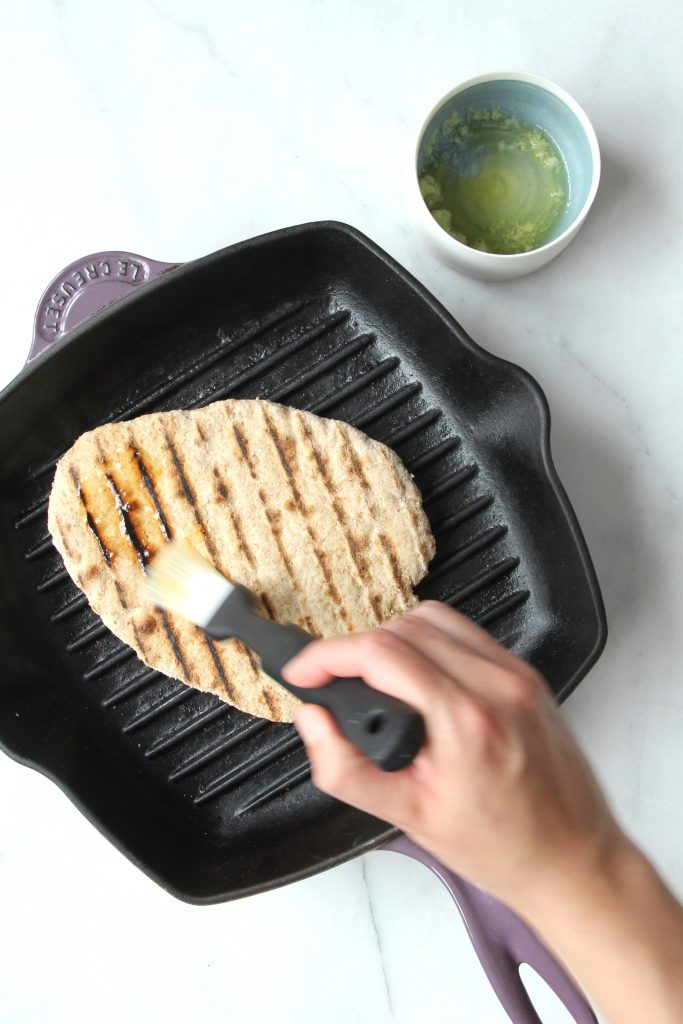
Meanwhile, gently heat the garlic and butter together till melted and the garlic fragrant.
Remove from the pan, and brush with garlic butter while hot to allow the flavorous to melt into the bread.
Per flatbread: 332kcal/ 5.2g fat/ 2.8g saturated fat/ 43.6g carbohydrates/ 4.7g fibre/ 7.4g protein
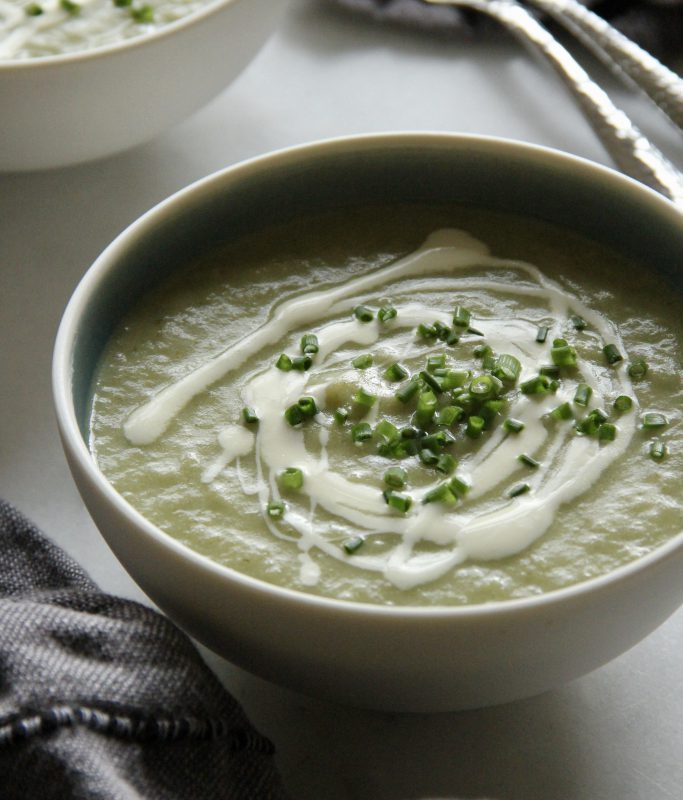
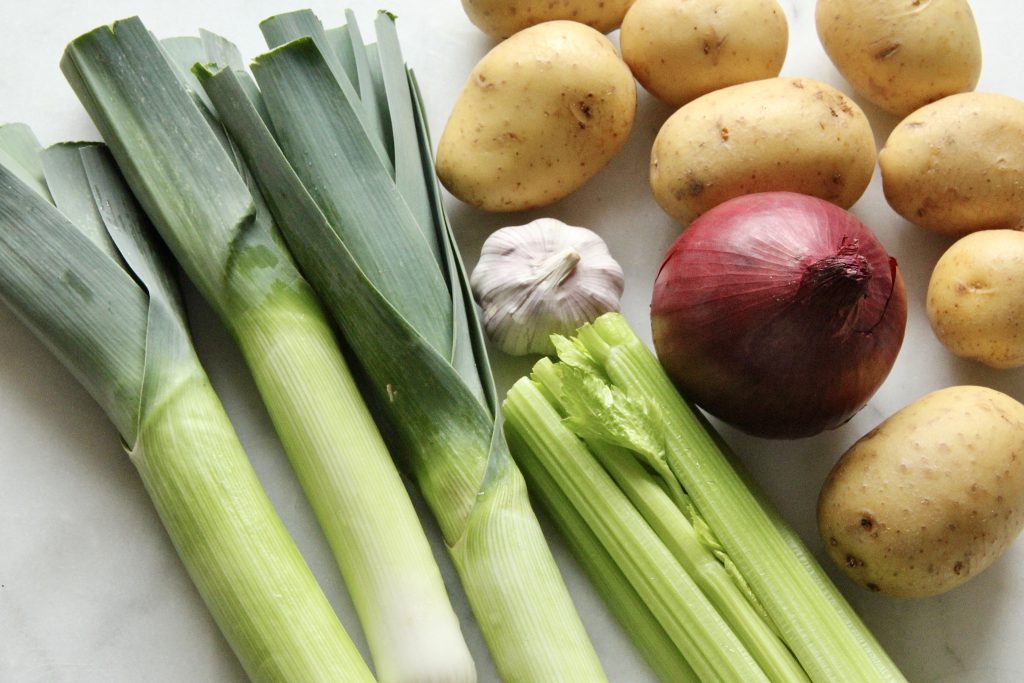
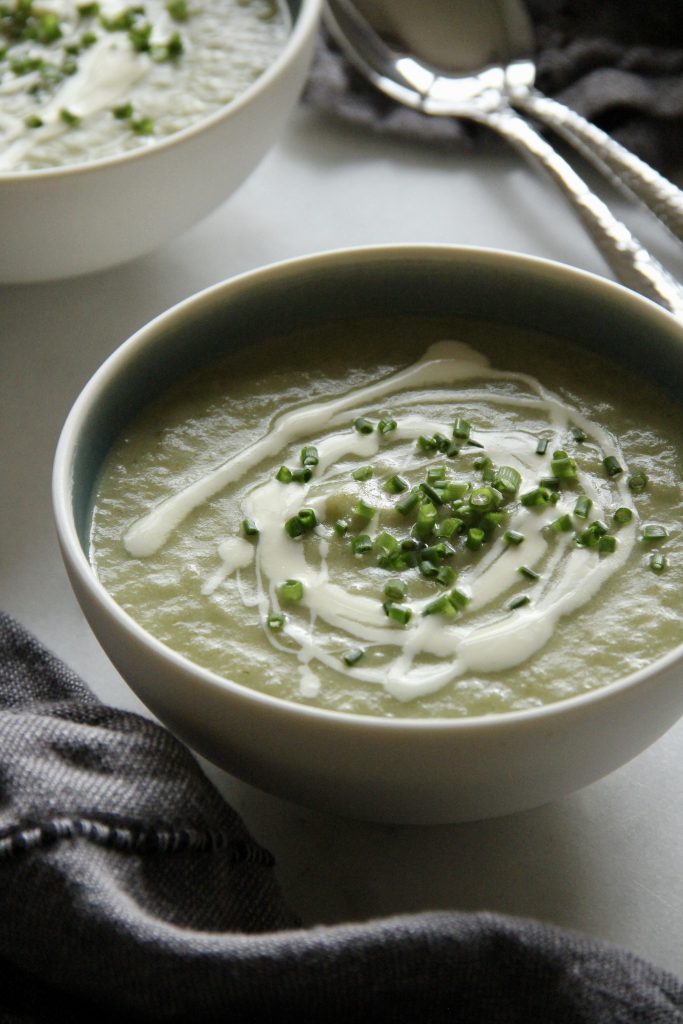
This classic soup is as simple as the name suggests. However, a couple of extra ingredients will always help, particularly those base ingredients onion and garlic. If, like myself, you are running low on onions, you can substitute in some celery, or other alternatives include spring onion or chives.
I’ve made this soup smooth, however, I do on occasion make it chunky where I leave cubes of potato and slices of leek whole to add texture to the soup. If you have the time, cut your potatoes into 1cm cubes, and slice your leeks into 0.5cm rounds. Then just before blending, take a scoop or two out and then return once the soup has been blitzed. This method works best with more waxy potatoes which don’t fall apart when cooking, but if you only have floury potatoes they work perfectly for a smooth blended soup.
Serves 8
Ingredients
2 tbsp rapeseed oil
1 large onion, finely diced
4 sticks celery, finely diced
3 leeks, finely sliced
4 cloves garlic, roughly chopped
800g potatoes, diced
15g stock powder
To serve
150ml double cream (optional)
Chives, finely chopped
Recipe
Cook the onions on a gentile heat with the oil for 5 minutes before adding the celery and continuing to cook till soft and translucent.
Add the garlic and leeks and cook for a further 2 minutes.
Add the potatoes, stock powder and top up with water till all the ingredients are almost covered, around 1.2 litres, and simmer for 20 minutes, stirring occasionally.
Blend the soup till smooth, finish with cream (optional) and chives, and serve.
Per serving 331kcal/ 19.3g fat/ 6.8g saturated fat/ 32.1g carbohydrates/ 5.0g fibre/ 4.6g protein
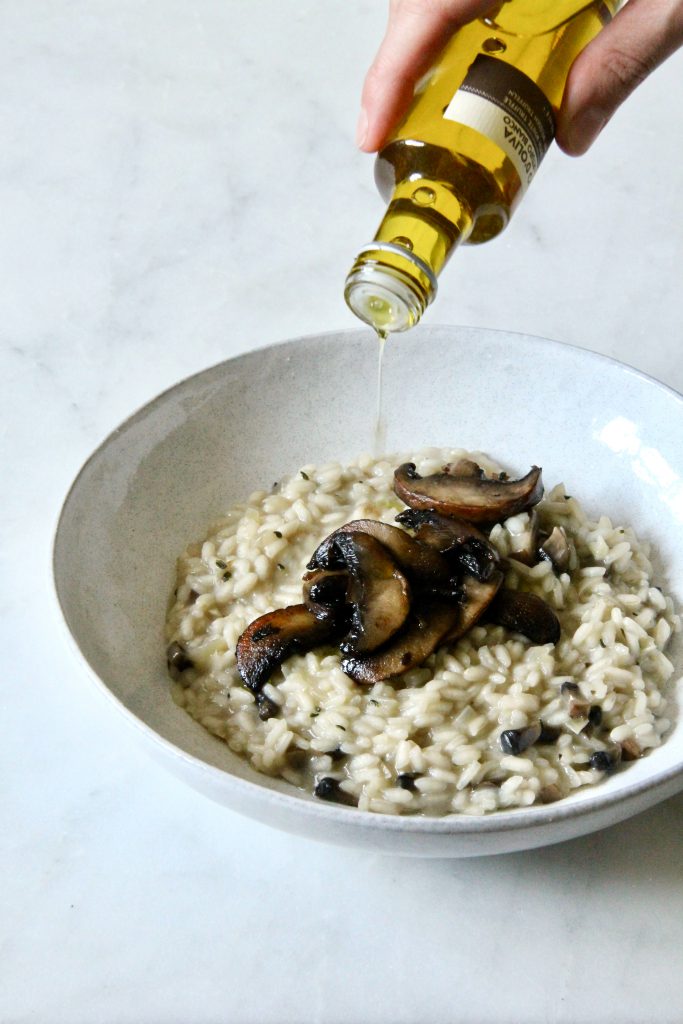
Risotto is such an easy dish. The only laborious part about it is the constant stirring to make sure the grains go creamy and release their starch to thicken the liquid.
You can use almost any ingredients to make the risotto too, depending on what you fancy. Roast tomatoes in the oven with garlic and herbs, or use spring vegetables such as asparagus and pea, or a lemon and pea risotto would be delicious served with a pan fried fillet of fish. The possibilities are endless really!
Serves 4
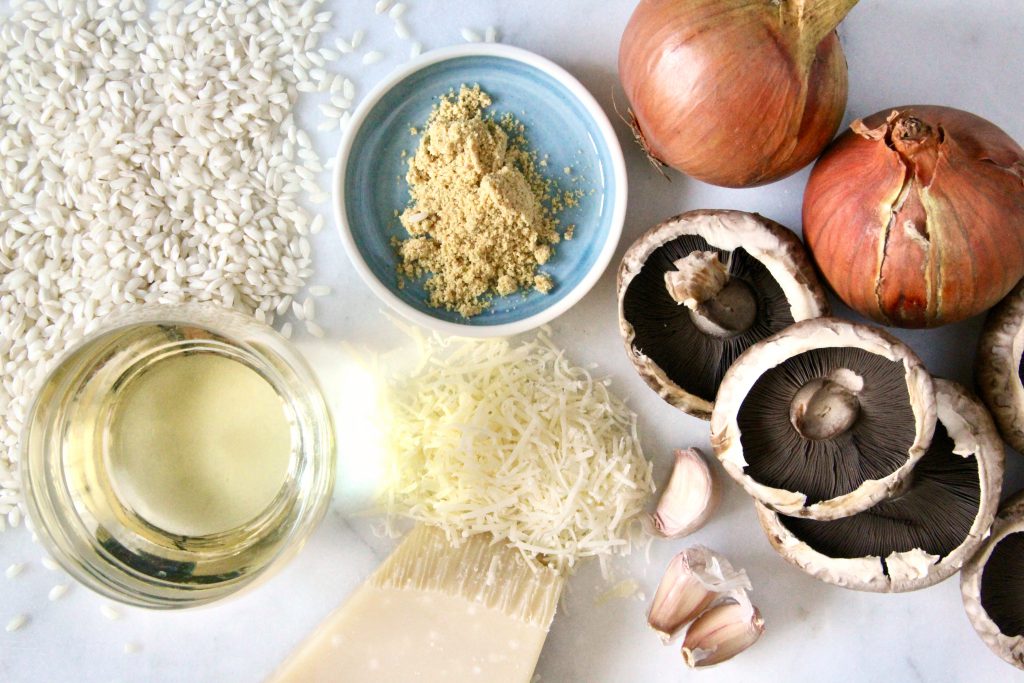
Ingredients
2 tbsp extra virgin olive oil
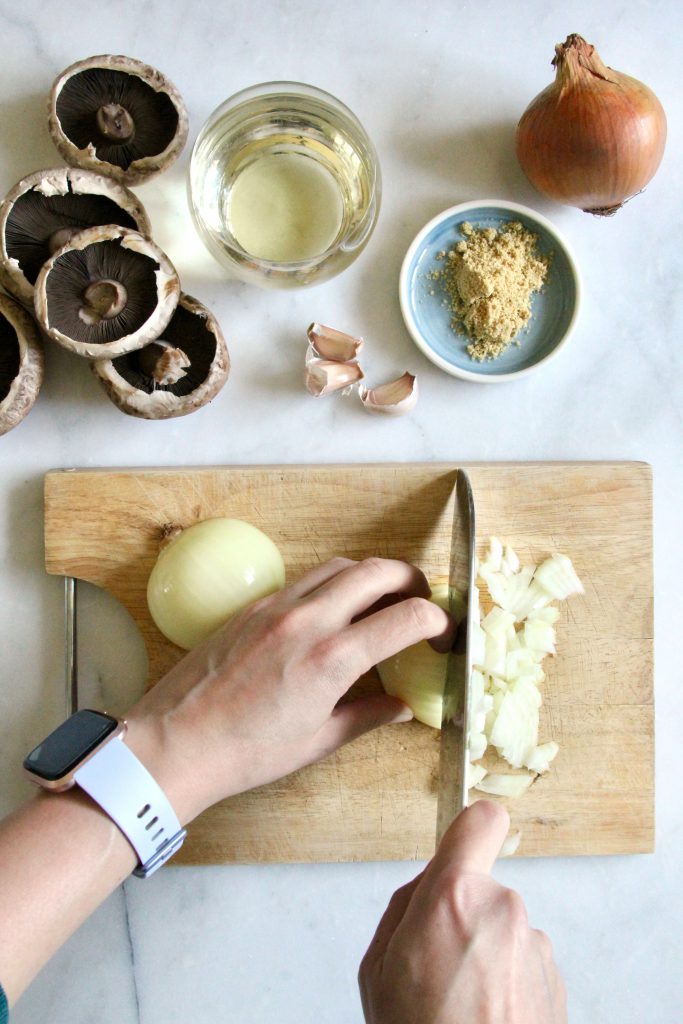
2 onions, finely diced
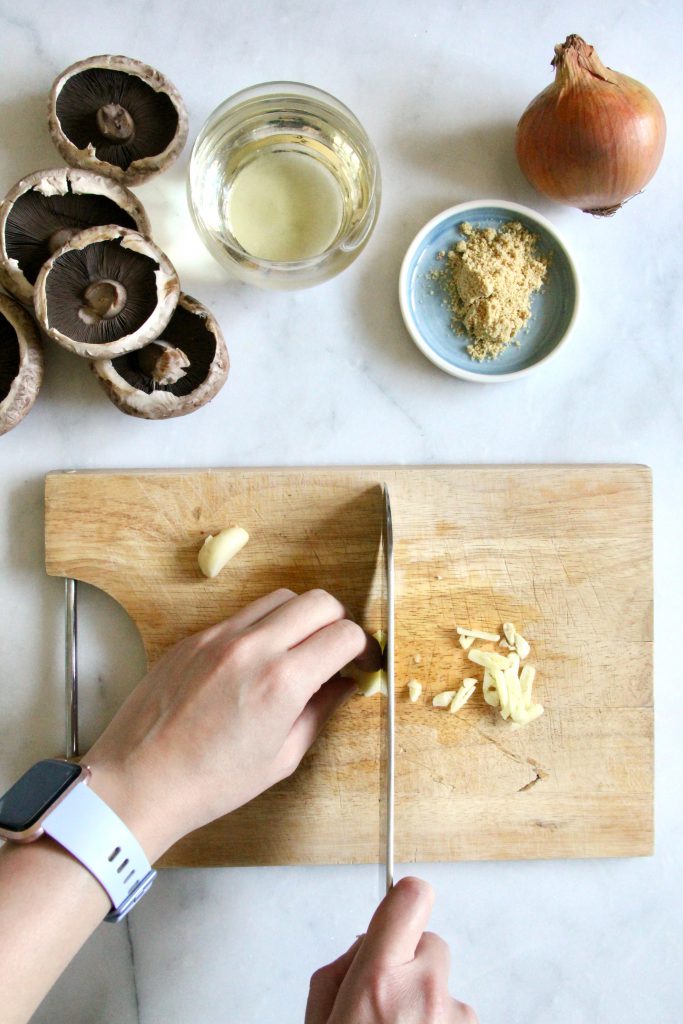
3 garlic cloves, finely diced
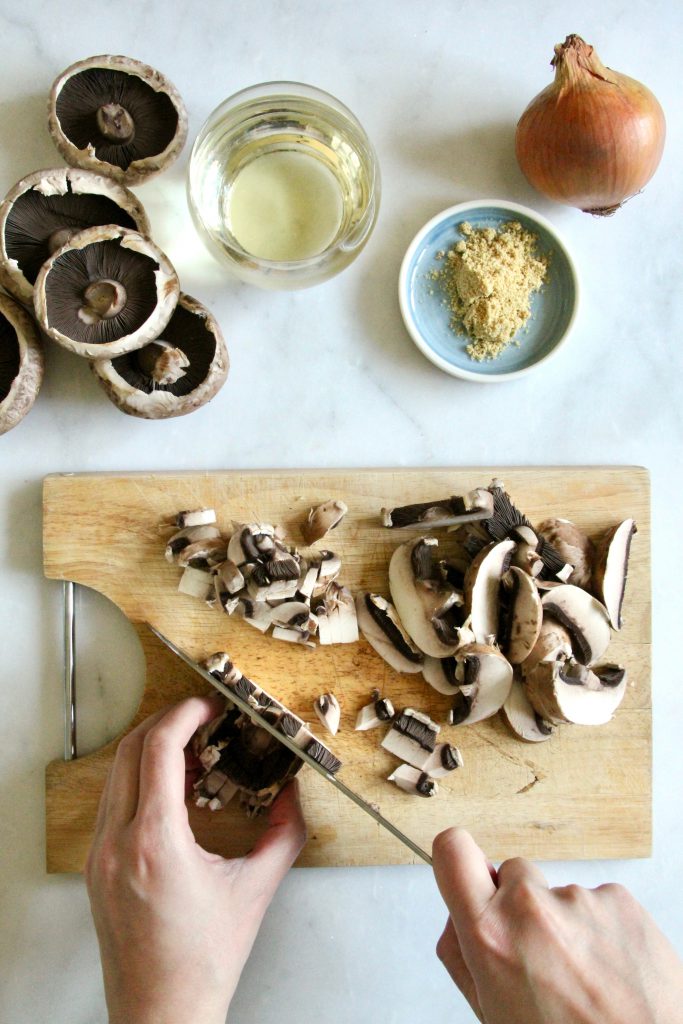
300g mushrooms, half sliced, half diced
300g risotto rice
200ml white wine (optional)
10g stock powder
60g parmesan, finely grated
Method
Sweat the onion and 1 tbsp oil together in a large pan till soft and translucent. Add the garlic and cook for a further 2 minutes.
Add the diced mushrooms and cook till soft.
Add the risotto rice, stir and cook for 1 minute before adding in the wine and stock powder. Stir continuously, adding boiling water as the liquid is absorbed. This will take around 25 minutes to cook.
When the rice is close to being cooked through, heat a separate pan with 1 tbsp olive oil and fry the sliced mushrooms.
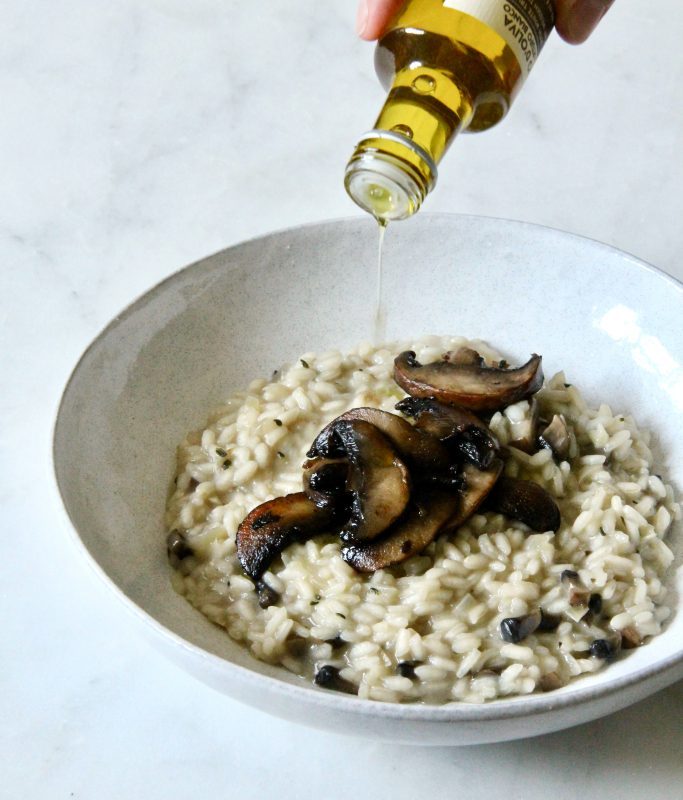
Turn the heat off the risotto, stir in the parmesan cheese and serve with the fried mushrooms on top.
If you’re feeling a little fancy, why not treat yourself with a drizzle of truffle oil just before you serve?
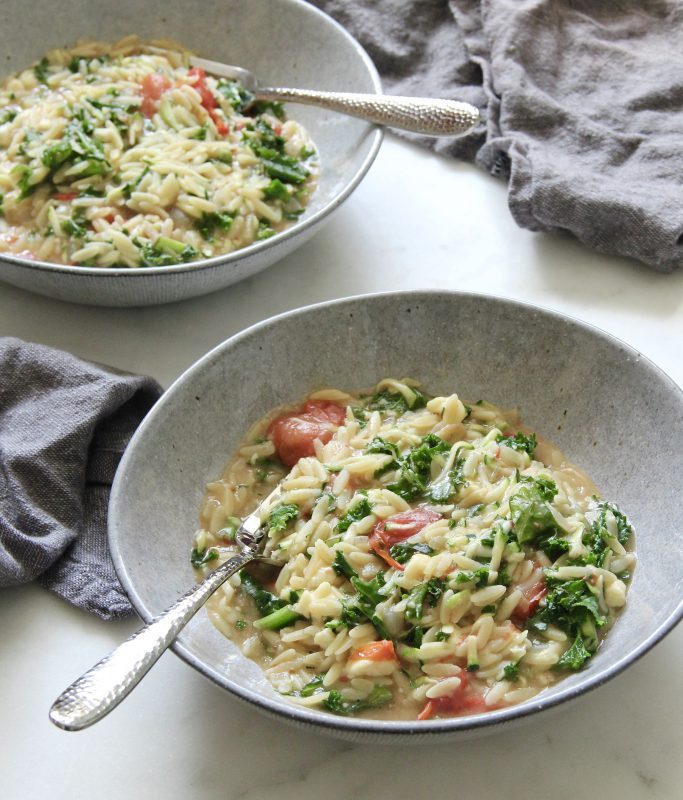
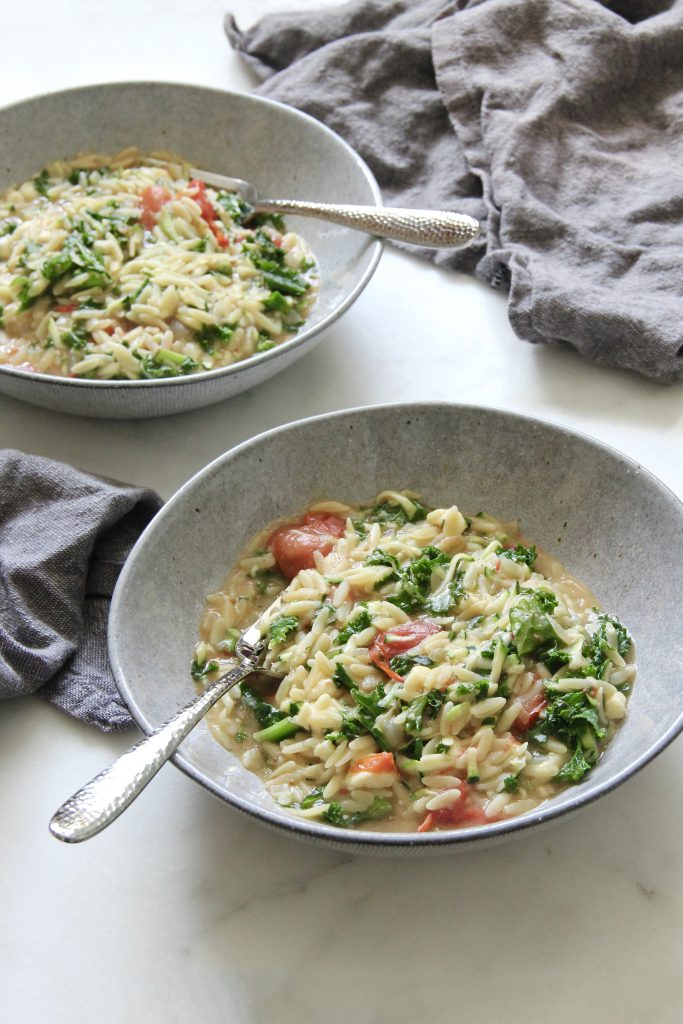
Looking for a really easy dish which makes almost no mess? This is a one pot pasta dish which requires minimal effort for maximal taste. This dish takes around 25 minutes to make, so it’s also super quick meaning you don’t have to spend all night at your stove (or even cleaning up after yourself!).
Treating the pasta like a risotto rice means that loads of the starch normally lost to the water is retained in the dish. This gives a lovely creamy sauce at the end of the dish. Easily adaptable to whatever you have in the cupboards or freezer, why not give this dish a go!
Serves 2
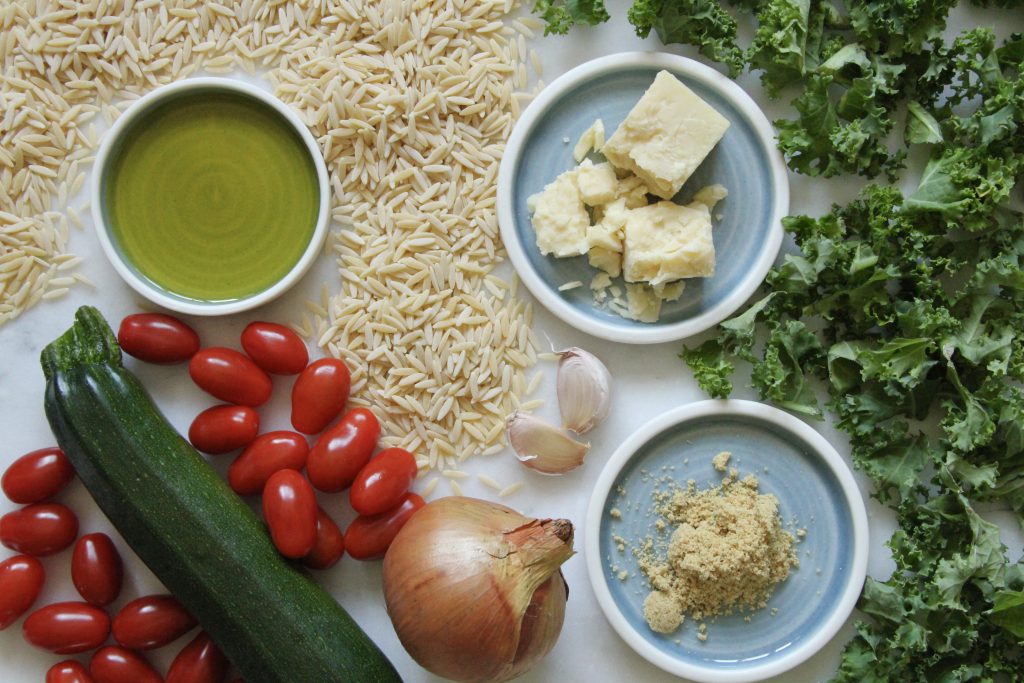
Ingredients
1 tbs EVOO
1 onion, finely diced
2 cloves of garlic, finely sliced
160g baby tomatoes
160g orzo pasta
500ml stock (I used 1 heaped tsp vegetable stock powder into boiling water)
1 courgette, grated
100g kale, roughly chopped
60g cheddar cheese, crumbled
Method
Gently fry the onions in the oil till soft. Add the garlic and continue cooking for a further 2 minutes.
Add the tomatoes and orzo with a third of the stock. Simmer over a low heat, stirring frequently to stop the pasta from sticking to the bottom of the pan.
When the liquid is almost absorbed add a further third of the stock. Repeat with the final third.
When the pasta is almost cooked add the courgette and kale.
Remove from the heat, crumble the cheese in and serve.
Per serving: 539kcal/ 17.7g fat/ 6.6g saturated fat/ 69.6g carbohydrates/ 6.8g fibre/ 22.9g protein
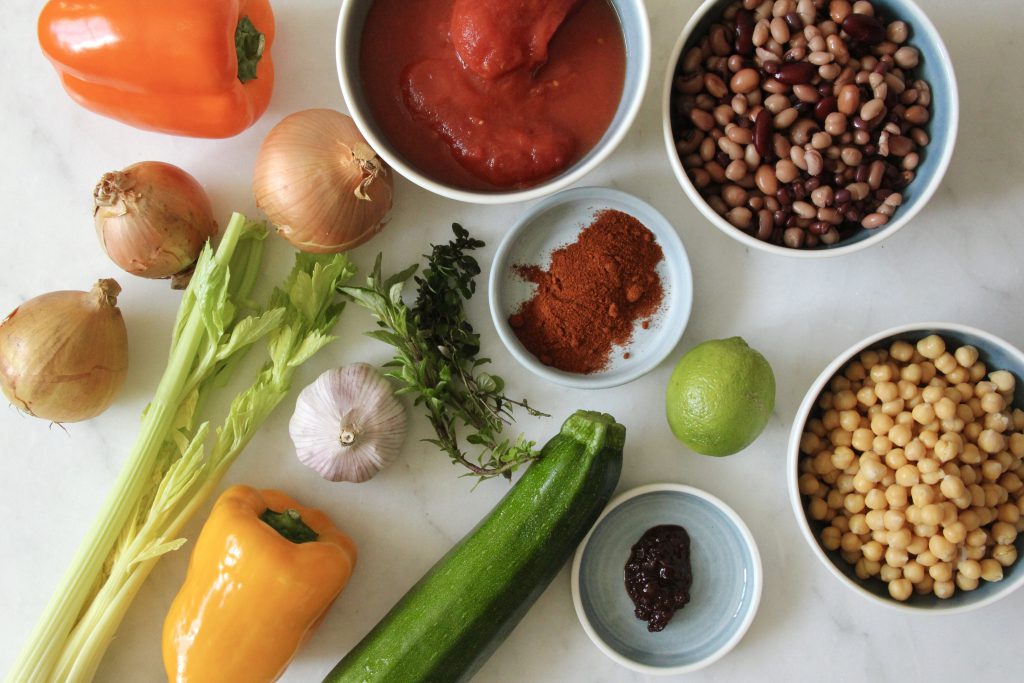
Looking to increase the diversity of the foods you eat? This is the perfect dish for you, you can add any other vegetables you wish, and serve it with different carbohydrates to further increase the variety of the plant based foods in your diet. I had a tin of 6 different mixed beans, this is a fantastic way to quickly boost your weekly plant variety. If you don’t have a mixed tin, try combining different tins, or use dried lentils to maxmise diversity. This specific recipe gives you 17 different plant foods on its own, and per serving provides 25% of your daily fibre recommendation. So why not try adding a few extra plant foods when serving it as a meal to further boost these numbers.
It’s also a big batch food which can be stored in the fridge for a few days or frozen down as a convenience food for a later date. You can thank me later!
Serves 8
Ingredients
2 tbsp EVOO
3 onions, sliced
3 sticks of celery, diced
4 cloves garlic, diced
2 peppers, chopped
1 courgette, chopped
1 can mixed beans, drained and rinsed
1 can chickpeas, drained and rinsed
2 tins of tomatoes
2 tsp smoked paprika
2 tsp chipotle
6 oregano sprigs
Juice of 1 lime
Method
Sweat the onions in the oil for 5 minutes till translucent. Then add the celery followed by the garlic and cook for a further 3 minutes.
Add the remaining ingredients and 400ml of water. Bring to the boil and then gently simmer for 45-60 minutes stirring occasionally till the liquid has reduced by half.
Remove the woody stems of any herbs and serve.
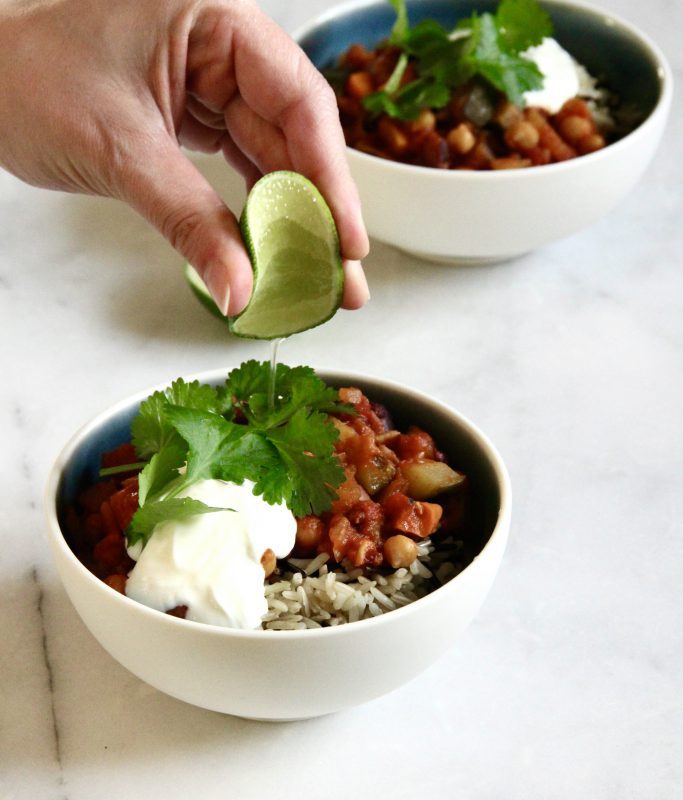
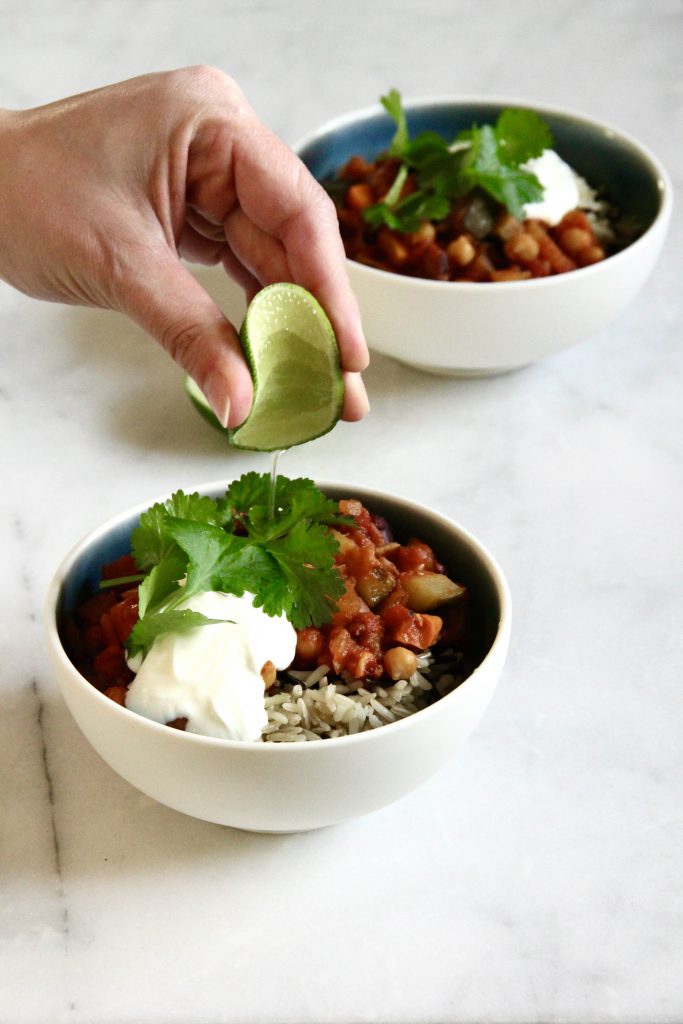
Delicious served with wholegrain rice, sour cream, fresh coriander and a squeeze of lime
Per serving: 159kcal/ 5.2g fat/ 2.9g saturated fat/ 18.4g carbohydrates/ 7.5g fibre/ 7.1g protein
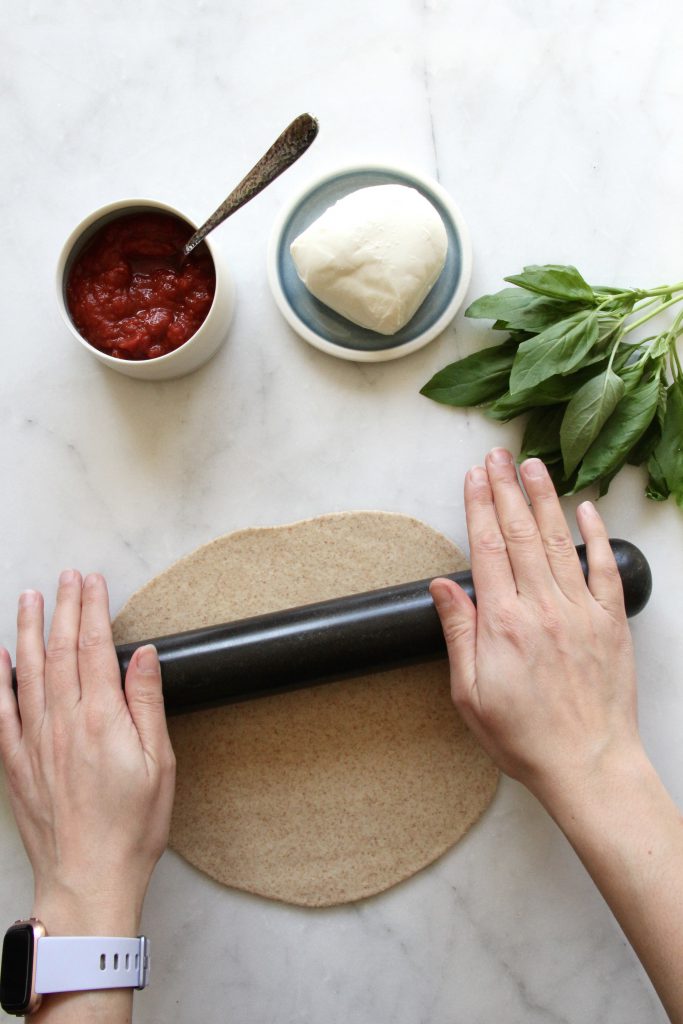
I love pizza, and while I would normally make my pizza base with sourdough, sometimes I don’t have the time to wait for the yeast to work its magic. So I use a quick flatbread base as a substitute, ready in 15 minutes.
Using wholemeal flour in the base helps increase the fibre content. Using half wholemeal gives each pizza 8.1g fibre, whereas using white flour will provide you with 4.2g fibre. This is also with just the basic toppings of tomato and cheese. Consider increasing fibre diversity by adding more vegetables, or fruits if you’re not adverse to it, as extra toppings. My favourite is roasted Mediterranean vegetables with smoked mozzarella, instead of normal, and lashings of basil.
Ingredients
200g tinned tomatoes
1/2 tsp EVOO
1 tbsp tomato puree
1/4 tsp dried herbs
100g self-raising flour
100g wholemeal flour
3/4 tsp baking powder
1/2 tsp EVOO
200g yoghurt
1 ball of fresh mozzarella
Fresh basil leaves
Method
Preheat two baking trays in the oven set to maximum.
Add the tinned tomatoes, 1/2 tsp EVOO, tomato puree and dried herbs into a pan and allow to gently simmer till reduced in volume. Season to taste.
Meanwhile, mix the flours, baking powder, 1/2 tsp EVOO and yoghurt together till a soft dough is formed. You may need to add 1-3 tbsp water to get a dough depending on the flour used. Knead for a few minutes till smooth.
Divide the dough into two, and roll out till the thickness of a pound coin, using a little extra flour if needed. Place on a piece of baking parchment.
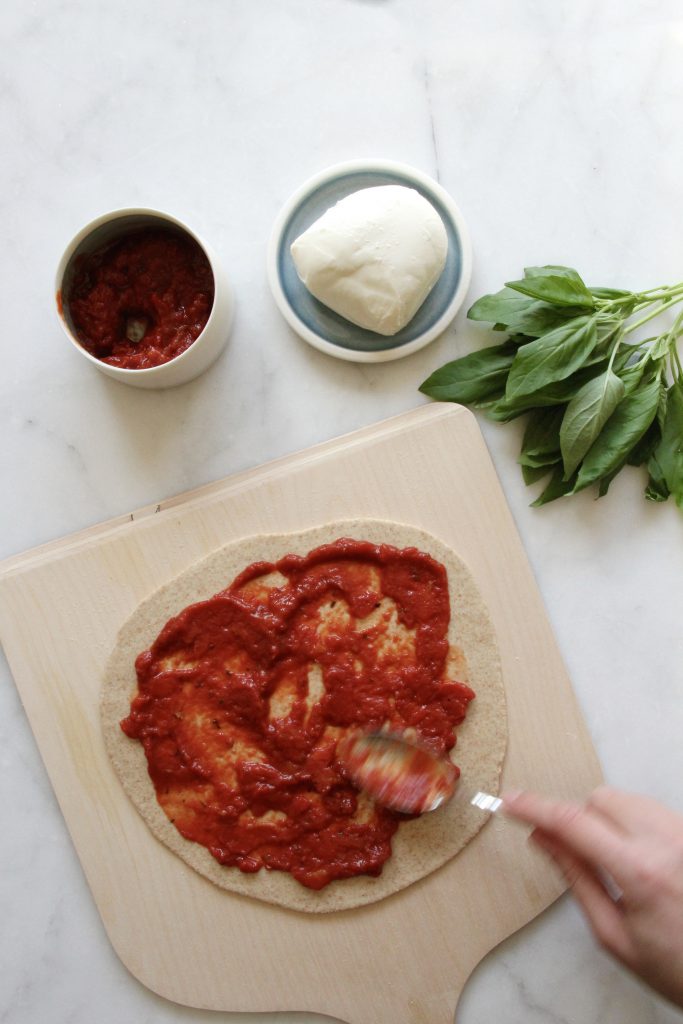
Take half the tomato sauce and spread it over a base, keeping a rim of dough clear.
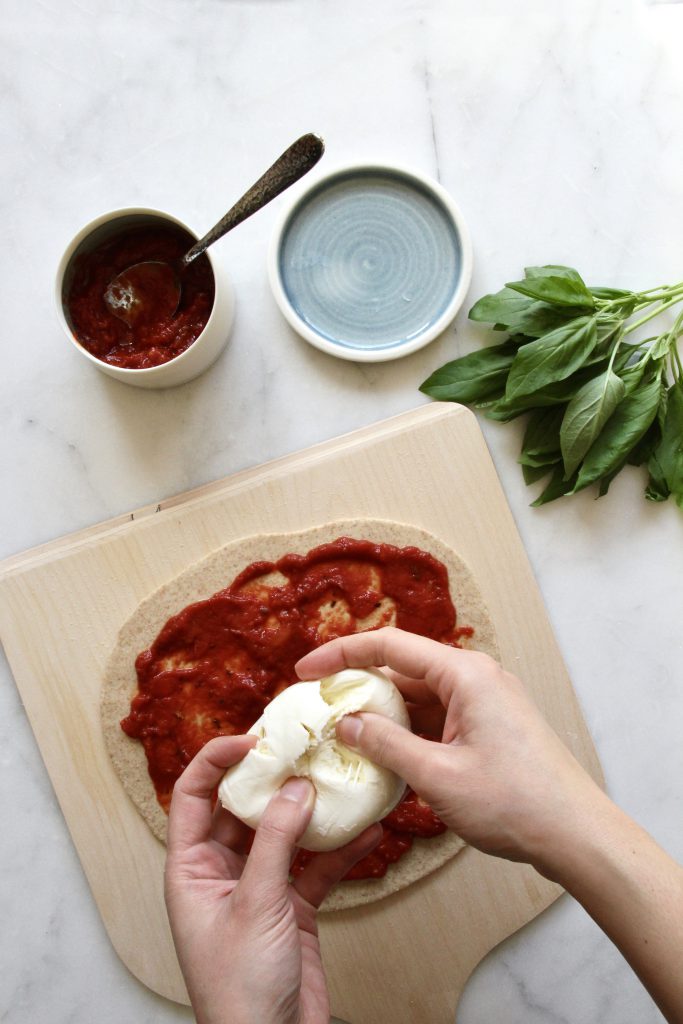
Take half the mozzarella, roughly tear and place around the tomato sauce, again keeping clear of the sides. Repeat with the second dough ball. Option to add further toppings here.
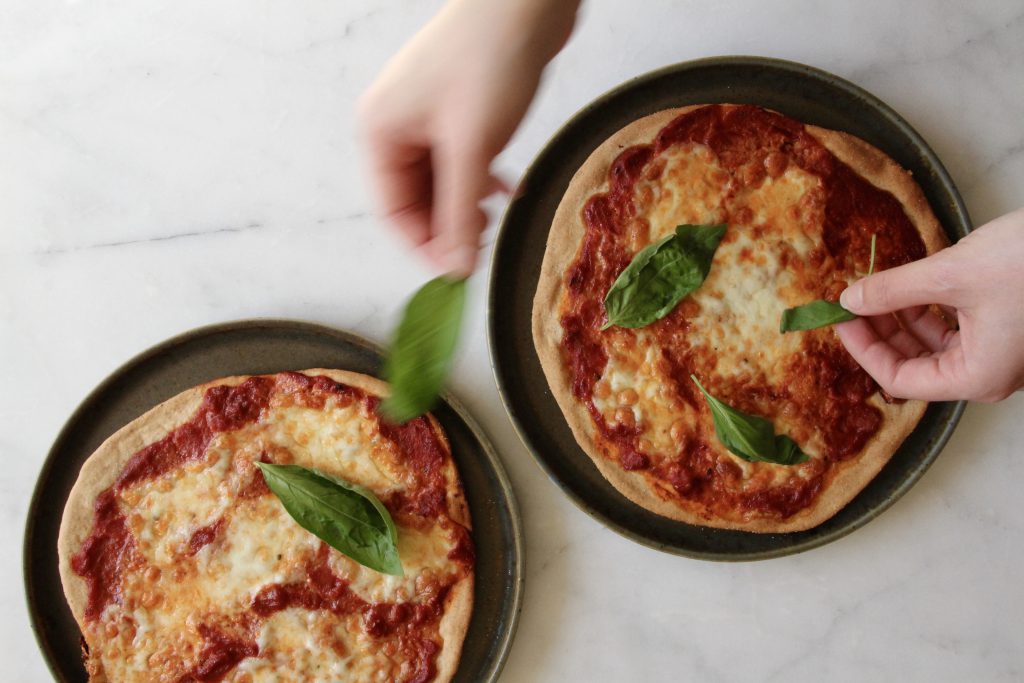
Place on the preheated baking sheets and reduce the temperature to 220°C fan/230°C convection and bake for 8-10 minutes till the edges are golden brown and the cheese is bubbling.
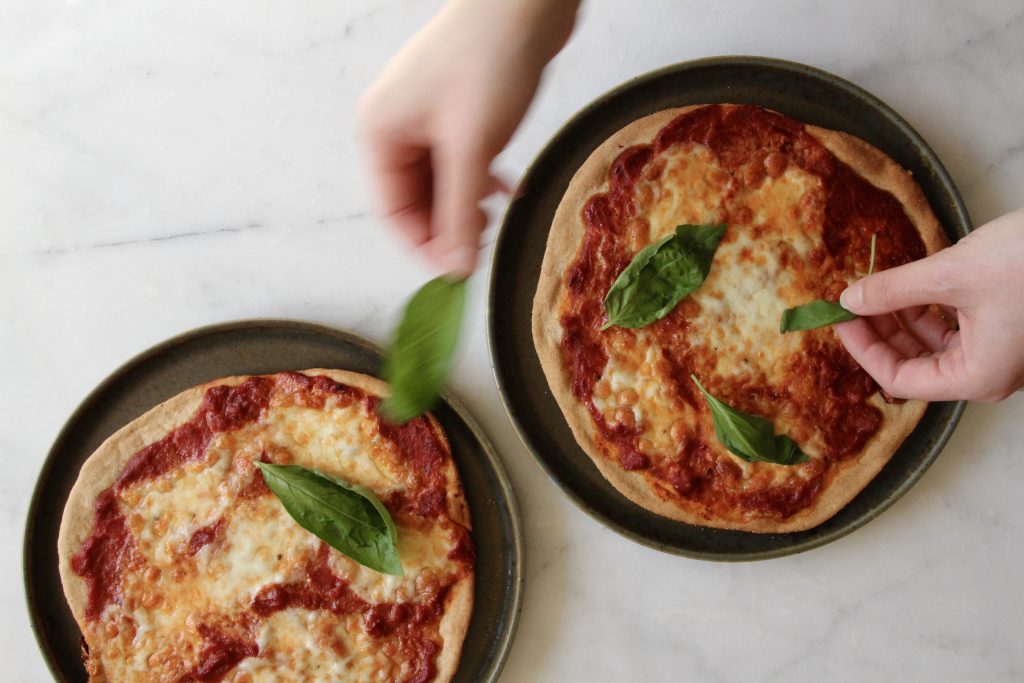
Remove and top with fresh basil leaves. Best eaten immediately.
Per serving: 671kcal/ 26.3g fat/ 15.7g saturated fat/ 79.9g carbohydrates/ 8.1g fibre/ 27.5g protein
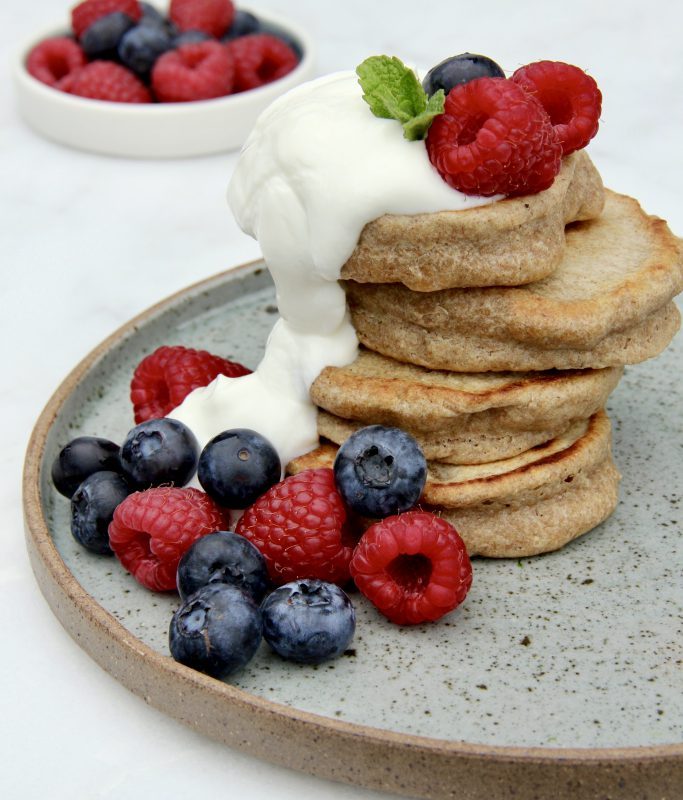
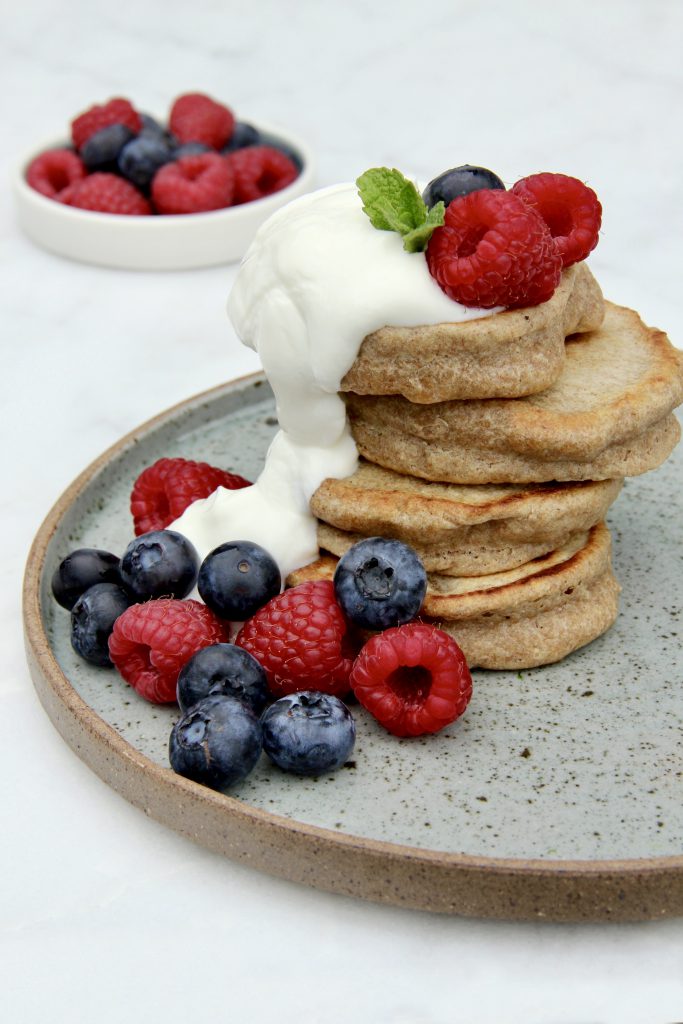
Start the day right with my wholemeal pancakes. These breakfast treats are delicious straight out of the pan and finished with your favourite toppings. You can go classic with berries and yoghurt as I have done below, or make a drizzle of tahini and honey, or even go more savoury with bacon and eggs.
Each portion of pancakes on their provides you with 6.4g fibre. That’s 21% of your daily fibre recommendation without having even added anything to them, so it really is a perfect way to start you day.
What if you don’t have wholemeal flour to hand? Not a problem, you can use plain flour, but this drastically reduces the fibre content down to just 1.8g per portion of pancakes, so if possible, add some high fibre ingredients back in such as ground linseeds, or try topping with my chia and blueberry compote.
Serves 2
Ingredients
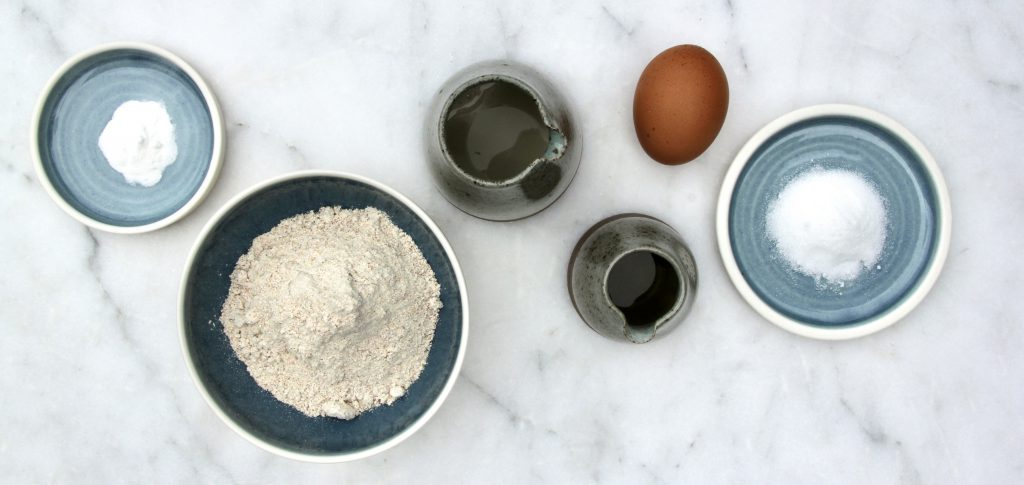
120g wholemeal flour
1 tsp baking powder
2 tsp caster sugar
1 medium egg
80ml milk of choice (I’ve used almond)
1 tbsp extra virgin olive oil + extra for cooking
Method
Mix the dry ingredients together
Mix the wet ingredients together, then combine with the dry ingredients.
Heat a pan over a medium heat with a drizzle of oil and drop a spoonful of batter into the pan. Add more batter depending on the size of you pan.
Turn the pancake over after 2 minutes, ensuring they are golden brown. Cook for a further 2 minutes on the second side.
Best served immediately from the pan with your favourite pancake topping.
Per 3 pancake serving: 384kcal/ 18.1g fat/ 2.9g saturated fat/ 46.0g carbohydrates/ 6.4g fibre/ 9.7g protein
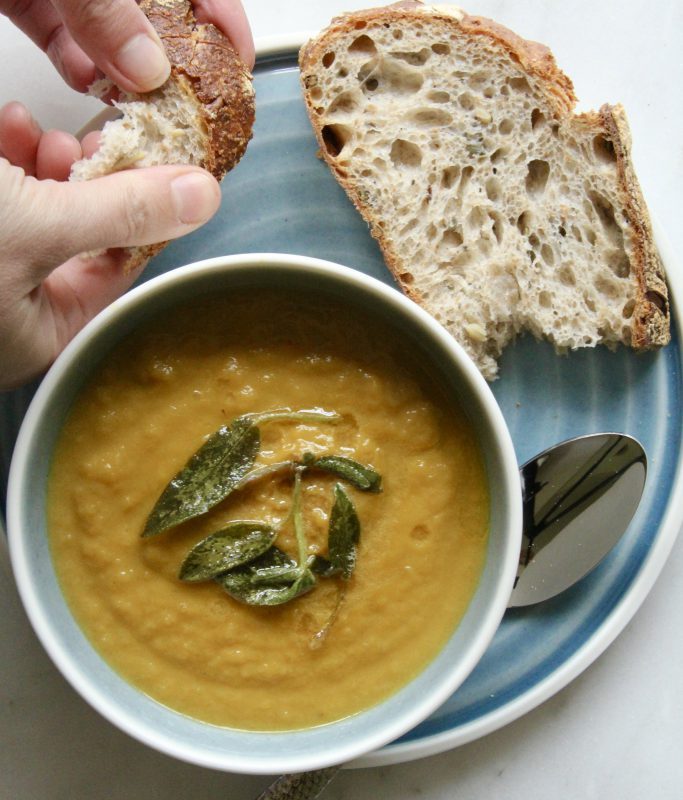
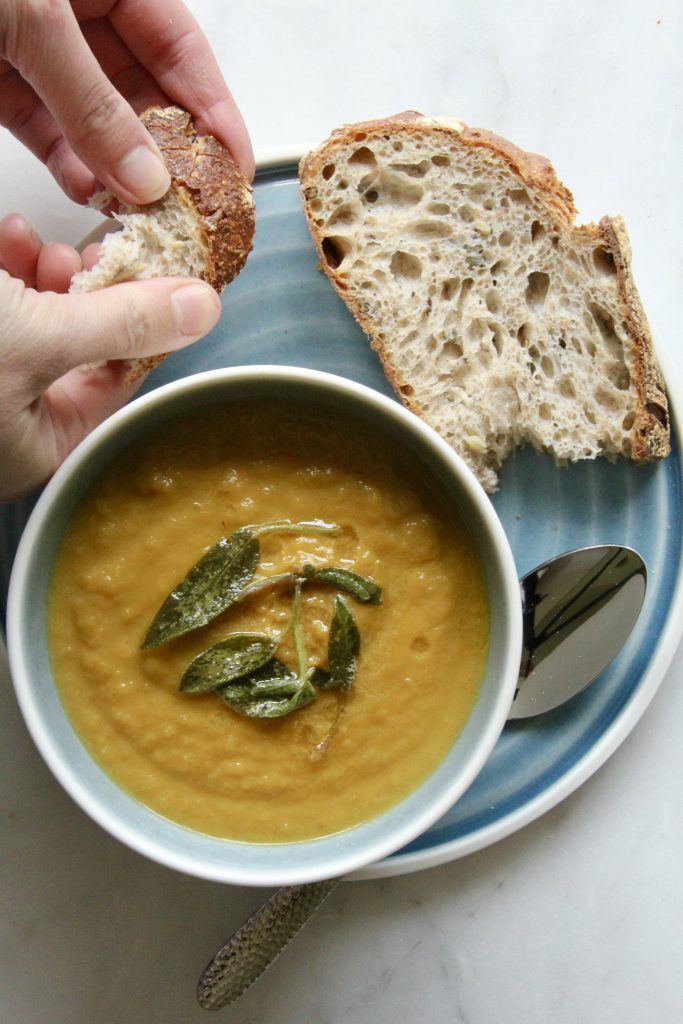
Jerusalem artichokes are high in prebiotic inulin, which gives rise to their nickname of fartichokes! They are delicious and earthy, and are surprisingly versatile. Treat them like a potato; boiled, mashed, roasted or sautéed in a pan. Additionally they can also be treated like a water chestnut, eaten raw grated over salads or quickly cooked in a stir fry so they maintain a crunch. Get them while you can, they go like hot potatoes and are only in season during winter months.
Serves 4
Recipe
1 tbsp rapeseed oil
1 onion, finely diced
4 sticks celery, finely diced
4 garlic cloves, finely sliced
500g Jerusalem Artichokes, peeled and roughly chopped
4 carrots, roughly chopped
10g stock powder
10 sprigs thyme
850ml water
Method
Gently fry the onion in the oil till soft and translucent. Add the celery and garlic and cook for a further 2 minutes without browning.
Add the artichokes, carrots, thyme, stock and water and bring up to a gentile simmer for 20 minutes. Remove any hard herb stalks.
Remove from the heat and bend till smooth.
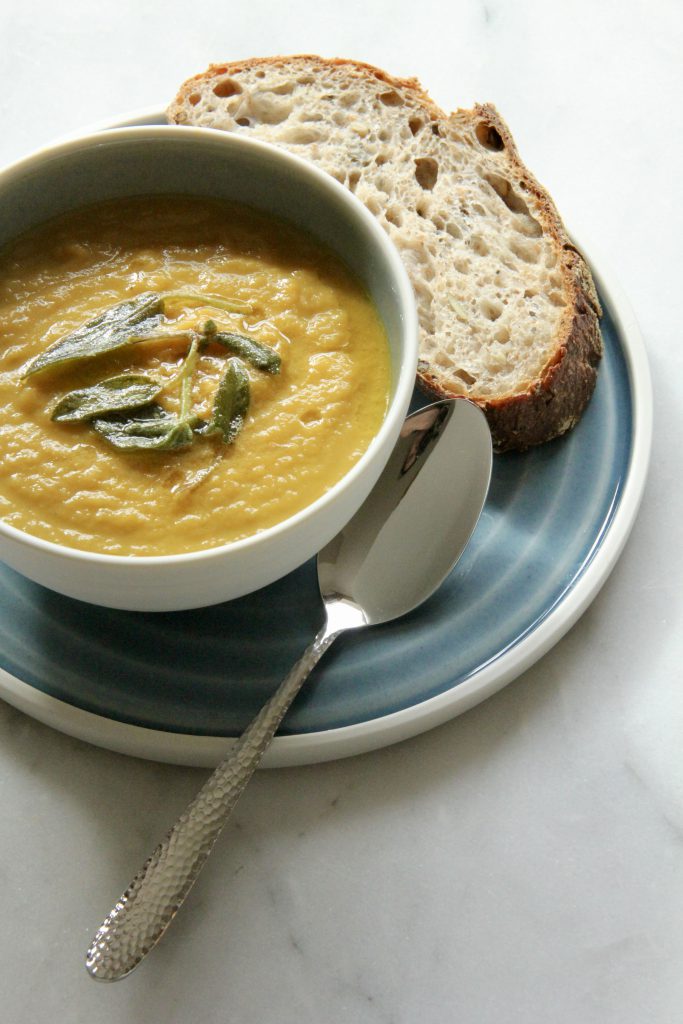
Optional extra: gently fry sage leaves in butter or olive oil till crispy and serve over the top.
Per serving 144kcal/ 4.5g fat/ 0.6g saturated fat/ 23.8g carbohydrates/ 7.3g fibre/ 3.5g protein
This recipe is adapted from the Meat Free Monday cookbook. I don’t think I could have assembled the ingredients any better than them, so, as they saying goes, if it ain’t broke, don’t fix it.
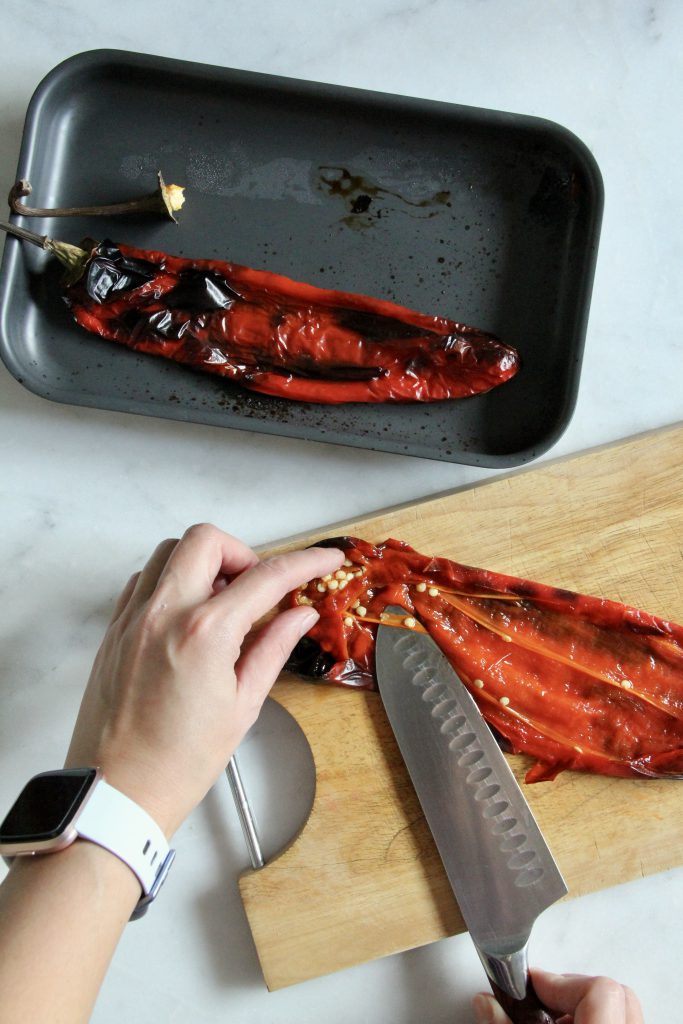
I do however alter the methods used. In the cookbook, they peel the peppers once cooked. You could do this if you wanted, but I leave the skins on as this add flavour, texture, fibre and also reduces the hands on time for making this dish. Win win.
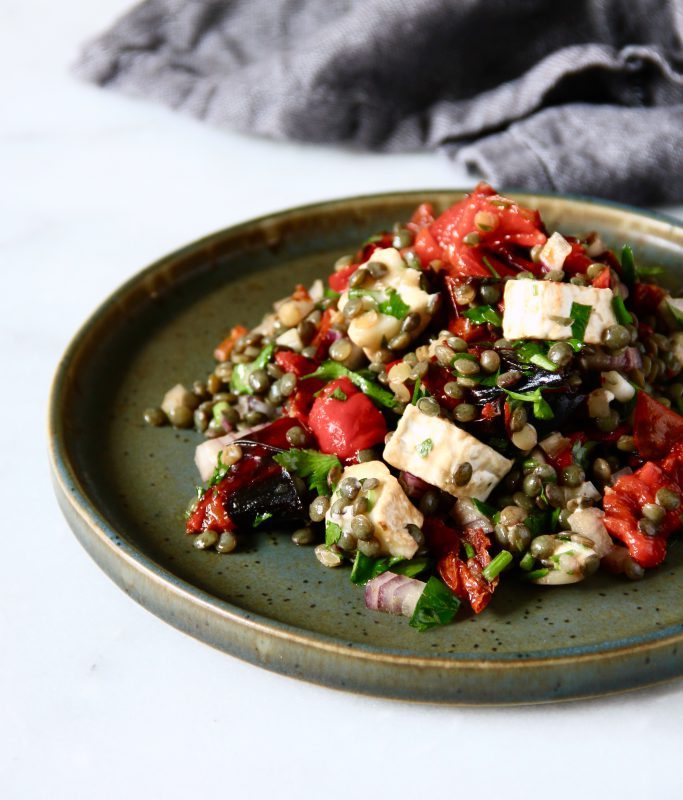
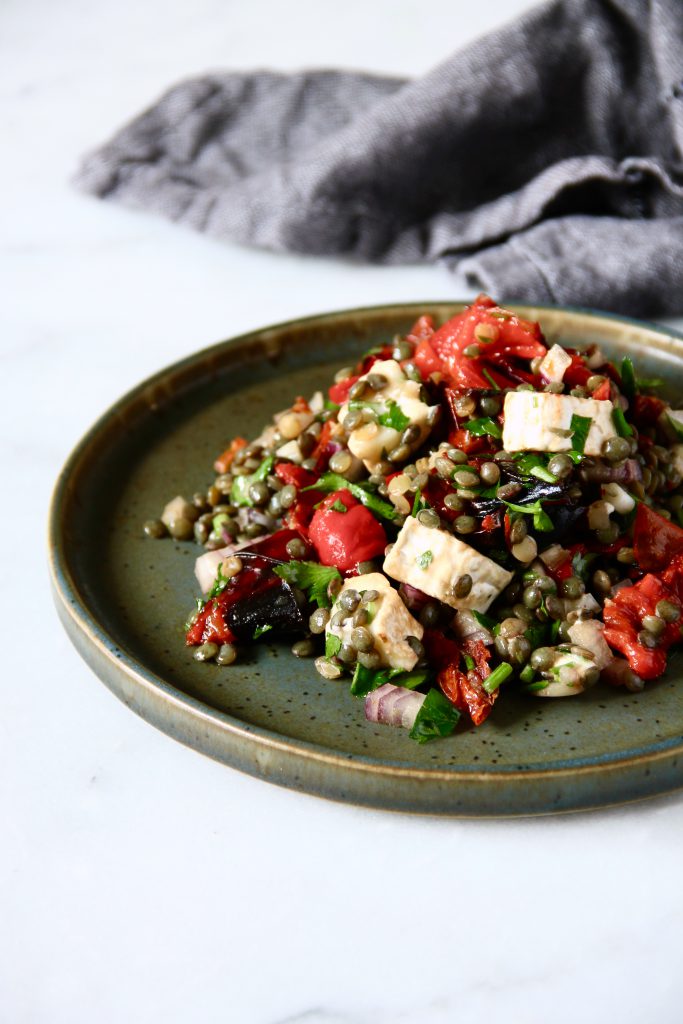
I love using lentils in my salads. Not only are the a cheap cupboard food, they are packed full of plant-based protein and high in fibre. So much so, they are the biggest contributor of fibre to this dish which packs a whopping 14.6g per portion – that’s nearly half you daily target just in a single dish.
Serves 2
Recipe
2 red peppers
100g puy lentils
60g goat’s cheese
1 small red onion, finely diced
3-4 sun-dried tomatoes
1 bunch flat leaf parsley
2 tsp olive oil
2tsp balsamic vinegar
Juice of half a lemon
Method
Preheat the oven to 200°C/ 180°C fan/ gas mark 6. Place the peppers on a tray and roast for 30 minutes till blistered. Allow to cool.
Meanwhile, wash the lentils and cover with cold water. Bring up to the boil for 10 minutes, and the allow to gently simmer for 15-20 minutes till just firm in the centre. Drain.
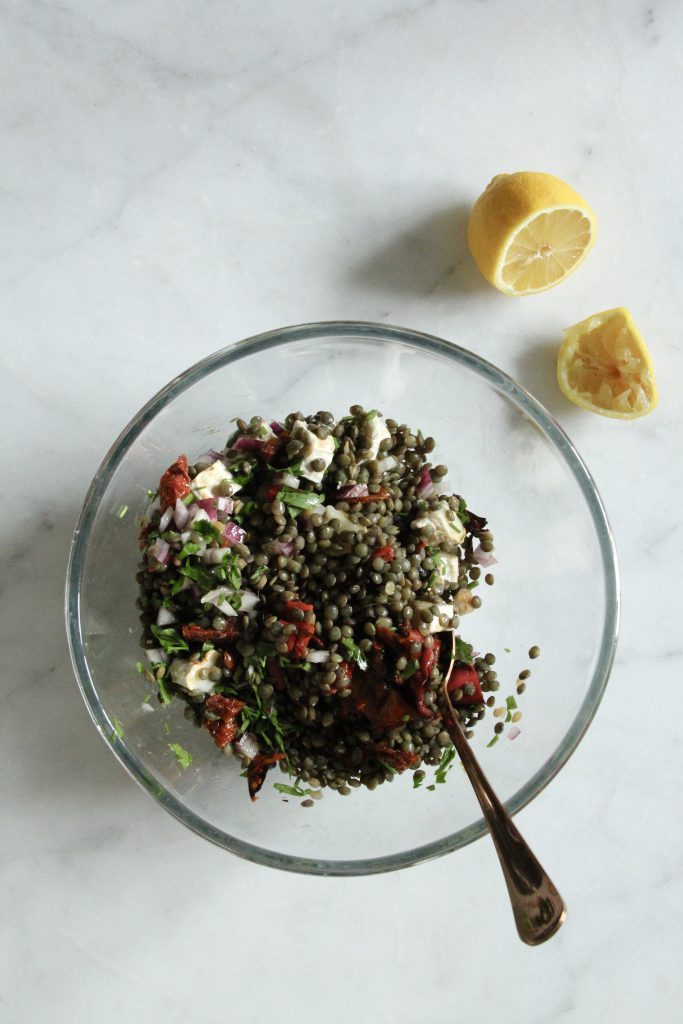
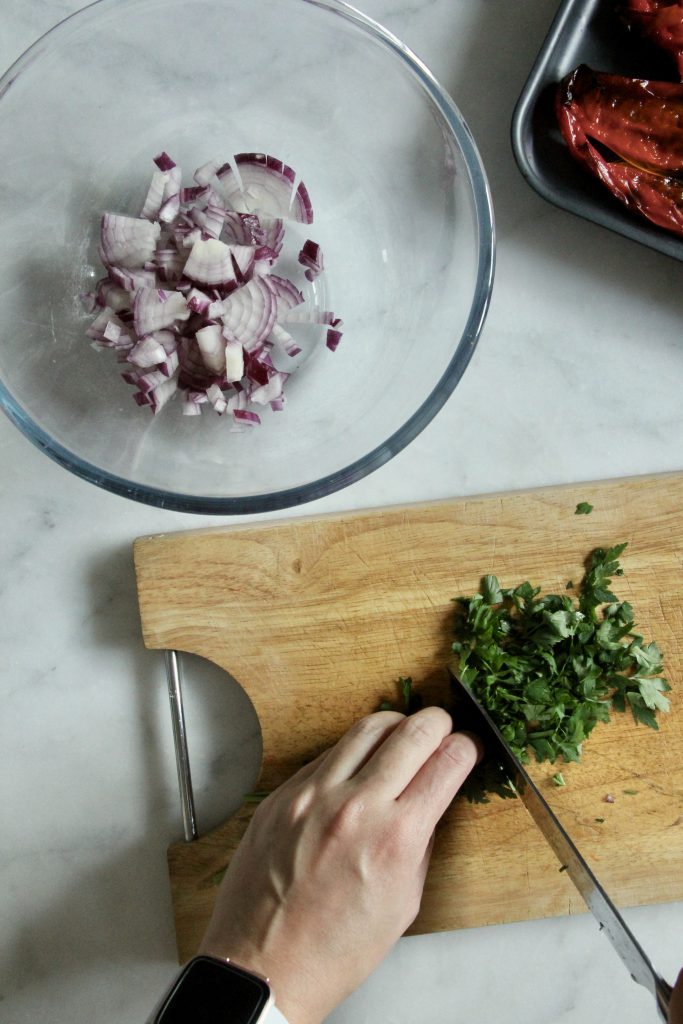
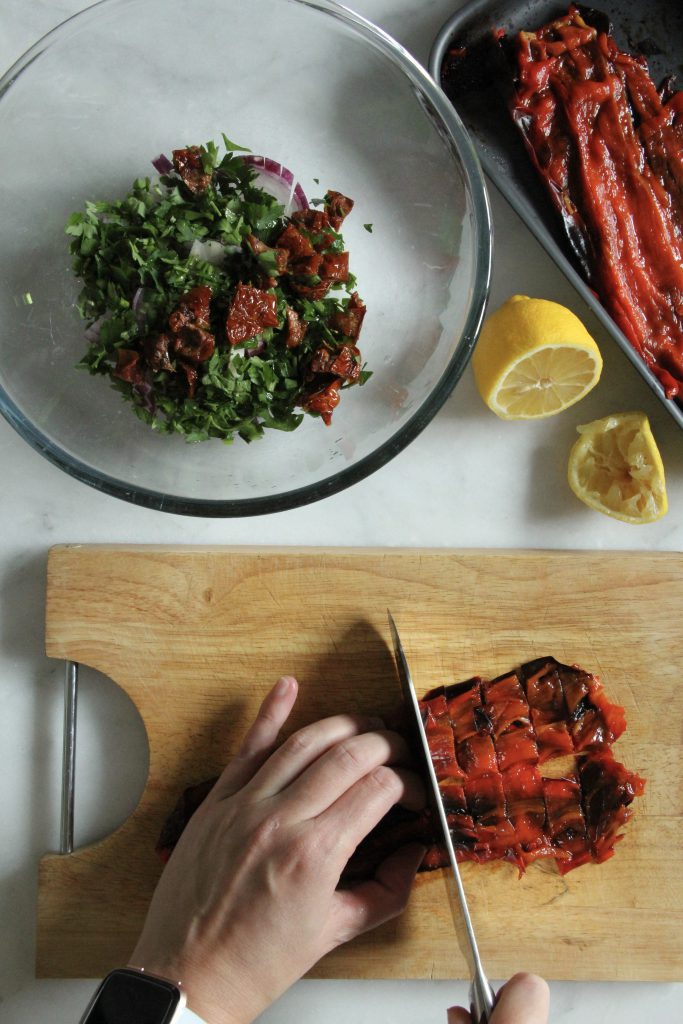
Once cool, de-seed and roughly chop the pepper, parsley, sun-dried tomatoes and goat’s cheese, and dress with the olive oil, balsamic vinegar and lemon juice.
Per serving 348kcal/ 13.3g fat/ 8.0g saturated fat/ 30g carbohydrates/ 14.6 fibre/ 19.6g protein
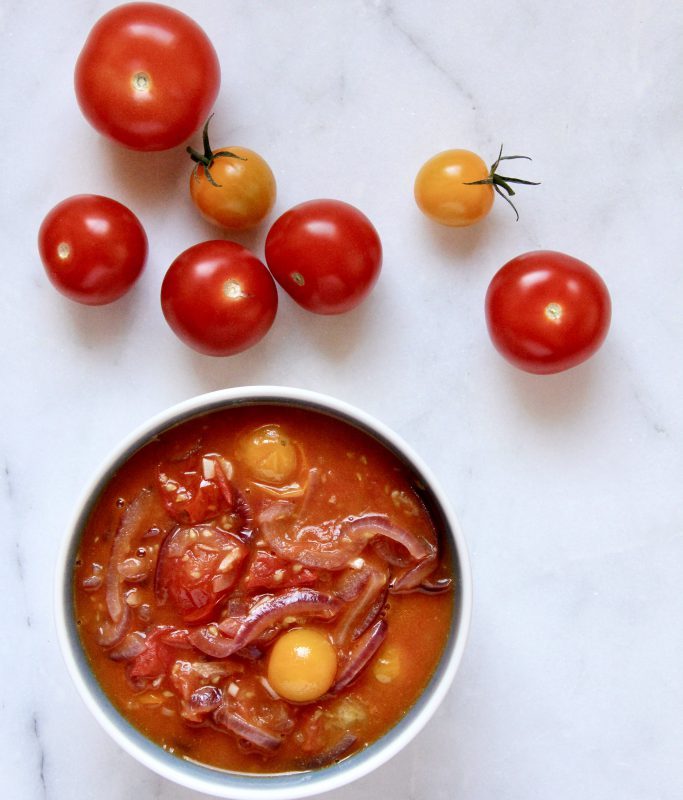
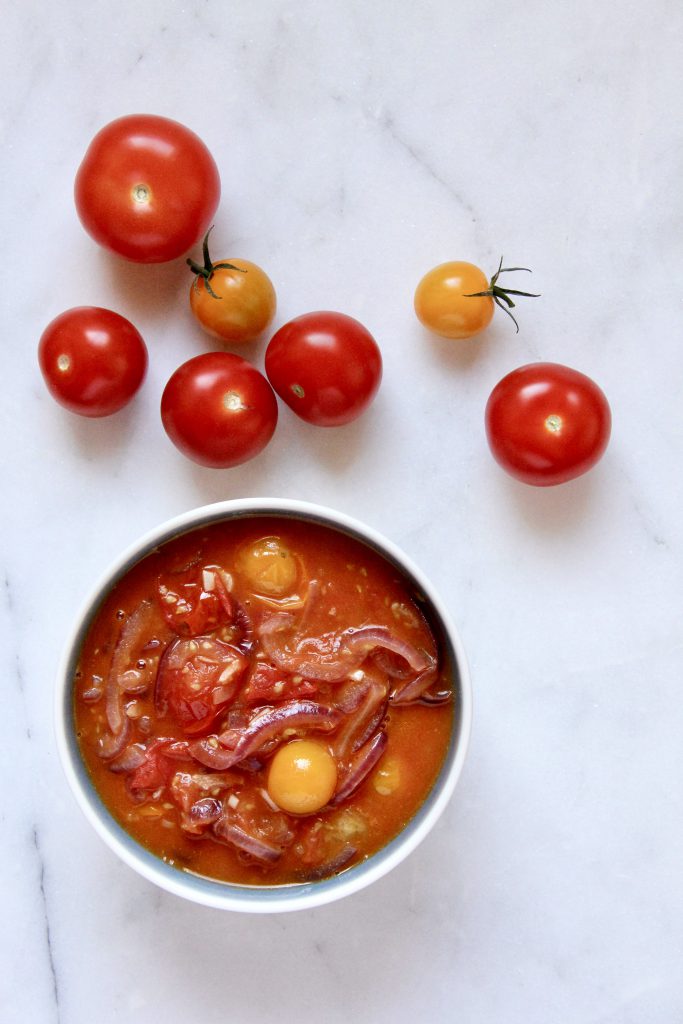
This is almost store cupboard friendly…. In fact you could say it’s empty fridge friendly! I always use this recipe as a base, as it can easily be adapted to suit your needs. Whenever I look in the fridge and see some sad looking tomatoes at the end of the week, I know I can lovingly transform them into a delicious sauce. An additional bonus is that cooking tomatoes in the presence of fats, EVOO in this case, actually helps increase the lycopene content and absorption. Lycopene is a type of plant phytochemical, which is beneficial to our bodies by having a positive effect on cardiovascular health as well as cancer prevention.
As I said, this is a very simple and basic sauce. You can easily perk it up depending on how you feel. Swap the water for wine for a deeper flavour, add those capers from the back of your fridge, or add some fresh herbs to save them from the bin! You can even spice things up with fresh or dried chilli.
For a Puttanesca sauce add chilli, capers, olives and anchovies. Add some cumin, turmeric and ground coriander as a base for a curry. Or make some baked beans by adding some paprika and a tin of cooked beans.
Once cooked, this sauce can happily sit in the fridge for a
few days in an airtight container. Alternatively, you can pop it in the freezer
for a fast dinner when you’re in a rush.
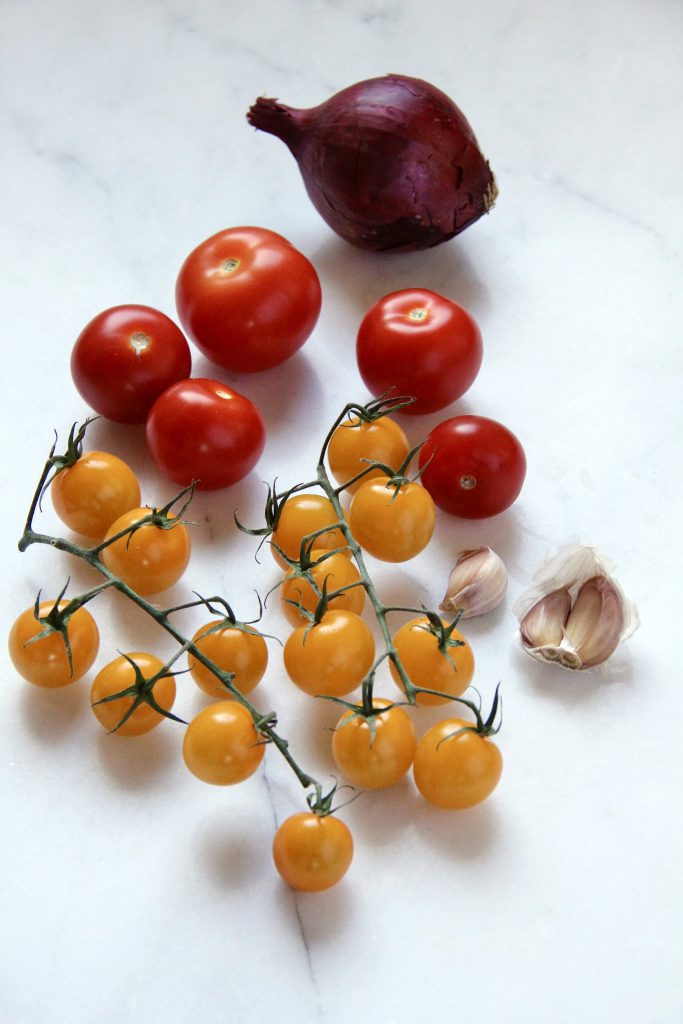
I’ve used a red onion, but any onion you have to hand will be fine. Even if you only have spring onions, give it a go!
Serves 2
Recipe
1 tbsp extra virgin olive oil
1 onion, chopped
2-3 cloves of garlic, sliced
250g fresh tomatoes, roughly chopped
100ml water, option to use wine if you have any
Salt and pepper
Method
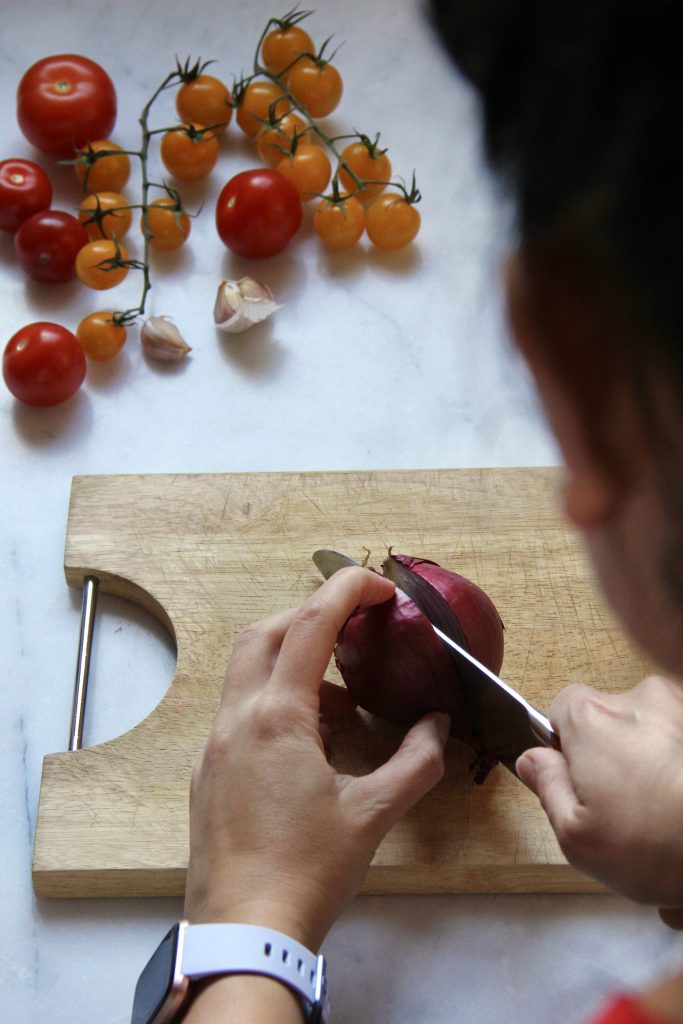
Cook the onions with the oil on a low temperature till soft and translucent.
Add the garlic and cook for a further 2 minutes before adding the tomatoes and water.
Simmer on a gentile heat for 15 minutes till the tomatoes burst and the sauce is reduced
Serve as is chunky, or if you prefer a smooth sauce, blend
Per serving 110kcal/ 7.8g fat/ 1.2g saturated fat/ 8.5g carbohydrates/ 2.1g fibre/ 1.5g protein
 Dr Pippa