Beetroot, Parsnip and Horseradish Soup

Seasonal root vegetables make a simple, but super tasty soup which packs a punch. Fresh horseradish is super pungent and will got “straight up your nose”. I suggest starting with half the amount of fresh horseradish and tasting before adding more. Once you find the level you’re happy with you can stop. However, if you accidentally over do it, add a little extra creme fraiche which will help tone the heat down.

Cant get fresh horseradish? No problem, swap in some creamed horseradish or horseradish sauce. Or if the mustard flavour is not to your taste you could add ginger in instead which will add a warmth to the soup.

To make vegan omit the creme fraiche and use a dairy free yoghurt or dairy free cream alternative.

Serves 5

Ingredients

  • 1 large onion, sliced
  • 1 tbsp extra virgin olive oil
  • 2 cloves of garlic, roughly chopped
  • 400g parsnips, scrubbed (or peeled) and chopped into large chunks
  • 220g potatoes, scrubbed and cut into large chunks
  • 300g beetroot, peeled and cut into large chunks
  • 20g fresh horseradish, or to taste, finely grated
  • 60g creme fraiche

Method

  • In a large pan heat the onions and oil and cook over a low heat till soft and translucent.
  • Add the garlic and cook for a further minute.
  • Add the parsnips, potatoes and beetroot to the pan along with 900ml water. Bring to the boil and allow to simmer for 30 minutes.
  • Blend the soup till smooth and add the horseradish to taste.
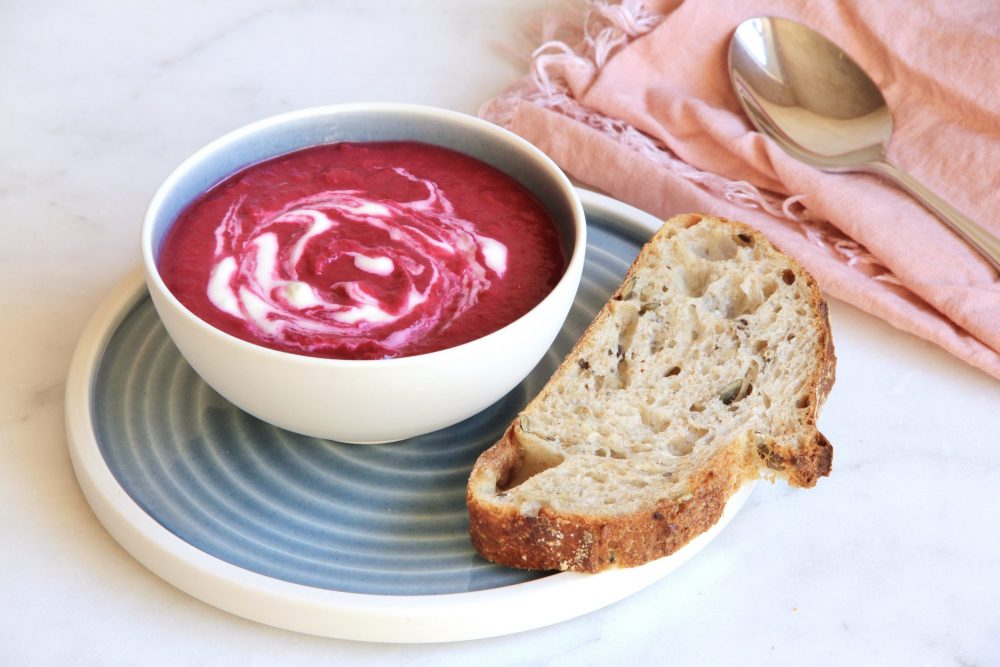
  • Serve in bowls and top with a spoon of creme fraiche with sourdough bread on the side to dip in.

Per serving: 245kcal/ 10.4g fat/ 3.4g saturated fat/ 30.7g carbohydrates/ 7.0g fibre/ 4.6g protein

Vitamin D Supplementation

Do I need to take vitmain D supplements?

In the UK, the recommendation to to supplement the diet with vitamin D during the months of October through to March, or if you are unable to go outside during daylight hours in the Spring and Summer months. This is because the main source of vitamin D is not from the diet, but actually from UVB sunlight on your skin which causes your body to produce vitamin D.

There are some foods that contain vitamin D which may contribute to your intake, but food alone is rarely enough to maintain adequate vitamin D blood levels. Originally it was thought that vitamin D made during spring and summer months was adequate enough to support levels throughout the winter months. However, this has been found to not be the case with an estimated 20% of the UK population having inadequate levels of serum 25OHD. Recommendations to supplement the diet with 10µg (400IU) daily were introduced to the UK in 2016 by the Scientific Advisory Committee for Nutrition.

Animal derived foods which contain vitamin D include:

  • Eggs
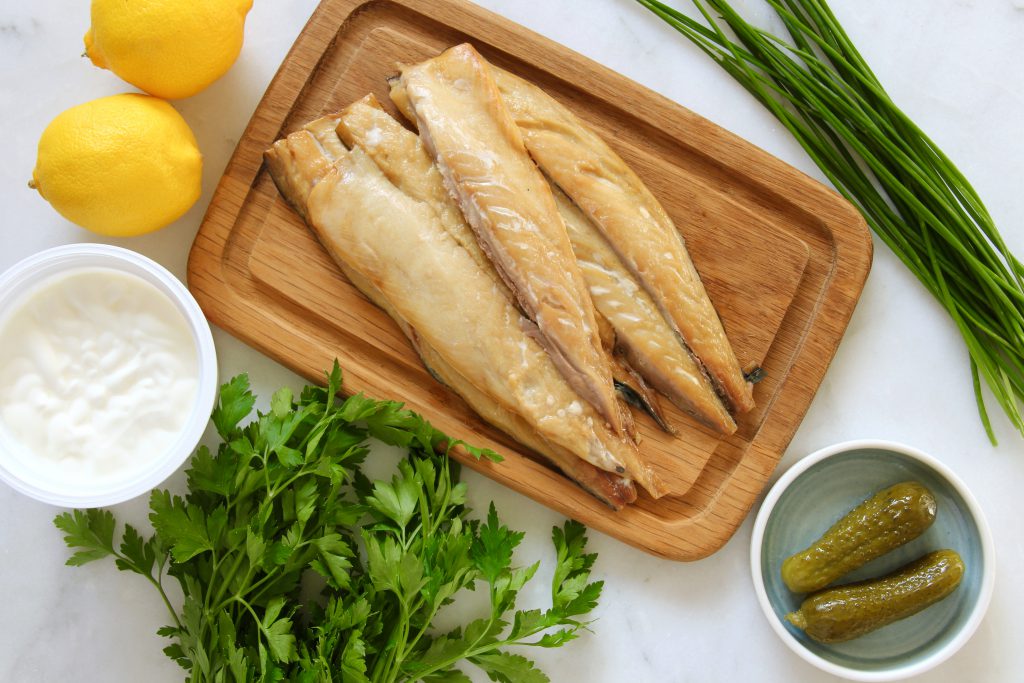
  • Oily fish such as salmon, mackerel, herrings
  • Dairy products
  • Offal

Plant-based foods containing vitamin D include:

  • UVB irradiated mushrooms
  • Fortified milk alternatives
  • Some fortified breakfast cereals

As dietary intakes of vitamin D are inadequate to maintain healthy serum levels, supplementation is still required even if you aim to include as many of these foods as possible. I have plenty of vitamin D containing food recipes, which also contain lots of other beneficial nutrients, so a reminder that variety is the key to overall good health.

If you are concerned about your vitamin D levels, please speak to a trained health expert before taking extremely high doses without proper medical guidance.

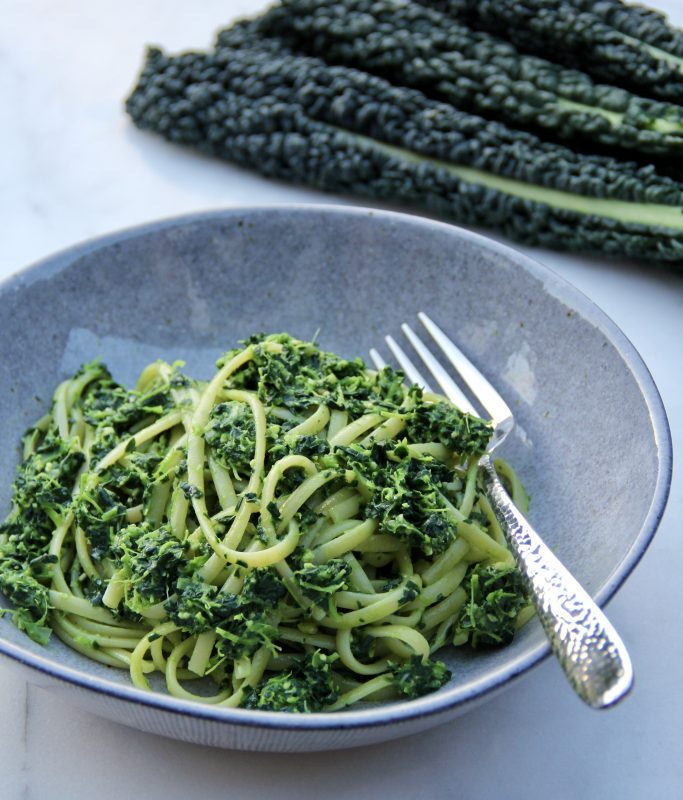
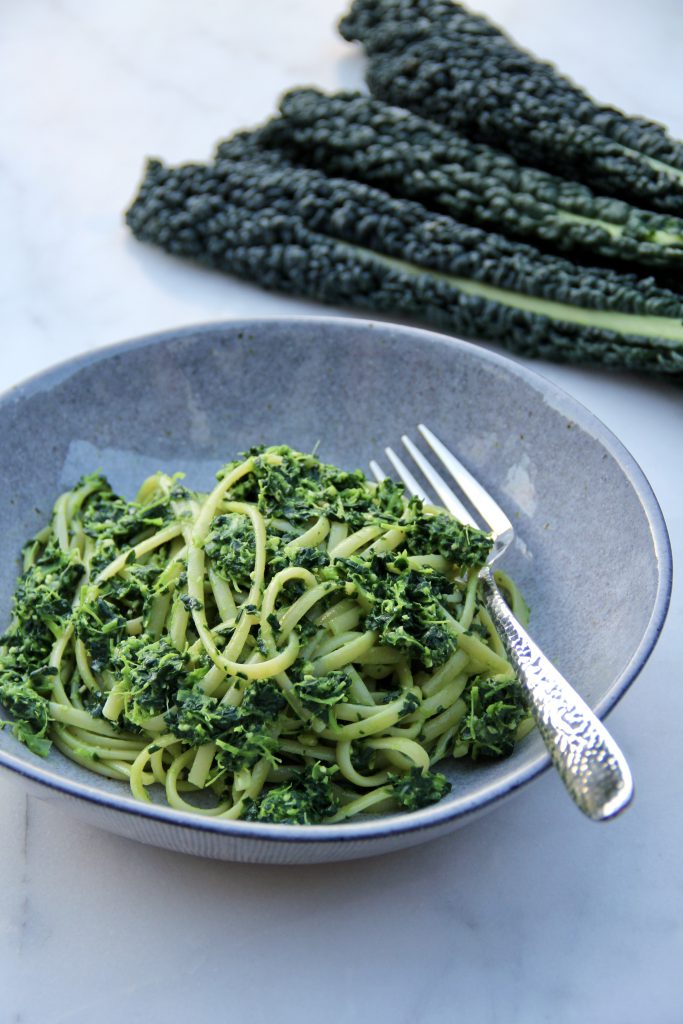
Kale Pesto with Pasta

Super easy to make, taking just the time of the pasta to cook, it’s seasonal, packed full of fibre, providing 5 sources of plant-based goodness….. what’s not to love?!?

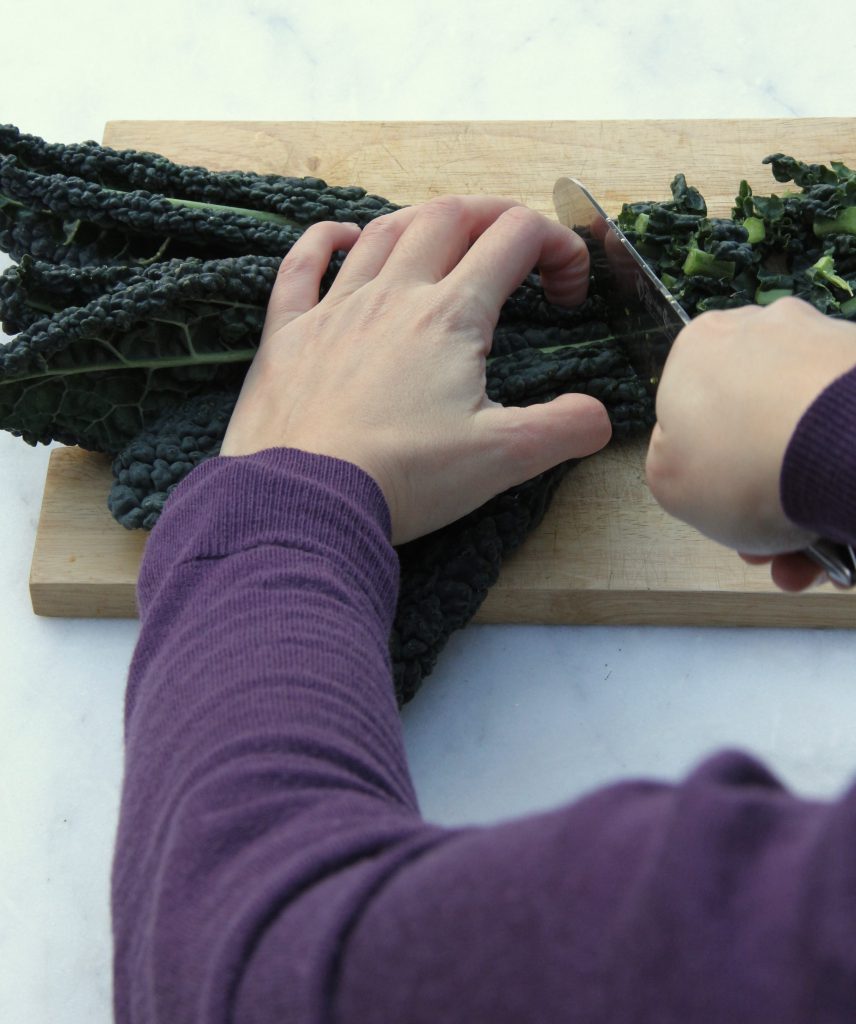
I leave the stems of the kale in. It adds an extra crunch to the dish, which I absolutely love, but also means maximising the fibre content of this dish as well as less food waste, which we really hate! Double bonus!

You could make a large quantity of this pesto and store it in an airtight container in the fridge for a few days. Alternatively, pop it into the freezer in portion sizes ready to whip out when the cupboards are looking a little bare.

Keeping the stems on the kale helps maximise the fibre content and reduce food waste

Serves 1

Recipe

  • 100g kale, washed and roughly chopped
  • 1 clove garlic, peeled
  • 15ml extra virgin olive oil
  • 20g toasted pine nuts
  • 20g parmesan, finely grated
  • 75g pasta

Method

  • Bring a pan of water to the boil. Add the kale and garlic clove and blanch for 1 minute. Remove from the water into a jug for blending.
  • Add the pasta to the boiling water and cook for 1 minute less than the packet instructions.
  • Meanwhile, blend the blanched kale and garlic, before adding the oil, pine nuts and parmesan. Blend again, adding a little pasta water if too thick.
  • Drain the pasta, reserving a little of the cooking water. Return to the pan.
  • Add the pesto and return to the heat to warm everything through. Loosen the pesto sauce with the reserved pasta water if needed. Serve immediately.

Per serving of kale pesto 388kcal/ 35g fat/ 6.7g saturated fat/ 3.8g carbohydrates/ 3.8 fibre/ 13.1g protein